
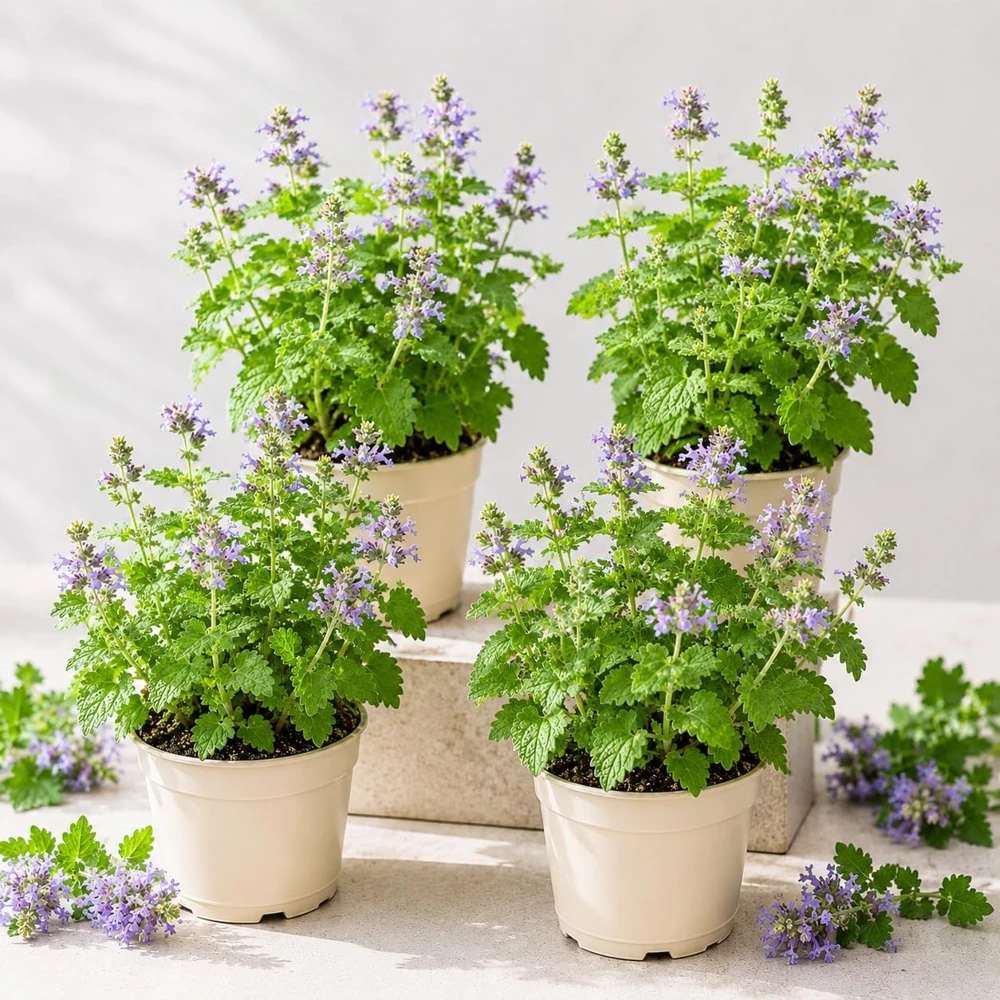
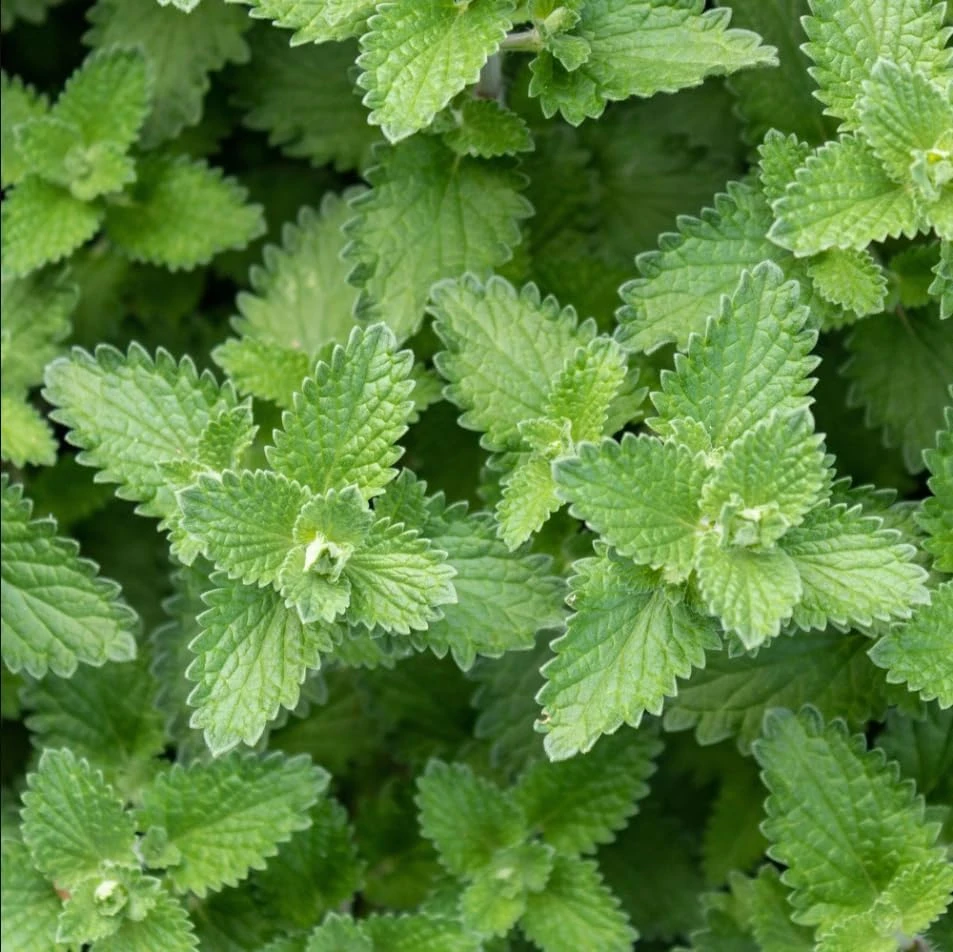
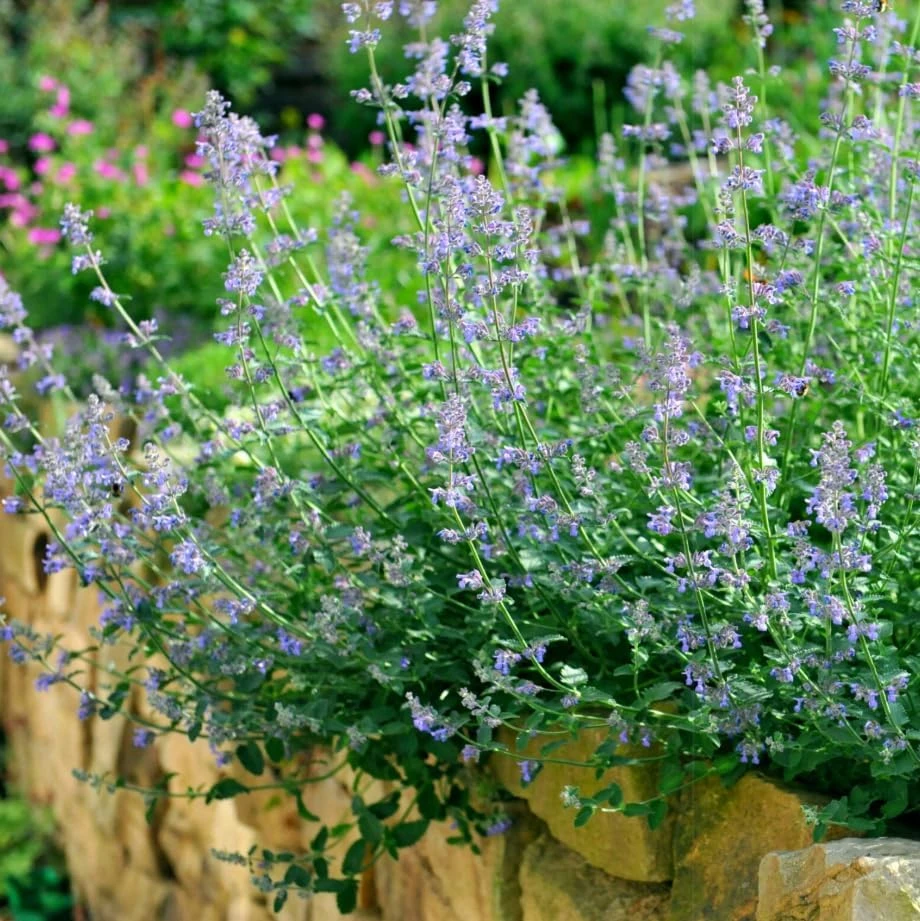
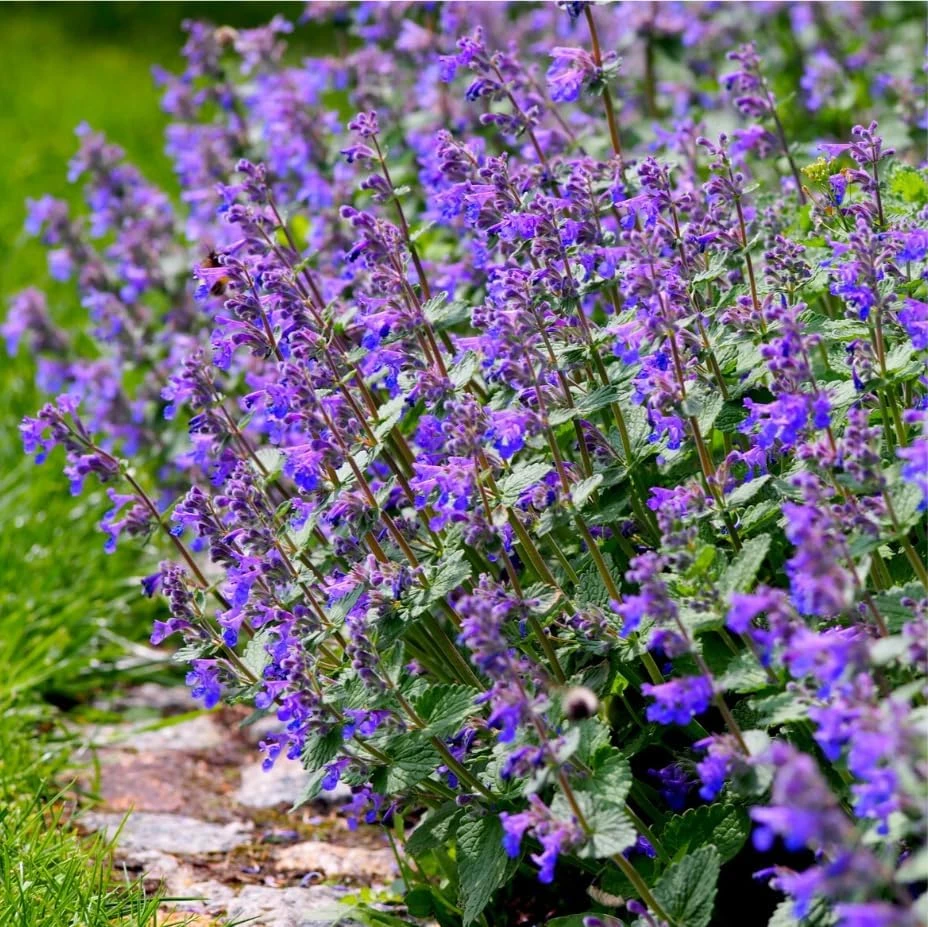
Set of 4 Catnip Live Plants – Herb Perennial – 4-8 Inch Tall – Indoor Outdoor Garden
Original price was: 53.99 $.28.99 $Current price is: 28.99 $.
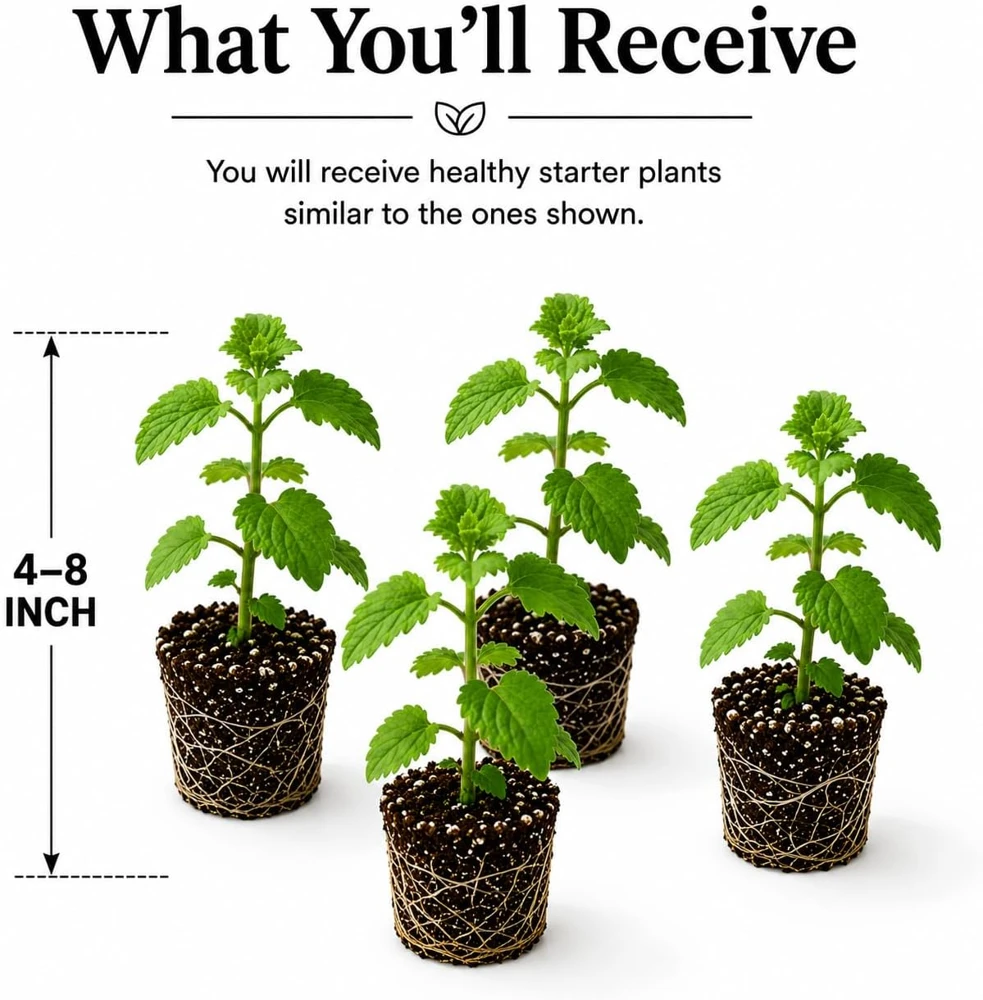
Cultivate a delightful addition to your garden with this set of four catnip live plants. These perennial herbs are ideal for both indoor and outdoor environments, offering a charming fragrance and appealing to feline friends. Each plant measures 4-8 inches tall, ready for planting.
Estimated arrival
Oct 15
Oct 20 - Oct 22
Oct 22 - Oct 27
See our Shipping Policy.
Get in touch with us via email, and our team will review your concerns.
Our Alive & Thrive Guarantee covers issues with your plants within the first 30 days. Read our Refund & Returns Policy.
-
USDA Hardiness Zone
3–9 -
Soil Type
Well-draining soil -
Sunlight Exposure
Full Sun to Partial Shade -
Expected Planting Period
Late spring to early fall (blooming season), spring or fall (planting)
Overview
Introduce the joy of gardening and the allure of a natural feline favorite with this exceptional set of four catnip live plant specimens. Known scientifically as Nepeta cataria, catnip is a beloved perennial herb celebrated for its aromatic foliage and attractive, often calming, effect on cats. These vigorous young plants arrive ready for planting, measuring between 4 and 8 inches tall, making them perfect for starting an herb garden, enhancing a perennial border, or even growing indoors in a sunny spot. Whether you’re an experienced gardener or just beginning, cultivating your own catnip live plant offers a rewarding experience, providing fresh leaves for teas, culinary uses, or simply to delight your beloved pets.
Our carefully selected catnip live plant collection is robust and adaptable, thriving in a variety of conditions across USDA Zones 3-9. These plants are grown with care to ensure they establish quickly and flourish, providing lush green foliage and delicate blooms from late spring to early fall. Beyond its appeal to cats, catnip is also known to attract beneficial pollinators like bees, adding ecological value to your garden. This set of four ensures you have ample supply for multiple locations or to share with fellow plant enthusiasts.
Key Benefits
Growing a catnip live plant offers a multitude of advantages, from its aesthetic appeal to its practical uses. These plants are more than just a treat for felines; they are versatile additions to any home or garden:
-
Natural Pet Entertainment: The most famous benefit, catnip contains nepetalactone, which can induce playful or relaxed behavior in many cats. Having a fresh catnip live plant provides endless amusement for your feline companions.
-
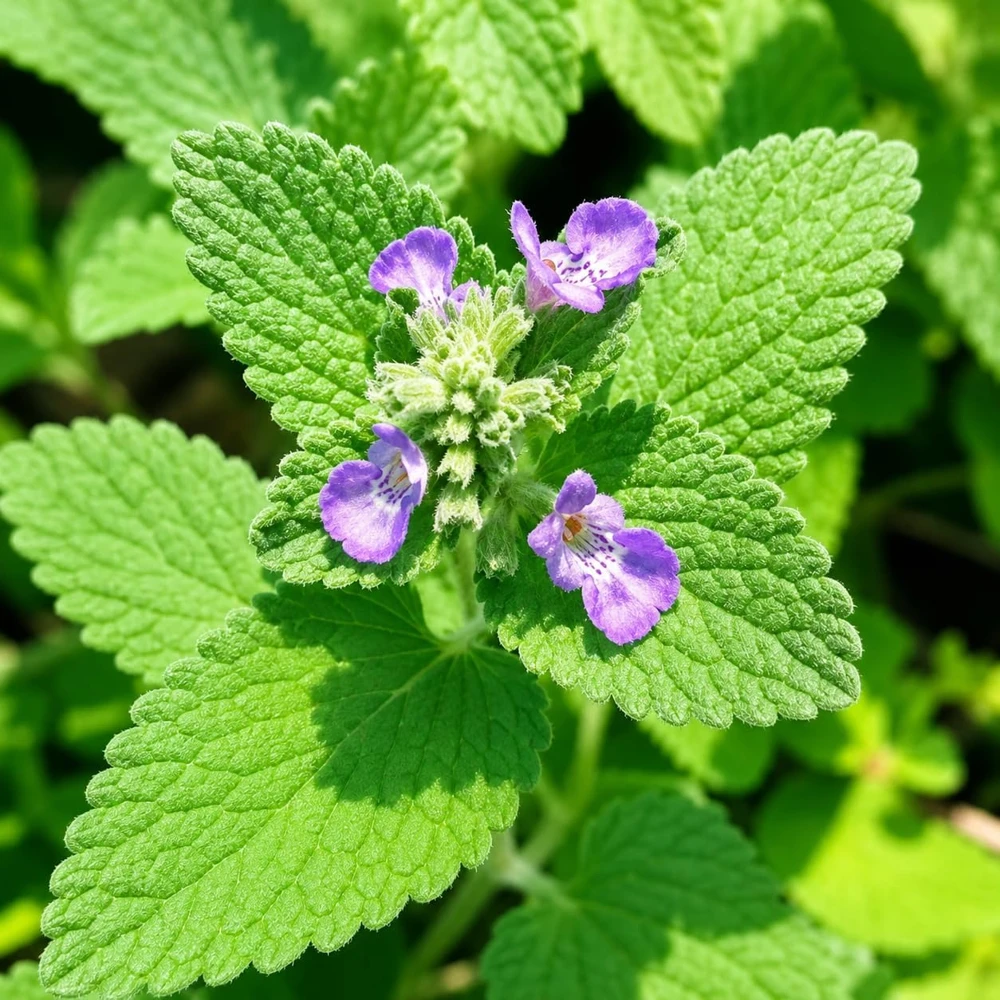
Aromatic & Ornamental: With its soft, grey-green leaves and spikes of small lavender or white flowers, catnip adds a lovely texture and pleasant, minty fragrance to herb gardens, borders, or containers. It’s an attractive plant even without considering its other benefits.
-
Pollinator Attraction: The flowers of the catnip live plant are a magnet for bees and other beneficial insects, helping to support local ecosystems and improve pollination for other plants in your garden.
-
Versatile Herb: Beyond cats, catnip leaves can be used by humans to make herbal teas known for their calming properties. It has a long history of traditional use for relaxation and digestive comfort.
-
Low Maintenance Perennial: Once established, catnip is remarkably hardy and requires minimal care. It’s drought-tolerant and generally pest-resistant, making it an excellent choice for gardeners seeking an easy-to-grow plant.
-
Adaptable Growth: Suitable for a wide range of climates and conditions, this catnip perennial herb can be successfully grown both outdoors in garden beds and indoors in pots, offering flexibility for various living situations.
Plant Care & Growing Tips
Caring for your catnip live plant is straightforward, making it an ideal choice for gardeners of all skill levels. These resilient herbs thrive with proper attention to their basic needs. For optimal growth, ensure your plants receive plenty of sunlight. They prefer full sun to partial shade, meaning at least 6 hours of direct sunlight per day is ideal when grown outdoors. If you are growing catnip indoors, place them near a south-facing window or under grow lights to ensure they get adequate light exposure.
When it comes to watering, catnip prefers well-draining soil. Water thoroughly when the top inch of soil feels dry to the touch, and then allow the soil to dry out slightly before the next watering. Avoid overwatering, as this can lead to root rot. A sandy or loamy soil mix is best, and ensuring good drainage in pots is crucial. Catnip is quite tolerant of drier conditions once established, reflecting its hardy nature as a catnip perennial herb. Maintaining consistent moisture without sogginess is the key to a healthy plant.
Catnip is adaptable to a broad temperature range, flourishing between 55°F and 85°F (13°C and 29°C). It is hardy in USDA Zones 3-9, meaning it can withstand cold winters and return year after year in many regions. Fertilization is generally not heavily required; a balanced, all-purpose fertilizer applied once or twice during the growing season is usually sufficient. Pruning can encourage bushier growth and prevent the plant from becoming leggy. Pinch back stems regularly, and deadhead spent flowers to encourage new blooms and prevent self-seeding if you wish to control its spread. Watch out for common garden pests, though catnip is generally resistant, and address any issues promptly to keep your nepeta cataria plant thriving.
Size & Details
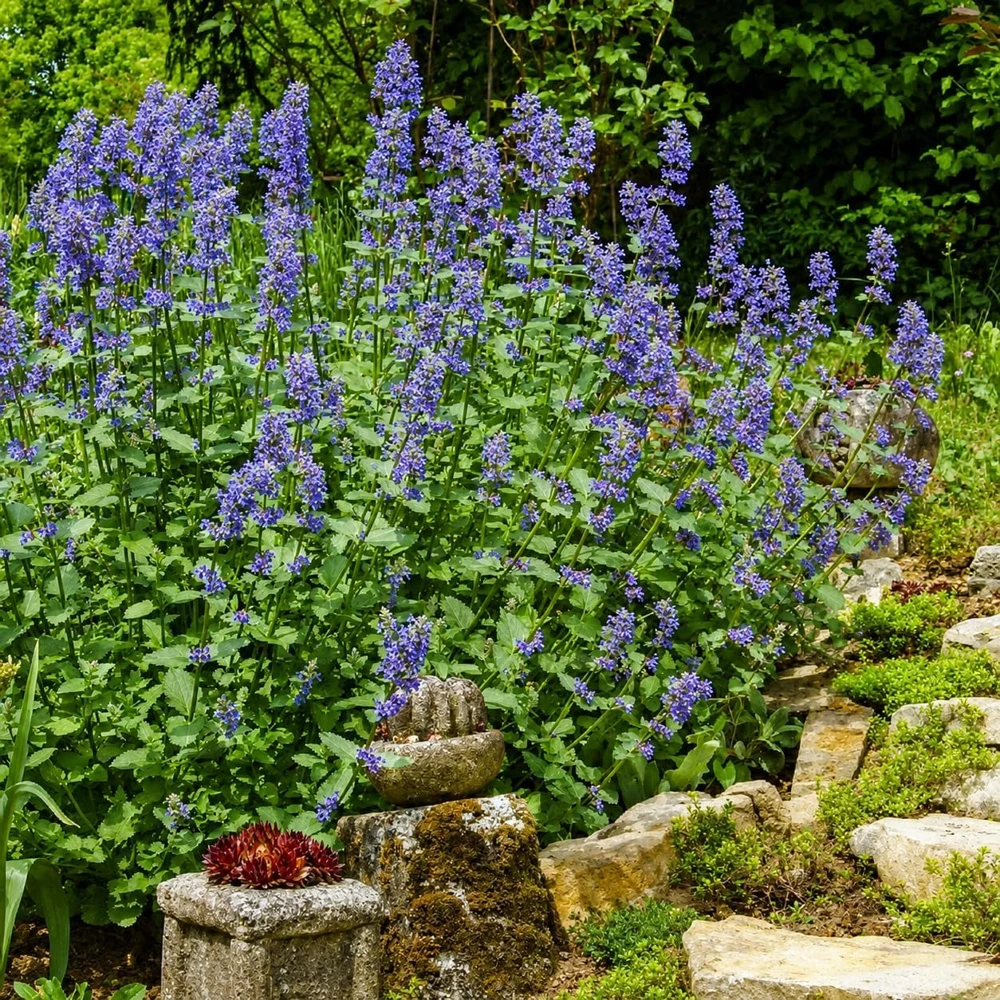
This offering includes a set of four healthy catnip live plant specimens, each standing approximately 4 to 8 inches tall upon arrival. These young plants are shipped without a pot, with their root systems carefully protected to ensure a smooth transition to your garden or chosen container. Catnip is a moderately fast-growing perennial, quickly establishing itself and spreading if left unchecked in optimal outdoor conditions. When mature, outdoor plants can reach heights of 2-3 feet and spread equally wide, forming attractive, mounded clumps. Indoor plants typically remain more compact, depending on pot size and pruning.
The blooming season for these plants extends from late spring through early fall, providing a long period of visual interest and attraction for pollinators. While these plants are ready for immediate planting, their full size and flowering potential will be realized within their first full growing season. They are robust and resilient, perfect for adding a touch of natural charm and utility to any landscape or indoor space.
Frequently Asked Questions
-
Q: How big does this catnip live plant get? A: Each plant arrives 4-8 inches tall. When mature, outdoor catnip plants can grow 2-3 feet tall and wide, while indoor plants typically remain smaller depending on pot size and pruning.
-
Q: Is this an indoor or outdoor plant? A: This catnip live plant is versatile and can thrive both indoors in a sunny window and outdoors in garden beds or containers, making it suitable for various environments.
-
Q: How much sunlight does the catnip perennial herb need? A: Catnip prefers full sun to partial shade, ideally receiving at least 6 hours of direct sunlight per day. If growing indoors, ensure it’s placed in a bright, sunny location.
-
Q: Is this plant easy to care for? A: Yes, catnip is considered a very low-maintenance plant. It’s drought-tolerant once established and generally resistant to pests, making it an excellent choice for beginners and busy gardeners alike.
-
Q: What condition will the plants arrive in? A: Your set of four catnip live plant specimens will arrive healthy, with their root systems protected, ready for immediate planting. They are shipped without a pot to minimize shipping stress.
-
Q: Can I use this catnip for my cats? A: Absolutely! This is the traditional nepeta cataria plant, known for its stimulating effect on many cats. You can offer fresh leaves or dry them for later use in toys.
-
Q: When is the best time to plant this catnip? A: These plants can be planted in spring after the last frost, or in early fall. Indoor planting can occur year-round, provided adequate light and temperature conditions are met.
-
Q: What USDA Zones is this growing catnip indoors suitable for? A: This catnip is hardy in USDA Zones 3-9. For zones outside this range, or during harsh winters, growing indoors is recommended.
-
Q: What kind of soil does catnip prefer? A: Catnip thrives in well-draining soil. A loamy or sandy soil mix is ideal, and ensuring good drainage in pots is crucial to prevent root rot.
-
Q: How often should I water my catnip for cats? A: Water when the top inch of soil feels dry to the touch. Allow the soil to dry out slightly between waterings, as catnip is quite drought-tolerant once established.
Be the first to review “Set of 4 Catnip Live Plants – Herb Perennial – 4-8 Inch Tall – Indoor Outdoor Garden”
Related products


You May Like

Hardneck vs. Softneck Garlic: Which Should You Grow?
Have you ever stood in front of a seed catalog in mid-September, staring at dozens [...]
Oct

When to Plant Music Garlic: Ultimate US Fall Guide
Have you ever spent your fall weekend placing carefully chosen garlic cloves into rich, dark [...]
1 Comment
Oct

5 Best Bulbs for Fall Planting: Brighten Your Garden This Spring
Are you dreaming of a garden full of vibrant colors in the spring? The key [...]
Aug

10 Houseplants That Will Thrive in Your Kitchen
Are you tired of your kitchen feeling dull and lifeless? Want to add a little [...]
1 Comment
Aug
Reviews
There are no reviews yet.