
Set of 5 Celandine Poppy Bulbs – Stylophorum lasiocarpum – Yellow Native Woodland Poppies – Outdoor
Original price was: 29.98 $.19.99 $Current price is: 19.99 $.
Transform your shaded garden with a set of 5 Celandine Poppy Bulbs. These Stylophorum lasiocarpum are known for their bright yellow flowers and attractive foliage, perfect for creating a naturalized look in woodland settings. Easy to grow and low maintenance, they attract pollinators and add natural charm.
Estimated arrival
Oct 16
Oct 21 - Oct 23
Oct 23 - Oct 28
See our Shipping Policy.
Get in touch with us via email, and our team will review your concerns.
Our Alive & Thrive Guarantee covers issues with your plants within the first 30 days. Read our Refund & Returns Policy.
-
USDA Hardiness Zone
USDA zones 4-9 -
Soil Type
Rich, moist, well-draining soil with organic matter -
Sunlight Exposure
Partial shade to full shade -
Expected Planting Period
Fall or early spring
Overview
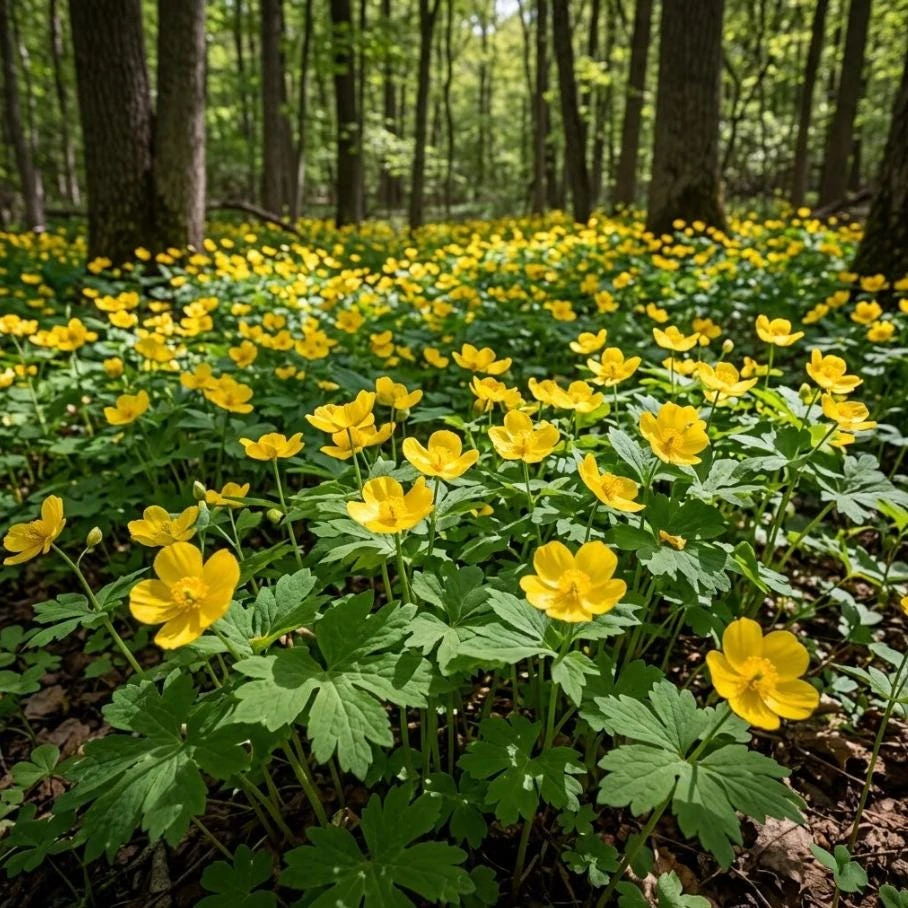
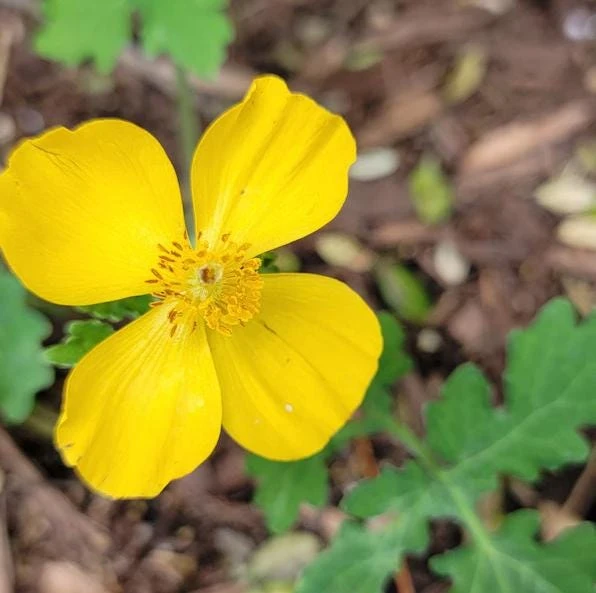
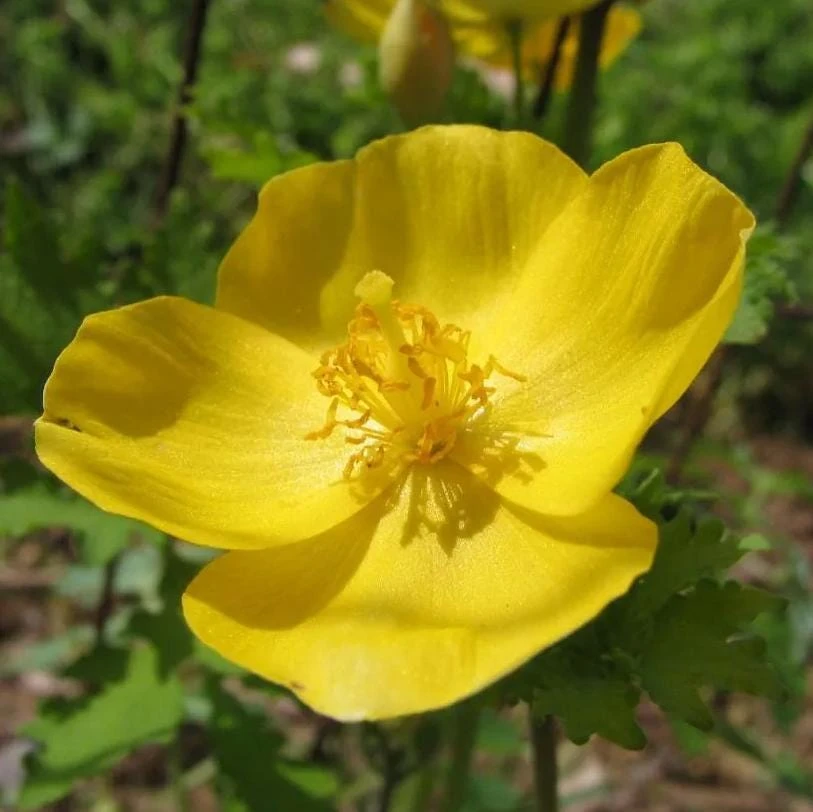
Introduce enchanting beauty to your garden with this set of 5 Celandine Poppy Bulbs. Known scientifically as Stylophorum lasiocarpum, these charming native woodland plants are celebrated for their brilliant golden-yellow blooms and lush green foliage. Often referred to as Wood Poppies, they are a delightful addition to any shaded garden bed, woodland border, or naturalized landscape, creating a cheerful display in spring and early summer. These easy-to-grow, low-maintenance bulbs promise a return of their vibrant flowers each season, attracting beneficial pollinators and infusing your outdoor space with natural elegance. If you’re looking for native woodland plants that thrive in cooler, shadier spots, the Celandine Poppy is an excellent choice, providing consistent beauty with minimal effort.
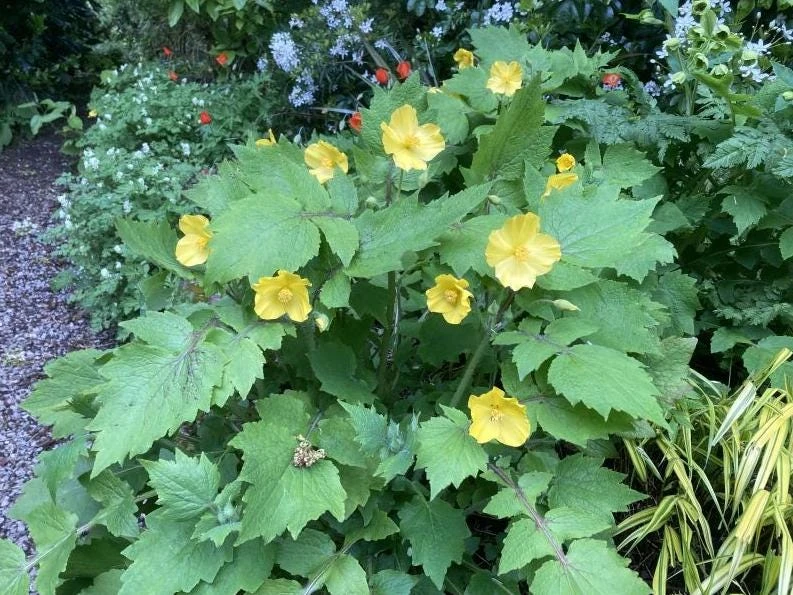
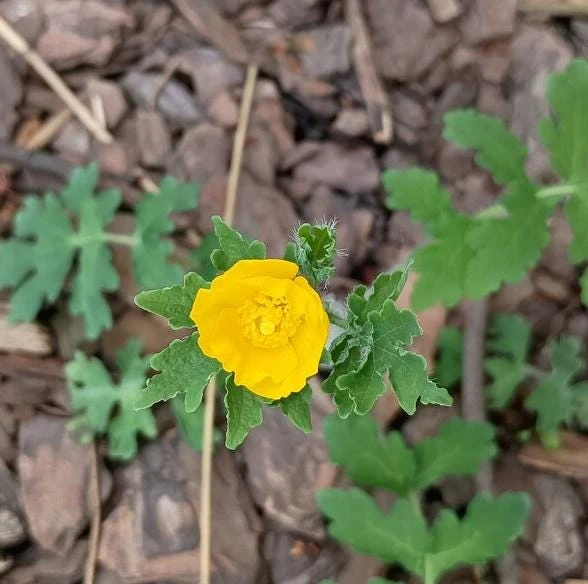
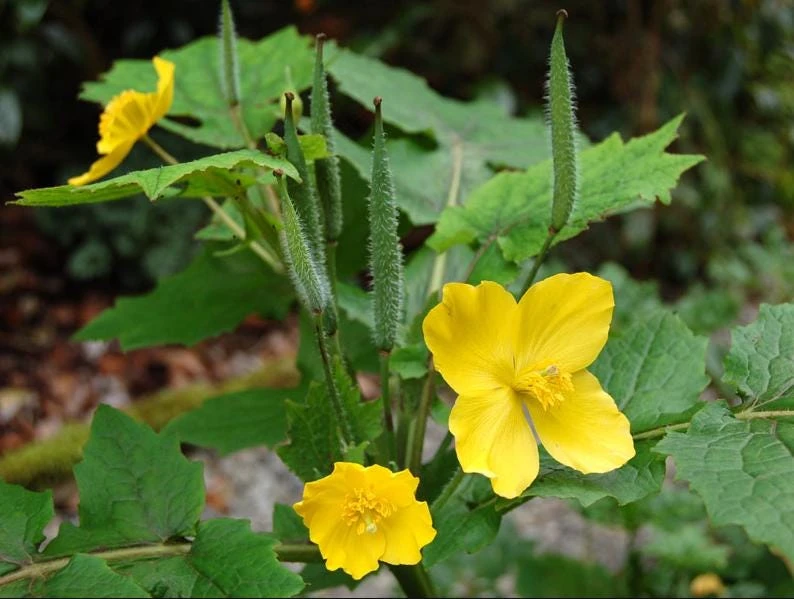
Our set of 5 Celandine Poppy Bulbs offers a fantastic opportunity to establish these resilient and beautiful flowers in your garden. The distinctive cup-shaped yellow blossoms create a striking contrast against their deeply lobed leaves, making them a focal point even in the most serene garden corners. Perfect for gardeners seeking to enhance biodiversity and enjoy a truly native aesthetic, these bulbs are a simple way to achieve a stunning, naturalized look. Embrace the charm of the Stylophorum lasiocarpum and watch your shaded areas come alive with color and life.
Key Benefits
These celandine poppy bulbs offer numerous advantages for enhancing your garden:
- Vibrant Yellow Blooms: Enjoy a spectacular display of bright, golden-yellow flowers in spring and early summer, adding a cheerful splash of color to your landscape. The unique hue of these yellow poppy bulbs is truly captivating.
- Native Woodland Plant: As a true native woodland plant, Stylophorum lasiocarpum is perfectly adapted to shaded environments, making it ideal for naturalizing under trees or in woodland gardens.
- Attracts Pollinators: The cheerful flowers are a magnet for bees, butterflies, and other beneficial pollinators, contributing to the ecological health and biodiversity of your garden.
- Low Maintenance: Once established, these Celandine Poppies require minimal care, thriving with consistent moisture and partial to full shade. They are an excellent choice for busy gardeners.
- Easy to Grow: Planting these bulbs is straightforward, and they readily naturalize, spreading gently to form beautiful colonies over time, enhancing your garden’s appeal effortlessly.
- Attractive Foliage: Beyond their stunning flowers, the deeply lobed, attractive green foliage provides textural interest even when not in bloom, maintaining garden beauty throughout the growing season.
- Versatile Landscaping: Ideal for woodland gardens, shaded borders, native plant gardens, and naturalized areas, these celandine poppy bulbs fit seamlessly into various garden designs.
Plant Care & Growing Tips
Growing Stylophorum lasiocarpum is a rewarding experience, especially when provided with the right conditions. For optimal performance, plant your celandine poppy bulbs in partial shade to full shade. While they can tolerate some morning sun, protection from intense afternoon sun is crucial to prevent scorching their delicate foliage and prolonging their blooming period. Ensure the planting site receives consistent dappled light or is under the canopy of deciduous trees. These plants thrive in cooler, moist conditions, making them perfect for those challenging shaded spots where other flowers might struggle.
The key to success with these yellow poppy bulbs lies in the soil. They prefer rich, moist, and well-draining soil with an abundance of organic matter. Before planting, amend heavy clay soils with compost or peat moss to improve drainage and aeration. For sandy soils, adding organic matter will help retain essential moisture and nutrients. Plant the bulbs or roots approximately 2–3 inches deep, spacing them about 6-8 inches apart to allow for natural spread. Water regularly to keep the soil evenly moist, especially during dry spells and the active growing season. Avoid letting the soil dry out completely, as consistent moisture is vital for their health and vigorous growth. A layer of mulch can help retain soil moisture and suppress weeds.
Celandine Poppies are hardy in USDA zones 4-9. They are generally resilient to pests and diseases, but good air circulation and proper watering can prevent fungal issues. Fertilize sparingly in spring with a balanced, slow-release granular fertilizer or a liquid feed diluted to half strength. Deadheading spent blooms is not strictly necessary but can encourage more tidy growth and prevent excessive self-seeding if you wish to control their spread. These native woodland plants are a wonderful, self-sufficient addition to your garden, providing years of delightful blooms.
Size & Details
This offering includes a set of 5 Celandine Poppy Bulbs (Stylophorum lasiocarpum), ready for planting. Each bulb is carefully selected to ensure strong, healthy growth. Once established, these plants typically grow to a height of 12-18 inches with a similar spread, forming attractive clumps of foliage and flowers. They are ideal for creating a naturalized look, as they will gently self-seed and expand over time, creating a beautiful carpet of yellow. The vibrant yellow poppy bulbs produce their characteristic blooms in spring and early summer, offering a refreshing burst of color after the dormancy of winter.
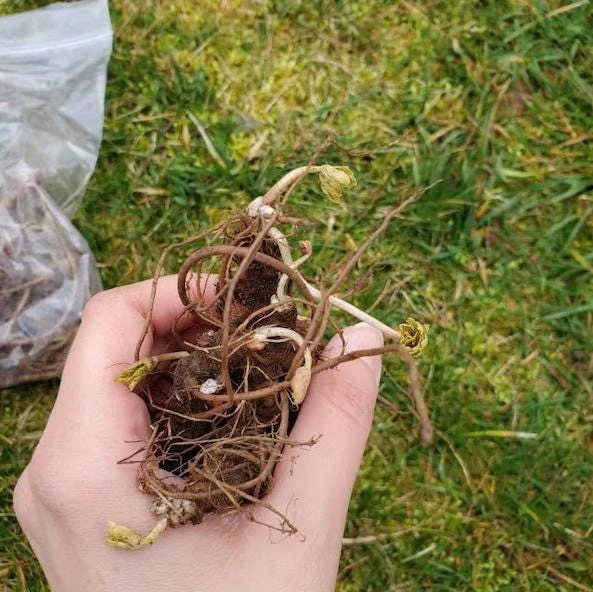
These bulbs are shipped in a dormant state, ensuring they are ready to be planted upon arrival in your garden. Expect to see foliage emerge in early spring, followed by the cheerful flowers. The plants are robust and will return year after year, establishing themselves as a reliable and beautiful component of your shade garden. Their moderate growth rate means they will quickly fill in spaces without becoming overly aggressive, maintaining a balanced ecosystem within your landscape. Enjoy the lasting beauty and ecological benefits these celandine poppy bulbs bring.
Frequently Asked Questions
- Q: How big do these Celandine Poppies get? A: Once mature, these plants typically reach a height of 12-18 inches and can spread similarly, forming lovely clumps of foliage and flowers. The Stylophorum lasiocarpum is a medium-sized perennial.
- Q: Is this an indoor or outdoor plant? A: Celandine Poppies are outdoor plants, specifically suited for woodland gardens, shaded borders, and naturalized areas. They thrive in the natural conditions of an outdoor environment.
- Q: How much sunlight do Celandine Poppies need? A: They prefer partial to full shade. Dappled sunlight or morning sun is ideal, with protection from harsh afternoon sun being crucial for their health and bloom longevity.
- Q: Is this plant easy to care for? A: Yes, Celandine Poppies are considered low-maintenance and easy to grow once established. They require consistent moisture and shade but are otherwise quite self-sufficient, making them excellent native woodland plants for beginners.
- Q: What condition will the bulbs arrive in? A: The celandine poppy bulbs will arrive in a dormant state, carefully packaged to ensure they are healthy and ready for planting in your garden.
- Q: When is the best time to plant Celandine Poppy bulbs? A: The best time to plant these bulbs is in the fall or early spring, allowing them to establish roots before the growing season. This ensures a robust display of yellow poppy bulbs.
- Q: Will Celandine Poppies survive winter in my zone? A: Celandine Poppies are hardy in USDA Zones 4-9, meaning they are well-equipped to survive winter in these regions and return reliably each spring.
- Q: Do these plants attract pollinators? A: Absolutely! The bright yellow flowers are very attractive to bees, butterflies, and other beneficial pollinators, making them a great choice for supporting local ecosystems.
- Q: What kind of soil do Celandine Poppies prefer? A: They thrive in rich, moist, and well-draining soil that is high in organic matter. Amending your soil with compost can greatly benefit their growth.
- Q: Can I grow Stylophorum lasiocarpum in containers? A: While primarily suited for in-ground planting, they can be grown in large containers provided they have adequate drainage, consistent moisture, and are placed in a shaded location.
Be the first to review “Set of 5 Celandine Poppy Bulbs – Stylophorum lasiocarpum – Yellow Native Woodland Poppies – Outdoor”
Related products


Flower Bulbs
Lily of the Valley Bare Roots – 5 Pack – Fragrant White Perennial Flower for Shade Garden


Flower Bulbs

You May Like

Hardneck vs. Softneck Garlic: Which Should You Grow?
Have you ever stood in front of a seed catalog in mid-September, staring at dozens [...]
Oct

When to Plant Music Garlic: Ultimate US Fall Guide
Have you ever spent your fall weekend placing carefully chosen garlic cloves into rich, dark [...]
1 Comment
Oct

5 Best Bulbs for Fall Planting: Brighten Your Garden This Spring
Are you dreaming of a garden full of vibrant colors in the spring? The key [...]
Aug

10 Houseplants That Will Thrive in Your Kitchen
Are you tired of your kitchen feeling dull and lifeless? Want to add a little [...]
1 Comment
Aug
Reviews
There are no reviews yet.