
Siberian Elm Tree Ulmus pumila Live Plant – 12-24″ Tall Starter, Quart Pot
Original price was: 95.99 $.70.99 $Current price is: 70.99 $.
Cultivate a robust landscape with a Siberian Elm Tree, also known as Ulmus pumila plant. This 12-24 inch starter plant, shipped bare root, offers extreme hardiness and resistance to Dutch elm disease, making it a great choice for a fast growing shade tree in diverse climates.
Estimated arrival
Oct 17
Oct 22 - Oct 24
Oct 24 - Oct 29
See our Shipping Policy.
Get in touch with us via email, and our team will review your concerns.
Our Alive & Thrive Guarantee covers issues with your plants within the first 30 days. Read our Refund & Returns Policy.
-
USDA Hardiness Zone
USDA Zones 3-9 -
Soil Type
Well-draining soil; adaptable to sandy, loamy, or clay -
Sunlight Exposure
Full sun -
Expected Planting Period
Early spring or late fall
Overview
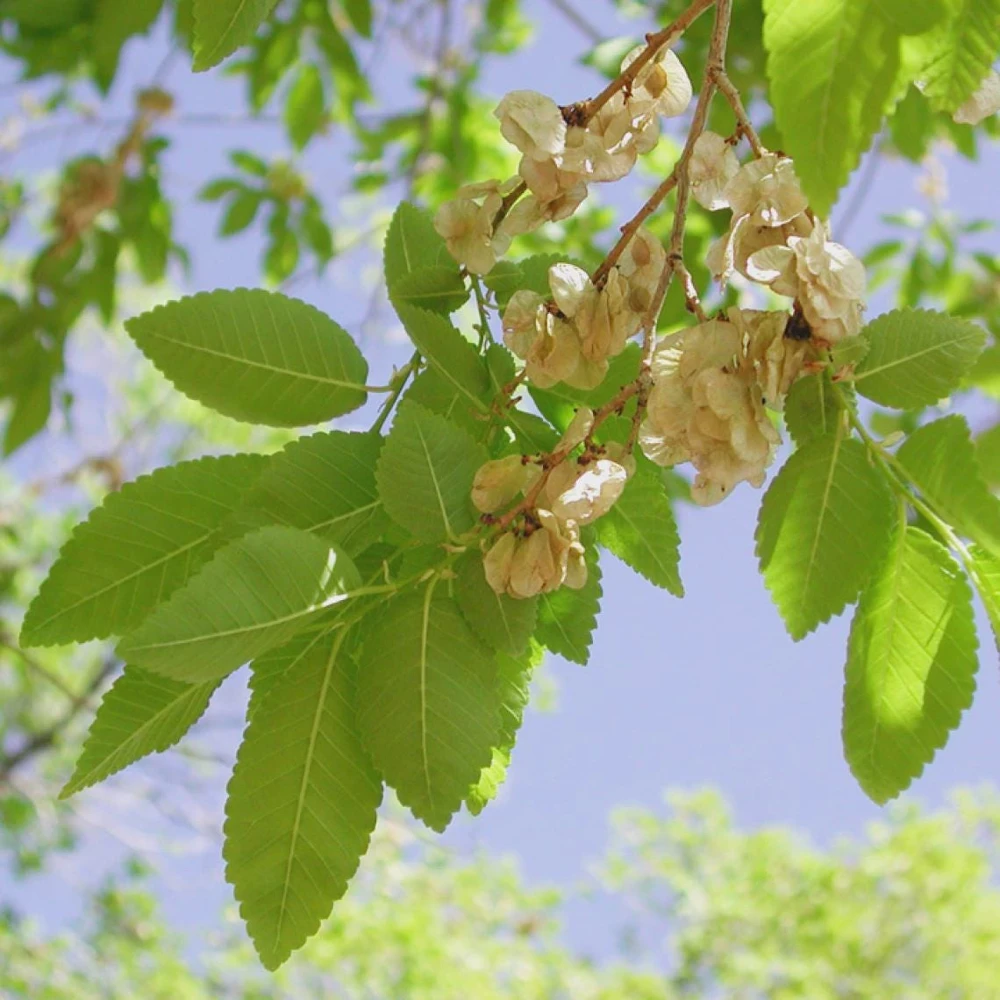
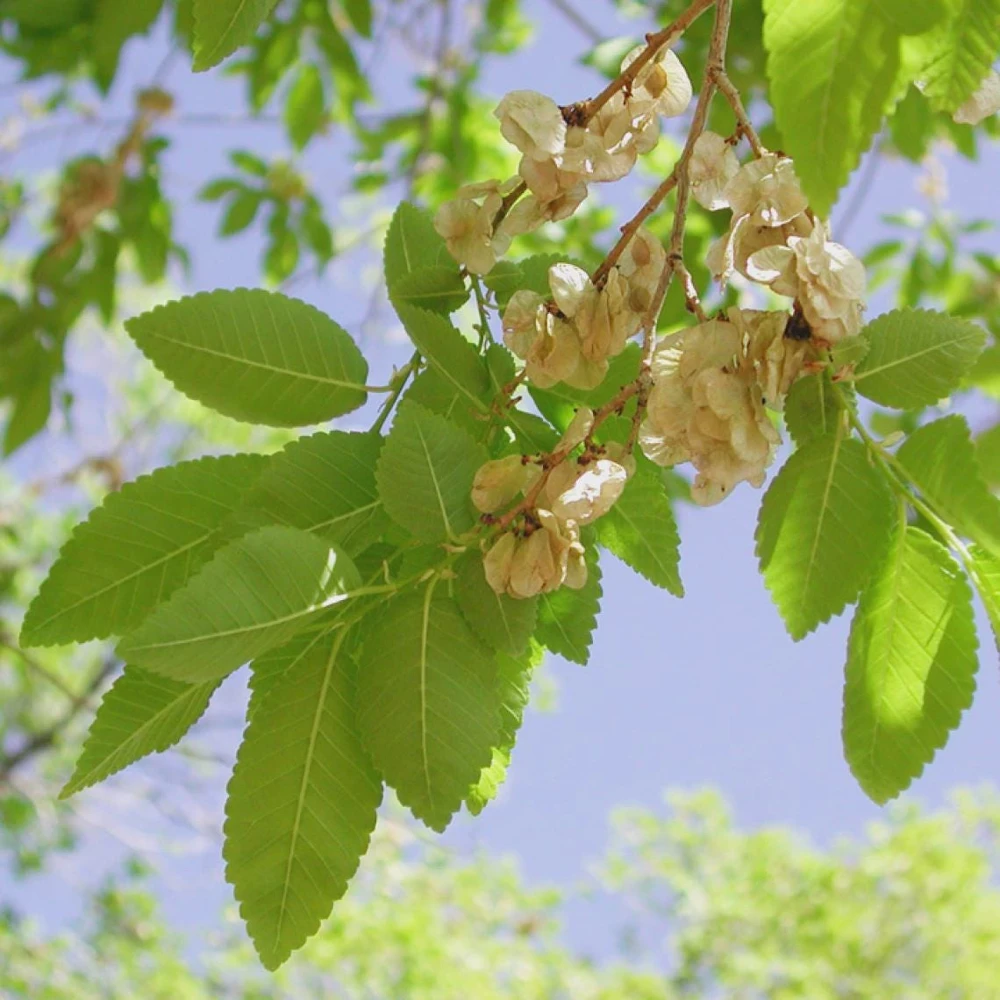
Introduce a piece of resilient nature into your landscape with this Siberian Elm Tree. Also known by its botanical name Ulmus pumila plant, or commonly as the dwarf or Asiatic elm, this offering is for one 12-24 inch starter plant. Originating from East Asia, the Siberian Elm Tree was introduced to the U.S. in the 1860s, primarily valued for its extreme hardiness and notable resistance to Dutch elm disease. This makes it an excellent choice for those seeking a durable and adaptable tree. As a deciduous tree, it provides seasonal interest and can quickly establish itself, offering significant growth in a relatively short period. Our starter plants are carefully prepared for shipping, ensuring they arrive ready for planting.
The Siberian Elm Tree is celebrated for its ability to thrive in a wide range of conditions, from arid to cold climates, showcasing its remarkable adaptability. This particular offering is a starter plant, typically shipped bare root from a quart pot, ensuring a healthy root system ready for transplantation. It’s an ideal option for gardeners and landscapers looking for a reliable, fast growing shade tree that can contribute to the aesthetic and ecological value of their property for years to come.
Key Benefits
The Siberian Elm Tree offers a multitude of benefits, making it a valuable addition to many landscapes. Its robust nature and rapid growth are just some of the reasons it’s a popular choice.
- Exceptional Hardiness: The Ulmus pumila plant is renowned for its ability to withstand harsh environmental conditions, including drought, extreme cold, and poor soil. This makes it a dependable choice for challenging planting sites.
- Disease Resistance: Unlike many other elm varieties, the Siberian Elm Tree exhibits strong resistance to Dutch elm disease, a major concern for elm enthusiasts. This provides peace of mind and reduces the need for extensive disease management.
- Rapid Growth Rate: If you’re looking for a fast growing shade tree, the Siberian Elm is an excellent contender. It quickly establishes itself and can reach mature heights relatively quickly, providing shade and visual interest sooner than many other tree species.
- Versatile Landscaping Use: Its adaptable nature means the dwarf elm tree can be used in various landscaping applications, from windbreaks and shelterbelts to specimen trees in larger yards. Its open, rounded crown offers a natural aesthetic.
- Erosion Control: Due to its strong root system, the Siberian Elm Tree is effective in preventing soil erosion, particularly on slopes or in areas prone to wind and water runoff.
- Wildlife Habitat: While often considered an invasive species in some areas, in controlled environments, the tree can provide shelter and food for various wildlife, contributing to local biodiversity.
- Low Maintenance: Once established, the Siberian Elm Tree requires minimal care, making it an ideal choice for gardeners who prefer a low-effort, high-impact plant.
Plant Care & Growing Tips
Caring for your Siberian Elm Tree is relatively straightforward, thanks to its hardy nature. When you receive your Ulmus pumila plant as a bare root starter, immediate planting is crucial. Dig a hole wide enough to accommodate the roots without bending them, and deep enough so the root collar is at soil level. Backfill with native soil, gently tamping down to remove air pockets, and water thoroughly. Ensure good drainage to prevent root rot. While the tree is adaptable, providing optimal conditions will encourage the best growth and health.
For sunlight, the Siberian Elm Tree thrives in full sun, meaning at least 6-8 hours of direct sunlight per day. It can tolerate partial shade but may not grow as vigorously. Regarding watering, young trees need consistent moisture to establish their root systems. Water deeply once or twice a week, especially during dry periods. Once established, the tree is quite drought-tolerant. It prefers well-draining soil but can tolerate a range of soil types, including sandy, loamy, and clay soils, as long as they are not waterlogged. The fast growing shade tree is highly adaptable to various pH levels.
The Siberian Elm Tree is incredibly cold-hardy, thriving in USDA zones 3-9. It can withstand temperatures well below freezing. Fertilization is generally not necessary for established trees in healthy soil, but a balanced, slow-release fertilizer can be applied in spring for young or struggling plants. Pruning should focus on removing dead, damaged, or crossing branches to maintain a strong structure. Due to its somewhat brittle branches, regular maintenance pruning can help prevent breakage during storms. Watch for common pests, though this species is known for its disease resistant elm qualities, particularly against Dutch elm disease.
Size & Details
This offering is for one Siberian Elm Tree, a live starter plant that typically measures between 12-24 inches tall upon arrival. It is shipped as a bare root plant, meaning the roots are exposed and free of soil, having been grown in a quart-sized pot before being prepared for shipment. This method ensures a robust root system is intact and ready for immediate planting upon receipt. The height provided is an average, and individual plants may vary slightly. The Ulmus pumila plant is known for its relatively fast growth rate, especially in favorable conditions, allowing it to quickly become a prominent feature in your landscape.
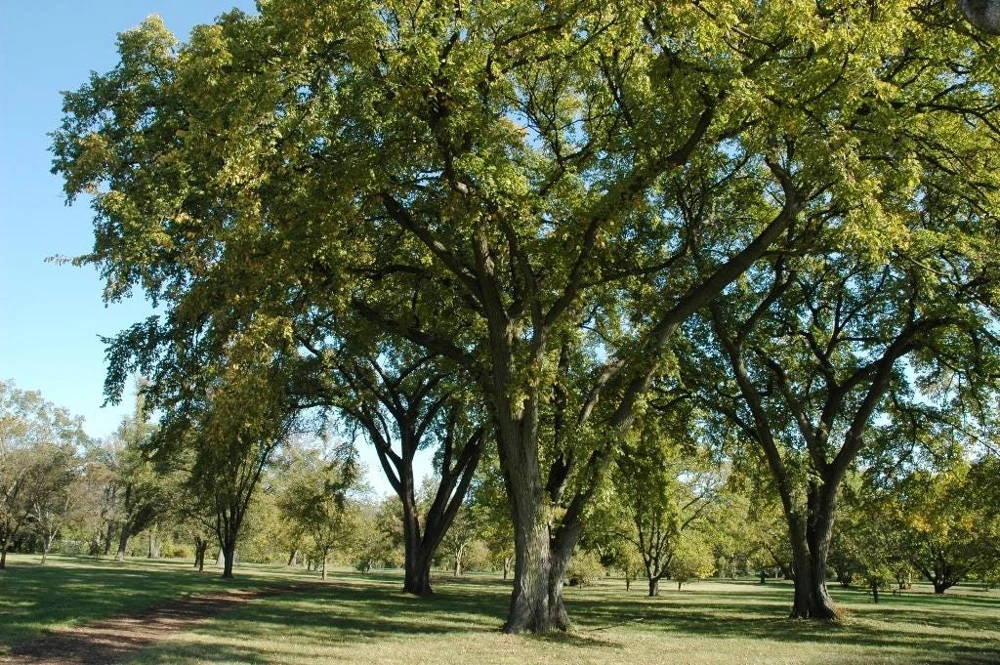
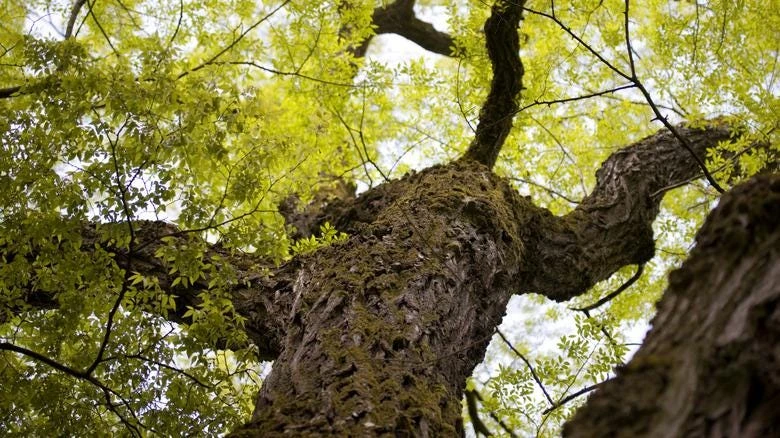
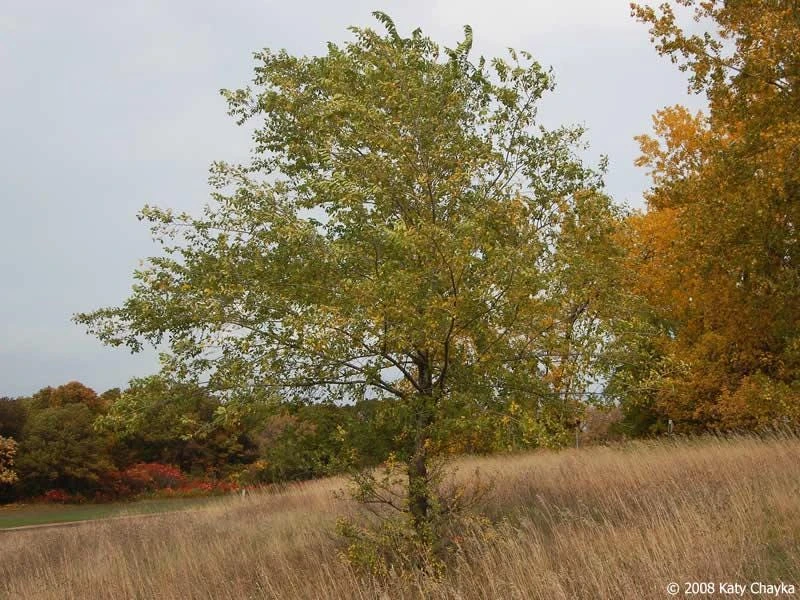
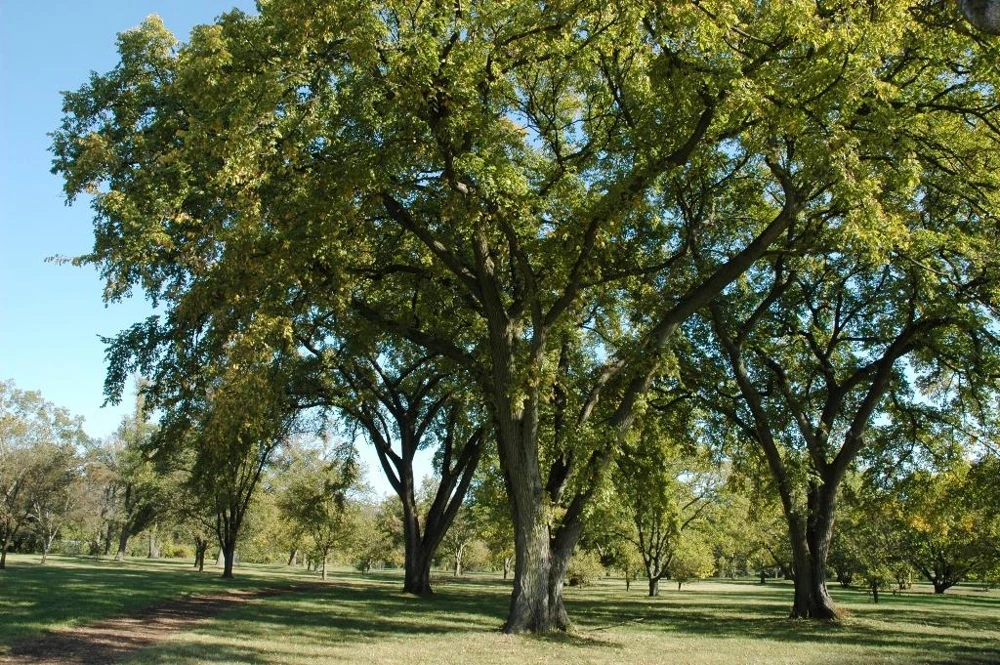
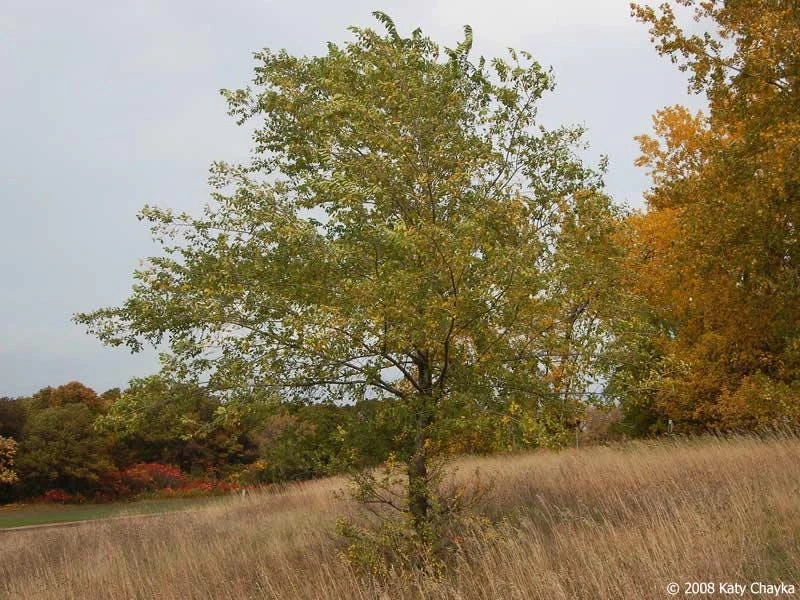
Mature Siberian Elm Tree specimens can reach impressive heights of 30-70 feet with an open, rounded crown, providing ample shade. The branches are slender and can be somewhat brittle, which is why proper placement and occasional pruning are beneficial. This starter plant is designed to give you a head start in growing a mature fast growing shade tree. It’s important to plant it as soon as possible after arrival to ensure successful establishment. With proper care, this dwarf elm tree will grow to its full potential, offering many years of beauty and ecological benefits.
Frequently Asked Questions
- Q: How big does this Siberian Elm Tree get? A: This starter plant will arrive 12-24 inches tall. Once mature, a Siberian Elm Tree can typically reach heights of 30-70 feet with a spread of 30-50 feet, forming an open, rounded crown.
- Q: What size pot does it come in? A: This Ulmus pumila plant is shipped bare root, meaning it will not arrive in a pot. It was previously grown in a quart-sized pot before being prepared for shipment to ensure a healthy root system.
- Q: Is this an indoor or outdoor plant? A: The Siberian Elm Tree is an outdoor plant. It is a large deciduous tree best suited for landscapes, providing shade and contributing to outdoor environments.
- Q: How much sunlight does it need? A: This fast growing shade tree thrives in full sun, requiring at least 6-8 hours of direct sunlight per day for optimal growth and health. It can tolerate partial shade but may grow slower.
- Q: Is this plant easy to care for? A: Yes, the Siberian Elm Tree is considered very easy to care for, especially once established. Its extreme hardiness and adaptability make it a low-maintenance choice, even for beginners.
- Q: What condition will it arrive in? A: Your Siberian Elm Tree will arrive as a bare root starter plant, carefully packaged to protect its root system during transit. It’s important to plant it promptly upon arrival.
- Q: Is the Siberian Elm Tree resistant to Dutch elm disease? A: Yes, one of the key benefits of the Ulmus pumila plant is its excellent resistance to Dutch elm disease, making it a more reliable choice compared to other elm varieties. This is a significant advantage for those seeking a disease resistant elm.
- Q: When is the best time to plant a dwarf elm tree? A: The best time to plant a bare root Siberian Elm Tree is in early spring or late fall when the tree is dormant. This allows the roots to establish before the stress of summer heat or winter cold.
- Q: Will it survive winter in my zone? A: The Siberian Elm Tree is extremely cold-hardy and is suitable for USDA Hardiness Zones 3-9, meaning it can withstand very cold winter temperatures in most parts of the US.
- Q: What type of soil does it prefer? A: While adaptable to many soil types, the Siberian Elm Tree prefers well-draining soil. It can tolerate sandy, loamy, or clay soils, but good drainage is essential for healthy root development.
Be the first to review “Siberian Elm Tree Ulmus pumila Live Plant – 12-24″ Tall Starter, Quart Pot”
Related products


You May Like

Hardneck vs. Softneck Garlic: Which Should You Grow?
Have you ever stood in front of a seed catalog in mid-September, staring at dozens [...]
Oct

When to Plant Music Garlic: Ultimate US Fall Guide
Have you ever spent your fall weekend placing carefully chosen garlic cloves into rich, dark [...]
1 Comment
Oct

5 Best Bulbs for Fall Planting: Brighten Your Garden This Spring
Are you dreaming of a garden full of vibrant colors in the spring? The key [...]
Aug

10 Houseplants That Will Thrive in Your Kitchen
Are you tired of your kitchen feeling dull and lifeless? Want to add a little [...]
1 Comment
Aug
Reviews
There are no reviews yet.