
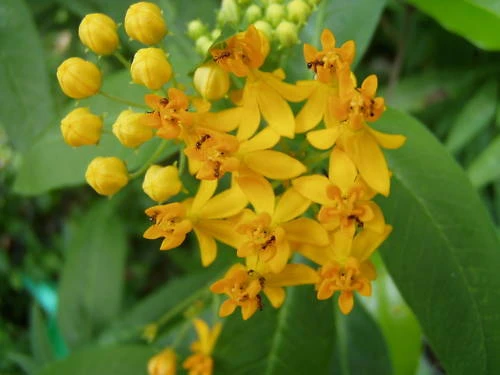
Silky Gold Milkweed Seeds – Asclepias curassavica – Monarch Host Plant – 10 Seeds
Original price was: 45.99 $.20.99 $Current price is: 20.99 $.
Cultivate vibrant silky gold milkweed seeds, an essential host plant for Monarch butterfly caterpillars. Attract pollinators and add brilliant color to your garden with this easy-to-grow perennial. Each packet contains 10 seeds ready for planting.
Estimated arrival
Oct 15
Oct 20 - Oct 22
Oct 22 - Oct 27
See our Shipping Policy.
Get in touch with us via email, and our team will review your concerns.
Our Alive & Thrive Guarantee covers issues with your plants within the first 30 days. Read our Refund & Returns Policy.
-
USDA Hardiness Zone
USDA Zones 9-11 (Perennial), 3-8 (Annual) -
Soil Type
Well-draining soil -
Sunlight Exposure
Full sun -
Expected Planting Period
Spring to early summer
Overview
Introduce the beauty and ecological importance of silky gold milkweed seeds to your garden. This packet contains 10 seeds of Asclepias curassavica, also known as Tropical Milkweed or Blood Flower, renowned for its striking golden-yellow and orange flowers. More than just an ornamental plant, silky gold milkweed seeds are crucial for the survival of Monarch butterflies, serving as the primary food source for their caterpillars. By planting these seeds, you contribute directly to Monarch conservation efforts, creating a vital habitat for these magnificent pollinators. These vibrant plants are easy to grow from seed and will quickly establish themselves, providing continuous blooms and a haven for butterflies throughout the growing season.
Asclepias curassavica seeds are an excellent choice for gardeners looking to support local wildlife while enhancing their outdoor spaces with bright, cheerful colors. The unique bicolored flowers attract not only Monarchs but also a variety of other beneficial insects, making your garden a lively and dynamic ecosystem. Whether you’re an experienced gardener or just starting, growing tropical milkweed seeds is a rewarding experience that yields both aesthetic pleasure and environmental benefits.
Key Benefits
Planting silky gold milkweed seeds offers a multitude of advantages for your garden and the environment:
- Monarch Butterfly Habitat: These plants are the sole host for Monarch butterfly caterpillars, providing essential food for their development. By growing monarch host plant seeds, you play a direct role in supporting the Monarch population.
- Vibrant Floral Display: Enjoy a continuous show of bright golden-yellow and orange flowers that add a tropical touch to any garden design, attracting attention from both humans and pollinators.
- Attracts Pollinators: Beyond Monarchs, the nectar-rich flowers are a magnet for various other butterflies, bees, and hummingbirds, boosting biodiversity in your outdoor space.
- Easy to Grow from Seed:Asclepias curassavica seeds are relatively simple to germinate and grow, making them suitable for gardeners of all skill levels.
- Drought Tolerant: Once established, these plants are quite resilient and can tolerate periods of drought, requiring less frequent watering than many other flowering plants.
- Perennial in Warm Climates: In warmer USDA zones, Silky Gold Milkweed acts as a perennial, returning year after year with minimal effort. In cooler zones, it can be grown as an annual.
- Low Maintenance: After initial establishment, these plants require minimal care, thriving with basic watering and occasional fertilization.
Plant Care & Growing Tips
Growing silky gold milkweed seeds successfully requires attention to a few key conditions. Start by stratifying the seeds if your climate requires it, though many commercial seeds are pre-treated. Sow the seeds indoors 6-8 weeks before the last frost or directly outdoors after all danger of frost has passed. Plant seeds about 1/4 inch deep in well-draining soil. Germination typically occurs within 10-21 days.
Sunlight requirements:Asclepias curassavica seeds thrive in full sun, needing at least 6-8 hours of direct sunlight per day to produce the most abundant blooms and healthiest growth. Partial shade might be tolerated in very hot climates, but full sun is ideal. Watering schedule and soil moisture preferences: Keep the soil consistently moist but not waterlogged during germination and early growth. Once established, milkweed is moderately drought-tolerant, but regular watering during dry spells will promote better flowering. Allow the top inch or two of soil to dry out between waterings. Soil type and drainage requirements: These plants prefer well-draining soil and are not overly particular about soil pH, tolerating a range from slightly acidic to slightly alkaline. A sandy loam or a mix with good organic content works well. Good drainage is crucial to prevent root rot. Temperature range and USDA hardiness zone: Tropical Milkweed is hardy in USDA Zones 9-11 as a perennial, where it can survive mild winters. In cooler zones (3-8), it is typically grown as an annual, though it often self-seeds. It prefers warm temperatures for optimal growth. Fertilization schedule and type: Milkweed generally doesn’t require heavy fertilization. A balanced, all-purpose fertilizer applied once in early spring or mid-summer is usually sufficient. Avoid excessive nitrogen, which can lead to lush foliage at the expense of flowers. Common problems and solutions: Watch out for aphids, which can be common on milkweed. A strong spray of water or insecticidal soap can manage them. Ensure proper air circulation to prevent fungal issues.
Size & Details
These silky gold milkweed seeds will grow into robust plants, typically reaching a height of 2-4 feet and a similar spread, forming bushy clumps. Each seed packet contains 10 seeds, providing a good start for a butterfly garden. The plants produce clusters of small, vibrant golden-yellow and orange flowers from early summer until the first frost, offering a long blooming period. The leaves are lance-shaped and dark green, providing excellent foliage for caterpillars. Growth rate is moderate to fast, with plants often flowering in their first year from seed. The seeds are shipped in a protective packet, ready for planting. Expect to see significant growth and flowering within 3-4 months of successful germination, transforming your garden into a haven for Monarchs and other pollinators.
The mature plants will develop distinctive seed pods after flowering, which will eventually split open to release new seeds, allowing for natural reseeding in favorable conditions. This makes them a sustainable choice for your garden, ensuring a continuous supply of gold milkweed for butterflies year after year if conditions allow. The compact size makes them suitable for various garden settings, from dedicated butterfly gardens to mixed borders and even larger containers, providing flexibility for different gardening styles.
Frequently Asked Questions
- Q: How big does this plant get? A: Silky gold milkweed typically grows to a height of 2 to 4 feet and can spread similarly, forming an attractive bushy plant. Its size makes it versatile for various garden spaces.
- Q: Is this an indoor or outdoor plant? A: Asclepias curassavica seeds are primarily grown outdoors. While it can be started indoors, it thrives best in an outdoor garden setting with plenty of sunlight.
- Q: How much sunlight does it need? A: For optimal growth and flowering, this milkweed requires full sun, meaning at least 6-8 hours of direct sunlight per day. Adequate sun ensures vibrant blooms.
- Q: Is this plant easy to care for? A: Yes, tropical milkweed seeds are considered relatively easy to grow. Once established, they are quite hardy and require minimal maintenance, making them suitable for beginners.
- Q: What condition will the seeds arrive in? A: Your silky gold milkweed seeds will arrive in a protective packet, ensuring they are fresh and ready for planting. We take care to package them securely for transit.
- Q: How long until it blooms? A: From planting monarch host plant seeds, you can typically expect your milkweed to begin flowering within 3-4 months, providing beautiful blooms throughout the summer and fall.
- Q: Can these seeds be started indoors? A: Yes, you can start these asclepias curassavica seeds indoors 6-8 weeks before the last expected frost date, then transplant them outdoors once the weather warms.
- Q: Will it survive winter in my zone? A: Silky gold milkweed is perennial in USDA Zones 9-11. In colder zones (3-8), it is usually grown as an annual, though it often self-seeds for the following year.
- Q: Why is this plant important for butterflies? A: This specific milkweed is a crucial monarch host plant seeds, meaning Monarch butterfly caterpillars feed exclusively on its leaves. Planting it directly supports the Monarch life cycle.
- Q: What is the best time to plant these seeds? A: The best time to plant gold milkweed for butterflies is after the last frost date in spring for direct sowing, or indoors 6-8 weeks before that for an earlier start to the season.
Be the first to review “Silky Gold Milkweed Seeds – Asclepias curassavica – Monarch Host Plant – 10 Seeds”
Related products


You May Like

Hardneck vs. Softneck Garlic: Which Should You Grow?
Have you ever stood in front of a seed catalog in mid-September, staring at dozens [...]
Oct

When to Plant Music Garlic: Ultimate US Fall Guide
Have you ever spent your fall weekend placing carefully chosen garlic cloves into rich, dark [...]
1 Comment
Oct

5 Best Bulbs for Fall Planting: Brighten Your Garden This Spring
Are you dreaming of a garden full of vibrant colors in the spring? The key [...]
Aug

10 Houseplants That Will Thrive in Your Kitchen
Are you tired of your kitchen feeling dull and lifeless? Want to add a little [...]
1 Comment
Aug
Reviews
There are no reviews yet.