
Snowball Viburnum Live Plant – Highbush Cranberry Shrub, 4-12″ Tall, 4″ Pot, Zones 3-9
Original price was: 39.91 $.19.91 $Current price is: 19.91 $.
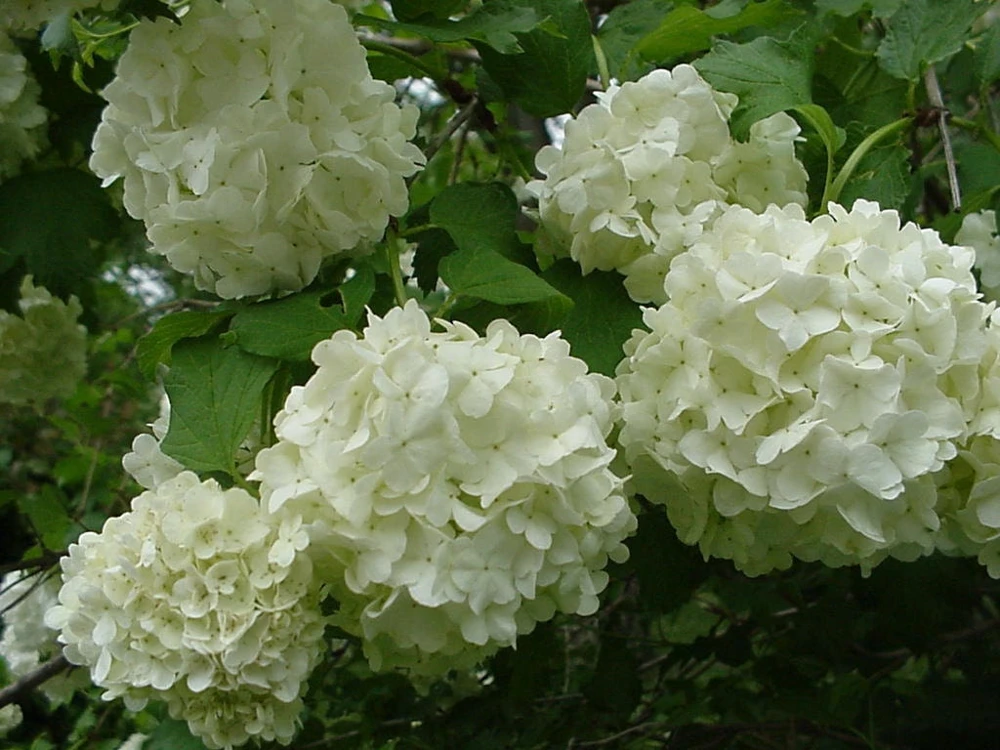
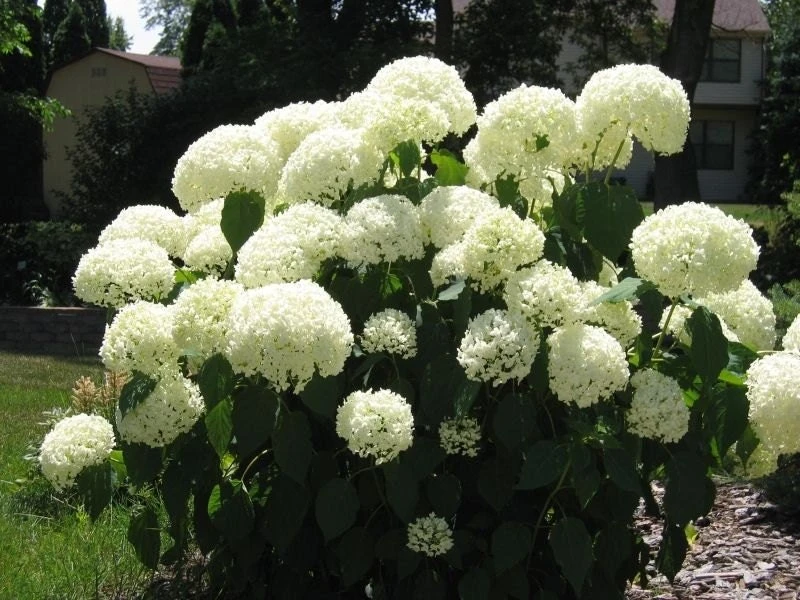
Enhance your garden with the stunning Snowball Viburnum live plant, also known as Highbush Cranberry. This deciduous shrub boasts spectacular white, ball-like flowers in spring and vibrant purplish-red fall foliage. Ideal for creating a beautiful flowering hedge or as a standalone specimen.
Estimated arrival
Oct 15
Oct 20 - Oct 22
Oct 22 - Oct 27
See our Shipping Policy.
Get in touch with us via email, and our team will review your concerns.
Our Alive & Thrive Guarantee covers issues with your plants within the first 30 days. Read our Refund & Returns Policy.
-
USDA Hardiness Zone
3-9 -
Soil Type
Average, well-draining soil -
Sunlight Exposure
Full sun to partial shade -
Expected Planting Period
Spring to early summer or early fall
Overview
Introduce a touch of timeless elegance to your landscape with the Snowball Viburnum live plant, scientifically known as Viburnum Tribolum. This captivating highbush cranberry shrub is renowned for its abundant, spherical clusters of pure white flowers that blanket the plant from top to bottom in late spring, creating a truly spectacular display. Beyond its show-stopping blooms, the Snowball Viburnum live plant offers year-round interest with its bright green foliage that transforms into a rich purplish-red hue in the fall before shedding, adding seasonal color to your garden. This densely branched, vigorous shrub is a classic choice for gardeners seeking a reliable and visually appealing addition to their outdoor spaces.
The Old Fashion Snowball Viburnum is a highly adaptable and robust plant, making it an excellent selection for various garden designs. Its vigorous growth and dense habit make it particularly well-suited for creating impactful privacy screens or beautiful flowering hedges. Whether you’re a seasoned gardener or just starting, this plant provides immense satisfaction with its relatively low maintenance requirements and high reward in terms of beauty. Its common name, Highbush Cranberry, sometimes refers to other Viburnum species, but this particular variety is celebrated for its sterile, snowball-like flowers, which are the main attraction.
Key Benefits
The Snowball Viburnum live plant offers a multitude of benefits that make it a favorite among landscape designers and home gardeners alike:
- Spectacular Spring Blooms: Enjoy an explosion of large, pure white, ball-shaped flower clusters that completely cover the shrub in late spring, creating a breathtaking visual impact. These sterile flowers are long-lasting and make an excellent focal point.
- Vibrant Fall Color: The bright green foliage transitions to a stunning purplish-red in autumn, adding a rich tapestry of color to your garden before the leaves drop for winter. This extends the plant’s ornamental value beyond its flowering season.
- Excellent for Hedges: Its dense, upright growth habit makes it an ideal choice for creating privacy screens, property line demarcation, or a beautiful, flowering hedge plant. It can be easily pruned to maintain desired size and shape.
- Hardy and Adaptable: This robust shrub is highly adaptable to various soil conditions and is remarkably cold-hardy, thriving in USDA Zones 3-9. This wide hardiness range ensures it can be grown successfully across many climates.
- Low Maintenance: Once established, the Snowball Viburnum live plant requires minimal care, making it perfect for busy gardeners. It tolerates average soil and moderate watering, thriving with basic attention.
- Attracts Pollinators (Indirectly): While the flowers are sterile and don’t produce pollen or nectar directly, the dense foliage and structure can provide shelter for beneficial insects and birds, contributing to garden biodiversity.
- Versatile Landscape Use: Beyond hedges, it can be used as a striking specimen plant, in mixed borders, or to add structure and seasonal interest to larger garden beds. Understanding Viburnum care guide ensures optimal growth.
Plant Care & Growing Tips
Caring for your Snowball Viburnum live plant is straightforward, ensuring years of beautiful blooms and foliage. This shrub thrives in full sun, meaning it needs at least 6 hours of direct sunlight per day to produce the most abundant flowers. While it can tolerate partial shade, flowering may be reduced. When planting, choose a location with average, well-draining soil. Although adaptable, it prefers consistently moist, but not waterlogged, conditions. Good drainage is crucial to prevent root rot.
Watering should be consistent, especially during dry spells and in its first year of establishment. Aim to keep the soil evenly moist, but allow the top inch or two to dry out between waterings. Overwatering can be detrimental. Fertilization is generally not heavily required; a balanced, slow-release fertilizer in early spring can promote vigorous growth and flowering. Pruning should be done after the plant has finished flowering in late spring or early summer. This allows the plant to set new flower buds for the following year. You can prune to maintain its size, remove dead or damaged branches, or shape it as a flowering hedge plant. This particular Highbush Cranberry shrub is quite resilient to common pests and diseases, making it a relatively trouble-free addition to your garden. Ensure good air circulation to prevent fungal issues.
Understanding the specific needs of Viburnum Tribolum will help you achieve the best results. While generally robust, monitoring for signs of stress or disease, such as wilting leaves or unusual spots, can help address issues promptly. Proper siting and initial care are key to a thriving plant. This plant is known for its hardiness, so it’s a great choice for various climates, as long as it’s within its USDA hardiness zones.
Size & Details
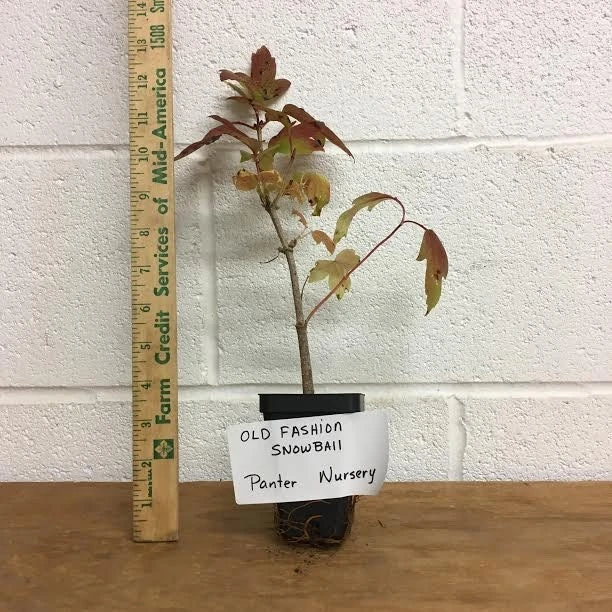
This offering is for one Snowball Viburnum live plant, shipped in a 4-inch pot. The plants typically range from 4 to 12 inches in height upon arrival, ready for planting in your garden or a larger container. The Old Fashion Snowball Viburnum is a fast-growing deciduous shrub that can reach a mature height of 8-10 feet and a similar spread if left unpruned. However, it responds very well to pruning and can be easily maintained at a smaller size for compact yards or specific landscaping needs. It is shipped as a well-rooted, actively growing plant, ensuring a strong start in its new environment. Expect this shrub to establish quickly and begin producing its characteristic white blooms within a few seasons, with increasing vigor each year. The dense branching makes it an excellent choice for a substantial, natural screen.
Frequently Asked Questions
- Q: How big does this Snowball Viburnum get? A: The Snowball Viburnum live plant can reach a mature height of 8-10 feet and a similar spread if unpruned. However, it is very responsive to pruning and can be kept smaller to suit your garden space or as a specific flowering hedge plant.
- Q: What size pot does it come in? A: Each Snowball Viburnum live plant is shipped in a 4-inch nursery pot, with a height of 4-12 inches, providing a healthy start for your garden.
- Q: Is this an indoor or outdoor plant? A: The Snowball Viburnum live plant is an outdoor shrub, perfectly hardy for garden planting. It is not suitable for long-term indoor cultivation.
- Q: How much sunlight does it need? A: This shrub thrives in full sun, requiring at least 6 hours of direct sunlight per day for optimal growth and flowering. It can tolerate partial shade, but blooming may be less prolific.
- Q: Is this plant easy to care for? A: Yes, the Snowball Viburnum live plant is considered low-maintenance once established. It tolerates average soil and requires consistent watering, especially during dry periods, making it suitable for gardeners of all skill levels. For more details, refer to a comprehensive Viburnum care guide.
- Q: What condition will it arrive in? A: Your plant will arrive in a 4-inch pot, well-rooted and actively growing, securely packaged to minimize stress during transit. Some minor leaf drop or soil displacement may occur but is normal.
- Q: When is the best time to plant Snowball Viburnum? A: The ideal time to plant your Snowball Viburnum live plant is in spring or early fall, allowing the plant sufficient time to establish its root system before extreme weather conditions.
- Q: Will it survive winter in my zone? A: This Highbush Cranberry shrub is hardy in USDA Zones 3-9, indicating it can tolerate a wide range of winter temperatures within these zones. It is a deciduous plant, so it will lose its leaves in colder months.
- Q: Does this plant produce berries? A: The Old Fashion Snowball Viburnum (Viburnum Tribolum) primarily features sterile flowers, meaning they do not typically produce berries. Its ornamental value comes from its spectacular white flower clusters and fall foliage.
- Q: How often should I water my newly planted Viburnum? A: For newly planted Viburnum, water regularly to keep the soil consistently moist, especially during its first growing season. Reduce watering frequency once established, allowing the top soil to dry slightly between waterings.
Be the first to review “Snowball Viburnum Live Plant – Highbush Cranberry Shrub, 4-12″ Tall, 4″ Pot, Zones 3-9”
Related products


You May Like

Hardneck vs. Softneck Garlic: Which Should You Grow?
Have you ever stood in front of a seed catalog in mid-September, staring at dozens [...]
Oct

When to Plant Music Garlic: Ultimate US Fall Guide
Have you ever spent your fall weekend placing carefully chosen garlic cloves into rich, dark [...]
1 Comment
Oct

5 Best Bulbs for Fall Planting: Brighten Your Garden This Spring
Are you dreaming of a garden full of vibrant colors in the spring? The key [...]
Aug

10 Houseplants That Will Thrive in Your Kitchen
Are you tired of your kitchen feeling dull and lifeless? Want to add a little [...]
1 Comment
Aug
Reviews
There are no reviews yet.