
Styphnolobium Sophora japonica Pagoda tree 5 seeds
Original price was: 52.99 $.27.99 $Current price is: 27.99 $.
Estimated arrival
Oct 15
Oct 20 - Oct 22
Oct 22 - Oct 27
See our Shipping Policy.
Get in touch with us via email, and our team will review your concerns.
Our Alive & Thrive Guarantee covers issues with your plants within the first 30 days. Read our Refund & Returns Policy.
“`json { “meta_title”: “Sophora japonica Pagoda Tree Seeds – 5 Seeds for Planting”, “google_title”: “Sophora japonica Pagoda Tree Seeds – 5 Seeds, Deciduous Tree”, “meta_description”: “Grow a beautiful Sophora japonica Pagoda tree from these 5 high-quality seeds. Perfect for landscaping, offering shade and elegant blooms.”, “meta_focus_keyword”: “Sophora japonica Pagoda tree seeds, Pagoda tree seeds, Japanese Pagoda tree seeds, grow Pagoda tree, Styphnolobium japonicum seeds”, “categories”: “Tree Seeds”, “google_product_category_path”: “Home & Garden> Plants> Seeds> Seeds & Seed Tape”, “google_product_category_id”: “unknown”, “short_description”: “
Cultivate the majestic Sophora japonica Pagoda tree with this pack of 5 seeds. Known for its graceful form and late summer flowers, this deciduous tree is an excellent addition to any landscape, providing ample shade and ornamental beauty. Begin your journey to growing a stunning Pagoda tree today.
“, “long_description”: “
Overview
n
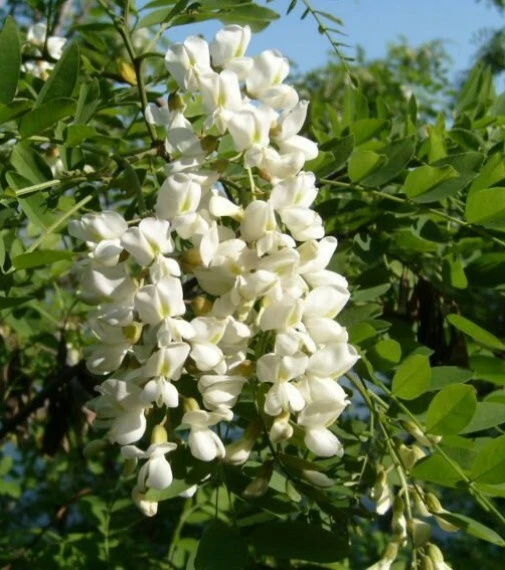
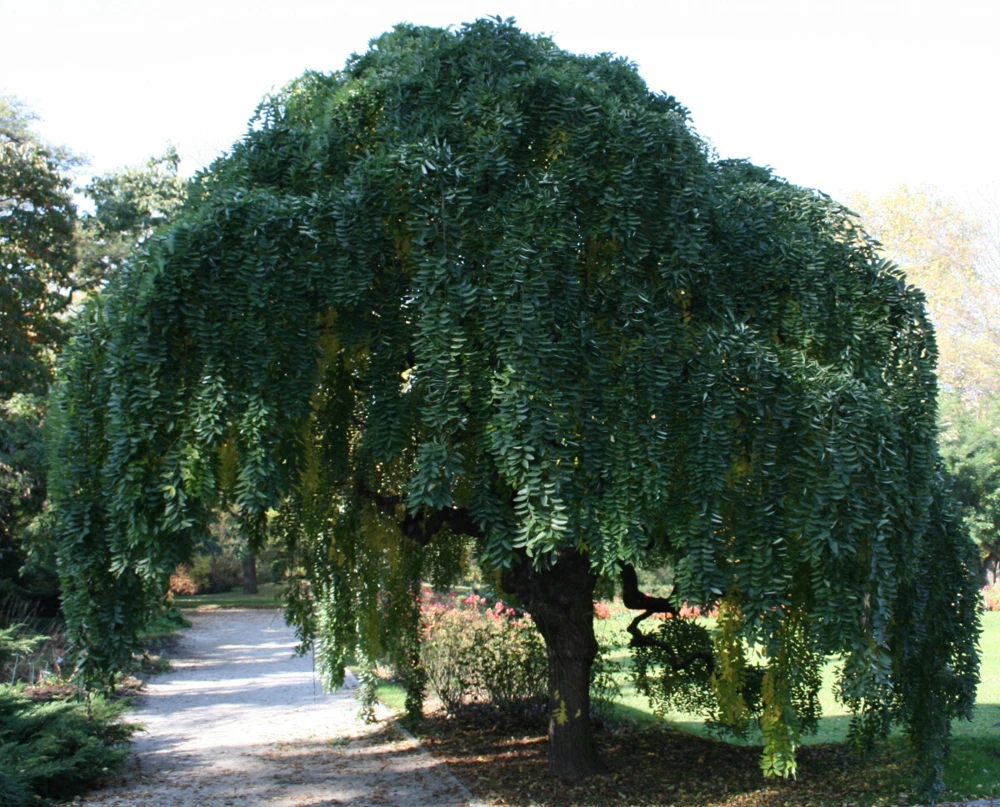
Embark on the rewarding journey of growing a magnificent shade tree with these premium Sophora japonica Pagoda tree seeds. Also widely known as the Japanese Pagoda Tree or Scholar Tree, this deciduous species is celebrated for its elegant, spreading canopy, attractive foliage, and striking creamy white flowers that bloom in late summer when few other trees are in flower. Originating from East Asia, the Pagoda tree seeds offer an opportunity to cultivate a long-lived and resilient specimen that will enhance your garden or landscape for decades. These seeds provide a cost-effective and engaging way to introduce this stately tree’s beauty and ecological benefits into your outdoor space, making it a perfect choice for those who enjoy nurturing plants from their earliest stages.
n
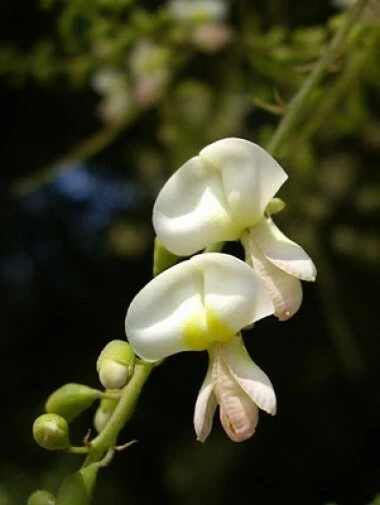
The Styphnolobium japonicum seeds are collected from healthy, mature trees to ensure viability and robust growth. The Sophora japonica Pagoda tree is a versatile plant, adaptable to various soil conditions and urban environments once established. Its ability to thrive in challenging conditions makes it a popular choice for street plantings and parks, as well as private gardens. With its distinctive pea-like flowers followed by interesting seed pods, it offers year-round visual interest. Growing from seed allows you to witness the entire life cycle of this impressive tree, fostering a deeper connection with nature and providing a truly unique gardening experience.
n
Key Benefits
n
Cultivating the Sophora japonica Pagoda tree from seed offers numerous advantages for both the gardener and the environment. This tree is not only a beautiful addition but also a practical one, providing significant benefits for any landscape:
n
- n
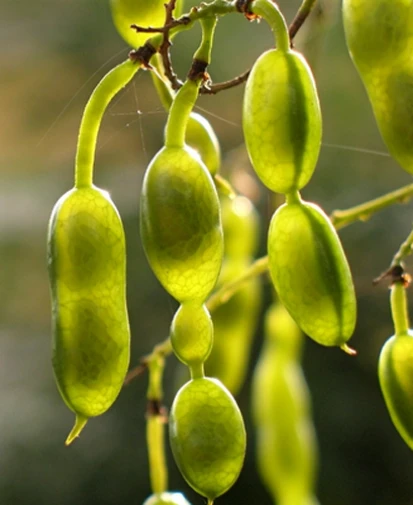
- Stunning Ornamental Value: The Pagoda tree boasts an attractive, rounded canopy and delicate, dark green foliage that provides excellent shade. Its late summer clusters of fragrant, creamy-white flowers are a spectacular sight, offering visual appeal when most other trees have finished blooming. The unique seed pods add further interest in fall and winter.
- Excellent Shade Provider: With its broad, spreading growth habit, the Sophora japonica Pagoda tree matures into a magnificent shade tree, perfect for cooling your home or creating comfortable outdoor living spaces during hot summer months.
- Urban Tolerant and Resilient: This tree is remarkably tolerant of urban pollution, drought, and a variety of soil conditions, making it an ideal choice for city gardens, street plantings, and areas where other trees might struggle. It’s a robust and low-maintenance option once established.
- Late Season Blooms: The profusion of white flowers in late summer provides a valuable nectar source for pollinators, such as bees, at a time when many other flowering plants are winding down. This contributes to local biodiversity and supports beneficial insects.
- Long-Lived and Stately: A mature Sophora japonica Pagoda tree can live for hundreds of years, becoming a lasting legacy in your landscape. Its stately presence adds a sense of grandeur and permanence to any setting.
- Adaptable to Various Landscapes: Whether planted as a specimen tree, part of a mixed border, or along a driveway, the Japanese Pagoda tree integrates seamlessly into diverse landscape designs, enhancing aesthetic appeal with its natural grace.
- Easy to grow Pagoda tree from seed, offering a rewarding experience for gardening enthusiasts.
n
n
n
n
n
n
n
Plant Care & Growing Tips
n
To successfully grow Pagoda tree from these Sophora japonica Pagoda tree seeds, some preparation and care are essential. Begin by stratifying the seeds. This process mimics natural winter conditions, breaking dormancy and encouraging germination. You can achieve this by scarifying the seeds (gently nicking or sanding the hard outer shell) and then cold stratifying them. Place the scarified seeds in a moist medium like sand or peat moss, seal them in a plastic bag, and refrigerate for 60-90 days. After stratification, soak the seeds in warm water for 24 hours just before planting to further aid germination.
n
Plant the prepared Sophora japonica Pagoda tree seeds in a well-draining potting mix. A good general-purpose seed-starting mix is usually sufficient. Plant seeds about 1/2 inch deep and keep the soil consistently moist but not waterlogged. Germination can be variable, taking anywhere from a few weeks to several months, so patience is key. Provide bright, indirect light for your seedlings. Once seedlings are strong enough to handle, transplant them into individual pots and gradually acclimate them to outdoor conditions before planting them in their permanent location.
n
For mature trees, the Sophora japonica Pagoda tree prefers full sun (at least 6 hours of direct sunlight per day) but can tolerate partial shade. It is adaptable to a wide range of soil types, including clay, loam, and sandy soils, as long as they are well-draining. Once established, it is highly drought-tolerant, requiring minimal watering. Young trees will benefit from regular watering during dry spells to encourage strong root development. Fertilization is generally not necessary in rich soils, but a balanced, slow-release fertilizer can be applied in spring if growth appears sluggish. The Japanese Pagoda tree seeds will eventually yield a tree hardy in USDA zones 4-8. Pruning is best done in late winter or early spring to remove dead or crossing branches and to shape the tree. Look out for common pests like borers and canker, though the tree is generally quite resistant. Regular inspection and good cultural practices will help maintain a healthy Styphnolobium japonicum seeds grown tree.
n
Size & Details
n
This package contains 5 seeds of the Sophora japonica Pagoda tree, providing you with multiple opportunities to cultivate this magnificent specimen. Once established, the Pagoda tree is a medium to large deciduous tree, typically reaching heights of 30 to 50 feet with a similar spread, though some older specimens can grow even larger. Its growth rate is moderate, usually adding 12-18 inches in height per year under ideal conditions. The tree develops a broad, rounded canopy that provides significant shade.
n
The seeds are ready for stratification and planting to begin their journey into a stately landscape feature. The mature tree will feature attractive pinnate leaves, dark green throughout the growing season, and will produce abundant clusters of creamy-white, pea-like flowers in late summer, followed by distinctive string-bean-like seed pods that persist into winter, offering continued visual interest.
n
Frequently Asked Questions
n
- n
- Q: How big does the Sophora japonica Pagoda tree get? A: A mature Sophora japonica Pagoda tree typically reaches heights of 30 to 50 feet with a similar spread, forming a broad, rounded canopy. Some very old specimens can grow even larger under optimal conditions.
- Q: Is this an indoor or outdoor plant? A: The Sophora japonica Pagoda tree is an outdoor deciduous tree. While seedlings can be started indoors, the tree requires outdoor conditions to thrive and reach its full mature size.
- Q: How much sunlight does the Pagoda tree need? A: This tree prefers full sun, meaning at least 6 hours of direct sunlight per day, for optimal growth and flowering. It can tolerate partial shade, but flowering may be less prolific.
- Q: Is the Pagoda tree easy to care for? A: Once established, the Sophora japonica Pagoda tree is considered a low-maintenance and resilient tree, tolerant of drought and urban conditions. The initial stages of growing from Pagoda tree seeds require some attention to stratification and consistent moisture.
- Q: When is the best time to plant Sophora japonica Pagoda tree seeds? A: After cold stratification, the best time to plant the seeds is in early spring once the danger of hard frost has passed. This allows the seedlings to establish themselves during the growing season.
- Q: What condition will the Sophora japonica Pagoda tree seeds arrive in? A: The seeds will arrive in a dry, dormant state, ready for you to begin the stratification process to encourage germination. They are typically packaged to ensure their viability during transit.
- Q: Will the Pagoda tree survive winter in my zone? A: The Sophora japonica Pagoda tree is hardy in USDA Zones 4-8, meaning it can tolerate winter temperatures in these regions. Ensure you are planting within these zones for successful long-term growth.
- Q: What type of soil does the Japanese Pagoda tree prefer? A: The Japanese Pagoda tree is adaptable to a wide range of soil types, including clay, loam, and sandy soils, as long as they are well-draining. It does not tolerate consistently wet or waterlogged conditions.
- Q: How long does it take for Styphnolobium japonicum seeds to germinate? A: Germination times for Styphnolobium japonicum seeds can vary significantly, often taking several weeks to a few months even after proper stratification. Patience and consistent moisture are key during this period.
- Q: What are the main uses for a Sophora japonica Pagoda tree? A: The Sophora japonica Pagoda tree is primarily used as an ornamental shade tree in landscapes, parks, and urban settings due to its attractive form, late summer blooms, and resilience.
n
n
n
n
n
n
n
n
n
n
“, “key_features”: { “usda_zone”: “USDA zones 4-8”, “soil_type”: “Well-draining soil, adaptable to various types”, “sunlight_exposure”: “Full sun to partial shade”, “expected_planting_period”: “Early spring after stratification” } } “`
Be the first to review “Styphnolobium Sophora japonica Pagoda tree 5 seeds”
Related products


You May Like

Hardneck vs. Softneck Garlic: Which Should You Grow?
Have you ever stood in front of a seed catalog in mid-September, staring at dozens [...]
Oct

When to Plant Music Garlic: Ultimate US Fall Guide
Have you ever spent your fall weekend placing carefully chosen garlic cloves into rich, dark [...]
1 Comment
Oct

5 Best Bulbs for Fall Planting: Brighten Your Garden This Spring
Are you dreaming of a garden full of vibrant colors in the spring? The key [...]
Aug

10 Houseplants That Will Thrive in Your Kitchen
Are you tired of your kitchen feeling dull and lifeless? Want to add a little [...]
1 Comment
Aug
Reviews
There are no reviews yet.