
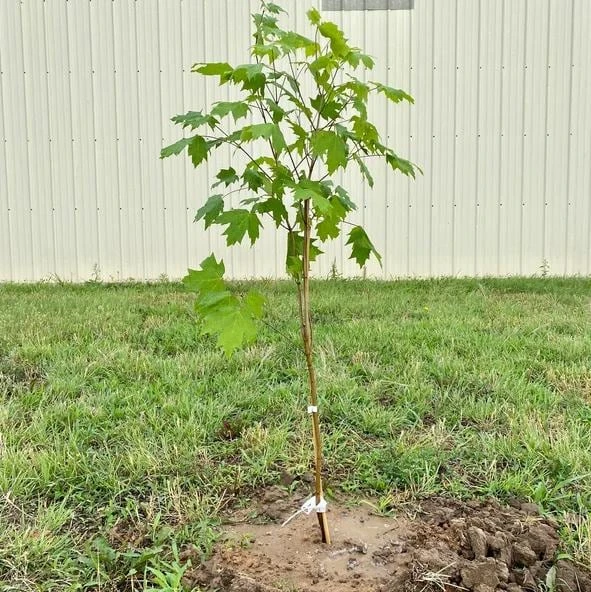
Sugar Maple Tree Live Plant – 1 Gallon Pot, 1.5-2.5 Ft Tall, Hardy Shade Tree
Original price was: 46.99 $.34.99 $Current price is: 34.99 $.
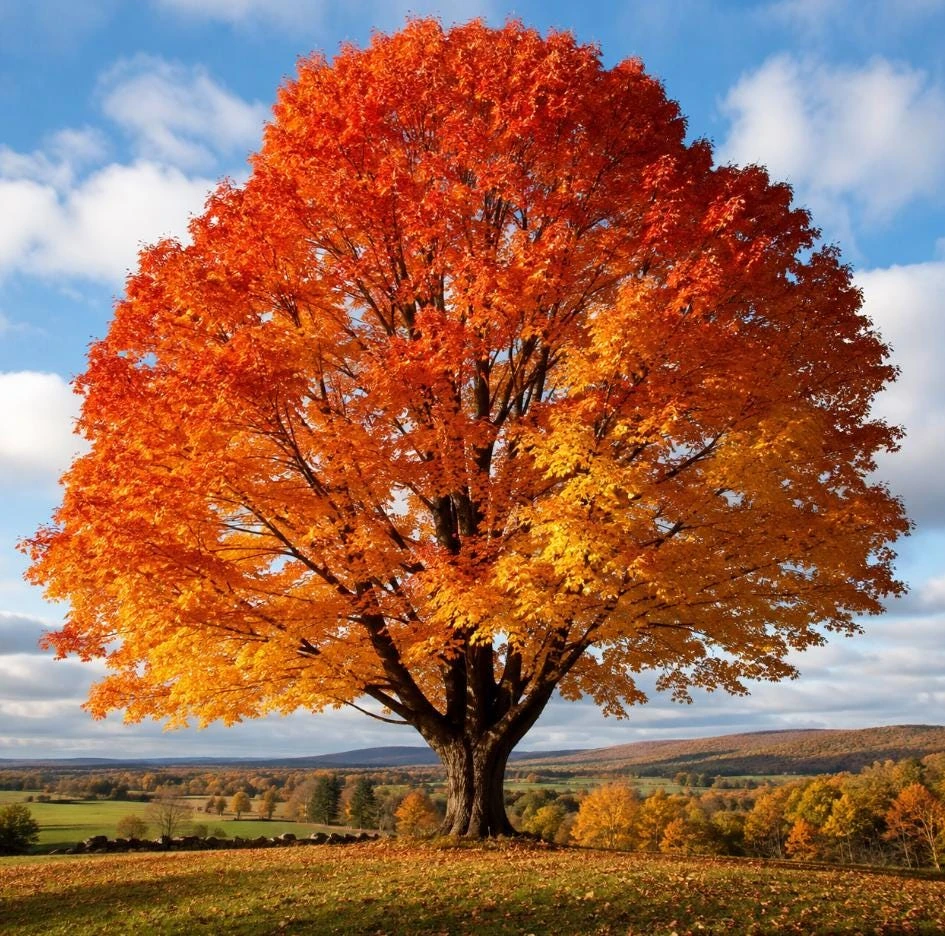
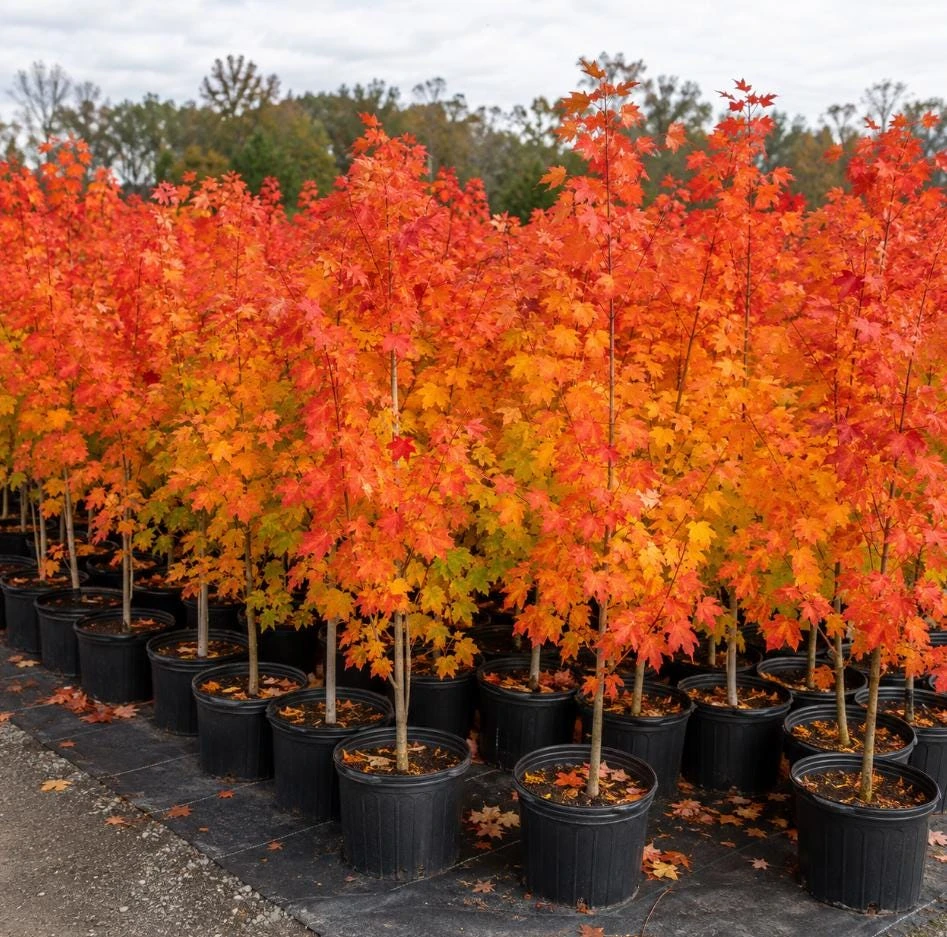
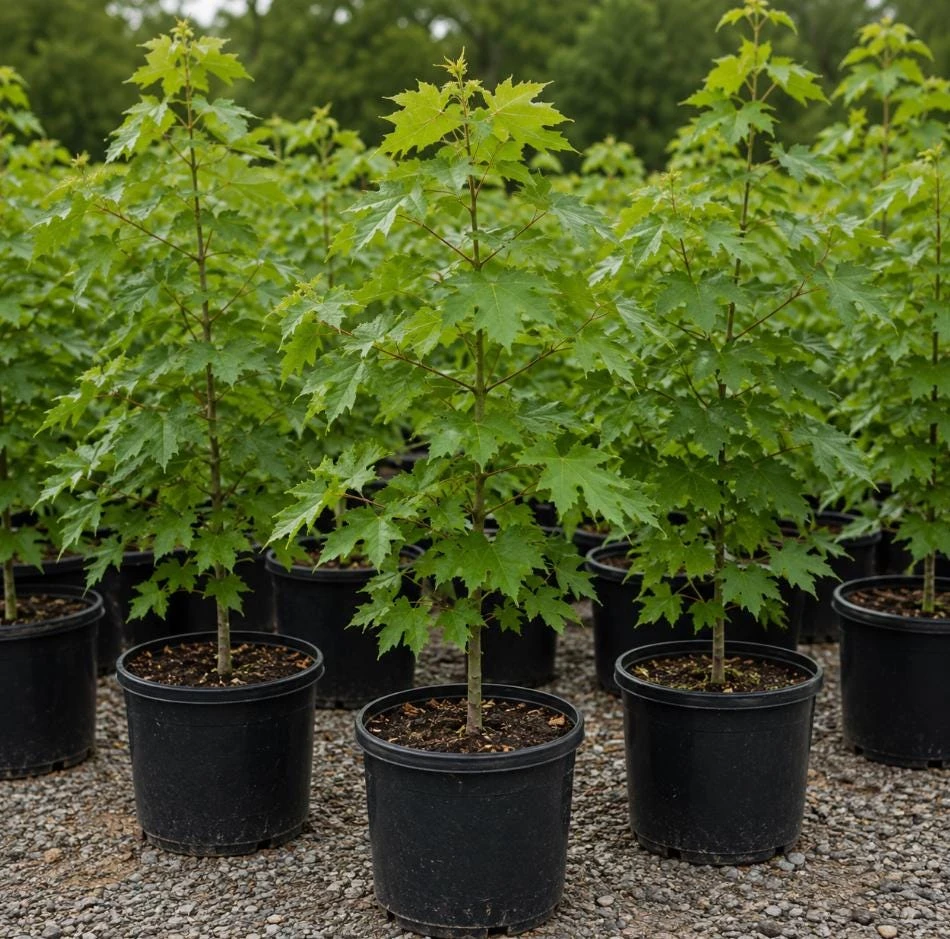
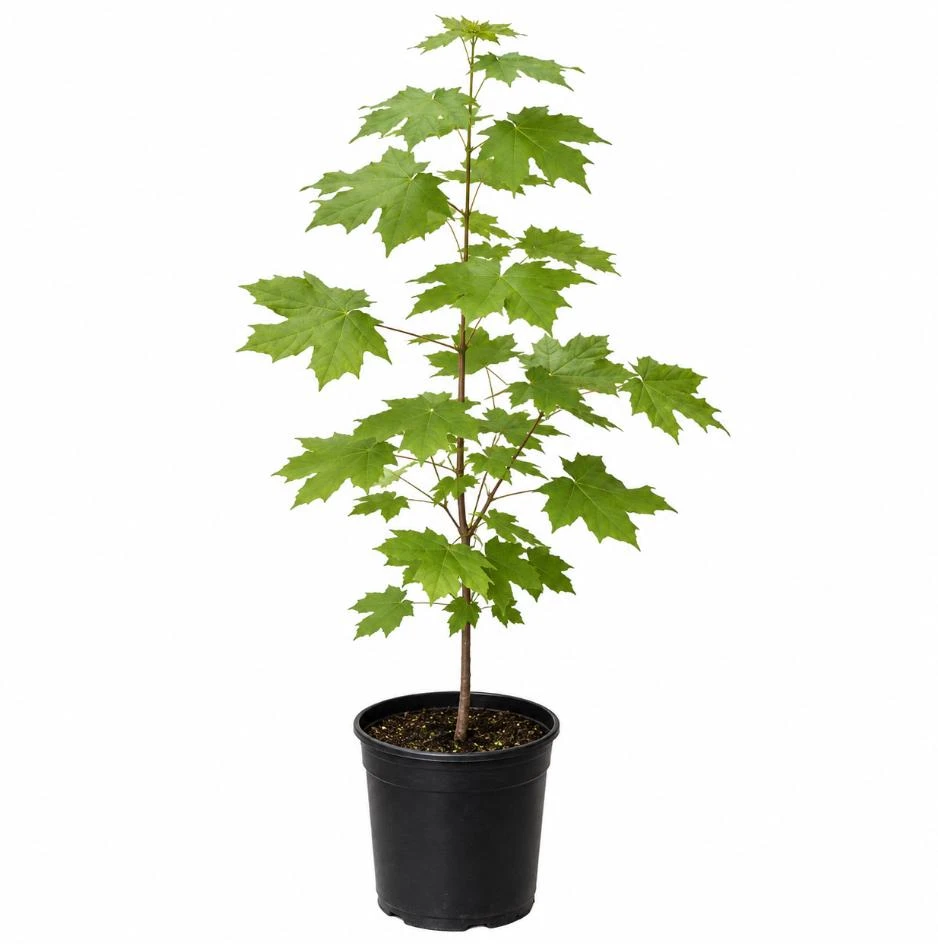
Bring stunning seasonal beauty to your yard with a sugar maple tree live plant. This 1.5-2.5 Ft tall specimen arrives in a 1-gallon pot, ready to grow into a magnificent fast growing shade tree with breathtaking fall foliage. Perfect for creating a vibrant landscape.
Estimated arrival
Oct 16
Oct 21 - Oct 23
Oct 23 - Oct 28
See our Shipping Policy.
Get in touch with us via email, and our team will review your concerns.
Our Alive & Thrive Guarantee covers issues with your plants within the first 30 days. Read our Refund & Returns Policy.
-
USDA Hardiness Zone
3–8 -
Soil Type
Rich, well-drained, slightly acidic to neutral soil -
Sunlight Exposure
Full Sun to Partial Shade -
Expected Planting Period
Spring to Fall
Overview
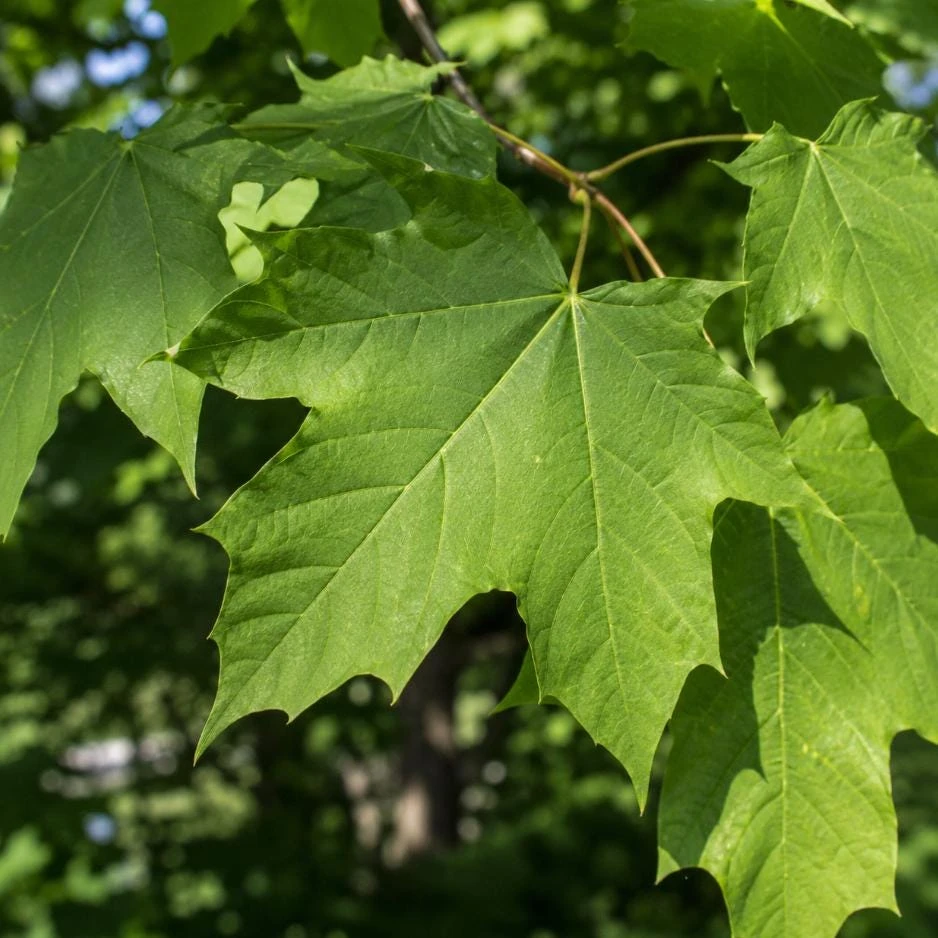
Transform your outdoor space with a magnificent sugar maple tree live plant. Celebrated as one of North America’s most cherished deciduous trees, the Sugar Maple (Acer saccharum) is renowned for its robust growth, stately form, and spectacular autumn display. This particular offering provides a healthy, young sugar maple tree live plant, measuring 1.5-2.5 feet tall and rooted in a 1-gallon pot, making it an ideal starter for your landscape. Imagine cooling shade in the summer and an explosion of brilliant reds, oranges, and golden yellows each fall. This iconic tree is not just a plant; it’s an investment in the beauty and value of your property for generations to come, providing both aesthetic appeal and environmental benefits as a long-lived, hardy maple tree.
The sugar maple tree live plant is a classic choice for homeowners and landscapers alike, offering a timeless elegance that few other trees can match. Its adaptability and strong upright growth habit make it suitable for a variety of settings, from expansive yards to urban streetscapes. Discover the joy of cultivating this exceptional tree that promises year-round interest and an unforgettable fall spectacle.
Key Benefits
Choosing a sugar maple tree live plant for your landscape offers a multitude of advantages, enhancing both the beauty and functionality of your property. This remarkable tree is not only visually stunning but also incredibly resilient.
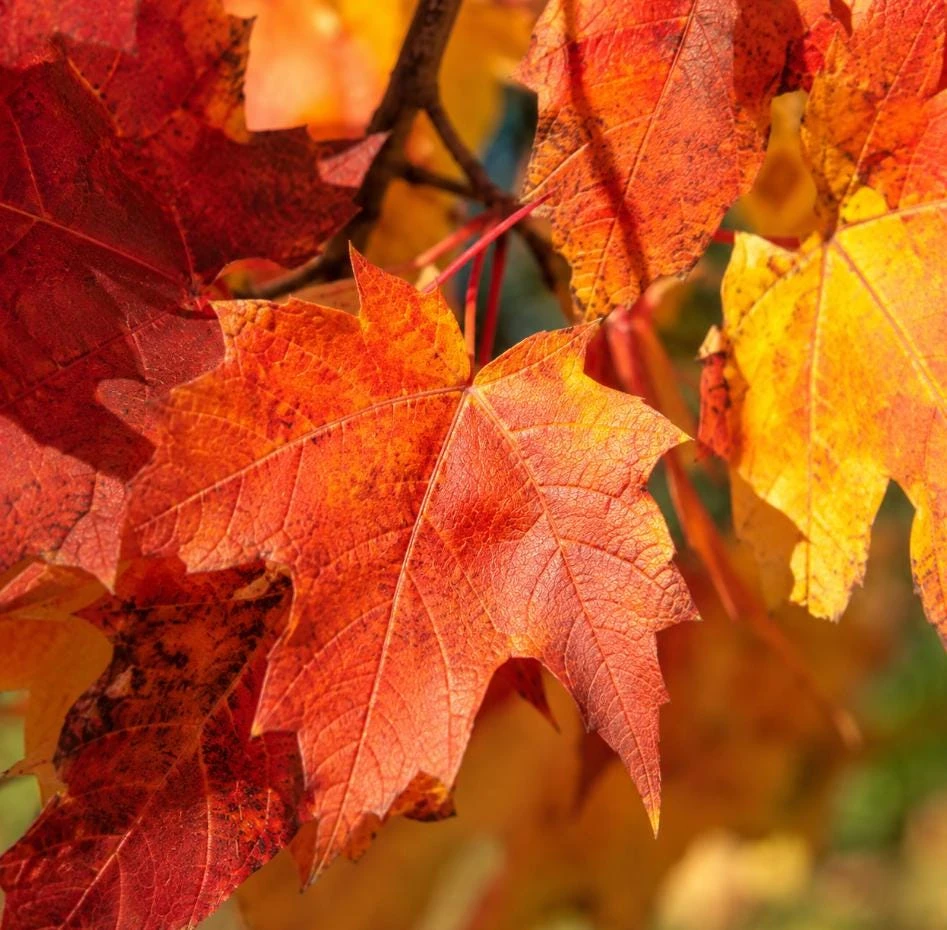
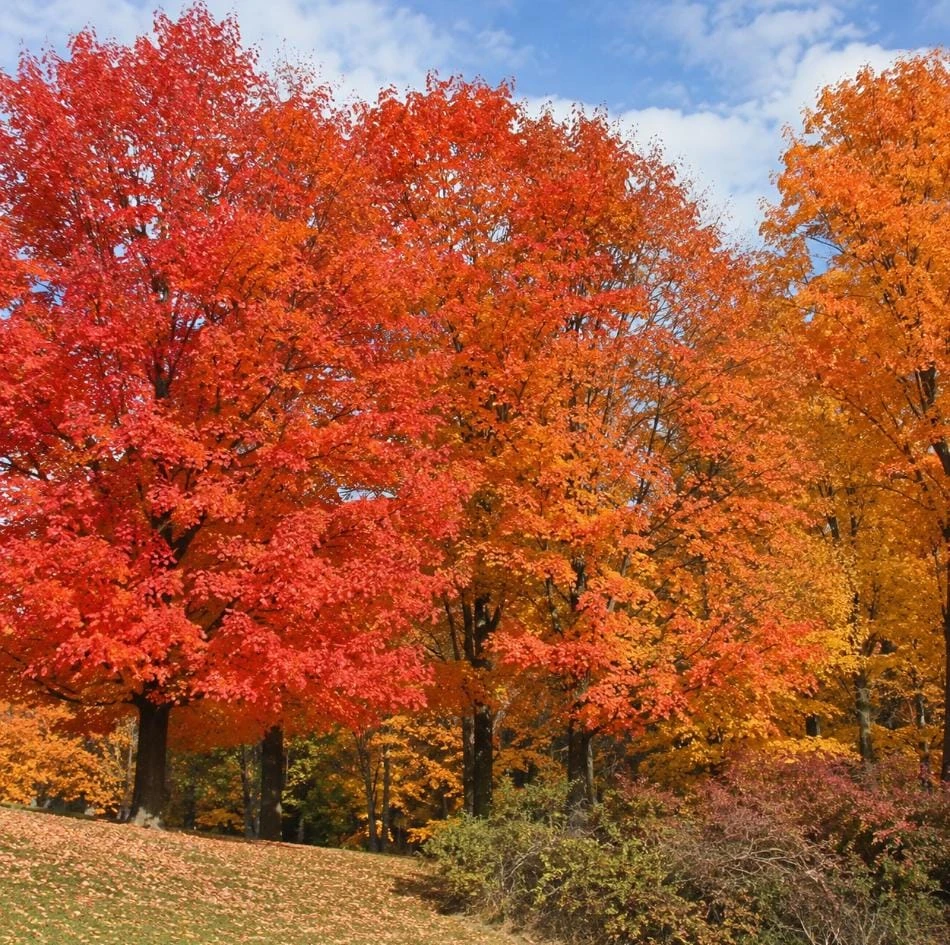
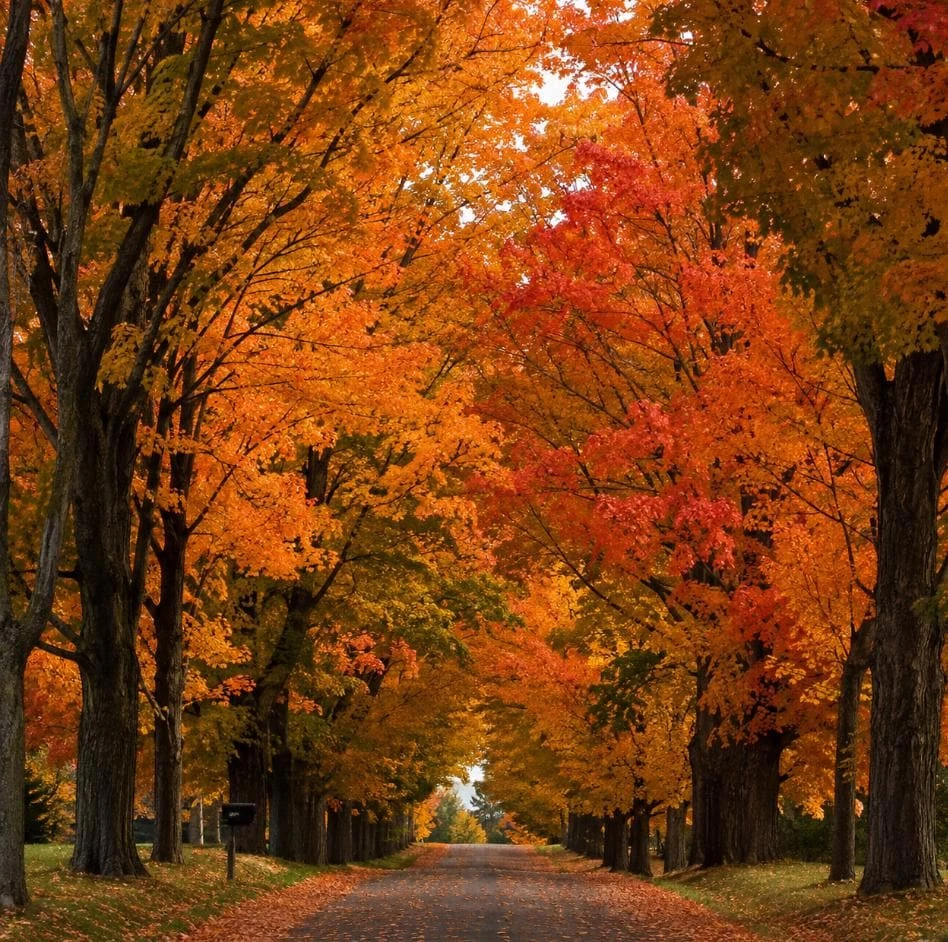
- Spectacular Fall Foliage: Enjoy an unrivaled display of brilliant red, orange, and golden-yellow leaves every autumn. The vibrant colors are a true highlight, making the sugar maple tree live plant a focal point in any garden.
- Excellent Shade Provider: As a fast growing shade tree, it develops a dense, attractive canopy that provides significant cooling shade during hot summer months, reducing energy costs and creating comfortable outdoor living spaces.
- Cold Hardy and Long-Lived: This species is incredibly robust, thriving in USDA Zones 3-8, and is known for its exceptional cold hardiness and longevity, ensuring it will be a cherished part of your landscape for decades.
- Strong, Upright Growth Habit: The Sugar Maple exhibits a classic, strong, and upright growth habit, developing a well-structured form that requires minimal pruning once established, contributing to its low-maintenance appeal.
- Wildlife Habitat: Provides valuable habitat and food sources for various wildlife, including birds and squirrels, enhancing biodiversity in your garden.
- Adaptable to Various Landscapes: Whether planted as a solitary specimen, along a driveway, or as part of a larger woodland setting, this hardy maple tree adapts well to different landscape designs.
- Environmental Benefits: Beyond its beauty, the sugar maple tree live plant contributes to air quality, soil stability, and offers a natural, sustainable resource for maple syrup production.
Plant Care & Growing Tips
Caring for your sugar maple tree live plant is straightforward, ensuring it establishes quickly and thrives for years. These trees are known for their resilience, but providing optimal conditions from the start will lead to the best growth and most vibrant fall colors. For successful growth, understanding the specific needs of Acer saccharum is crucial, especially if you’re looking for an acer saccharum for sale that will flourish.
Sunlight Requirements: Sugar Maples perform best in full sun to partial shade, meaning they need at least 4-6 hours of direct sunlight per day. While they can tolerate some shade, full sun exposure promotes the most vigorous growth and the most brilliant fall coloration. Plant your sugar maple tree live plant in a location where it will receive ample morning sun and some afternoon protection in hotter climates if possible, though they are quite tolerant.
Watering Schedule and Soil Moisture: Young Sugar Maples require consistent moisture, especially during their first few growing seasons. Water deeply 1-2 times per week, or more frequently during dry spells, to ensure the root ball remains moist but not waterlogged. Once established, they are moderately drought-tolerant but will benefit from supplemental watering during prolonged dry periods. Good drainage is key to prevent root rot.
Soil Type and Drainage: This hardy maple tree prefers rich, well-drained, slightly acidic to neutral soil (pH 5.0-7.0). Loamy soils with good organic matter content are ideal. Avoid heavy clay soils that retain too much water or extremely sandy soils that drain too quickly. Amending the planting hole with compost can improve soil structure and fertility. Ensure the planting site allows for proper drainage to support healthy root development for your brilliant fall color tree.
Temperature Range and USDA Hardiness Zone: The Sugar Maple is incredibly cold hardy, thriving in USDA Zones 3-8. It can withstand harsh winter temperatures and requires a cold dormancy period to flourish. Protect young trees from extreme winter winds in exposed locations. Fertilization: Fertilize in early spring with a balanced, slow-release granular fertilizer formulated for trees and shrubs. Follow package instructions for application rates. Avoid over-fertilizing, which can burn roots. Common Problems: Generally pest and disease resistant, but watch for common issues like aphids or powdery mildew. Ensure good air circulation and proper watering to prevent fungal diseases. A healthy sugar maple tree live plant is typically resistant to most problems.
Size & Details
This offering is for one sugar maple tree live plant, carefully nurtured and shipped in a 1-gallon nursery pot. Upon arrival, your young tree will stand approximately 1.5 to 2.5 feet tall, providing a robust starter for your landscaping project. While the exact height and branching may vary slightly based on the season and individual plant growth, each tree is selected for its health and vigor. The 1-gallon pot size ensures a well-established root system, promoting quicker acclimation to its new environment. These trees are known for their relatively fast growing shade tree characteristics, typically adding 1-2 feet in height per year under optimal conditions, eventually reaching a majestic mature height of 50-75 feet with a spread of 30-50 feet. As a deciduous tree, it will naturally lose its leaves in the fall and winter, arriving dormant during colder months. This is a normal and healthy state, and the tree will burst forth with new growth in the spring, ready to provide its signature brilliant fall color tree display.
Frequently Asked Questions
- Q: How big does this sugar maple tree get? A: This sugar maple tree live plant arrives 1.5-2.5 feet tall in a 1-gallon pot. It is a fast growing shade tree and can eventually reach a mature height of 50-75 feet with a spread of 30-50 feet, depending on growing conditions and location.
- Q: Is this an indoor or outdoor plant? A: The sugar maple tree live plant is an outdoor tree, ideal for landscapes, yards, and parks. It requires ample space to grow and is not suitable for indoor cultivation.
- Q: How much sunlight does it need? A: This hardy maple tree thrives in full sun to partial shade, ideally receiving at least 4-6 hours of direct sunlight daily for optimal growth and fall color development.
- Q: Is this plant easy to care for? A: Yes, once established, the sugar maple tree live plant is relatively low maintenance. It requires consistent watering during its first few years but becomes quite self-sufficient thereafter, making it an excellent choice for a brilliant fall color tree that’s also easy to manage.
- Q: What condition will it arrive in? A: Your sugar maple tree live plant will arrive healthy and well-packaged in its 1-gallon nursery pot. During fall and winter, it will likely be dormant and without leaves, which is a normal and healthy state for a deciduous tree.
- Q: When is the best time to plant a sugar maple? A: The best time to plant your acer saccharum for sale is in early spring or early fall, allowing the tree to establish its root system before extreme summer heat or winter cold.
- Q: Will it survive winter in my zone? A: The sugar maple tree live plant is very cold hardy and suitable for USDA Zones 3-8, meaning it can withstand a wide range of winter temperatures in most of the United States.
Be the first to review “Sugar Maple Tree Live Plant – 1 Gallon Pot, 1.5-2.5 Ft Tall, Hardy Shade Tree”
Related products


Trees
Guava Tree Live Plant Pink Tropical Fruit 4-10in Tall Well Rooted for Gardening USDA Zones 9-11
You May Like

Hardneck vs. Softneck Garlic: Which Should You Grow?
Have you ever stood in front of a seed catalog in mid-September, staring at dozens [...]
Oct

When to Plant Music Garlic: Ultimate US Fall Guide
Have you ever spent your fall weekend placing carefully chosen garlic cloves into rich, dark [...]
1 Comment
Oct

5 Best Bulbs for Fall Planting: Brighten Your Garden This Spring
Are you dreaming of a garden full of vibrant colors in the spring? The key [...]
Aug

10 Houseplants That Will Thrive in Your Kitchen
Are you tired of your kitchen feeling dull and lifeless? Want to add a little [...]
1 Comment
Aug
Reviews
There are no reviews yet.