
Swamp White Oak Tree Live Plant – Quercus bicolor – 12-24 inch Starter Plant in Quart Pot
Original price was: 79.99 $.54.99 $Current price is: 54.99 $.
Bring home a beautiful swamp white oak tree (Quercus bicolor), a robust North American native known for its striking two-toned leaves and adaptability. This 12-24 inch starter plant is ideal for various landscapes, providing shade and supporting local wildlife. Perfect for areas with wet or poorly drained soils.
Estimated arrival
Oct 17
Oct 22 - Oct 24
Oct 24 - Oct 29
See our Shipping Policy.
Get in touch with us via email, and our team will review your concerns.
Our Alive & Thrive Guarantee covers issues with your plants within the first 30 days. Read our Refund & Returns Policy.
-
USDA Hardiness Zone
USDA Zones 4-8 -
Soil Type
Moist, well-draining loamy soil, tolerant of clay and wet conditions -
Sunlight Exposure
Full sun to partial shade -
Expected Planting Period
Early spring or fall
Overview
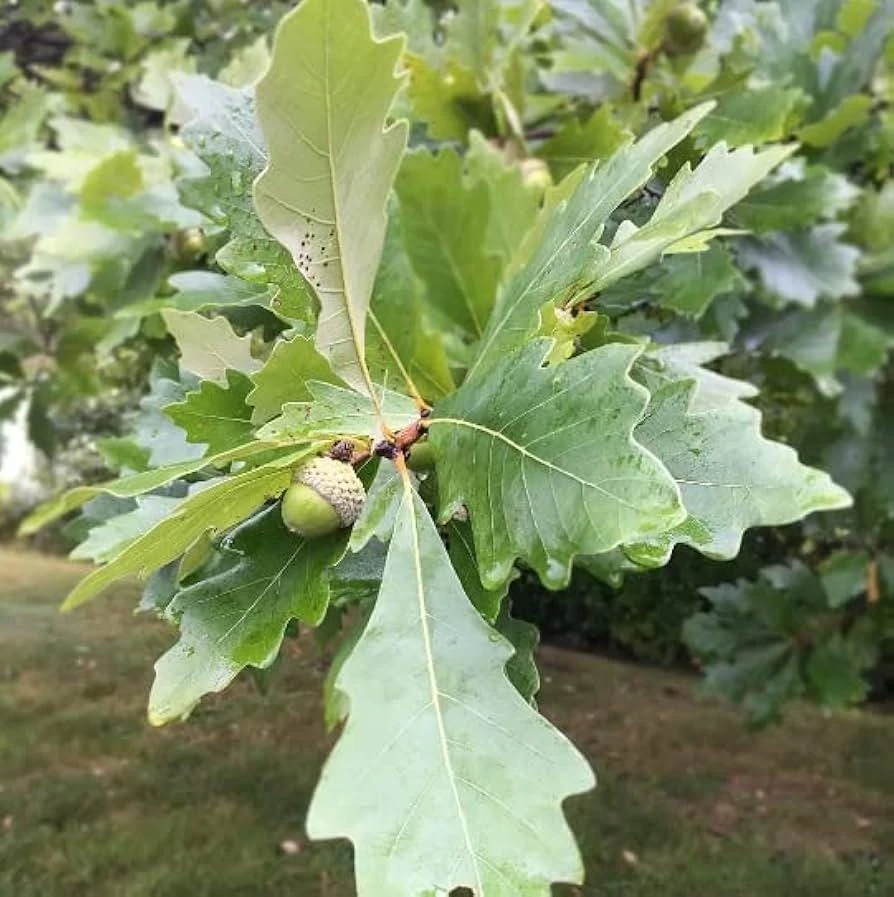
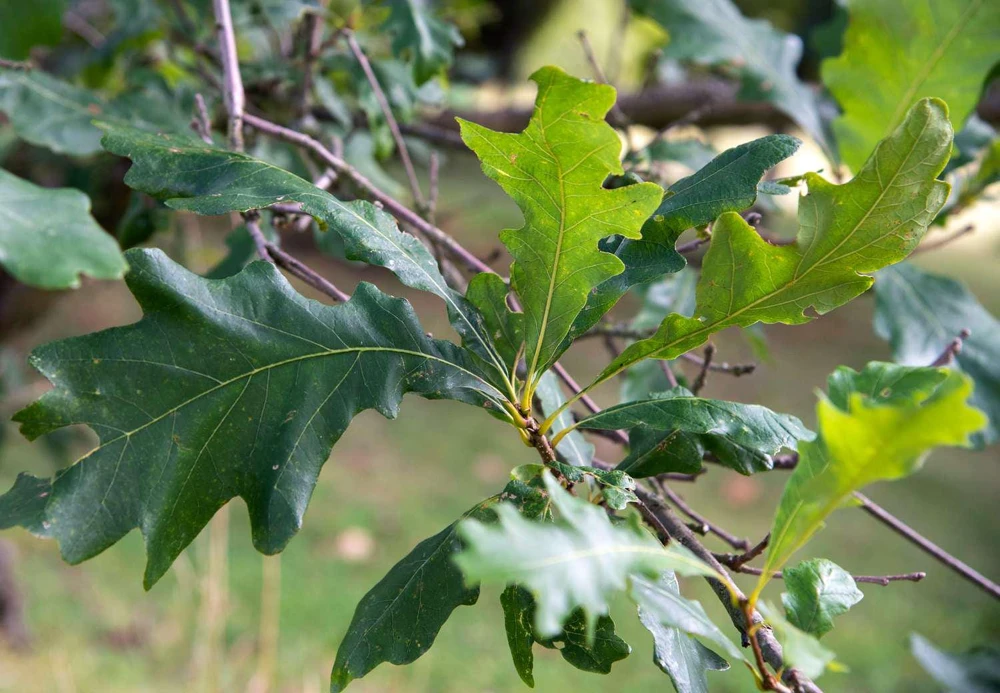
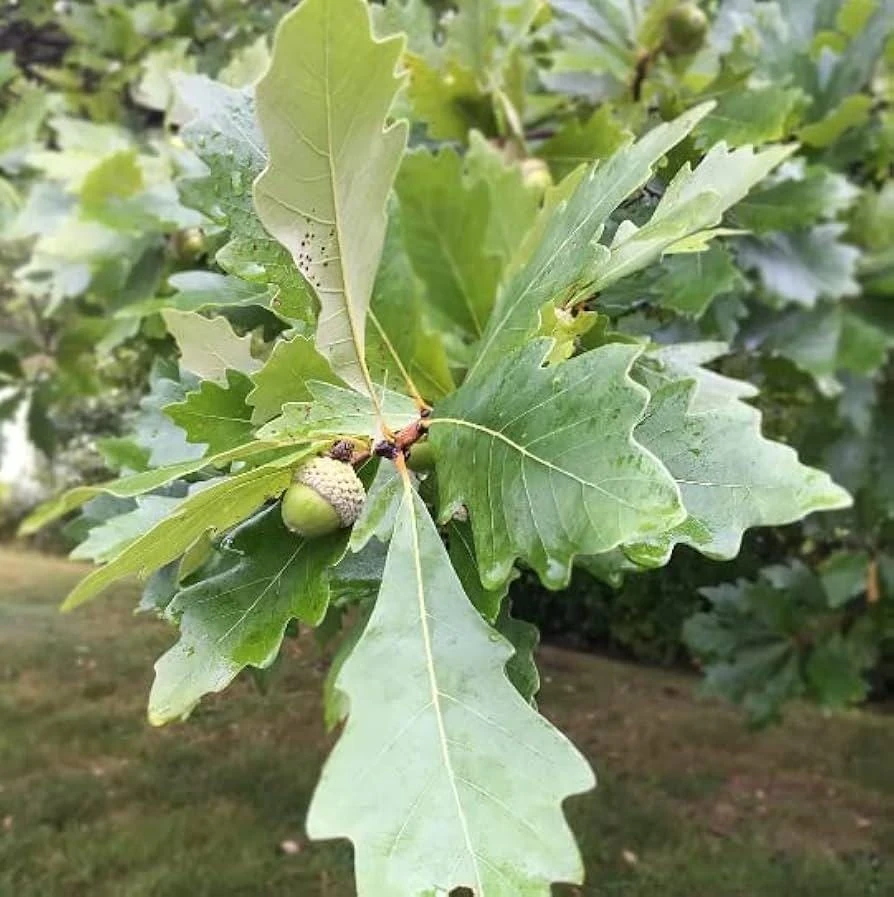
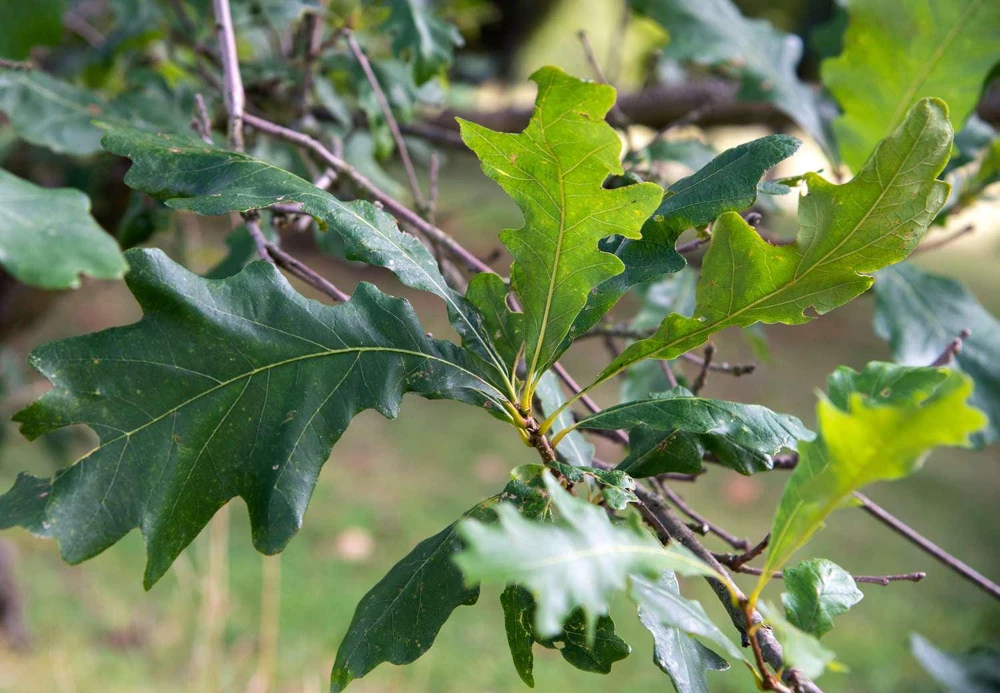
The swamp white oak tree (Quercus bicolor) is a magnificent live plant, a true gem among native North American shade trees. Known for its remarkable adaptability and significant value to local wildlife, this species is a fantastic addition to any landscape. Despite its common name, the swamp white oak tree does not require constantly standing water but thrives in low-lying, wet, or poorly drained areas that may experience occasional flooding, such as along stream and lake margins. It’s a long-lived tree, often gracing the landscape for over 300 years, making it an investment for generations. The Quercus bicolor is easily recognizable by its distinctive two-toned leaves, which are dark green and glossy on top with a silvery-white underside, creating a beautiful shimmering effect in the breeze. This starter plant, typically 12-24 inches tall, offers a strong foundation for establishing a mature, resilient tree in your garden.
Cultivating a swamp white oak tree means embracing a piece of natural heritage. This species plays a crucial role in its ecosystem, providing shelter and sustenance for numerous creatures. Its impressive size at maturity offers substantial shade, contributing to cooler environments and potentially reducing energy costs. Whether you’re looking to restore a native habitat, create a vibrant wildlife sanctuary, or simply enjoy the majestic presence of a robust oak, the Quercus bicolor starter plant is an excellent choice. Its tolerance for both wet and dry conditions makes it more versatile than many other oak species, allowing it to thrive in a broader range of settings across North America.
Key Benefits
Adding a swamp white oak tree to your property offers a multitude of ecological and aesthetic advantages, enhancing both your landscape and local biodiversity. Here are some of the standout benefits:
- Wildlife Support: The acorns of the swamp white oak tree are a vital food source for a variety of wildlife, including squirrels, deer, turkeys, and ducks. Planting this tree helps create a thriving ecosystem and supports local fauna.
- Adaptability to Soil Conditions: This oak is renowned for its tolerance to a wide range of soil conditions, thriving in both wet, poorly drained soils and surprisingly, even periods of dry conditions once established. This makes it a versatile choice for many different planting sites.
- Long Lifespan: A truly long-lived species, the Quercus bicolor can survive for over 300 years, making it a lasting legacy for future generations and a testament to its resilience.
- Striking Foliage: Enjoy the unique beauty of its two-toned leaves, which are dark green above and silvery-white beneath, providing a captivating visual display, especially when rustled by the wind.
- Significant Shade Provider: As a large, mature tree, it provides ample shade, which can help cool your home and outdoor living spaces during hot summer months, contributing to energy efficiency.
- Native North American Tree: By planting a native North American tree like the swamp white oak, you contribute to the ecological health of your region, supporting native insects and birds that have evolved alongside it.
- Erosion Control: Its extensive root system helps stabilize soil, making it an excellent choice for areas prone to erosion, particularly along waterways or slopes.
Plant Care & Growing Tips
Caring for your swamp white oak tree (Quercus bicolor) is relatively straightforward, especially once established, given its hardy nature. When planting your Quercus bicolor starter, choose a location with ample space for its mature size, as it can grow quite large. Ensure the planting hole is twice as wide as the root ball and just as deep. The tree ships bare root, so ensure you spread the roots out evenly before backfilling with soil. Water thoroughly after planting to settle the soil around the roots.
For sunlight requirements, the swamp white oak tree thrives in full sun, meaning at least 6 hours of direct sunlight per day. While it can tolerate partial shade, optimal growth and acorn production occur in sunnier locations. Regarding watering, young trees require consistent moisture, especially during dry spells. Water deeply once or twice a week during its first few growing seasons. Once mature, it is quite drought-tolerant but will benefit from supplemental watering during extended dry periods. The ideal soil type is adaptable; it prefers moist, acidic to neutral, well-draining loamy soils but can tolerate heavy clay and occasional flooding. Good drainage is still important to prevent root rot in consistently waterlogged conditions.
The swamp white oak tree is hardy in USDA zones 4-8. Fertilization is generally not necessary for established trees in good soil. For young trees, a balanced, slow-release fertilizer can be applied in early spring, but avoid over-fertilizing. Pruning should focus on removing dead, damaged, or diseased branches, and shaping for structural integrity, ideally in late winter or early spring when the tree is dormant. Common problems are few, but watch for oak wilt, cankers, and various insect pests. Maintaining tree health through proper watering and site selection is the best defense. This oak tree for wet soil is a resilient species, but providing optimal conditions will ensure a robust and long-lasting specimen in your landscape.
Size & Details
This offering is for one swamp white oak tree, a live starter plant of Quercus bicolor, typically measuring 12-24 inches in height upon arrival. The minimum height will be 6-12 inches, ensuring a healthy young specimen ready for planting. These trees are shipped bare root, which means they are carefully dug from the ground with soil removed from their roots, allowing for easier transplanting and reduced shipping stress. They are packaged to maintain root moisture during transit. Once planted, the Quercus bicolor starter will begin to establish its root system and grow vigorously.
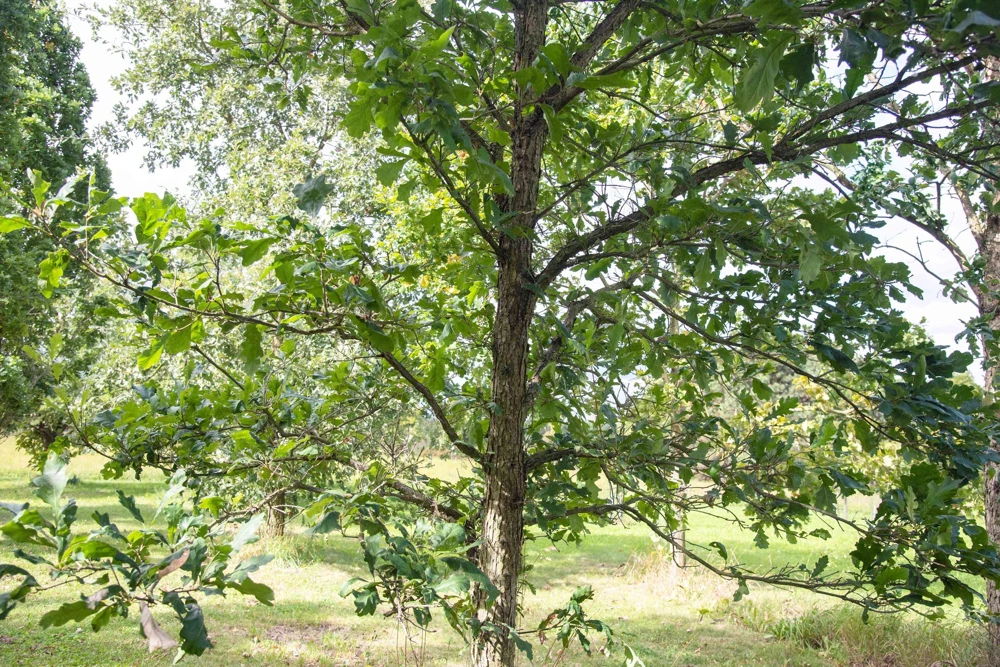
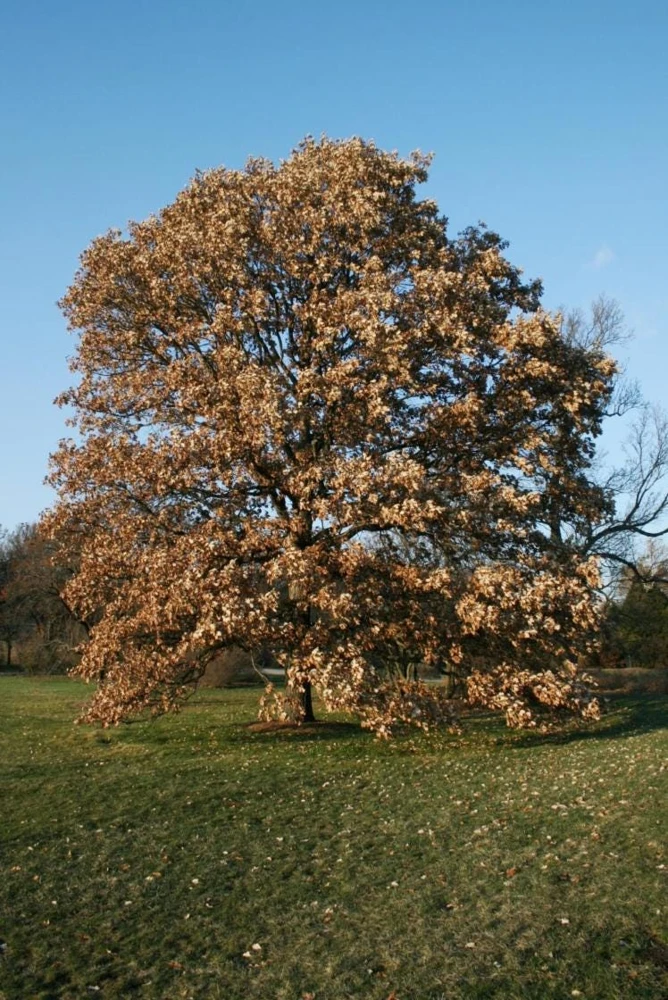
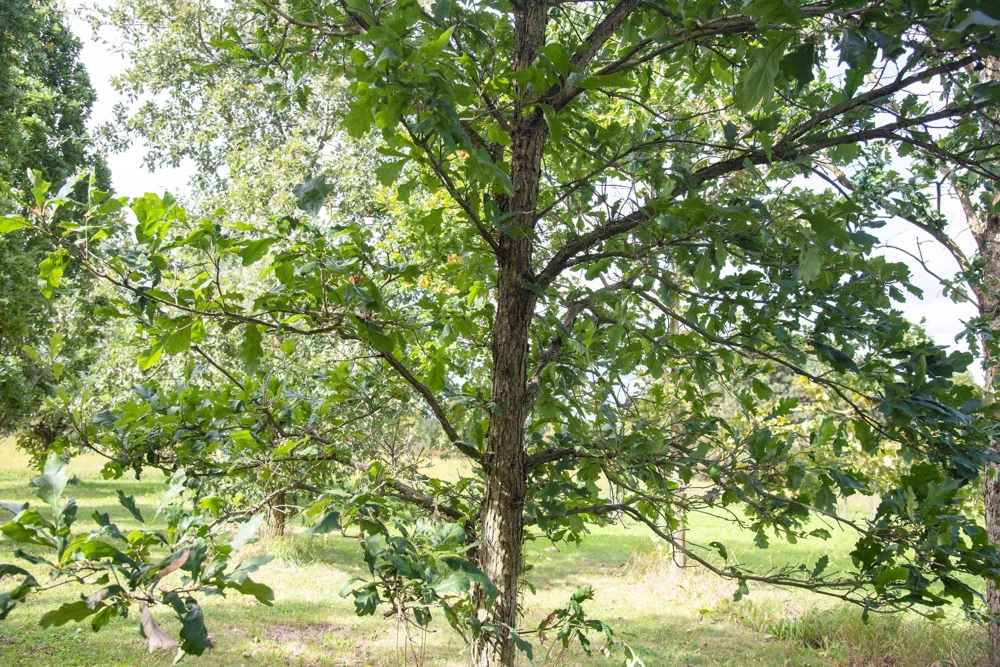
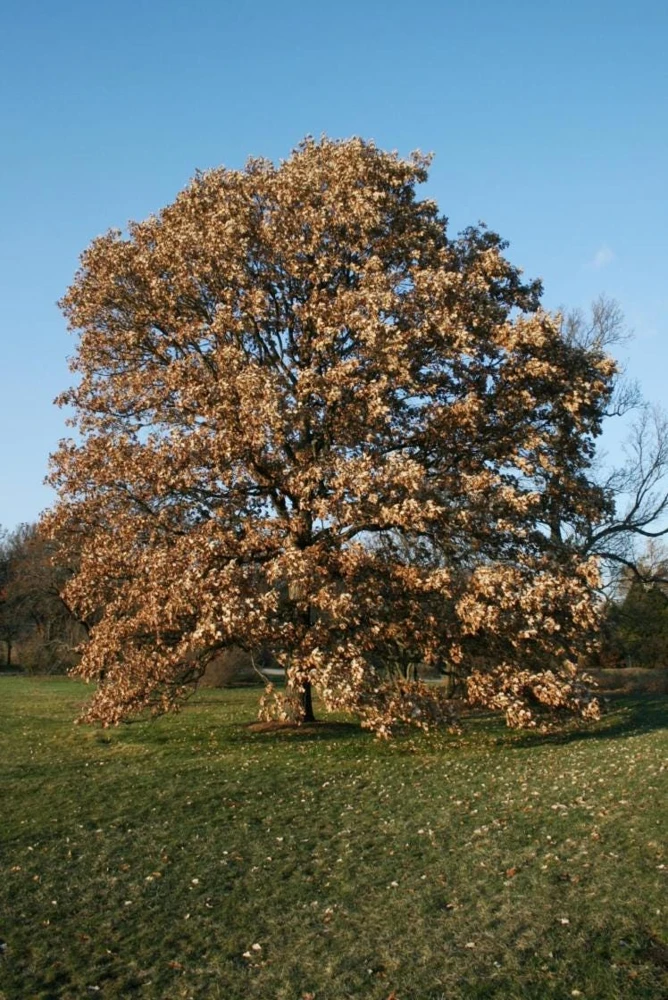
At maturity, a swamp white oak tree can reach an impressive height of 50-60 feet with a similar spread, forming a broad, rounded crown. Its growth rate is moderate, typically adding 12-18 inches per year under ideal conditions. The acorns, which are a key food source for a variety of wildlife, mature in a single season in early fall, appearing in pairs on long, slender stalks (peduncles). This wildlife friendly oak will provide significant ecological benefits as it matures. The initial quart pot size mentioned in the raw data refers to the container size it was grown in before being prepared as a bare root starter plant for shipment.
Frequently Asked Questions
- Q: How big does this swamp white oak tree get at maturity? A: A mature swamp white oak tree can reach an impressive height of 50-60 feet with a similar spread, forming a large, stately shade tree. It provides substantial shade and a majestic presence in the landscape.
- Q: What condition will the Quercus bicolor starter arrive in? A: Your Quercus bicolor starter will arrive as a bare root plant, meaning the soil has been removed from the roots for shipping. The roots will be carefully packaged to maintain moisture, ensuring the plant is healthy and ready for immediate planting upon arrival.
- Q: Is this an indoor or outdoor plant? A: The swamp white oak tree is an outdoor tree, best suited for planting in gardens, parks, or naturalized areas where it has ample space to grow and mature. It is not suitable for indoor cultivation.
- Q: How much sunlight does a native North American tree like this need? A: This native North American tree thrives in full sun, requiring at least 6 hours of direct sunlight per day for optimal growth and health. It can tolerate some partial shade, but growth may be slower.
- Q: Is this oak tree for wet soil easy to care for? A: Yes, once established, the swamp white oak tree is considered relatively low-maintenance due to its robust nature and adaptability. Young trees require consistent watering, but mature trees are quite resilient.
- Q: When is the best time to plant a bare root swamp white oak tree? A: The best time to plant a bare root swamp white oak tree is typically in early spring, after the last hard frost but before the tree breaks dormancy. Fall planting is also an option in some regions.
- Q: What USDA hardiness zones is the wildlife friendly oak suitable for? A: This wildlife friendly oak is suitable for USDA hardiness zones 4 through 8, indicating its resilience to a wide range of temperate climates.
Be the first to review “Swamp White Oak Tree Live Plant – Quercus bicolor – 12-24 inch Starter Plant in Quart Pot”
Related products


You May Like

Hardneck vs. Softneck Garlic: Which Should You Grow?
Have you ever stood in front of a seed catalog in mid-September, staring at dozens [...]
Oct

When to Plant Music Garlic: Ultimate US Fall Guide
Have you ever spent your fall weekend placing carefully chosen garlic cloves into rich, dark [...]
1 Comment
Oct

5 Best Bulbs for Fall Planting: Brighten Your Garden This Spring
Are you dreaming of a garden full of vibrant colors in the spring? The key [...]
Aug

10 Houseplants That Will Thrive in Your Kitchen
Are you tired of your kitchen feeling dull and lifeless? Want to add a little [...]
1 Comment
Aug
Reviews
There are no reviews yet.