
Sweet Briar Rose Seeds – Eglantine Rose Flower Shrub, Pink, 25 Seeds
Original price was: 32.99 $.12.99 $Current price is: 12.99 $.
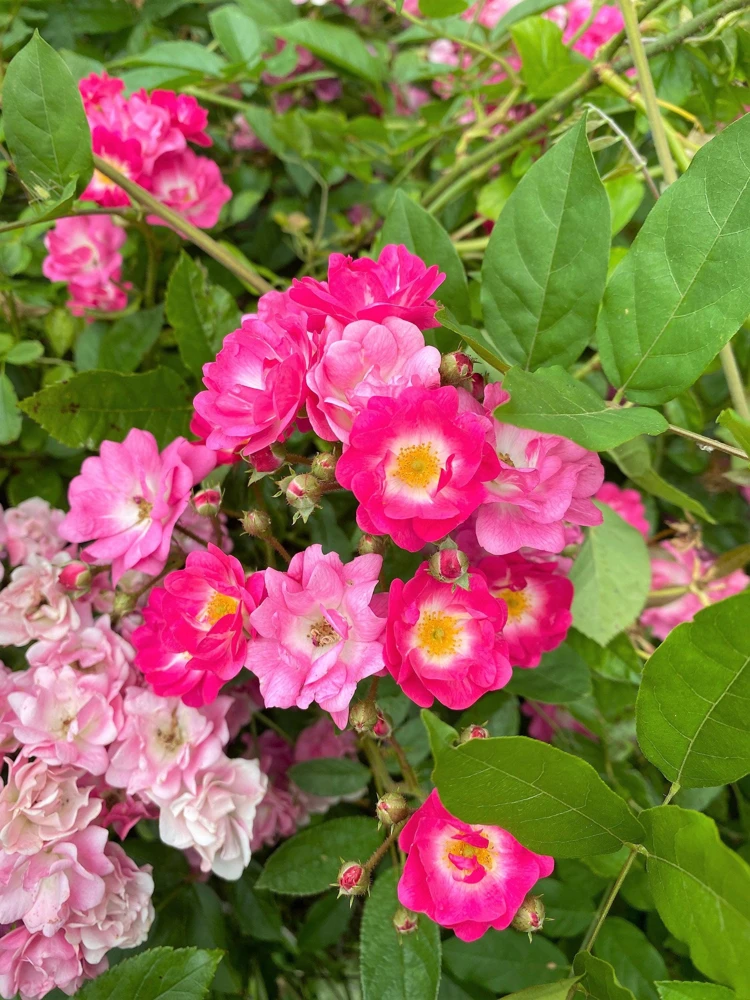
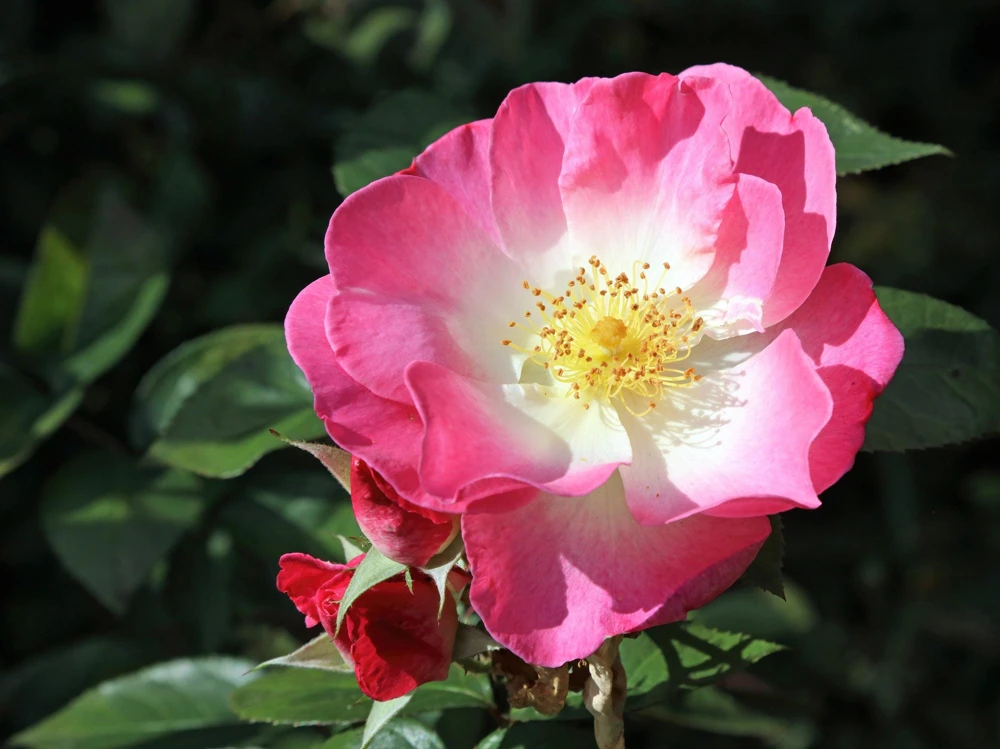
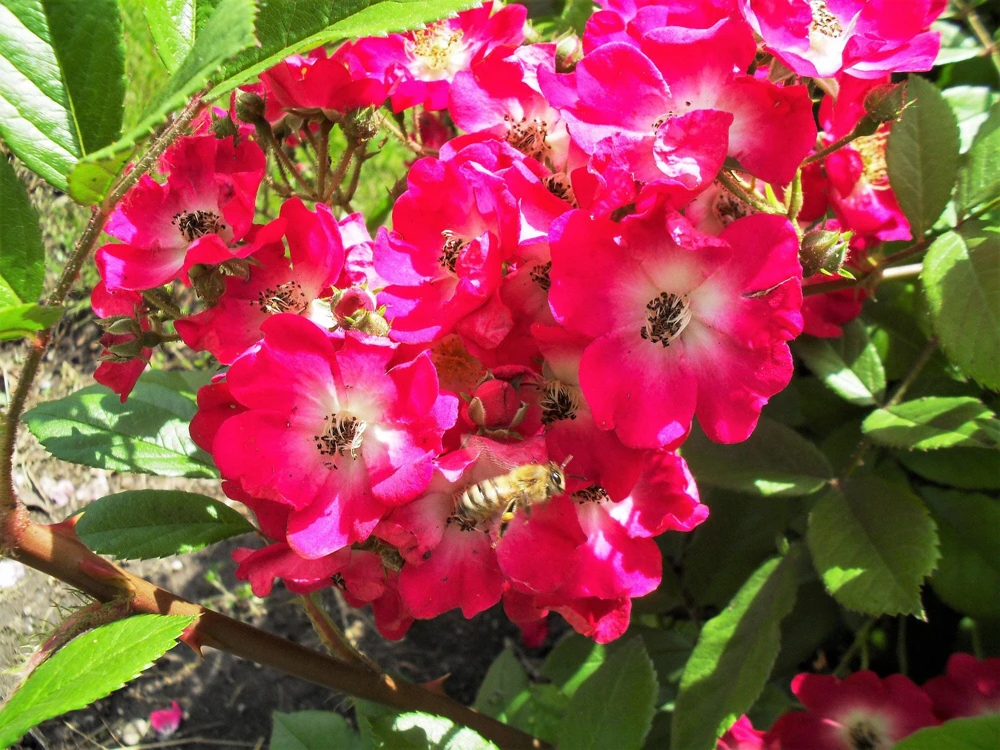
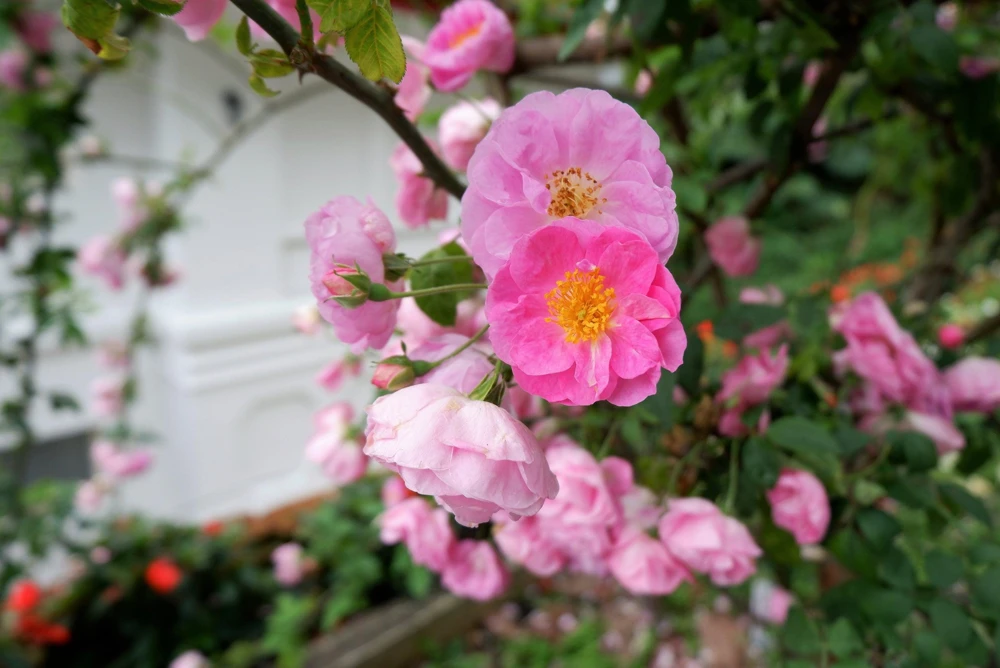
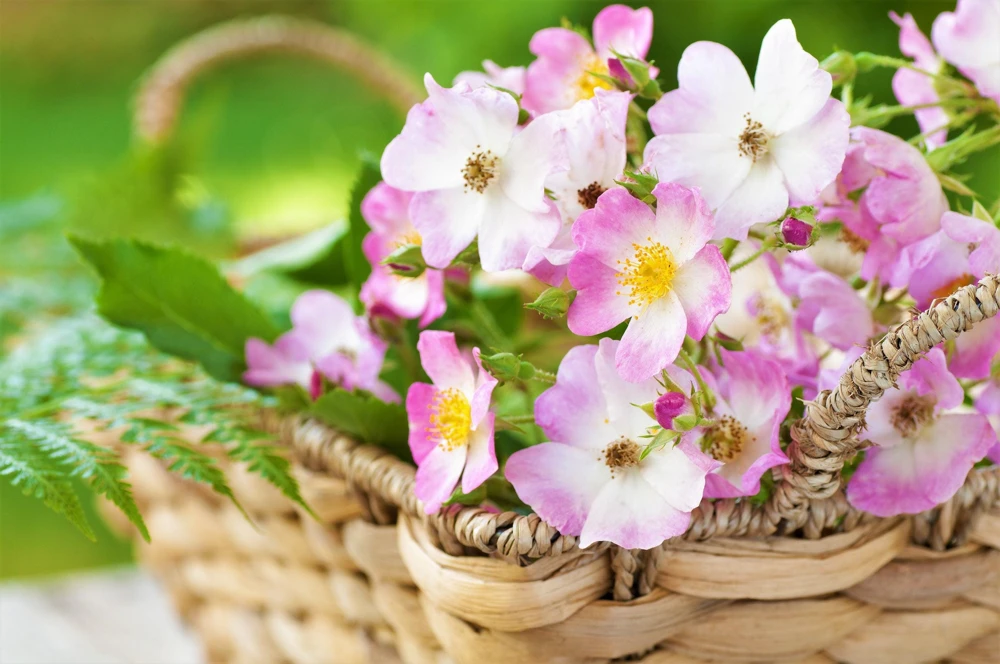
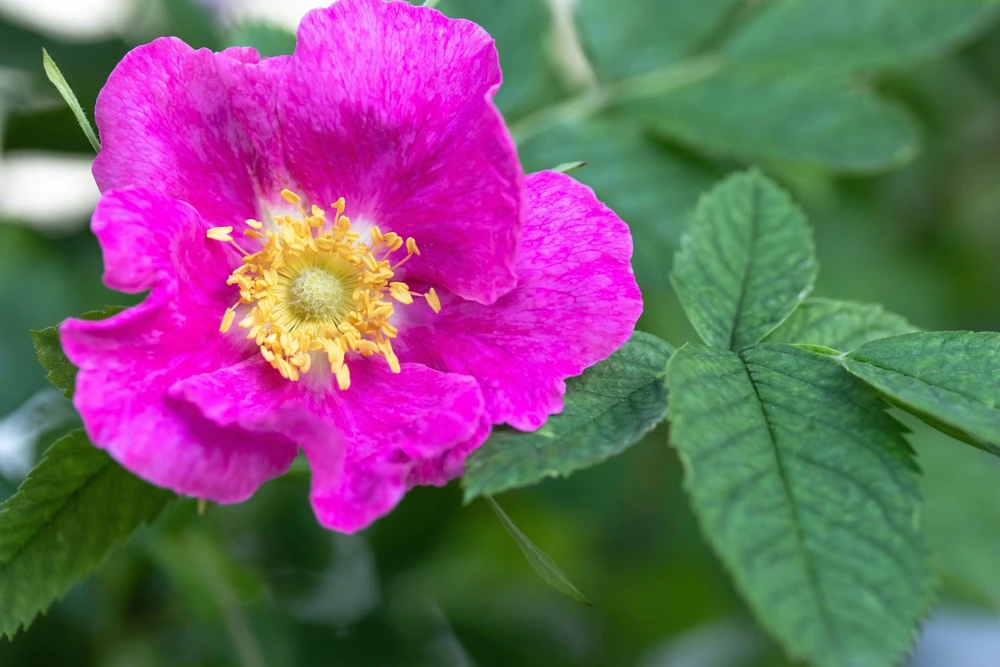
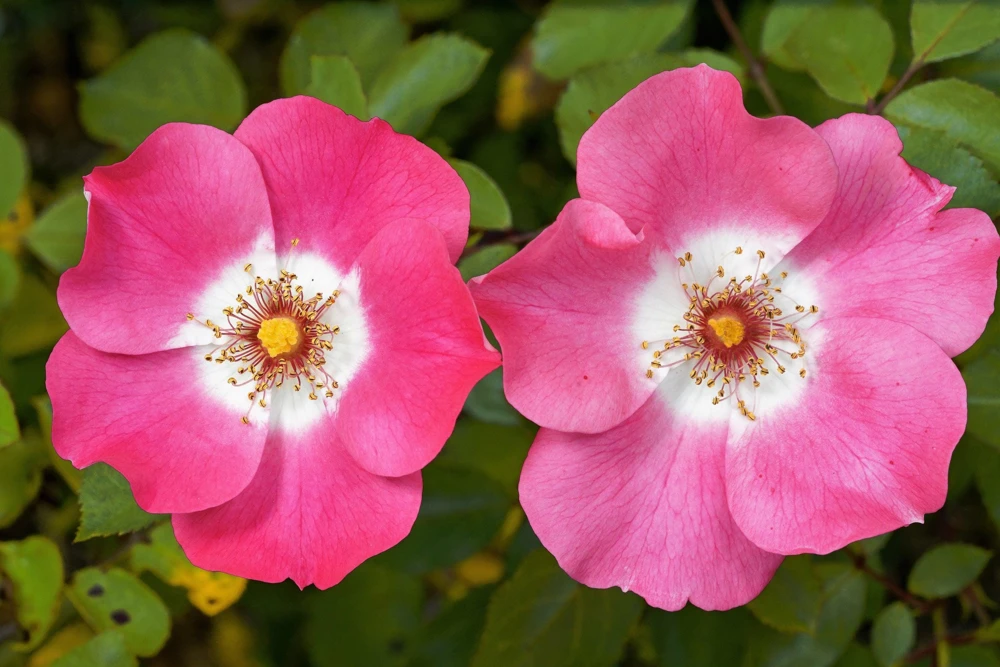
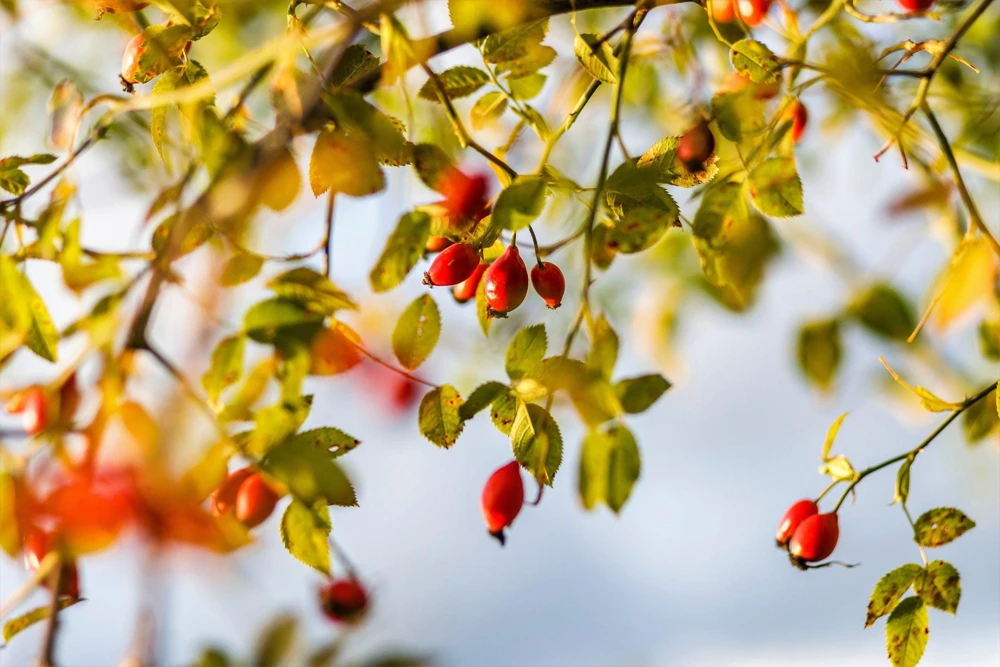
Discover the charm of the sweet briar rose seeds, also known as eglantine rose seeds (Rosa Eglanteria). These seeds will grow into beautiful shrubs producing multiple shades of pink flowers and vibrant orange-red hips. Perfect for adding fragrance and visual interest to your garden with 25 seeds per pack.
Estimated arrival
Oct 16
Oct 21 - Oct 23
Oct 23 - Oct 28
See our Shipping Policy.
Get in touch with us via email, and our team will review your concerns.
Our Alive & Thrive Guarantee covers issues with your plants within the first 30 days. Read our Refund & Returns Policy.
-
USDA Hardiness Zone
4 - 9 -
Soil Type
Average, well-draining soil -
Sunlight Exposure
Full Sun - Part Shade -
Expected Planting Period
Summer or warm & cold stratify
Overview
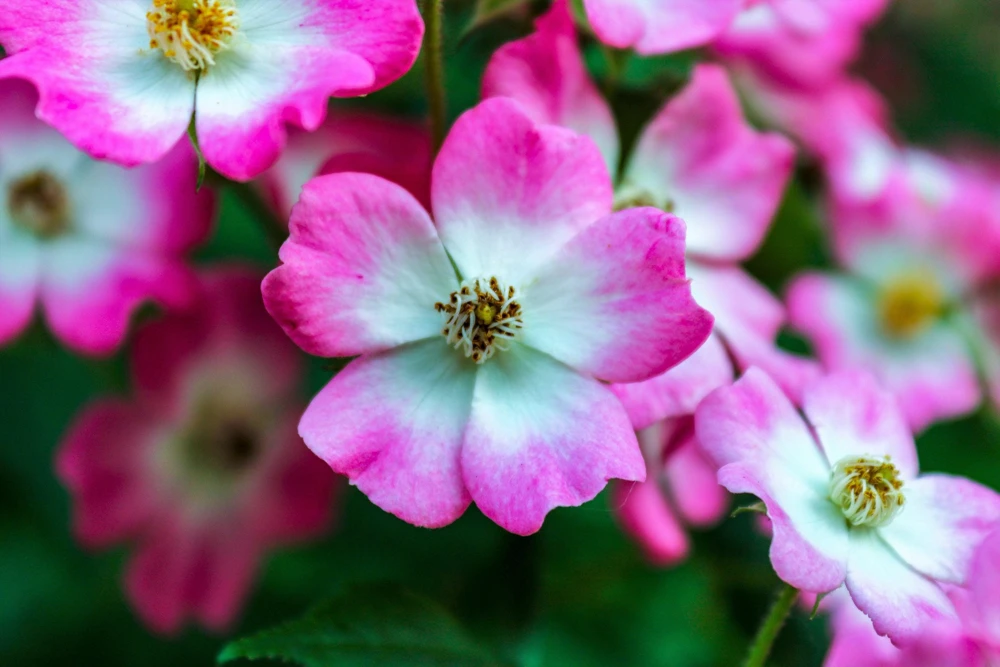
Cultivate the classic beauty of the sweet briar rose seeds in your own garden. This exquisite variety, scientifically known as Rosa Eglanteria syn. Rosa Rubiginosa, is also commonly referred to as the eglantine rose seeds. Known for its charming single flowers in various shades of pink, often with delicate white highlights, and its distinctive apple-scented foliage, the Sweet Briar Rose is a delightful addition to any landscape. Beyond its fragrant blooms, this shrub produces attractive orange to scarlet red hips in the fall, providing a continuous display of beauty and sustenance for wildlife. Planting these rosa eglanteria seeds allows you to experience the full life cycle of this resilient and enchanting rose.
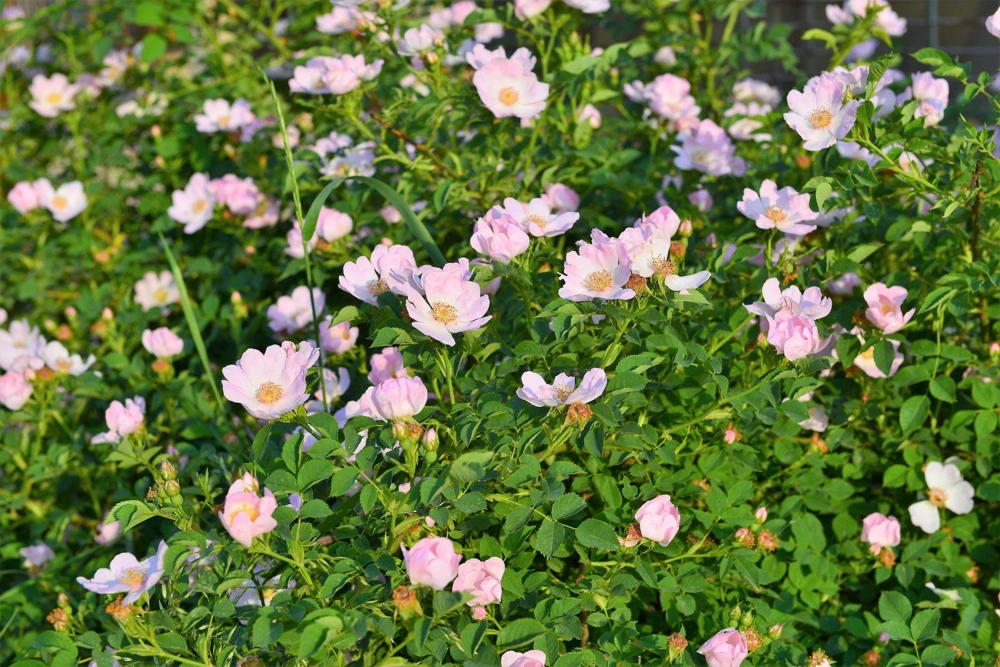
The Sweet Briar Rose is a vigorous and hardy shrub, ideal for creating natural hedges, filling borders, or adding an old-world charm to cottage gardens. Its moderate height and spread make it versatile for various garden designs. Starting with sweet briar rose seeds is a rewarding way to introduce this historic and beloved plant to your outdoor space, offering an enduring display of color and fragrance from late spring through summer, followed by ornamental hips in autumn and winter.
Key Benefits
Growing the sweet briar rose seeds offers numerous advantages for both seasoned gardeners and beginners, enhancing the beauty and biodiversity of your outdoor living space. Here are some of the key benefits:
- Aromatic Foliage and Flowers: One of the most distinctive features of the Sweet Briar Rose is its apple-scented foliage, especially noticeable after rain or when brushed against. The delicate pink flowers also emit a lovely, subtle fragrance, making it a sensory delight in the garden.
- Attractive Rose Hips: After the blooming season, the plant develops vibrant orange to scarlet red rose hips. These not only provide visual interest throughout the fall and winter but are also a valuable food source for birds and other wildlife, attracting beneficial creatures to your garden.
- Hardy and Resilient: The Sweet Briar Rose is known for its robust nature and adaptability. It thrives in a wide range of conditions and is relatively low-maintenance once established, making it an excellent choice for gardeners seeking a resilient and trouble-free plant.
- Versatile Garden Use: With its moderate size (4-8 feet tall) and natural growth habit, this rose is perfect for various applications. Use it to create natural screens, informal hedges, or as a beautiful specimen plant in mixed borders. Its historical charm also makes it ideal for traditional or cottage garden designs.
- Pollinator Friendly: The single, open flowers of the eglantine rose seeds are highly attractive to bees and other pollinators, contributing to the health and productivity of your garden ecosystem. Planting these roses helps support local pollinator populations.
- Drought Tolerance: Once established, the Sweet Briar Rose exhibits good drought tolerance, reducing the need for frequent watering and making it a water-wise choice for sustainable gardening practices.
- Historical Significance: The Sweet Briar Rose has been cherished for centuries, often appearing in literature and folklore. Growing rosa eglanteria seeds connects you to this rich botanical history, adding a layer of depth and narrative to your garden.
Plant Care & Growing Tips
Successfully growing sweet briar rose seeds requires attention to a few key environmental factors and proper care. This hardy shrub is generally forgiving, but optimal conditions will lead to the most vigorous growth and abundant blooms. For successful germination, it’s recommended to either plant the seeds in summer or go through a process of warm and cold stratification. This mimics the natural conditions needed for the seeds to break dormancy. Once germinated, provide plenty of light and consistent moisture without waterlogging.
The Sweet Briar Rose thrives in locations that receive full sun to part shade. Ideally, aim for at least 6 hours of direct sunlight per day to encourage prolific flowering and strong growth. While it tolerates some shade, too much can reduce bloom production and make the plant more susceptible to disease. This rose is quite adaptable to various soil types, preferring average, well-draining soil. Avoid heavy clay soils that retain too much moisture, as this can lead to root rot. Ensure good air circulation around the plants to prevent fungal issues. The ideal hardiness zones for this species are 4 through 9, indicating its resilience to both colder winters and warmer summers.
Watering should be consistent, especially during dry spells and in the first year after planting. Aim for deep watering sessions rather than frequent shallow ones, encouraging roots to grow deeper. Once established, the plant becomes more drought-tolerant. Fertilization is generally not heavily required for this resilient rose, but a balanced slow-release fertilizer in early spring can boost growth and flowering. Pruning should focus on removing dead or diseased wood and shaping the plant to maintain its desired size and form. Regular pruning also encourages new growth and more blooms. Understanding how to grow sweet briar rose effectively ensures a long-lasting, beautiful addition to your garden.
Size & Details
This offering includes 25 Sweet Briar Rose seeds, providing a generous quantity to start your rose garden. Once established, these vigorous shrubs typically reach a mature height of 4 to 8 feet, with a similar spread of 4 to 6 feet, creating a substantial presence in the landscape. The bloom time for the Sweet Briar Rose is generally from late spring to early summer, typically May through June, filling your garden with delicate pink flowers. Following the blooms, the plant develops ornamental rose hips that persist well into the autumn and winter months, adding continuous interest. The seeds are intended to be planted either in the summer or after undergoing a process of warm and cold stratification to aid germination.
The eglantine rose seeds are packaged for optimal viability, ready for you to begin your planting journey. These plants display an average growth rate, establishing well within a few seasons to achieve their full size. Their robust nature makes them a reliable choice for gardeners looking for a beautiful and resilient rose species. The mature height and spread make them perfect for natural hedges, mixed borders, or as stand-alone specimens.
Frequently Asked Questions
- Q: How big does the Sweet Briar Rose get? A: The sweet briar rose seeds will grow into shrubs that typically reach a height of 4 to 8 feet and spread about 4 to 6 feet wide. Its mature size makes it suitable for hedges or focal points in a garden.
- Q: What is the best way to germinate Sweet Briar Rose seeds? A: For successful germination of eglantine rose seeds, it is recommended to plant them in summer or subject them to a process of warm and cold stratification. This mimics the natural conditions required for the seeds to sprout.
- Q: Is this an indoor or outdoor plant? A: The Sweet Briar Rose is primarily an outdoor plant, thriving in garden settings where it can receive adequate sunlight and space to grow. It is hardy in USDA Zones 4-9.
- Q: How much sunlight does it need? A: This rose prefers full sun to part shade, meaning it ideally needs at least 6 hours of direct sunlight daily for the best flowering and growth. It can tolerate some afternoon shade in hotter climates.
- Q: Is this plant easy to care for? A: Yes, the Sweet Briar Rose is considered relatively easy to care for once established. It’s known for its hardiness and adaptability, making it a good choice for both experienced gardeners and those learning how to grow sweet briar rose.
- Q: When is the best time for the Sweet Briar Rose to bloom? A: The Sweet Briar Rose typically blooms in late spring to early summer, usually between May and June, offering a beautiful display of pink flowers.
- Q: Will the rose hips attract wildlife? A: Absolutely! The vibrant orange to scarlet red rose hips produced by the rosa eglanteria seeds are a valuable food source for birds and other wildlife, adding ecological benefits to your garden.
- Q: What kind of soil does the Sweet Briar Rose prefer? A: This rose prefers average, well-draining soil. It is adaptable but will not tolerate consistently soggy or waterlogged conditions, so good drainage is key.
- Q: Do I need to fertilize my Sweet Briar Rose? A: While not a heavy feeder, a balanced, slow-release fertilizer applied in early spring can help promote healthy growth and more abundant blooms for your fragrant rose seeds.
- Q: Can these seeds be stored for later planting? A: Yes, sweet briar rose seeds can be stored in a cool, dry place until you are ready to plant them, ideally following the recommended stratification process for optimal germination.
Be the first to review “Sweet Briar Rose Seeds – Eglantine Rose Flower Shrub, Pink, 25 Seeds”
Related products



Flower Seeds
Thornless Dog Brier Rose Seeds – 50 Count – Pink Fragrant Flowers – Rosa Canina Inermis – Outdoor


You May Like

Hardneck vs. Softneck Garlic: Which Should You Grow?
Have you ever stood in front of a seed catalog in mid-September, staring at dozens [...]
Oct

When to Plant Music Garlic: Ultimate US Fall Guide
Have you ever spent your fall weekend placing carefully chosen garlic cloves into rich, dark [...]
1 Comment
Oct

5 Best Bulbs for Fall Planting: Brighten Your Garden This Spring
Are you dreaming of a garden full of vibrant colors in the spring? The key [...]
Aug

10 Houseplants That Will Thrive in Your Kitchen
Are you tired of your kitchen feeling dull and lifeless? Want to add a little [...]
1 Comment
Aug
Reviews
There are no reviews yet.