
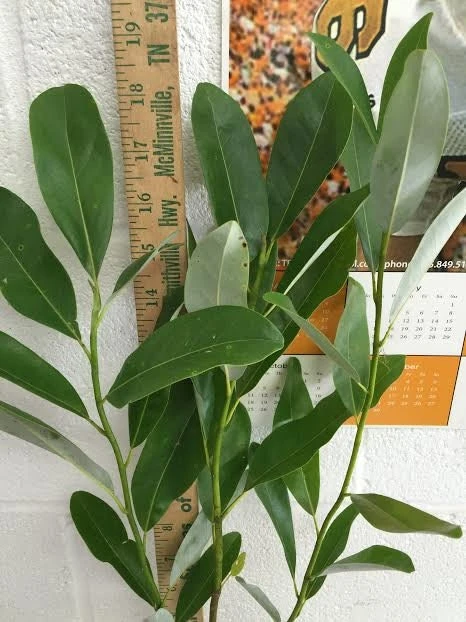
Sweetbay Magnolia Tree Live Plant – Fragrant White Blooms, Quart Pot, 10-18″ Tall
Original price was: 41.91 $.21.91 $Current price is: 21.91 $.
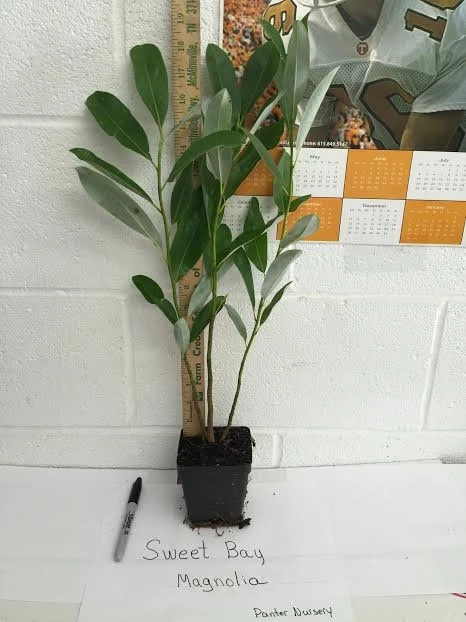
Bring home a beautiful sweetbay magnolia tree, known for its enchanting fragrant magnolia tree white blooms and attractive foliage. This versatile live plant arrives in a quart pot, standing 10-18 inches tall, ready to enhance your garden as a specimen tree or shrub. Ideal for wet soils and hardy in zones 5-10.
Estimated arrival
Oct 15
Oct 20 - Oct 22
Oct 22 - Oct 27
See our Shipping Policy.
Get in touch with us via email, and our team will review your concerns.
Our Alive & Thrive Guarantee covers issues with your plants within the first 30 days. Read our Refund & Returns Policy.
-
USDA Hardiness Zone
5-10 -
Soil Type
Acidic, rich, moist, well-draining soil -
Sunlight Exposure
Full sun to partial sun -
Expected Planting Period
Spring to early fall
Overview
Introduce elegance and natural beauty to your landscape with the exquisite sweetbay magnolia tree. This live plant, also recognized as Swamp Magnolia or Laurel Magnolia, is a distinguished native species to the southeastern United States, extending its reach north along the Atlantic coast to New York. Cherished for its oblong, shiny green foliage with a silvery underside, this magnolia offers a captivating display. Depending on your climate, the foliage can be evergreen to semi-evergreen in warmer southern regions or deciduous in colder northern areas. Standing 10-18 inches tall and shipped in a convenient quart pot, this young tree is perfect for establishing a stunning focal point or integrating into a diverse garden design. Its robust nature makes it an excellent choice for various settings, ensuring a rewarding gardening experience with a plant that thrives in its preferred conditions.
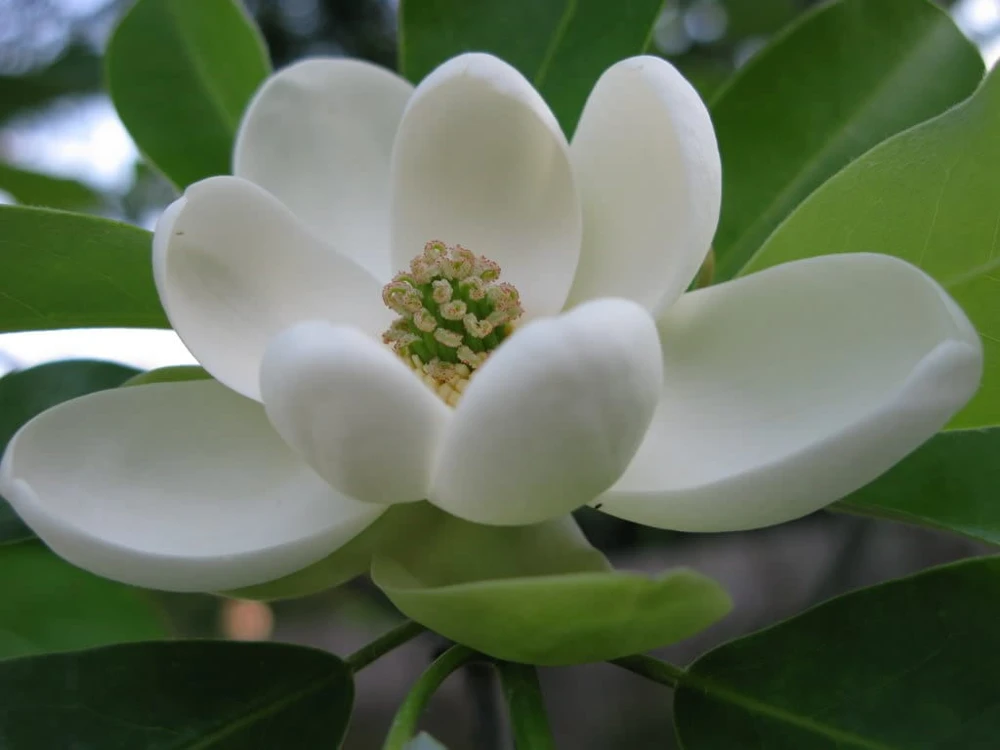
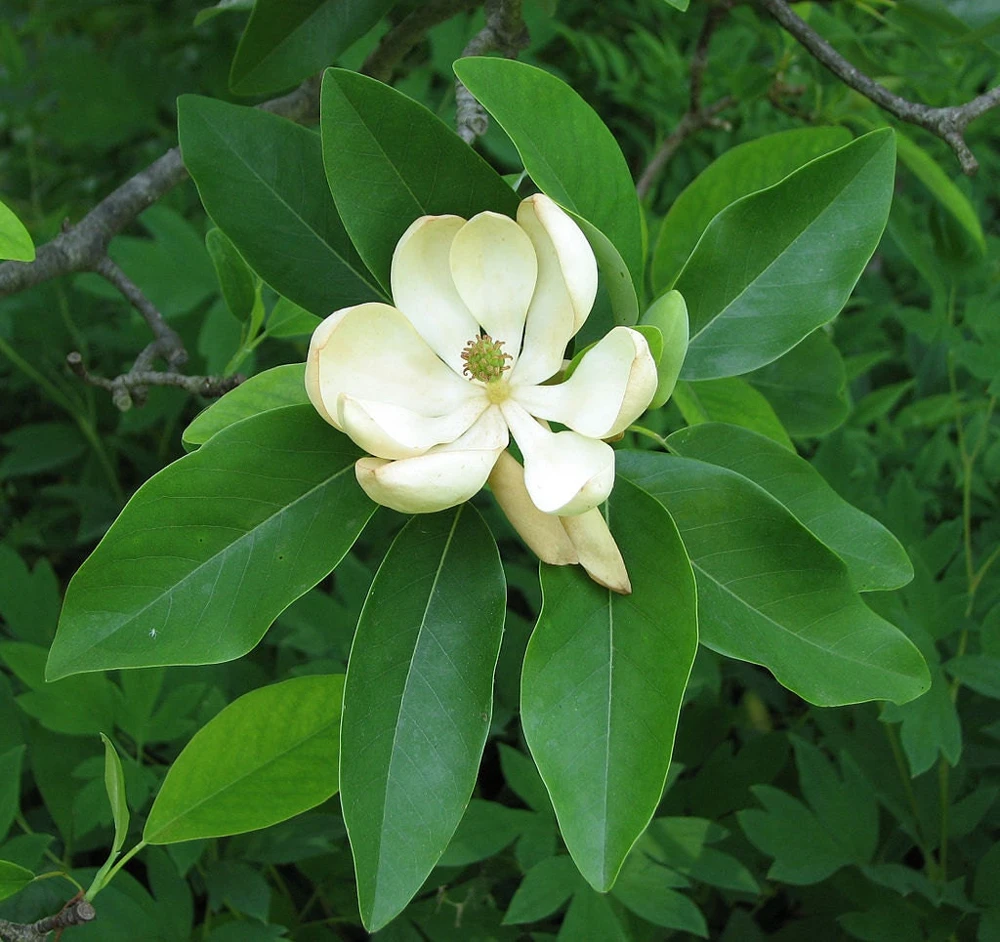
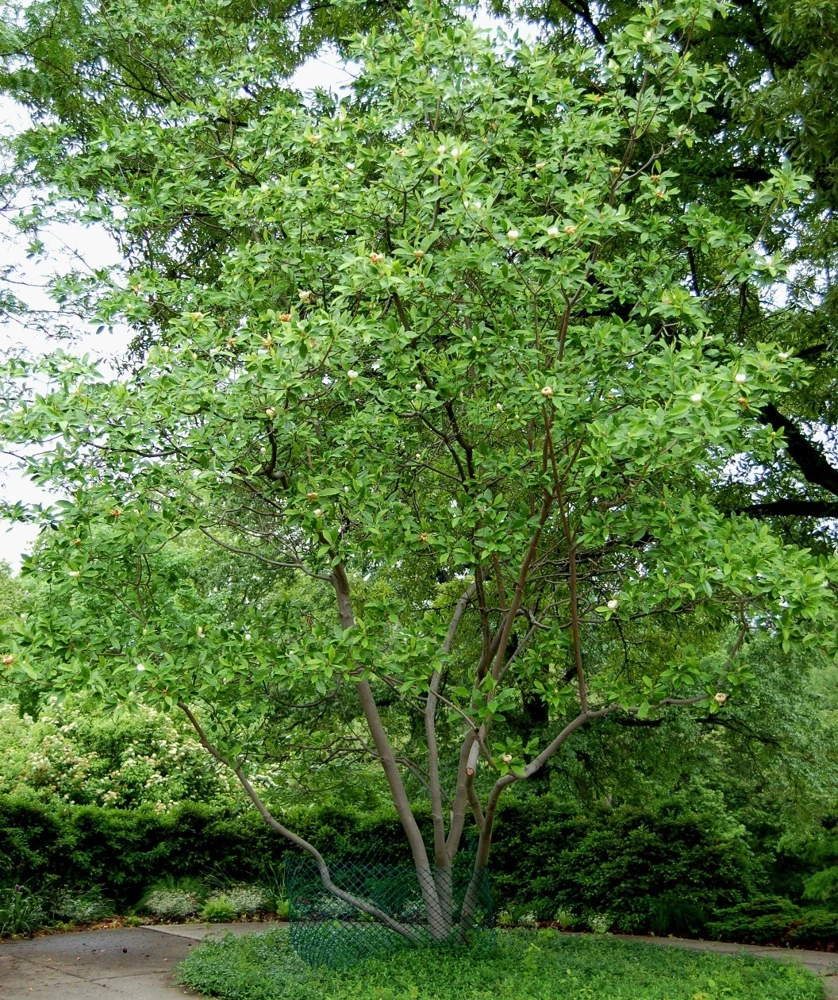
The sweetbay magnolia tree is not just visually appealing; it’s also celebrated for its delicate, creamy white flowers that emit a delightful fragrance. These blooms typically emerge from late May to early June, transforming your garden into a sensory paradise. This adaptable tree is a fantastic addition to lawns as a specimen plant, or it can be cultivated as a tall, multi-stemmed shrub for shrub borders, foundation plantings, or near patios and woodland areas. Its ability to flourish in wet soils, such as those found in low spots or near streams, makes it particularly valuable for challenging garden sites. Embrace the charm and resilience of this magnificent native tree.
Key Benefits
The sweetbay magnolia tree offers a multitude of benefits, making it a highly desirable addition to any garden. From its aesthetic appeal to its adaptability, this plant provides enduring value and beauty. Its unique characteristics contribute to a vibrant and healthy ecosystem, making it a favorite among gardeners seeking both beauty and functionality.
- Fragrant White Blooms: Enjoy the intoxicating, lemon-scented white flowers that appear from late May to early June, adding a delightful aroma to your garden and attracting pollinators. This fragrant magnolia tree creates an inviting atmosphere.
- Attractive Foliage: The oblong, shiny green leaves with silvery undersides provide year-round interest. The foliage is evergreen to semi-evergreen in the south and deciduous in the north, offering seasonal variation.
- Adaptable to Wet Soils: Unlike many trees, the sweetbay magnolia tree thrives in moist to wet conditions, making it an ideal choice for rain gardens, low-lying areas, or near water features where other plants might struggle.
- Versatile Landscape Use: This plant can be grown as a striking specimen tree for lawns, a tall multi-stemmed shrub for borders, or incorporated into foundation plantings and woodland gardens. Its versatility enhances various garden designs.
- Native Species: As a native to the southeastern US, it is well-adapted to local climates and supports local wildlife, contributing to biodiversity and ecological balance. Understanding swamp magnolia plant characteristics is key to its success.
- Hardy and Resilient: With a hardiness range of USDA zones 5-10, this magnolia demonstrates excellent resilience to a variety of climates, ensuring long-term success for gardeners across many regions. This makes it a dependable choice for those looking for a hardy magnolia tree zones 5-10.
- Low Maintenance: Once established, the sweetbay magnolia tree requires relatively little care, making it a great option for both experienced and novice gardeners. Its natural vigor contributes to its ease of maintenance.
Plant Care & Growing Tips
Caring for your sweetbay magnolia tree is straightforward, especially when you understand its natural preferences. This adaptable plant thrives in conditions that mimic its native habitat. For optimal growth, ensure it receives adequate sunlight. While it can tolerate partial shade, it performs best in full sun to partial sun, ideally receiving at least 4-6 hours of direct sunlight per day. Morning sun with some afternoon shade is often ideal in hotter climates to prevent leaf scorch. Proper watering is crucial, particularly during the establishment phase. Keep the soil consistently moist but not waterlogged. The swamp magnolia plant naturally prefers wet conditions, so it’s an excellent choice for areas of your garden that retain moisture.
Soil composition is another key factor for a healthy sweetbay magnolia tree. It prefers acidic, rich, and well-draining soil, but its tolerance for wet feet is a significant advantage. Amend heavy clay soils with organic matter to improve drainage and aeration, or consider planting in areas that naturally stay damp. Regarding temperature, this magnolia is hardy in USDA zones 5-10, making it suitable for a wide range of climates. In northern zones, it may be deciduous, while in southern zones, it can remain evergreen or semi-evergreen. Fertilize in early spring with a balanced, slow-release granular fertilizer formulated for acid-loving plants. Avoid over-fertilizing young plants. Pests and diseases are generally not a major concern, but monitor for common issues like aphids or scale and address them promptly with appropriate organic or chemical controls.
Pruning should be done to maintain shape or remove dead/damaged branches, typically after flowering. For those interested in laurel magnolia care, minimal pruning is usually required, as the tree naturally develops an attractive form. Ensure good air circulation around the plant to prevent fungal issues. Mulching around the base of the tree helps retain soil moisture, regulate soil temperature, and suppress weeds. A 2-4 inch layer of organic mulch, kept a few inches away from the trunk, is beneficial. Following these guidelines will help your sweetbay magnolia tree flourish and provide years of enjoyment.
Size & Details
The sweetbay magnolia tree you will receive is a vibrant live plant, carefully cultivated and shipped in a 4-inch quart pot. Each plant stands approximately 10-18 inches in height, providing a robust start for your garden. This size is ideal for transplanting, allowing the young tree to quickly establish itself in its new environment. With proper care, this magnolia can reach a mature height of up to 30 feet, developing a spread of 10-30 feet, creating a substantial presence in your landscape. Its growth rate is moderate, allowing you to enjoy its progression without an overly rapid expansion.
This species is known for its versatility, capable of growing as either a single-trunked tree or a multi-stemmed shrub, depending on your pruning choices and desired aesthetic. The sweetbay magnolia tree is a long-lived plant, offering decades of beauty and fragrance. Expect the first fragrant white blooms to appear from late May to early June, typically within the first few years after planting, as the tree matures. This plant is shipped as a live, actively growing specimen, ready to be planted upon arrival. Its hardiness in USDA zones 5-10 ensures it can thrive in a broad range of climates, making it a reliable and rewarding choice for many gardeners.
Frequently Asked Questions
- Q: How big does this sweetbay magnolia tree get? A: This particular sweetbay magnolia tree arrives 10-18 inches tall in a quart pot. At maturity, it can reach heights of up to 30 feet with a spread of 10-30 feet, depending on growing conditions and whether it’s trained as a tree or shrub.
- Q: Is this an indoor or outdoor plant? A: The sweetbay magnolia tree is an outdoor plant, ideally suited for garden landscapes, lawns, and naturalized areas. It requires outdoor conditions to thrive and reach its full potential.
- Q: How much sunlight does the fragrant magnolia tree need? A: This fragrant magnolia tree prefers full sun to partial sun, meaning it should receive at least 4-6 hours of direct sunlight per day. In very hot climates, some afternoon shade can be beneficial.
- Q: Is this swamp magnolia plant easy to care for? A: Yes, the swamp magnolia plant is considered relatively low-maintenance once established. It’s quite adaptable, especially to wet soils, and generally resistant to pests and diseases, making laurel magnolia care manageable for most gardeners.
- Q: What condition will it arrive in? A: Your sweetbay magnolia will arrive as a live, actively growing plant in a 4-inch quart pot, ready for planting. We ensure careful packaging to protect the plant during transit.
- Q: When is the best time to plant a magnolia tree zones 5-10? A: The best time to plant a magnolia tree zones 5-10 is in spring or early fall. This allows the plant to establish its root system before the stress of extreme summer heat or winter cold.
- Q: Will the sweetbay magnolia tree survive winter in my zone? A: The sweetbay magnolia tree is hardy in USDA zones 5-10. If you are within these zones, it should successfully overwinter. In colder zones (5-6), it will likely be deciduous, while in warmer zones (7-10), it may remain evergreen or semi-evergreen.
- Q: What type of soil does this plant prefer? A: This magnolia prefers acidic, rich, and consistently moist soil. It is particularly tolerant of wet soils, making it suitable for areas where other trees might struggle with drainage.
- Q: How often should I water my sweetbay magnolia? A: Keep the soil consistently moist, especially during the first year after planting. Once established, it is fairly drought-tolerant but will perform best with regular watering, particularly during dry spells.
- Q: Can I prune my sweetbay magnolia tree to keep it smaller? A: Yes, you can prune the sweetbay magnolia tree to manage its size and shape. Pruning should ideally be done after it finishes flowering in late spring to early summer to avoid cutting off the current season’s blooms.
Be the first to review “Sweetbay Magnolia Tree Live Plant – Fragrant White Blooms, Quart Pot, 10-18″ Tall”
Related products


You May Like

Hardneck vs. Softneck Garlic: Which Should You Grow?
Have you ever stood in front of a seed catalog in mid-September, staring at dozens [...]
Oct

When to Plant Music Garlic: Ultimate US Fall Guide
Have you ever spent your fall weekend placing carefully chosen garlic cloves into rich, dark [...]
1 Comment
Oct

5 Best Bulbs for Fall Planting: Brighten Your Garden This Spring
Are you dreaming of a garden full of vibrant colors in the spring? The key [...]
Aug

10 Houseplants That Will Thrive in Your Kitchen
Are you tired of your kitchen feeling dull and lifeless? Want to add a little [...]
1 Comment
Aug
Reviews
There are no reviews yet.