
Texas Lantana Plant – Live 1 Gallon Fully Rooted Shrub – Outdoor Sun
Original price was: 79.99 $.49.99 $Current price is: 49.99 $.
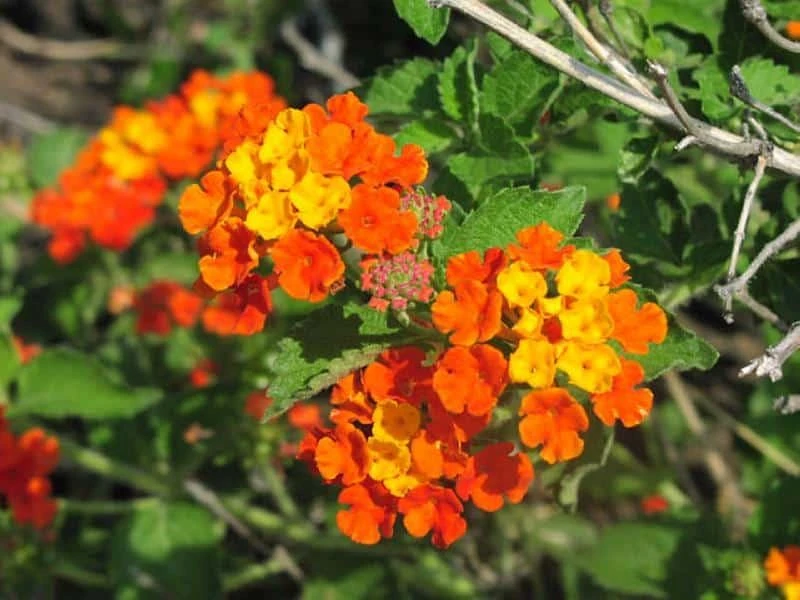
Enhance your garden with a vibrant Texas Lantana live plant, supplied in a 1 gallon trade pot. This tough, drought tolerant lantana shrub features colorful red, orange, and yellow flowers that bloom from spring to fall, attracting butterflies and birds. It’s an excellent choice for sunny, dry locations and is known for being deer resistant plants, making it a low-maintenance addition to your landscape.
Estimated arrival
Oct 15
Oct 20 - Oct 22
Oct 22 - Oct 27
See our Shipping Policy.
Get in touch with us via email, and our team will review your concerns.
Our Alive & Thrive Guarantee covers issues with your plants within the first 30 days. Read our Refund & Returns Policy.
-
USDA Hardiness Zone
USDA Zones 8-11 -
Soil Type
Poor, well-drained soils -
Sunlight Exposure
Full Sun -
Expected Planting Period
Spring to Fall blooming
Overview
Introduce a burst of vibrant color and natural charm to your landscape with the beautiful Texas Lantana live plant. This hardy and adaptable shrub, scientifically known as Lantana urticoides, is a spreading, much-branched plant that thrives in warm climates and full sun. Originally native to Texas and surrounding regions, this plant is also commonly referred to as Calico Bush. Its striking clusters of red, orange, and yellow flowers bloom profusely from April to October, providing continuous visual interest throughout the growing season. Perfect for gardeners seeking a low-maintenance yet impactful addition, the Texas Lantana live plant is a fantastic choice for xeriscaping, attracting pollinators, and adding a touch of the wild to your garden. We provide a fully rooted specimen in a 1 gallon container, ready to establish quickly in its new home.
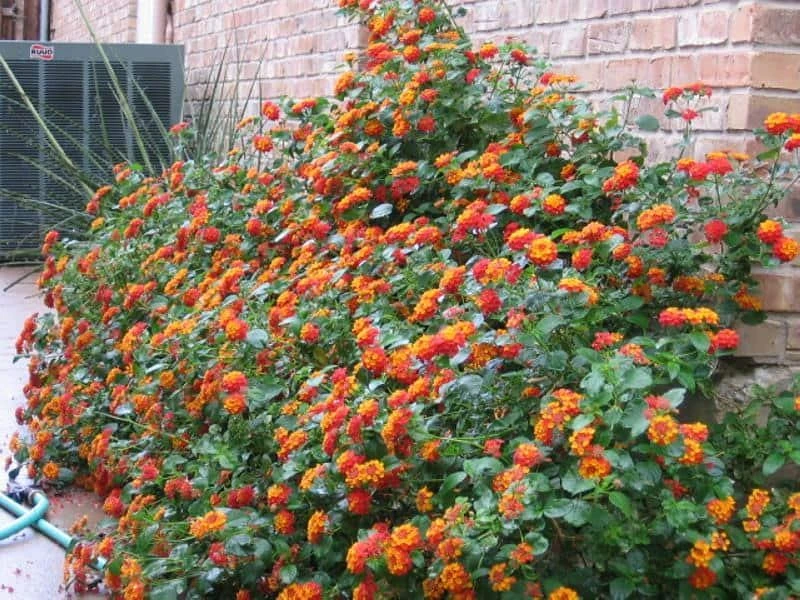
The Lantana urticoides care is straightforward, making it an ideal plant for both experienced gardeners and beginners. Its resilience to various challenging conditions, including heat and dry soils, sets it apart. This plant not only beautifies your space but also supports local ecosystems by being a significant nectar source for butterflies and birds. With its attractive foliage and showy blooms, the Texas Lantana is a versatile shrub that can be used as a low to medium flowering ground cover or as part of a mixed border.
Key Benefits
The Texas Lantana live plant offers a multitude of benefits that make it a highly desirable addition to any garden. Its robust nature and aesthetic appeal contribute to a vibrant and thriving outdoor space. When you choose this plant, you’re investing in beauty, resilience, and ecological support.
- Vibrant, Long-Lasting Blooms: Enjoy a prolonged display of colorful red, orange, and yellow flowers from spring through fall, adding consistent visual appeal to your garden. These conspicuous flowers are a hallmark of the Texas Lantana live plant.
- Attracts Beneficial Wildlife: The abundant nectar from its flowers serves as a magnet for butterflies and birds, enhancing the biodiversity and natural beauty of your outdoor environment.
- Exceptional Drought Tolerance: Once established, this plant requires minimal water, making it an excellent choice for water-wise gardening and regions with dry climates. This characteristic makes it a prime example of a drought tolerant lantana.
- High Deer Resistance: Known for being highly unappealing to deer, the Texas Lantana is a perfect solution for gardens in areas prone to deer browsing, helping to protect your landscape investment. It is one of the best deer resistant plants available.
- Low Maintenance & Hardy: Thrives in poor, well-drained soils and full sun with little intervention, allowing you more time to enjoy your garden rather than tending to it. The easy Lantana urticoides care ensures a healthy plant with minimal effort.
- Versatile Landscape Use: Can be utilized as a spreading shrub, a flowering ground cover, or an accent plant in rock gardens and borders, adapting well to various landscape designs.
- Heat Tolerant: This plant excels in hot conditions, providing reliable color and growth even during the peak of summer, making it a robust choice for sunny exposures.
Plant Care & Growing Tips
Caring for your Texas Lantana live plant is relatively easy, as it is a resilient and adaptable shrub. To ensure optimal growth and continuous blooming, understanding its basic needs is key. This plant thrives in environments that mimic its natural habitat.
Sunlight Requirements: The Texas Lantana live plant demands full sun exposure to flourish and produce its abundant colorful flowers. Aim for at least 6-8 hours of direct sunlight per day. While it can tolerate some partial shade, flowering will be significantly reduced, and the plant may become leggy. Plant it in an open, unshaded area where it can receive maximum light throughout the day. This strong preference for sun is a crucial aspect of Lantana urticoides care.
Watering Schedule and Soil Moisture: Once established, the Texas Lantana is highly drought-tolerant and requires low water use. Water thoroughly after planting to help it settle, then reduce watering frequency. Allow the soil to dry out completely between waterings. Overwatering can lead to root rot, so ensure excellent drainage. During extended dry periods or extreme heat, occasional deep watering may be beneficial, but generally, this is a very drought tolerant lantana.
Soil Type and Drainage Requirements: This plant is not particular about soil quality and actually prefers poor, well-drained soils. Avoid heavy clay soils that retain too much moisture. If your soil is heavy, amend it with sand or grit to improve drainage. A slightly acidic to neutral pH is ideal, but it is quite tolerant. Good drainage is paramount to prevent waterlogged roots.
Temperature Range and USDA Hardiness Zone: The Texas Lantana is heat tolerant and thrives in warm climates. It is typically hardy in USDA Zones 8-11. In colder zones, it can be grown as an annual or brought indoors during winter. In its hardiness zones, it may die back to the ground in winter but will typically regrow from the roots in spring. The stems can become thorny with age, so caution is advised when pruning.
Fertilization Schedule and Type: Due to its preference for poor soils, the Texas Lantana generally does not require heavy fertilization. An annual application of a balanced, slow-release fertilizer in early spring can encourage vigorous growth and blooming, but too much fertilizer can lead to more foliage and fewer flowers. Avoid high-nitrogen fertilizers.
Common Problems and Solutions: Lantana is generally pest and disease resistant. Crinkly leaves may give off a sharp aroma when touched and can cause a skin rash in some individuals, so handling with gloves is recommended. The blue-black fruit clusters are poisonous and should not be ingested. Pruning can help maintain shape and promote new blooms; in winter, gardeners may prune back the plant to manage its size. This plant is one of the more robust deer resistant plants, so animal browsing is rarely an issue.
Size & Details
This offering is for one Texas Lantana live plant, fully rooted and ready for planting in your garden. Each plant is supplied in a standard 1 gallon trade container, which measures approximately 6 inches high with a 6-inch circumference. While these are commonly referred to as ‘1 gallon’ pots in the nursery industry, they typically hold about 0.664 gallons of soil. We ensure that each plant is healthy and robust upon shipment, grown in natural materials that may contain beneficial bacteria and some insect life, though all plants are inspected for pests prior to shipping.
The Texas Lantana live plant is a spreading shrub that can reach a mature size of 3-5 feet tall and equally wide, forming dense mounds over time. Its growth rate is moderate to fast, allowing it to establish quickly in your landscape. Expect vibrant blooms to appear from April to October, providing continuous color for many months. This plant is well-suited for a variety of outdoor applications, from ground cover to border planting, and its mature size contributes significantly to its effectiveness as a deer resistant plants option. Remember that the plant you receive is a young, vigorous specimen, and its size will increase significantly as it grows into a mature, flowering shrub.
Frequently Asked Questions
- Q: How big does this Texas Lantana live plant get? A: A: The Texas Lantana is a spreading shrub that can reach a mature size of approximately 3-5 feet in height and 3-5 feet in width, forming attractive, dense mounds. Its mature size makes it an impactful landscape plant.
- Q: What size pot does the Texas Lantana live plant come in? A: Your plant will arrive fully rooted in a 1 gallon trade nursery pot. These pots are industry standard, measuring approximately 6 inches high and 6 inches in circumference.
- Q: Is this an indoor or outdoor plant? A: The Texas Lantana live plant is primarily an outdoor plant, thriving in full sun and warm climates. It can be grown as an annual in colder zones or brought indoors during winter in areas outside its hardiness range.
- Q: How much sunlight does it need? A: This plant requires full sun exposure, meaning at least 6-8 hours of direct sunlight daily, for optimal growth and prolific flowering. This is a key part of successful Lantana urticoides care.
- Q: Is this plant easy to care for? A: Yes, the Texas Lantana is known for its low maintenance requirements. It’s heat-tolerant, drought-tolerant, and generally pest and disease resistant, making it suitable for beginners and busy gardeners looking for deer resistant plants.
- Q: What condition will it arrive in? A: We carefully inspect all plants before shipping to ensure they are healthy and free from pests. We take all possible precautions for safe transit, and the plant will arrive fully rooted in its container.
- Q: Can I use drought tolerant lantana in a xeriscape garden? A: Absolutely! The Texas Lantana is an excellent choice for xeriscape designs due to its low water needs once established, making it a perfect example of a drought tolerant lantana.
- Q: How long until it blooms? A: Your young Texas Lantana live plant is likely to start blooming in its first growing season, typically from April through October, provided it receives adequate sunlight and proper care.
- Q: Will it survive winter in my zone? A: The Texas Lantana is hardy in USDA Zones 8-11. In these zones, it will likely return each spring, even if it dies back to the ground in winter. In colder zones, it’s best treated as an annual or overwintered indoors.
- Q: Is the Texas Lantana poisonous? A: Yes, the blue-black fruit clusters of the Texas Lantana are poisonous if ingested, so it’s important to keep them away from children and pets. The leaves can also cause a skin rash in some individuals.
- Q: Is this plant considered one of the deer resistant plants? A: Yes, the Texas Lantana is highly regarded as a deer-resistant plant. Deer typically avoid browsing on its foliage, making it a great choice for gardens where deer are a concern.
Be the first to review “Texas Lantana Plant – Live 1 Gallon Fully Rooted Shrub – Outdoor Sun”
Related products


You May Like

Hardneck vs. Softneck Garlic: Which Should You Grow?
Have you ever stood in front of a seed catalog in mid-September, staring at dozens [...]
Oct

When to Plant Music Garlic: Ultimate US Fall Guide
Have you ever spent your fall weekend placing carefully chosen garlic cloves into rich, dark [...]
1 Comment
Oct

5 Best Bulbs for Fall Planting: Brighten Your Garden This Spring
Are you dreaming of a garden full of vibrant colors in the spring? The key [...]
Aug

10 Houseplants That Will Thrive in Your Kitchen
Are you tired of your kitchen feeling dull and lifeless? Want to add a little [...]
1 Comment
Aug
Reviews
There are no reviews yet.