
Thimbleberry Live Plant – Native Berry Shrub – 3-4″ Tall – 4″ Pot – Edible Berries
Original price was: 45.59 $.25.59 $Current price is: 25.59 $.
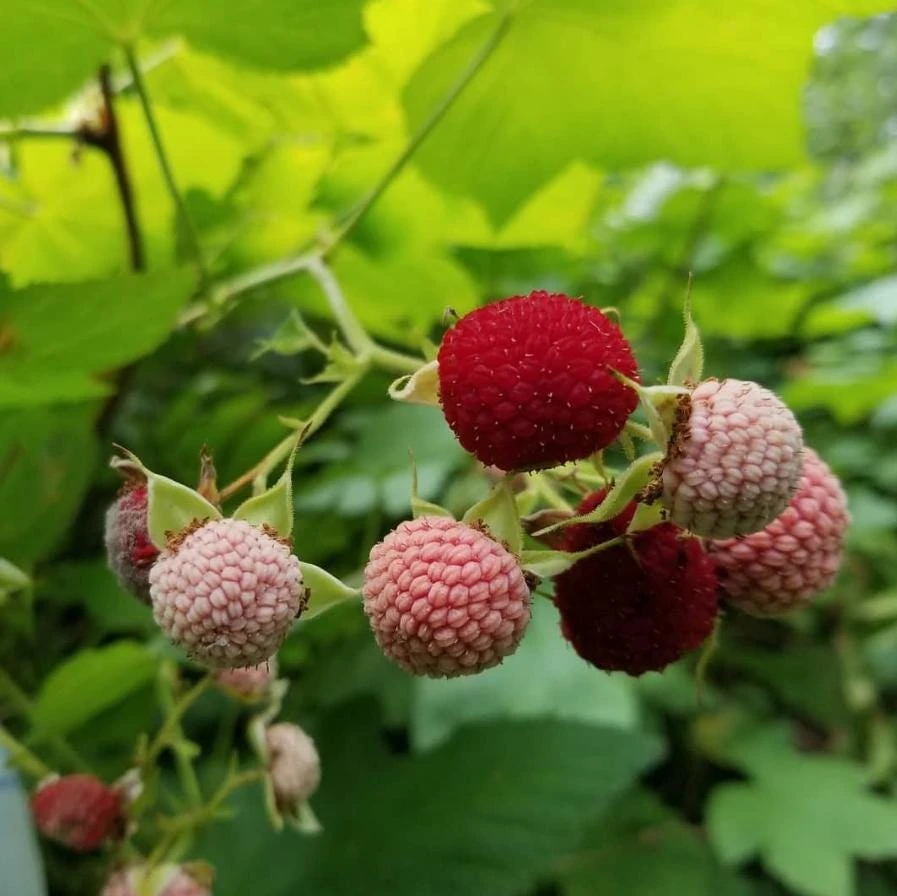
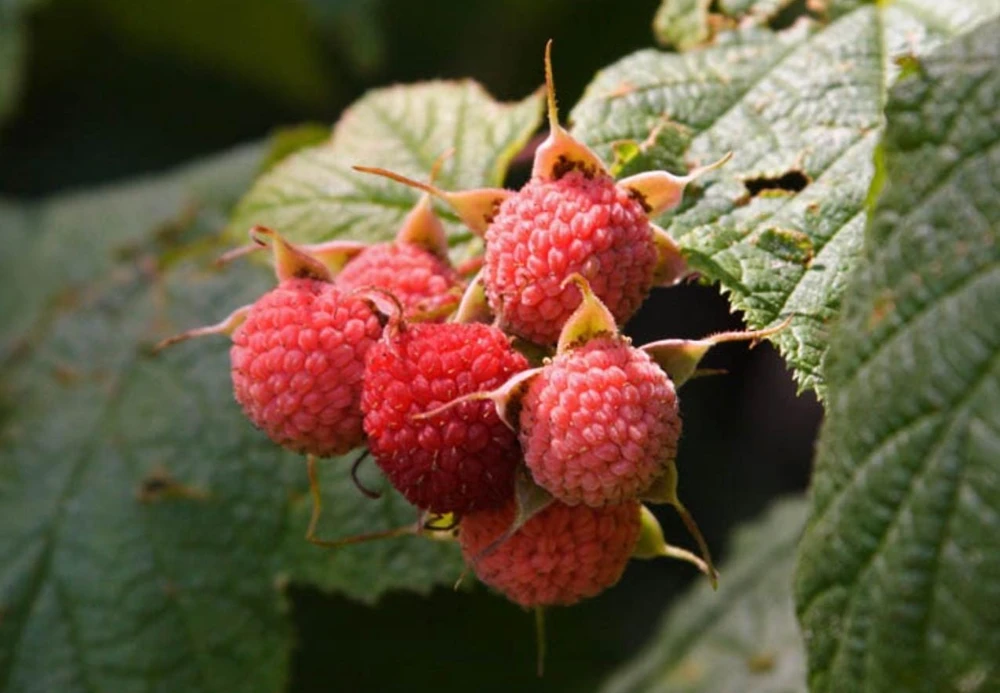
Bring a unique native edible plant to your garden with one Thimbleberry live plant. This deciduous berry shrub offers soft red edible berries and large maple-like leaves. Thrives in shaded environments, perfect for woodland gardens. Ships in a 4-inch pot, approximately 3-4 inches tall.
Estimated arrival
Oct 19
Oct 24 - Oct 26
Oct 26 - Oct 31
See our Shipping Policy.
Get in touch with us via email, and our team will review your concerns.
Our Alive & Thrive Guarantee covers issues with your plants within the first 30 days. Read our Refund & Returns Policy.
-
USDA Hardiness Zone
USDA Zones 3-8 -
Soil Type
Rich, organic, well-draining soil -
Sunlight Exposure
Partial shade to full shade -
Expected Planting Period
Spring to early fall
Overview
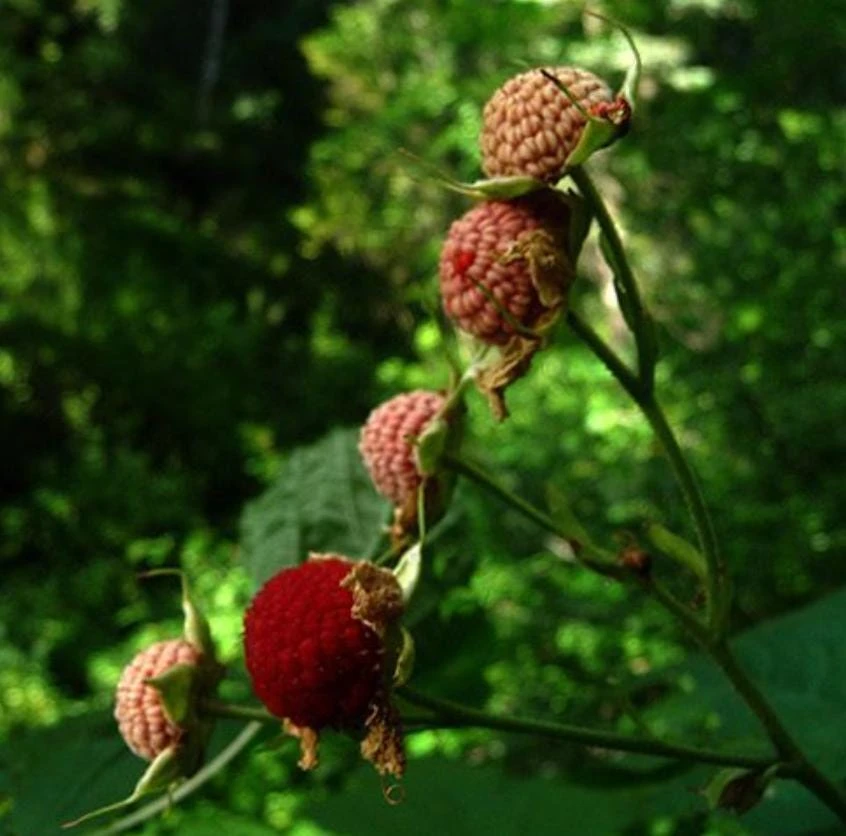
Introduce a delightful and indigenous touch to your landscape with the Thimbleberry live plant. This beautiful deciduous shrub, scientifically known as Rubus parviflorus, is cherished for its ornamental appeal and its soft, palatable red berries. Originating from western North America, the Thimbleberry live plant is a fantastic addition to naturalized gardens, woodland settings, or any area seeking a shade-tolerant, fruit-bearing specimen. Its distinctive large, velvety, maple-like leaves provide a lush texture, while the delicate white flowers in spring give way to sweet, edible fruits in summer. Enjoy the beauty and bounty of this resilient native plant that not only enhances your garden’s biodiversity but also provides food for local wildlife.
The Thimbleberry live plant is a hardy and relatively low-maintenance option for gardeners looking to cultivate a piece of native flora. It adapts well to various soil conditions, preferring moist, well-draining soil, and thrives in partial to full shade. This makes it an ideal choice for understory plantings where other fruit-bearing plants might struggle. Each plant is grown with care and shipped ready for transplanting into your garden, offering a rewarding experience for both novice and experienced gardeners.
Key Benefits
The Thimbleberry live plant offers a multitude of benefits, making it an excellent choice for a diverse and productive garden:
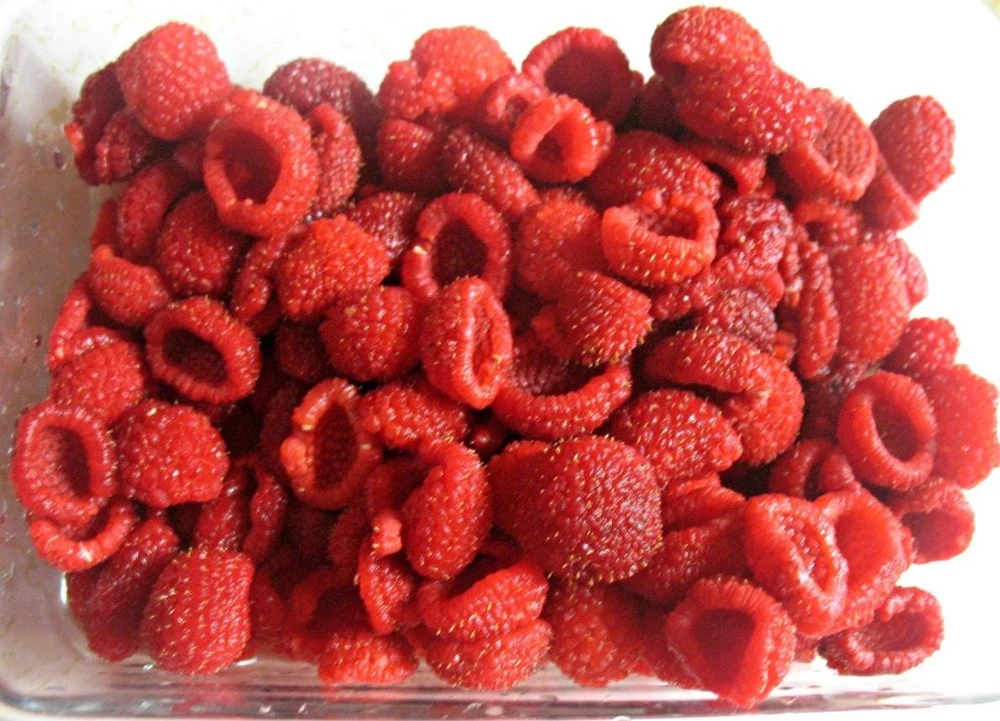
- Edible Berries: Enjoy soft, sweet, red berries that are perfect for fresh eating, jams, jellies, or preserves. These delicious fruits add a unique flavor profile to your culinary creations.
- Native Ecosystem Support: As a native berry shrub, it provides essential food and habitat for local wildlife, including birds and pollinators, contributing to ecological balance.
- Shade Tolerance: Thrives in partial to full shade, making it an ideal plant for woodland gardens, understory plantings, or other areas with limited direct sunlight where many other fruit plants would fail.
- Ornamental Foliage: Features large, attractive, maple-like leaves that provide a lush, textural element to your garden throughout the growing season.
- Low Maintenance: Once established, this hardy shrub requires minimal care, making it suitable for gardeners seeking a resilient and self-sufficient plant.
- Drought Resistance: While preferring consistent moisture, established edible thimbleberry plants show good tolerance to drier periods.
- Erosion Control: Its spreading root system can help stabilize soil on slopes and in naturalized areas, preventing erosion.
Plant Care & Growing Tips
Caring for your Thimbleberry live plant is straightforward, ensuring a healthy and productive shrub for years to come. Thimbleberries prefer a location with partial shade to full shade, mimicking their natural woodland habitat. Aim for at least 4-6 hours of indirect sunlight daily. While they can tolerate some direct morning sun, intense afternoon sun can scorch their large leaves, especially in hotter climates. For optimal growth, plant your Thimbleberry in rich, organic, well-draining soil. Amending your soil with compost or other organic matter will improve its fertility and moisture retention.
Consistent moisture is key, especially during the establishment phase and dry spells. Water regularly to keep the soil evenly moist but not waterlogged. Avoid letting the soil dry out completely between waterings. Once established, the native berry shrub is more tolerant of varying moisture levels but will perform best with consistent hydration. Thimbleberries are cold-hardy, typically thriving in USDA zones 3-8, and generally require no special winter protection in these regions. Fertilize in early spring with a balanced, slow-release fertilizer to support vigorous growth and fruit production. Pruning is best done after fruiting, removing any old, weak, or dead canes to encourage new growth and maintain plant health. This also helps improve air circulation and sunlight penetration.
Common issues for Thimbleberry live plant are few, but watch for signs of fungal diseases in overly humid conditions or pest infestations like aphids. Ensuring good air circulation and proper watering can prevent most problems. For the best yield of edible thimbleberry, ensure they receive adequate moisture and are planted in a location that provides sufficient shade from the harsh afternoon sun.
Size & Details
This offering includes one Thimbleberry live plant, meticulously grown and prepared for shipping. Each plant arrives in an individual 4-inch nursery pot, providing a robust root system for successful transplanting. At the time of shipping, the plant will measure approximately 3-4 inches tall, representing a healthy starter size ready to establish in your garden. While the photos may depict a mature plant, your shipped specimen will be a young, vibrant starter plant, allowing you to nurture its growth from an early stage. The pot size indicates the root system’s development, which is crucial for successful establishment, rather than the immediate height of the foliage.
The Rubus parviflorus typically grows into a medium-sized deciduous shrub, reaching heights of 3 to 8 feet with a similar spread when mature. Its growth rate is moderate, and with proper care, you can expect it to establish and begin producing its delightful berries within a year or two. The large, soft leaves contribute significantly to its overall size and presence in the garden. This shade fruit plant is a long-term investment, providing seasonal interest with its flowers, foliage, and delicious fruit for many years.
Frequently Asked Questions
- Q: How big does this plant get? A: A mature Thimbleberry live plant typically grows 3 to 8 feet tall and wide, forming a dense, attractive shrub. Its size can be managed with pruning.
- Q: What size pot does it come in? A: Each Thimbleberry live plant is shipped in a 4-inch nursery pot, ensuring a healthy root system ready for transplanting into your garden.
- Q: Is this an indoor or outdoor plant? A: Thimbleberry is primarily an outdoor plant, ideally suited for woodland gardens, naturalized areas, and shaded landscapes. It is a hardy native berry shrub.
- Q: How much sunlight does it need? A: This plant thrives in partial shade to full shade. It prefers locations with filtered light or morning sun and protection from intense afternoon sun.
- Q: Is this plant easy to care for? A: Yes, once established, the Thimbleberry live plant is relatively low-maintenance. It requires consistent moisture and occasional pruning.
- Q: What condition will it arrive in? A: Your plant will arrive as a young, live specimen, approximately 3-4 inches tall in its 4-inch pot, carefully packaged to ensure its health during transit.
- Q: Can I eat the berries? A: Absolutely! The Thimbleberry produces soft, red, edible berries that are sweet and flavorful, perfect for fresh consumption or culinary uses. This is a true edible thimbleberry.
- Q: When is the best time to plant? A: Thimbleberries can be planted in spring or early fall. Ensure the soil is workable and free from extreme temperatures for best establishment.
- Q: Will it survive winter in my zone? A: Thimbleberries are cold-hardy and generally thrive in USDA Zones 3-8, requiring no special winter protection in these climates.
- Q: What type of soil does it prefer? A: The Rubus parviflorus prefers rich, organic, and consistently moist, well-draining soil for optimal growth and fruit production.
Be the first to review “Thimbleberry Live Plant – Native Berry Shrub – 3-4″ Tall – 4″ Pot – Edible Berries”
Related products


You May Like

Hardneck vs. Softneck Garlic: Which Should You Grow?
Have you ever stood in front of a seed catalog in mid-September, staring at dozens [...]
Oct

When to Plant Music Garlic: Ultimate US Fall Guide
Have you ever spent your fall weekend placing carefully chosen garlic cloves into rich, dark [...]
1 Comment
Oct

5 Best Bulbs for Fall Planting: Brighten Your Garden This Spring
Are you dreaming of a garden full of vibrant colors in the spring? The key [...]
Aug

10 Houseplants That Will Thrive in Your Kitchen
Are you tired of your kitchen feeling dull and lifeless? Want to add a little [...]
1 Comment
Aug
Reviews
There are no reviews yet.