
Thornless Honeylocust Tree Live Plant 12-24″ Tall – Gleditsia triacanthos inermis, Quart Pot, Outdoor Shade Tree
Original price was: 79.99 $.54.99 $Current price is: 54.99 $.
Cultivate a beautiful landscape with the thornless honeylocust tree. This 12-24 inch live plant, Gleditsia triacanthos inermis, is a fast-growing, adaptable shade tree known for its delicate foliage and urban tolerance. Ideal for various soil conditions and drought resistance, making it an excellent choice for any garden. Learn more about honeylocust care for optimal growth.
Estimated arrival
Oct 17
Oct 22 - Oct 24
Oct 24 - Oct 29
See our Shipping Policy.
Get in touch with us via email, and our team will review your concerns.
Our Alive & Thrive Guarantee covers issues with your plants within the first 30 days. Read our Refund & Returns Policy.
-
USDA Hardiness Zone
USDA Zones 3-9 -
Soil Type
Adaptable to various soils, prefers well-draining -
Sunlight Exposure
Full sun -
Expected Planting Period
Early spring to fall
Overview
Introduce a magnificent addition to your landscape with the thornless honeylocust tree. This Gleditsia triacanthos inermis live plant, standing 12-24 inches tall and supplied in a quart pot, is a remarkable deciduous shade tree known for its rapid growth and elegant, fern-like foliage. Unlike its wild counterparts, this variety is completely thornless, making it a safe and attractive choice for residential areas, parks, and urban environments. The thornless honeylocust tree is celebrated for its incredible adaptability, thriving in a wide range of challenging conditions where other trees might struggle. It is a perfect specimen for those seeking a robust, low-maintenance, and visually appealing tree that provides ample shade and contributes positively to the local ecosystem. Its unique aesthetic and resilience make it a standout choice for both novice and experienced gardeners looking to enhance their outdoor spaces with a long-lived and beautiful tree.
The botanical name, Gleditsia triacanthos inermis, specifically denotes the thornless variant of the common honeylocust. This distinction is crucial, as it eliminates the safety concerns associated with the formidable thorns found on the wild species. This particular offering is a starter plant, ready to be nurtured into a grand, majestic tree. Its delicate leaves create a light, dappled shade, allowing grass and underplantings to thrive beneath its canopy. The thornless honeylocust tree is not just a pretty face; it’s a workhorse in the landscape, providing environmental benefits such as improved air quality and soil stabilization. Its graceful form and resilient nature ensure it will be a cherished part of your garden for decades to come.
Key Benefits
Choosing the thornless honeylocust tree for your garden offers a multitude of advantages, blending aesthetic appeal with practical benefits. This adaptable shade tree is an investment in the beauty and functionality of your outdoor space, providing long-term value and enjoyment. Here are some of the key benefits you can expect:
- Exceptional Adaptability: The thornless honeylocust tree is incredibly tolerant of diverse environmental conditions. It thrives in various soil types, including clay, sandy, and loamy, and can withstand both drought and temporary flooding. This makes it an ideal choice for challenging urban environments where soil quality and water availability can be inconsistent.
- Rapid Growth Rate: Known for being a fast growing tree, the honeylocust quickly establishes itself and provides shade. This rapid development means you won’t have to wait years to enjoy the benefits of a mature tree, making it an excellent option for new landscapes or those looking for quick impact.
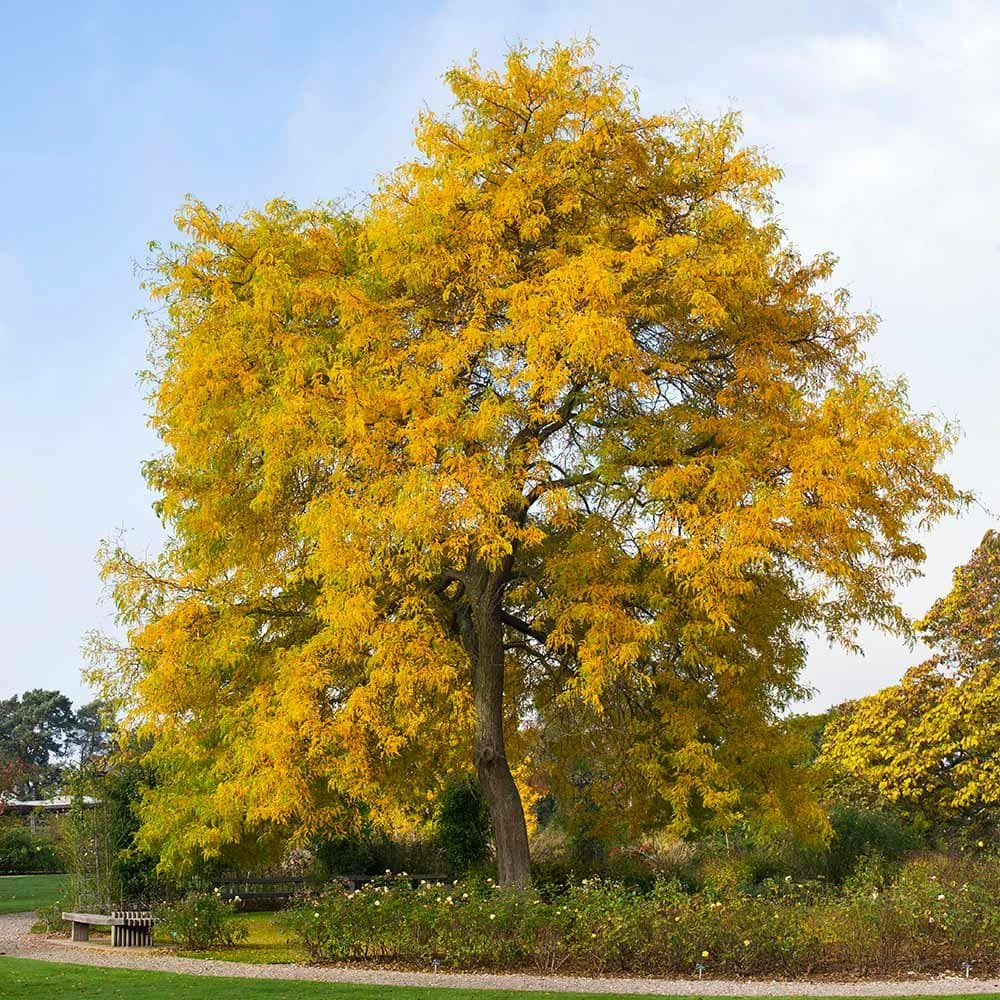
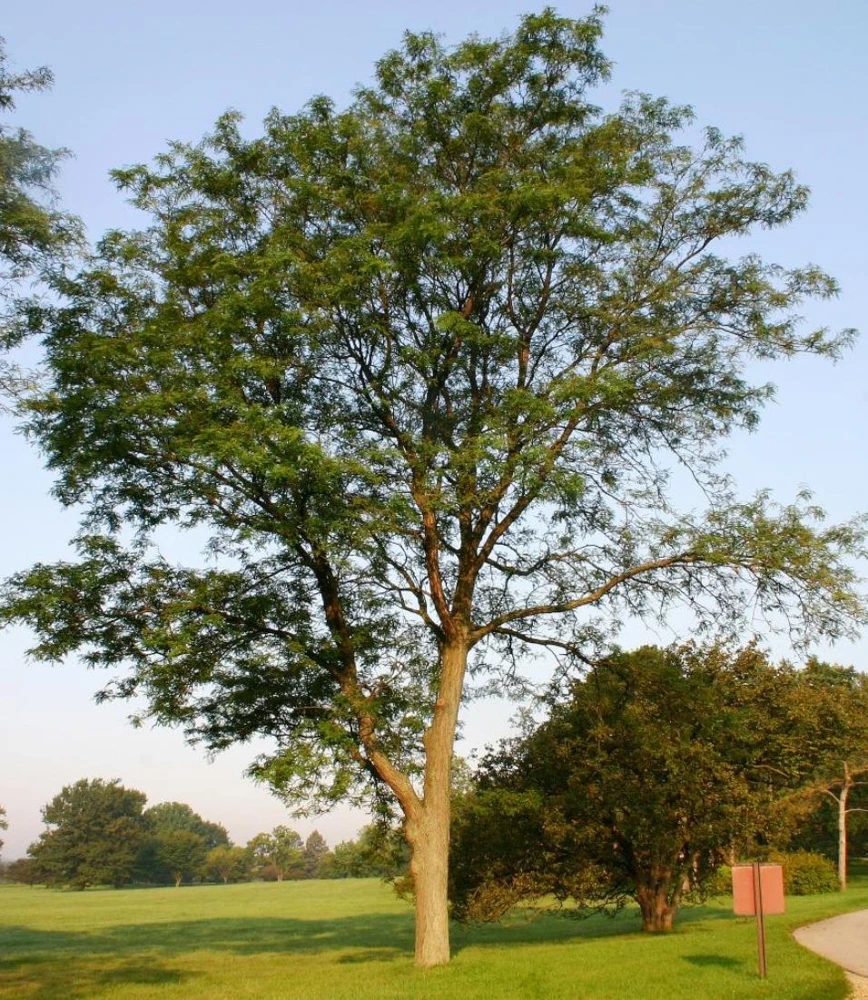
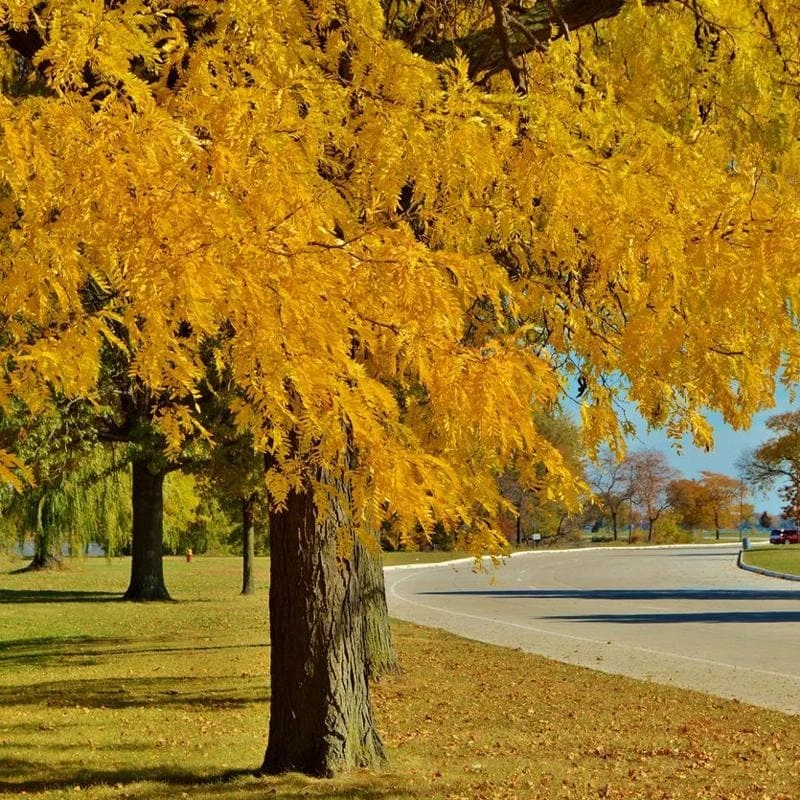
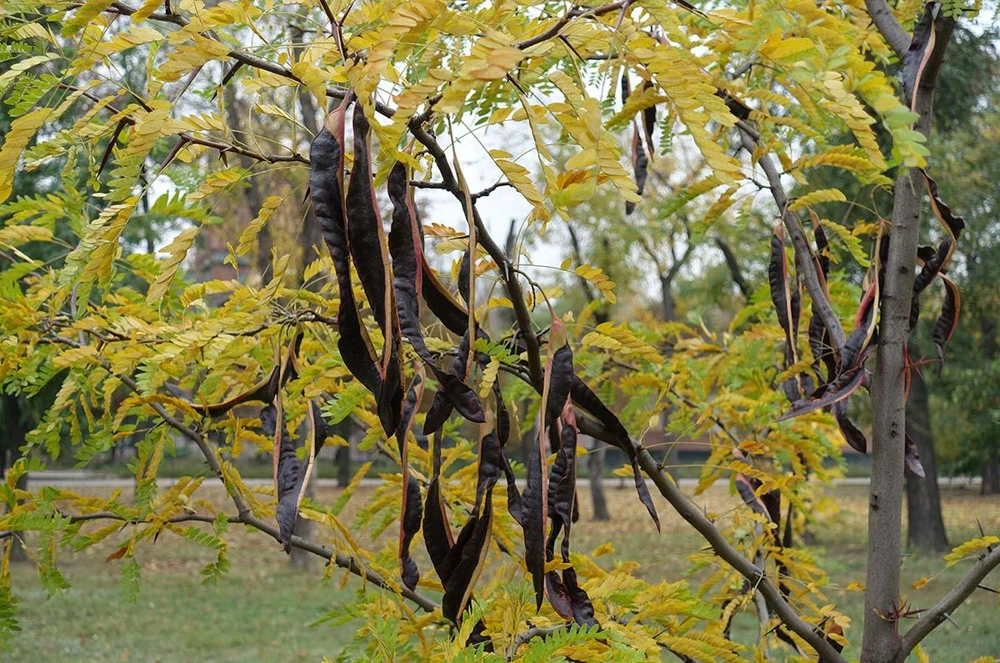
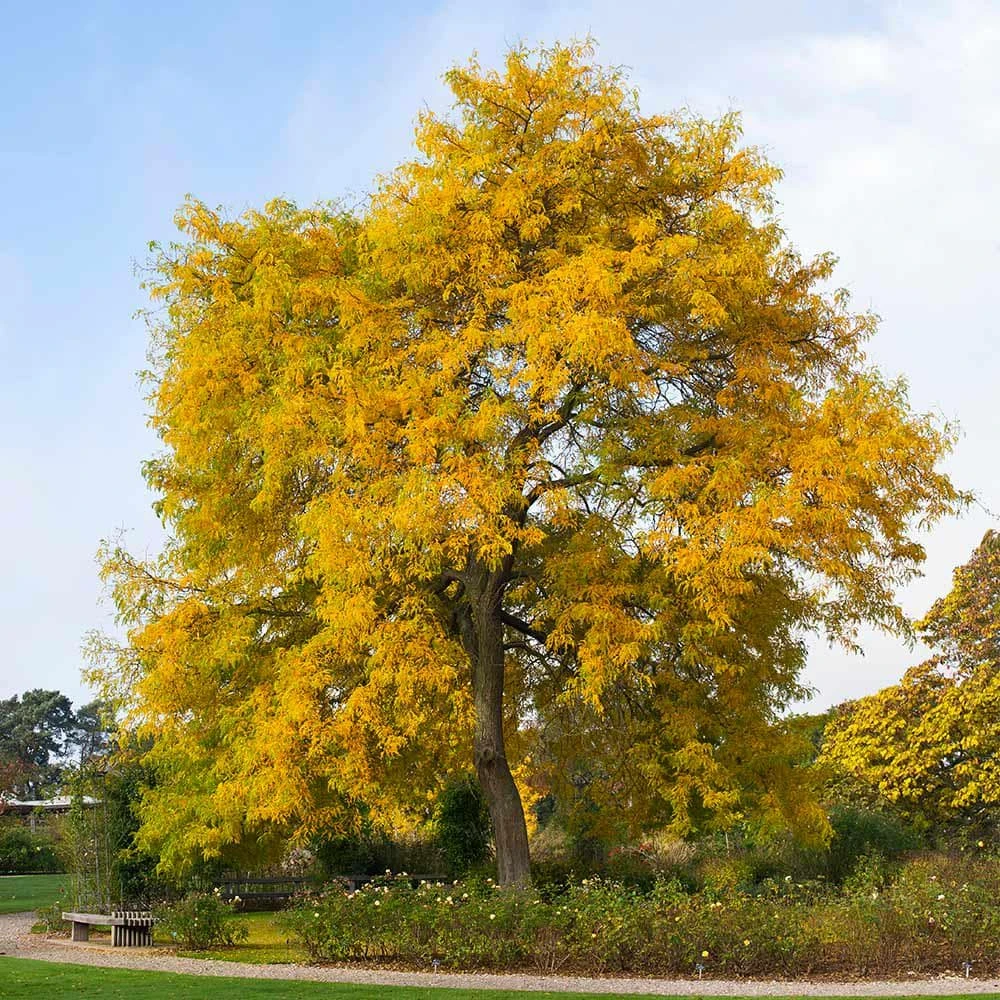
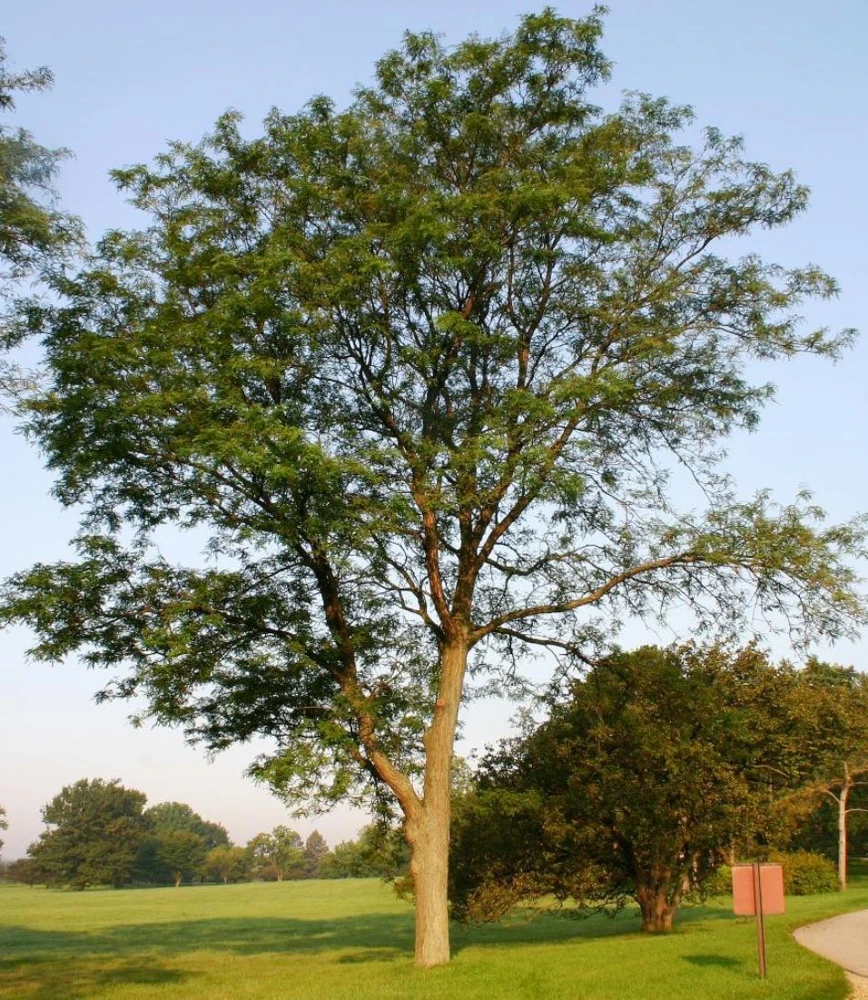
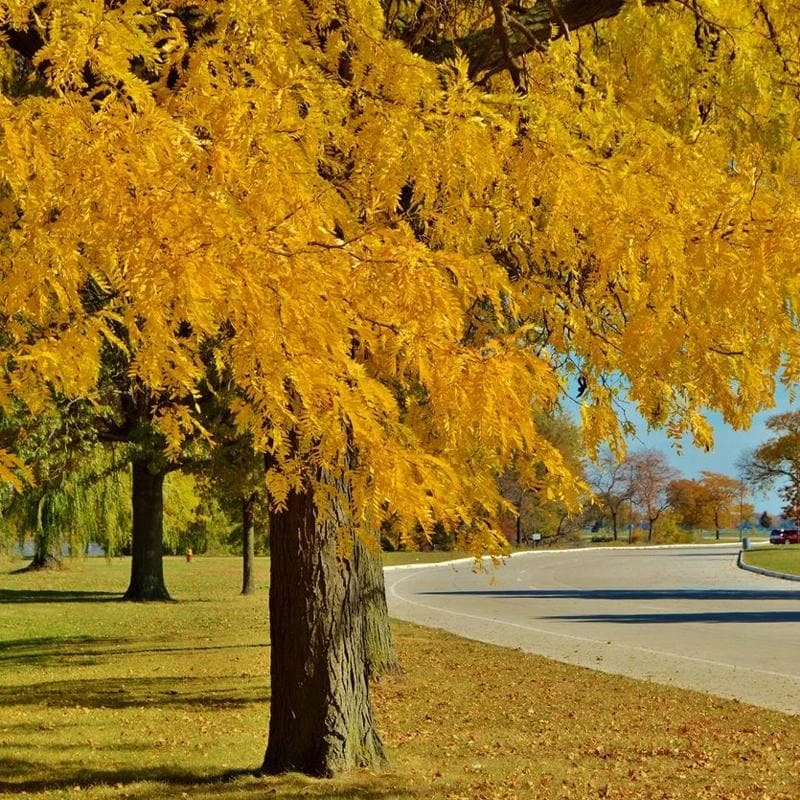
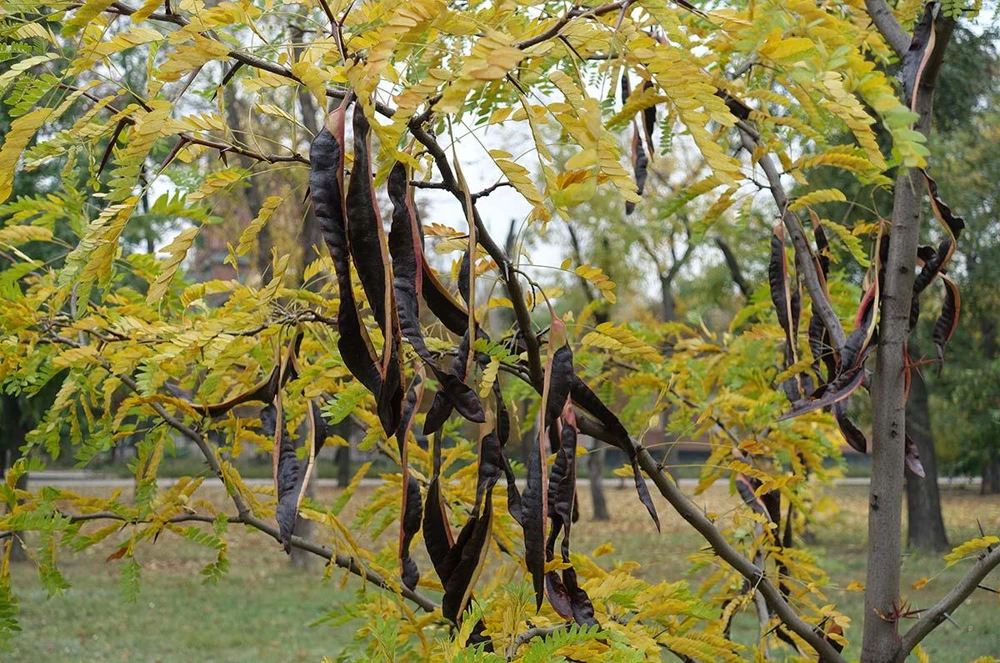
- Delicate, Fern-like Foliage: Its finely textured leaves provide a light, dappled shade that is perfect for growing grass or other plants underneath. The bright green foliage turns a lovely yellow in the fall, adding seasonal interest to your garden without creating dense, heavy shade.
- Thornless Variety: As the name suggests, this specific cultivar lacks the large, sharp thorns found on the wild honeylocust. This feature significantly enhances safety, especially in areas frequented by children and pets, making it a more desirable landscape tree.
- Urban Tolerance: The thornless honeylocust tree is highly tolerant of urban stressors such as pollution, compacted soil, and road salt. Its resilience makes it a popular choice for street trees, commercial properties, and residential areas in city settings.
- Low Maintenance: Once established, this tree requires minimal care. Its disease and pest resistance, combined with its tolerance for various conditions, means less time spent on upkeep and more time enjoying its beauty.
- Provides Excellent Shade: With its broad canopy and relatively quick growth, the thornless honeylocust is an outstanding shade tree, helping to cool your home and outdoor living spaces during hot summer months, potentially reducing energy costs.
Plant Care & Growing Tips
Proper honeylocust care is essential to ensure your thornless honeylocust tree establishes well and thrives for many years. While known for its hardiness, providing optimal conditions during its initial growth phase will lead to a stronger, healthier tree. These trees prefer full sun exposure, meaning at least 6 hours of direct sunlight per day is ideal for robust growth and overall vitality. While it can tolerate some partial shade, full sun will encourage the best development and density of foliage. When planting, dig a hole that is twice as wide as the root ball and just as deep, ensuring the tree is planted at the same level it was in its nursery pot. Gently loosen any circling roots before placing the tree in the hole.
Watering is crucial, especially during the first year after planting. Water regularly and deeply to encourage a strong root system, typically once or twice a week, depending on rainfall and soil conditions. The soil should be consistently moist but not waterlogged. Once established, the thornless honeylocust tree is remarkably drought-tolerant, requiring less frequent irrigation. It adapts to a wide range of soil types, from sandy to clay, but prefers well-draining conditions. Amending heavy clay soils with organic matter can improve drainage and aeration, benefiting root development. Fertilization is generally not necessary for established trees in good soil, but a balanced, slow-release fertilizer can be applied in spring for young trees or those in poor soil conditions. Follow product instructions for application rates.
The gleditsia triacanthos inermis is hardy in USDA zones 3-9, making it suitable for a vast majority of climates across the United States. Pruning should be done in late winter or early spring while the tree is dormant. Focus on removing any dead, damaged, or crossing branches to maintain a strong structure and good air circulation. You can also prune to shape the canopy and remove any suckers that may emerge from the base. While generally pest and disease resistant, keep an eye out for common issues like cankers or webworms, though these are typically not severe for the thornless variety. With proper honeylocust care, your tree will grow into a magnificent specimen.
Size & Details
This offering is for one thornless honeylocust tree, a live starter plant that typically arrives at a height of 12-24 inches, measured from the soil line to the top of the plant. It is provided in a quart-sized pot, which is an ideal size for a young tree to establish its root system before being transplanted into its permanent location in your garden. While the initial height is modest, the Gleditsia triacanthos inermis is renowned as a fast growing tree, often adding several feet of height per year under optimal conditions. Upon maturity, this adaptable shade tree can reach an impressive height of 30-70 feet with a spread of 30-50 feet, developing a broad, open canopy that provides ample shade.
The plant is shipped as a bare root specimen, which is a common and effective method for transporting dormant trees and ensures a successful transition to your landscape. This means the tree will arrive with its roots carefully packaged, free of soil, ready for immediate planting. The growth rate is considered fast, meaning you can expect to see significant development in just a few years. Its ultimate size makes it suitable for larger yards where a substantial shade tree is desired. The delicate foliage and graceful form ensure it remains an attractive feature throughout its life cycle, providing beauty and environmental benefits for decades.
Frequently Asked Questions
- Q: How big will my thornless honeylocust tree get? A: Your thornless honeylocust tree is a fast growing tree and can eventually reach an impressive height of 30-70 feet with a spread of 30-50 feet at maturity. This makes it an excellent choice for providing substantial shade in larger landscapes.
- Q: What size pot does the tree come in? A: The thornless honeylocust tree is shipped as a starter plant in a quart-sized pot. This size is perfect for ensuring the young roots are well-established before you transplant it into your garden or a larger container.
- Q: Is this an indoor or outdoor plant? A: The Gleditsia triacanthos inermis is strictly an outdoor plant. It is a large deciduous shade tree that requires ample space and sunlight to thrive and reach its full potential.
- Q: How much sunlight does it need? A: This adaptable shade tree prefers full sun exposure, meaning it should receive at least 6 hours of direct sunlight per day. While it can tolerate some partial shade, full sun encourages the best growth and overall health.
- Q: Is this plant easy to care for? A: Yes, the thornless honeylocust tree is considered very easy to care for, especially once established. Its high tolerance for various conditions and resistance to many pests and diseases make honeylocust care relatively low maintenance. It’s a great choice for beginners.
- Q: What condition will it arrive in? A: Please note that these trees typically ship bare root. This means the tree will arrive dormant, with its roots carefully packaged without soil, ready for immediate planting to ensure a healthy start in its new environment.
- Q: When is the best time to plant a thornless honeylocust tree? A: The best time to plant a thornless honeylocust tree is in early spring or fall when the weather is cooler, allowing the tree to establish its root system before the stress of summer heat or winter cold.
- Q: Will it survive winter in my zone? A: The Gleditsia triacanthos inermis is hardy in USDA zones 3-9. If your region falls within these zones, your tree should comfortably survive winter, going dormant and re-leafing in spring.
- Q: What kind of soil does it prefer? A: This adaptable shade tree is highly tolerant of various soil types, including clay, sandy, and loamy soils. However, it prefers well-draining soil. Amending heavy clay soils with organic matter can improve drainage.
- Q: Does this tree produce thorns? A: No, as its name suggests, this specific cultivar (Gleditsia triacanthos inermis) is a thornless variety, making it a safe and family-friendly choice for any landscape.
Be the first to review “Thornless Honeylocust Tree Live Plant 12-24″ Tall – Gleditsia triacanthos inermis, Quart Pot, Outdoor Shade Tree”
Related products


You May Like

Hardneck vs. Softneck Garlic: Which Should You Grow?
Have you ever stood in front of a seed catalog in mid-September, staring at dozens [...]
Oct

When to Plant Music Garlic: Ultimate US Fall Guide
Have you ever spent your fall weekend placing carefully chosen garlic cloves into rich, dark [...]
1 Comment
Oct

5 Best Bulbs for Fall Planting: Brighten Your Garden This Spring
Are you dreaming of a garden full of vibrant colors in the spring? The key [...]
Aug

10 Houseplants That Will Thrive in Your Kitchen
Are you tired of your kitchen feeling dull and lifeless? Want to add a little [...]
1 Comment
Aug
Reviews
There are no reviews yet.