
Tuckeroo Tree Seeds – Cupaniopsis anacardioides – Beach Tamarind – 10 Seeds
Original price was: 44.99 $.19.99 $Current price is: 19.99 $.
Cultivate the resilient and attractive Tuckeroo tree with this pack of 10 Cupaniopsis anacardioides seeds. Ideal for creating shade, attracting wildlife, and thriving in various landscapes, especially coastal areas. These Beach tamarind seeds are perfect for gardeners looking for a robust, low-maintenance tree.
Estimated arrival
Oct 15
Oct 20 - Oct 22
Oct 22 - Oct 27
See our Shipping Policy.
Get in touch with us via email, and our team will review your concerns.
Our Alive & Thrive Guarantee covers issues with your plants within the first 30 days. Read our Refund & Returns Policy.
-
USDA Hardiness Zone
USDA zones 9-11 -
Soil Type
Well-draining soil (sandy, loamy, or clay) -
Sunlight Exposure
Full sun to partial shade -
Expected Planting Period
Spring to early summer
Overview
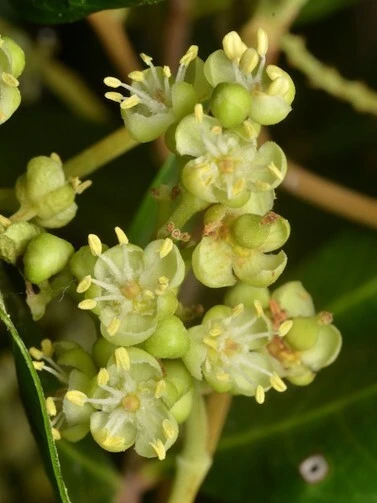
Embark on a rewarding gardening journey by growing your very own Tuckeroo tree from seed. This offering includes 10 premium Cupaniopsis anacardioides seeds, providing you with the opportunity to cultivate a beautiful and resilient native tree. The Tuckeroo, also known as Beach Tamarind, is a versatile and attractive tree prized for its dense, evergreen foliage, vibrant orange fruits, and adaptability to various growing conditions. Originating from coastal regions, this tree is an excellent choice for landscaping, providing shade, and attracting local wildlife. Growing from seed allows you to experience the full life cycle of this magnificent plant, from germination to a mature, thriving specimen. These Tuckeroo tree seeds are carefully selected to ensure viability and give you the best possible start in establishing this wonderful addition to your garden or landscape.
The Cupaniopsis anacardioides seeds are a fantastic option for both experienced gardeners and those new to growing trees from scratch. The resulting trees are known for their hardiness and ability to withstand challenging environments, including salt spray and moderate drought once established. With its attractive appearance and ecological benefits, the Tuckeroo tree is a valuable asset to any outdoor space. Prepare to enjoy the beauty and shade this remarkable tree will bring to your environment for years to come.
Key Benefits
Growing the Tuckeroo tree from these high-quality seeds offers numerous advantages for your garden and local ecosystem. This robust tree provides aesthetic appeal and practical benefits, making it a popular choice for diverse landscapes. These Tuckeroo tree seeds are your first step towards a greener, more vibrant outdoor space.
- Attractive Evergreen Foliage: The Tuckeroo tree boasts dense, glossy green leaves that provide year-round visual interest and shade. Its lush canopy creates a beautiful backdrop for any garden design, enhancing curb appeal and providing a serene atmosphere.
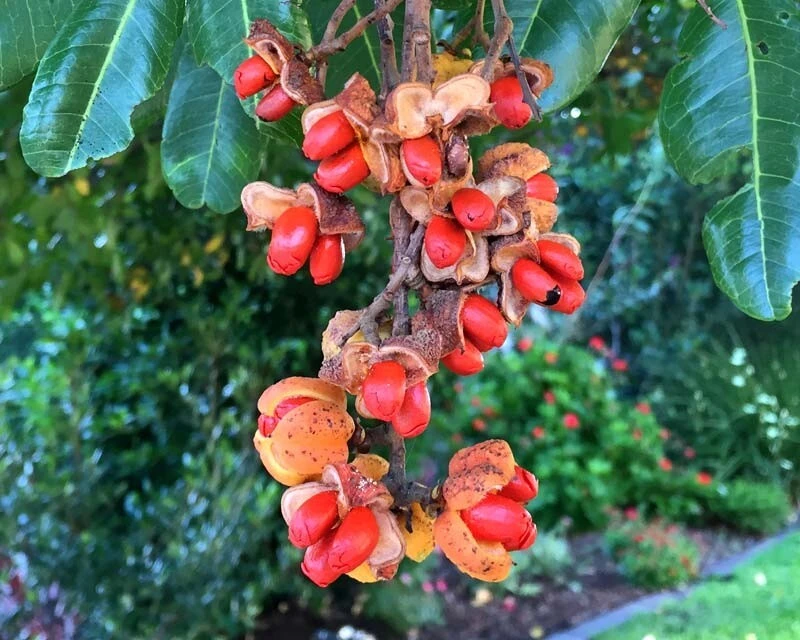
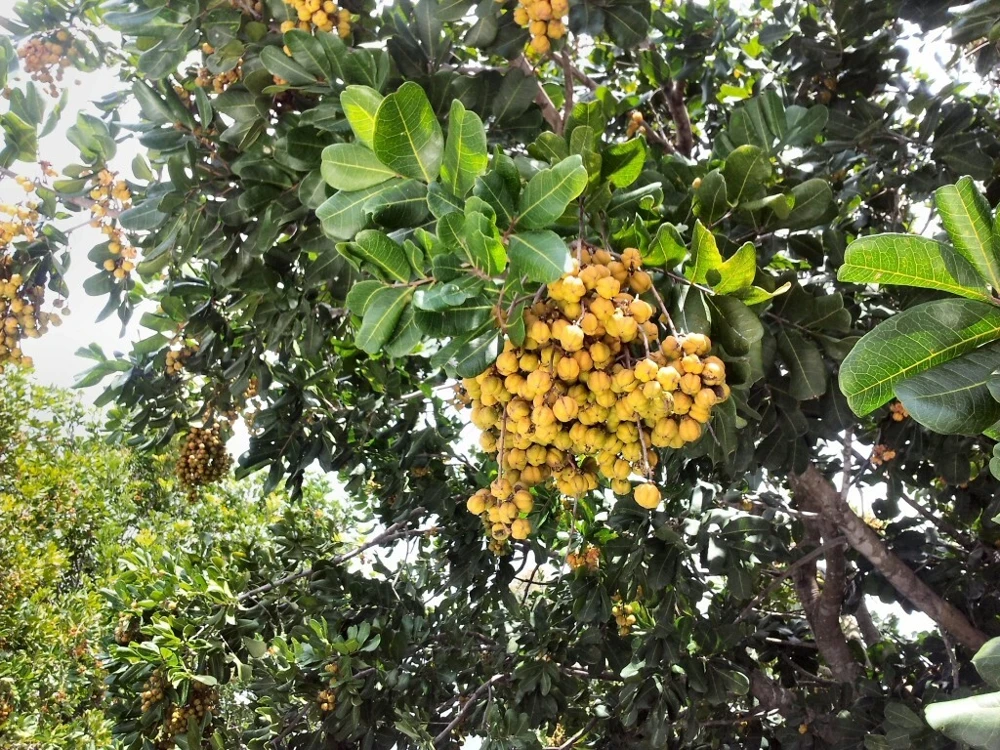
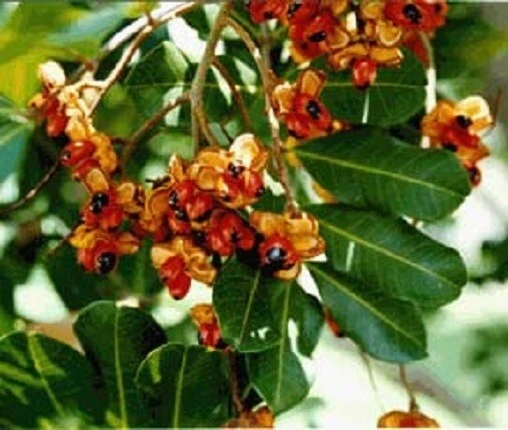
- Vibrant Fruit Display: In autumn, the tree produces striking orange-yellow fruits that split open to reveal shiny black seeds. This colorful display is not only ornamental but also attracts a variety of birds, adding life and movement to your garden.
- Drought and Salt Tolerant: Once established, the Tuckeroo is remarkably resilient, capable of withstanding periods of drought and coastal conditions, including salt spray. This makes it an ideal choice for low-maintenance landscapes and seaside properties.
- Excellent Shade Tree: With its dense canopy, the Tuckeroo provides ample shade, making it perfect for planting near patios, walkways, or as a street tree. It helps to cool surrounding areas and offers a comfortable retreat during hot weather.
- Wildlife Attraction: The fruits of the Tuckeroo tree are a food source for many native bird species, contributing to local biodiversity. Planting these Beach tamarind seeds helps create a habitat that supports local fauna.
- Versatile Landscaping Use: Whether used as a specimen tree, a street tree, or part of a mixed planting, the Tuckeroo adapts well to various landscape designs. Its moderate size makes it suitable for both larger gardens and more confined spaces.
- Low Maintenance: After establishment, the Tuckeroo tree requires minimal care, making it an excellent choice for busy gardeners. It generally has good disease and pest resistance, further reducing the need for intensive management.
Plant Care & Growing Tips
Successfully germinating and growing your Tuckeroo tree from these Cupaniopsis anacardioides seeds requires a few key steps and consistent care. While generally hardy, providing optimal conditions from the start will ensure robust growth. Begin by preparing your seeds for germination. Tuckeroo seeds have a hard outer coat that benefits from scarification. Gently nick the seed coat with a file or sandpaper, or soak the seeds in warm water for 24-48 hours to help break dormancy. Plant the treated seeds about 1/2 inch deep in a well-draining seed-starting mix. A mix of peat moss and perlite or sand works well. Keep the soil consistently moist but not waterlogged, and maintain a warm temperature, ideally between 70-80°F (21-27°C). Germination can be erratic and may take several weeks to a few months, so patience is key.
Once seedlings emerge, provide them with plenty of bright, indirect light. As they grow, gradually acclimate them to outdoor conditions before transplanting. Choose a planting site that receives full sun to partial shade. The Tuckeroo tree thrives in a variety of soil types, from sandy to clay, as long as it is well-draining. It is tolerant of slightly alkaline to slightly acidic soils. Water regularly during the first year to help establish a strong root system. Once established, the tree is quite drought-tolerant, but occasional deep watering during prolonged dry spells will promote healthier growth. Fertilize sparingly with a balanced, slow-release fertilizer in spring, especially during the tree’s younger years. The Tuckeroo tree is generally hardy in USDA zones 9-11, tolerating mild frosts but preferring warmer climates. Protect young trees from severe frost. Pruning is usually minimal, mainly to remove dead or crossing branches or to shape the canopy as desired. With proper care, your Beach tamarind seeds will develop into a magnificent, long-lived tree.
Size & Details
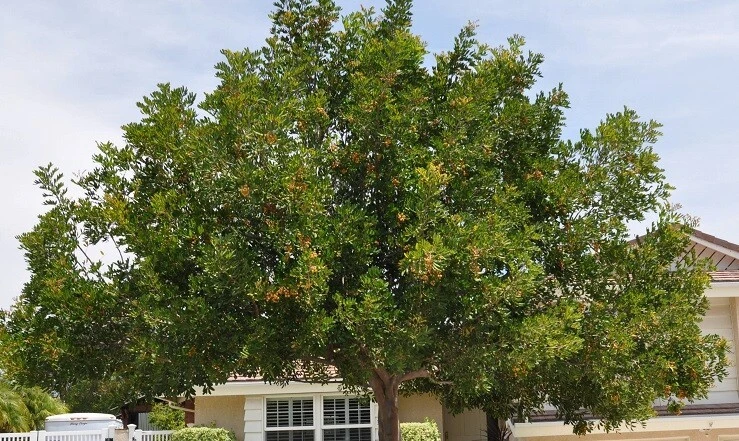
These 10 Tuckeroo tree seeds offer the potential to grow a medium-sized, evergreen tree that can reach impressive dimensions in suitable conditions. A mature Tuckeroo tree (Cupaniopsis anacardioides) typically grows to a height of 20-30 feet (6-9 meters) with a similar spread, forming a dense, rounded canopy. Its growth rate is moderate, allowing it to establish itself well within a few years. The seeds themselves are small, dark, and round, ready for planting to begin their journey. Each seed has the potential to develop into a robust tree, given the right care and environment.
The trees grown from these Cupaniopsis anacardioides seeds will develop a sturdy trunk with smooth, grey bark that becomes slightly fissured with age. The leaves are pinnate, glossy green, and leathery, providing excellent shade. The distinctive orange fruits, which appear in autumn, are about 1 inch (2.5 cm) in diameter and contain shiny black seeds. These seeds are what you will be planting. Expect the tree to start producing fruit within 5-7 years of planting, depending on growing conditions. These Tuckeroo tree seeds are shipped as dry, viable seeds, ready for scarification and planting upon arrival.
Frequently Asked Questions
- Q: How big does this plant get? A: The Tuckeroo tree typically grows to a height of 20-30 feet (6-9 meters) with a similar spread, forming a dense, rounded canopy. Its size can vary slightly depending on growing conditions and climate.
- Q: Is this an indoor or outdoor plant? A: The Tuckeroo tree is primarily an outdoor plant, best suited for landscaping in USDA zones 9-11. While seedlings can be started indoors, they will need to be transplanted outside to reach maturity.
- Q: How much sunlight does it need? A: The Cupaniopsis anacardioides thrives in full sun to partial shade. For best growth and fruit production, aim for at least 6 hours of direct sunlight per day.
- Q: Is this plant easy to care for? A: Once established, the Tuckeroo tree is considered low-maintenance and quite hardy. Initial care for germinating the Tuckeroo tree seeds and establishing young seedlings requires attention, but mature trees are very resilient.
- Q: What condition will the seeds arrive in? A: The Beach tamarind seeds will arrive as dry, viable seeds, ready for you to begin the scarification and planting process. They are carefully packaged to ensure their quality during transit.
- Q: How long until it blooms or fruits? A: Tuckeroo trees grown from seed typically begin to produce their characteristic orange fruits within 5-7 years after planting, though this can vary based on environmental factors and care.
- Q: Will it survive winter in my zone? A: The Tuckeroo tree is best suited for USDA Hardiness Zones 9-11. It can tolerate mild frosts but may suffer damage in prolonged or severe freezing temperatures. If you are in a colder zone, it may need winter protection or be grown in a large container that can be moved indoors.
- Q: What kind of soil does it prefer? A: The Tuckeroo tree is adaptable to a wide range of soil types, including sandy, loamy, or clay soils, as long as they are well-draining. It tolerates both slightly acidic and slightly alkaline conditions.
- Q: Do I need to do anything to the seeds before planting? A: Yes, it is recommended to scarify the Cupaniopsis anacardioides seeds by gently nicking the hard outer coat or soaking them in warm water for 24-48 hours to improve germination rates.
- Q: Can I grow this tree in a container? A: While young Tuckeroo trees can be grown in large containers, they will eventually outgrow them due to their mature size. For long-term health, it is best to plant them directly in the ground where they have ample space to grow.
Be the first to review “Tuckeroo Tree Seeds – Cupaniopsis anacardioides – Beach Tamarind – 10 Seeds”
Related products

Tree Seeds
Canino Olive Tree Seeds – 10 Pack Olea Europaea Canino for Edible Olives, Full Sun, Zones 9-11


You May Like

Hardneck vs. Softneck Garlic: Which Should You Grow?
Have you ever stood in front of a seed catalog in mid-September, staring at dozens [...]
Oct

When to Plant Music Garlic: Ultimate US Fall Guide
Have you ever spent your fall weekend placing carefully chosen garlic cloves into rich, dark [...]
1 Comment
Oct

5 Best Bulbs for Fall Planting: Brighten Your Garden This Spring
Are you dreaming of a garden full of vibrant colors in the spring? The key [...]
Aug

10 Houseplants That Will Thrive in Your Kitchen
Are you tired of your kitchen feeling dull and lifeless? Want to add a little [...]
1 Comment
Aug
Reviews
There are no reviews yet.