
Victoria Rhubarb Bare Root Plant – Rheum rhabarbarum – Perennial Vegetable
Original price was: 93.99 $.68.99 $Current price is: 68.99 $.
Cultivate your own flavorful harvest with a Victoria Rhubarb bare root plant. This classic perennial vegetable, Rheum rhabarbarum ‘Victoria’, is known for its high yields, disease resistance, and delightful sweet-tart stalks. Perfect for zones 3-8, it’s a low-maintenance addition to any garden.
Estimated arrival
Oct 16
Oct 21 - Oct 23
Oct 23 - Oct 28
See our Shipping Policy.
Get in touch with us via email, and our team will review your concerns.
Our Alive & Thrive Guarantee covers issues with your plants within the first 30 days. Read our Refund & Returns Policy.
-
USDA Hardiness Zone
USDA Zones 3 to 8 (can be grown as annual in zones 9 and 10) -
Soil Type
Fertile, rich, well-drained soil with abundant organic matter; pH 6.0 to 6.8 -
Sunlight Exposure
Full sun (at least 6 hours) to partial shade (especially in warmer climates) -
Expected Planting Period
Spring
Overview
Embark on a rewarding gardening journey with the classic Victoria Rhubarb bare root plant. This renowned perennial vegetable, scientifically known as Rheum rhabarbarum ‘Victoria’, is a cherished addition to any home garden. Celebrated for its robust growth and abundant yields, Victoria Rhubarb offers a distinctive sweet-tart flavor profile, often described as a delightful blend of apple and gooseberry with hints of lemon or wine. As a bare root plant, it arrives ready for planting, allowing you to establish a thriving rhubarb patch that will provide delicious stalks for years to come. Whether you’re a seasoned gardener or just starting, learning how to grow rhubarb is a satisfying experience, and the ‘Victoria’ variety is an excellent choice due to its resilience and productivity. This plant is a true garden workhorse, providing both ornamental appeal with its large leaves and culinary delight with its edible stalks. Enjoy the satisfaction of harvesting your own fresh rhubarb for pies, crumbles, and preserves.
Key Benefits
The Victoria Rhubarb bare root plant offers numerous advantages for the home gardener, making it a highly desirable choice for edible landscapes. Its ease of cultivation and generous harvest are just a few reasons why this perennial is so popular.
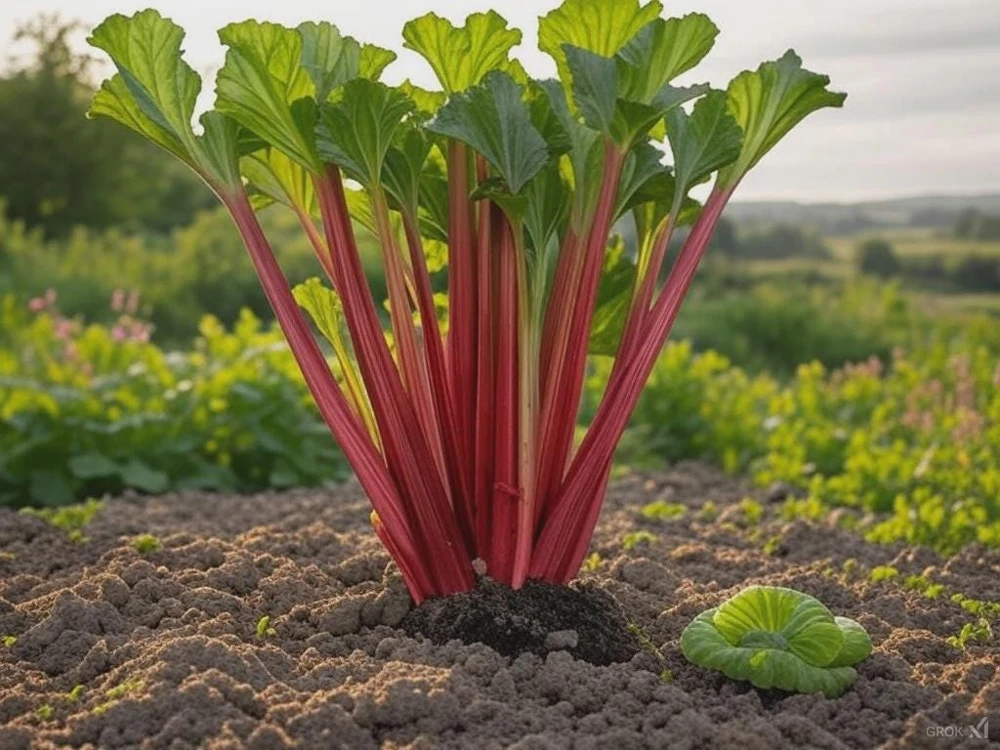
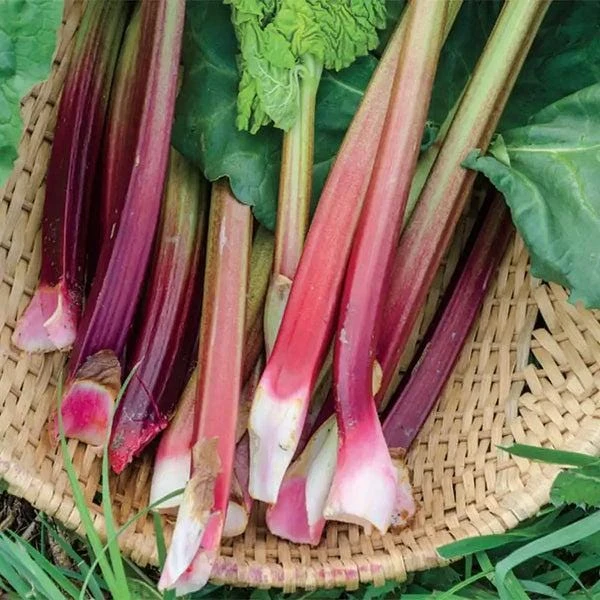
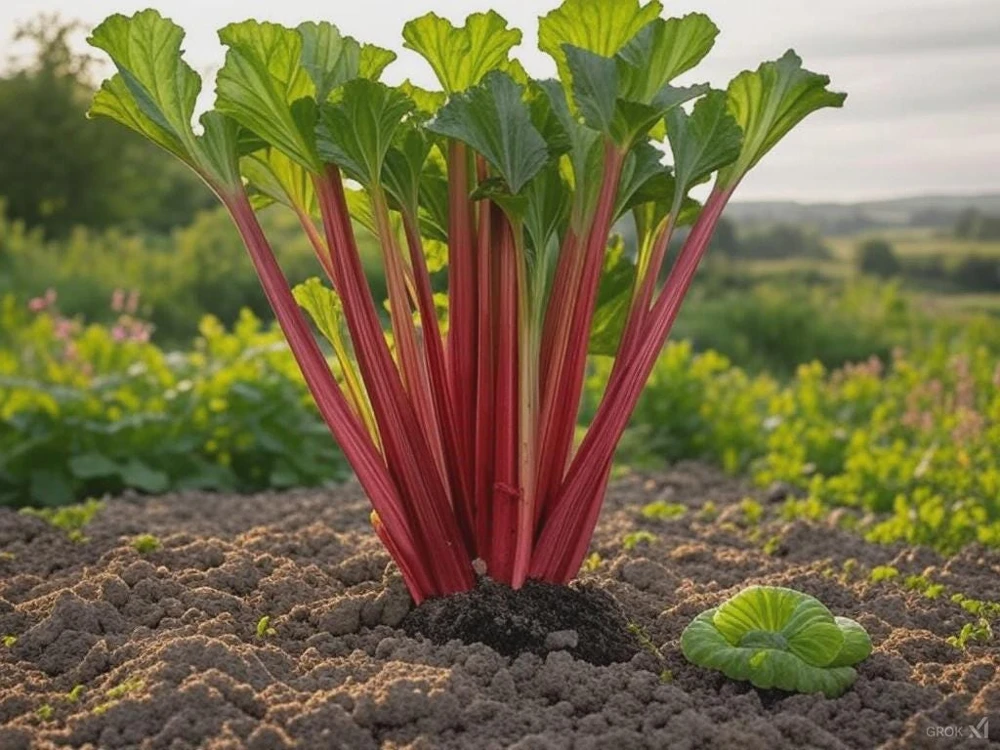
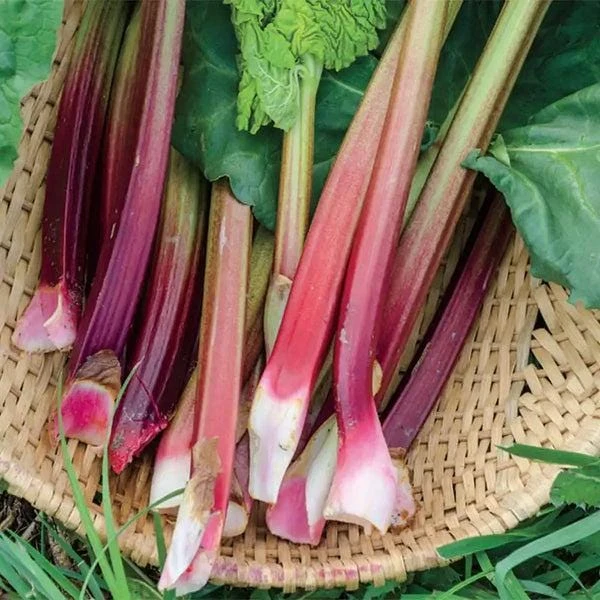
- High Yields & Flavorful Stalks: Experience abundant harvests of thick, tender, non-fibrous stalks with a distinctive sweet-tart flavor. These green stalks, often flushed with pinkish-red at the base, are perfect for a variety of culinary uses, from classic rhubarb pies to savory dishes. The unique taste of Rheum rhabarbarum Victoria is a true garden highlight.
- Disease Resistance & Hardiness: This robust variety is known for its excellent resistance to common plant diseases, ensuring a healthier and more productive patch. It thrives in USDA hardiness zones 3 to 8, tolerating cold winters and providing a consistent harvest season after season.
- Low Maintenance & Deer Resistant: Once established, Victoria Rhubarb requires minimal care, making it an ideal plant for busy gardeners. It’s also naturally resistant to deer and most common garden pests, reducing the need for constant vigilance and protective measures. This makes rhubarb plant care relatively simple.
- Long-Lived Perennial: As a perennial vegetable, your perennial rhubarb plant will return year after year, providing a continuous supply of fresh stalks without the need for annual replanting. With proper care, a single plant can produce for decades.
- Versatile Culinary Uses: The sweet-tart flavor profile of Victoria Rhubarb makes it incredibly versatile in the kitchen. Use it in desserts, jams, sauces, or even as a tangy addition to savory dishes, adding a unique zest to your home cooking.
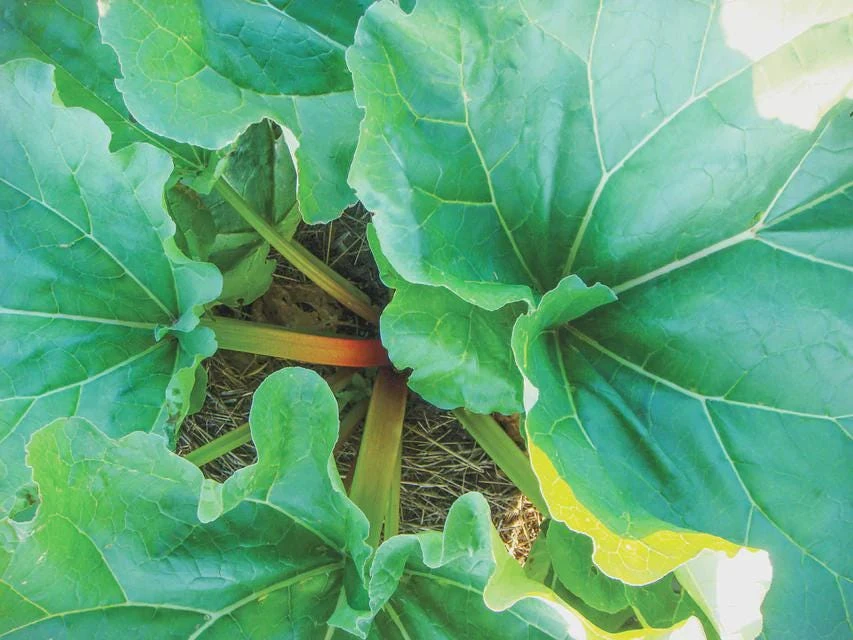
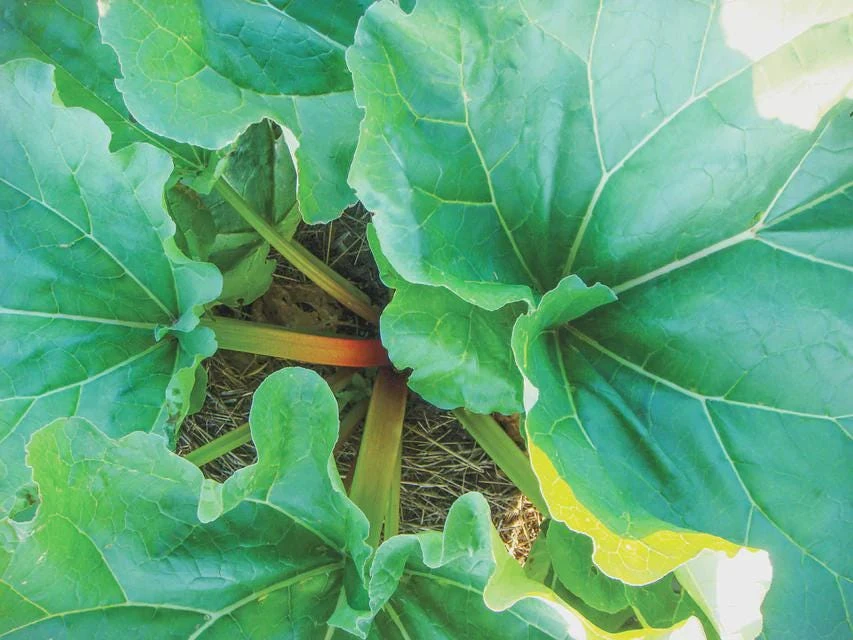
- Attractive Foliage: Beyond its culinary value, the large, lush leaves of the rhubarb plant add a bold, textural element to the garden landscape, contributing to its aesthetic appeal.
Plant Care & Growing Tips
Caring for your Victoria Rhubarb bare root plant is straightforward, ensuring a bountiful harvest for many years. Proper site selection and initial preparation are key to its long-term success. Choose a location that receives full sun, meaning at least 6 hours of direct sunlight per day. In warmer climates (zones 9 and 10), partial shade, especially during the hottest part of the day, can help prevent scorching and extend the harvest season. Rhubarb is a heavy feeder, so prepare the soil well before planting.
The ideal soil for Rheum rhabarbarum Victoria is fertile, rich, and well-draining, with an abundance of organic matter. A soil pH between 6.0 and 6.8 is perfect. Amend heavy clay soils with compost, peat moss, or other organic materials to improve drainage and aeration. For sandy soils, adding organic matter will help retain moisture and nutrients. When planting your bare root, ensure the crown is just below the soil surface, with the buds pointing upwards. Water thoroughly after planting to settle the soil around the roots.
Once established, rhubarb plant care is relatively low maintenance. Keep the soil consistently moist, especially during dry spells, but avoid waterlogging, which can lead to root rot. Apply a balanced fertilizer in early spring and again after the first harvest to replenish nutrients. Remove any flower stalks that emerge, as this directs the plant’s energy into producing more edible leaf stalks. While deer resistant, occasional pest checks are always a good idea. With these simple steps, your perennial rhubarb plant will thrive and provide delicious harvests for seasons to come. Remember, only the stalks are edible; the leaves are toxic and should not be consumed.
Size & Details
This offering is for one Victoria Rhubarb bare root plant. When mature, this robust perennial typically reaches a height of 2 to 3 feet and spreads 3 to 4 feet wide, creating a substantial and productive patch in your garden. The stalks are thick, tender, and non-fibrous, showcasing a vibrant green color with a distinctive pinkish-red blush at the base. These plants are shipped as bare roots, meaning they arrive without soil or a pot, ready for direct planting in your garden. This method ensures efficient transport and allows the plant to establish quickly in its new environment. Expect your Rheum rhabarbarum Victoria to begin producing harvestable stalks in its second year after planting, with full production achieved by the third year. The bare root form is an economical and effective way to grow rhubarb, providing a strong foundation for a long-lived and productive plant.
Frequently Asked Questions
- Q: How big does this plant get? A: The Victoria Rhubarb bare root plant typically grows to a mature size of 2 to 3 feet tall and spreads 3 to 4 feet wide. Its large leaves and sturdy stalks make it a prominent feature in the garden.
- Q: Is this an indoor or outdoor plant? A: This is an outdoor perennial plant. It is best suited for garden beds where it can establish a strong root system and return year after year. It thrives in various climates when planted outdoors.
- Q: How much sunlight does it need? A: Victoria Rhubarb prefers full sun, ideally at least 6 hours of direct sunlight per day. In hotter climates (USDA zones 9 and 10), it can benefit from partial shade during the intense afternoon heat.
- Q: Is this plant easy to care for? A: Yes, once established, the perennial rhubarb plant is considered low maintenance. It requires consistent watering, especially during dry periods, and occasional feeding to ensure robust growth and high yields.
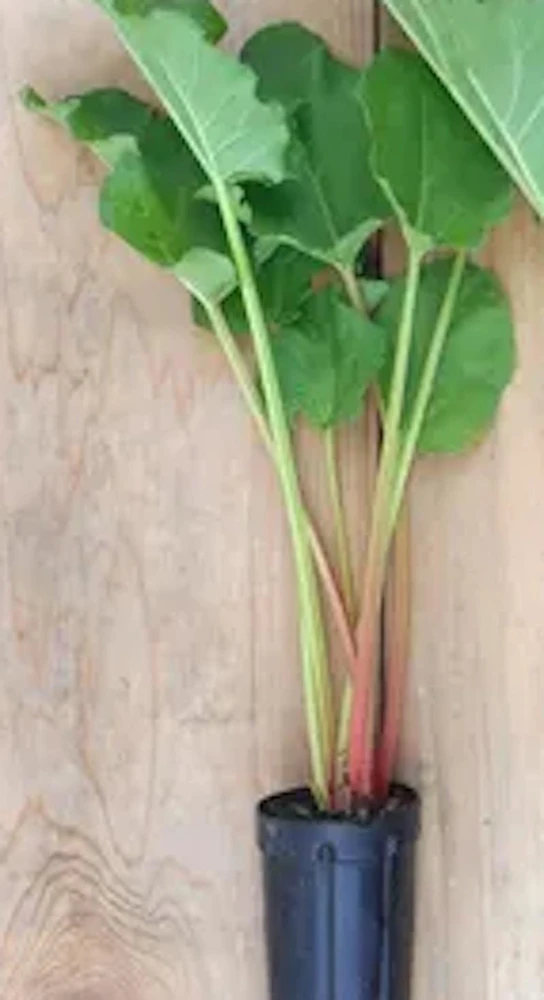
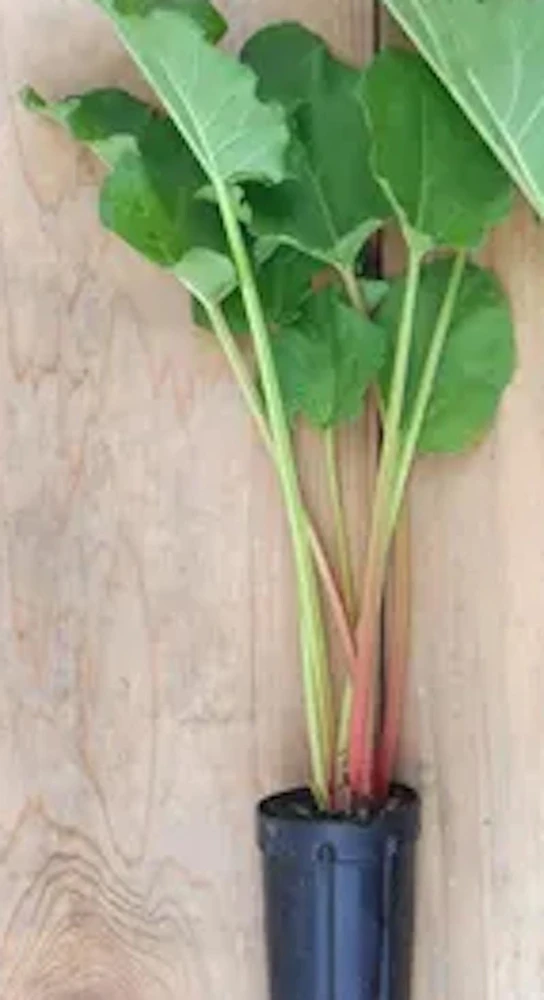
- Q: What condition will it arrive in? A: Your rhubarb will arrive as a bare root plant, meaning it will be shipped without soil or a pot. This is a common and effective way to ship dormant perennials, ensuring it’s ready for planting upon arrival.
- Q: How long until it’s ready to harvest? A: It’s recommended to wait until the second year after planting before harvesting stalks from your Victoria Rhubarb bare root. This allows the plant to establish a strong root system. By the third year, you can expect a full harvest.
- Q: Will it survive winter in my zone? A: Victoria Rhubarb is hardy in USDA zones 3 to 8. It is well-adapted to cold winters and will go dormant, returning vigorously in the spring. In warmer zones 9 and 10, it can be grown as an annual.
- Q: Can I grow rhubarb in a container? A: While possible, rhubarb prefers ample space for its extensive root system. For best results and larger harvests, planting your Rheum rhabarbarum Victoria directly in the garden is recommended. If using a container, choose a very large one (20+ gallons).
- Q: What is the best soil for rhubarb? A: The best soil for rhubarb plant care is fertile, rich, well-draining soil with a high organic matter content. A pH between 6.0 and 6.8 is ideal.
- Q: Are the leaves edible? A: No, only the stalks of the rhubarb plant are edible. The leaves contain high levels of oxalic acid and are toxic if consumed.
Be the first to review “Victoria Rhubarb Bare Root Plant – Rheum rhabarbarum – Perennial Vegetable”
Related products


You May Like

Hardneck vs. Softneck Garlic: Which Should You Grow?
Have you ever stood in front of a seed catalog in mid-September, staring at dozens [...]
Oct

When to Plant Music Garlic: Ultimate US Fall Guide
Have you ever spent your fall weekend placing carefully chosen garlic cloves into rich, dark [...]
1 Comment
Oct

5 Best Bulbs for Fall Planting: Brighten Your Garden This Spring
Are you dreaming of a garden full of vibrant colors in the spring? The key [...]
Aug

10 Houseplants That Will Thrive in Your Kitchen
Are you tired of your kitchen feeling dull and lifeless? Want to add a little [...]
1 Comment
Aug
Reviews
There are no reviews yet.