


Weeping Willow Tree Green Live Plant – 12-24in Tall, Quart Pot, Salix babylonica
Original price was: 125.99 $.100.99 $Current price is: 100.99 $.
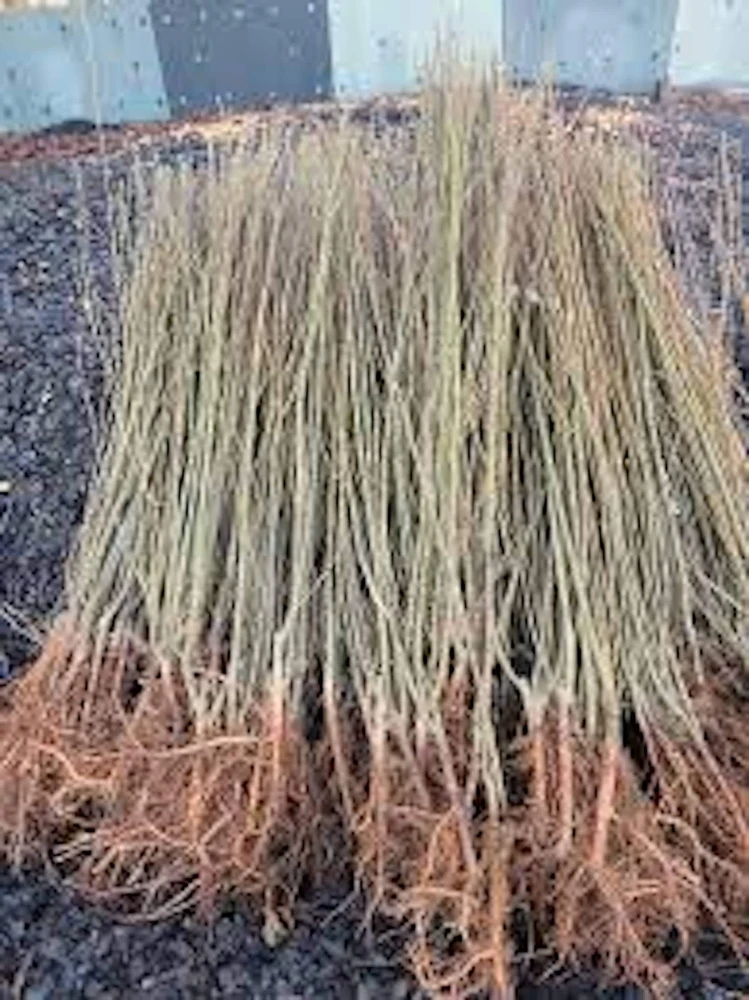
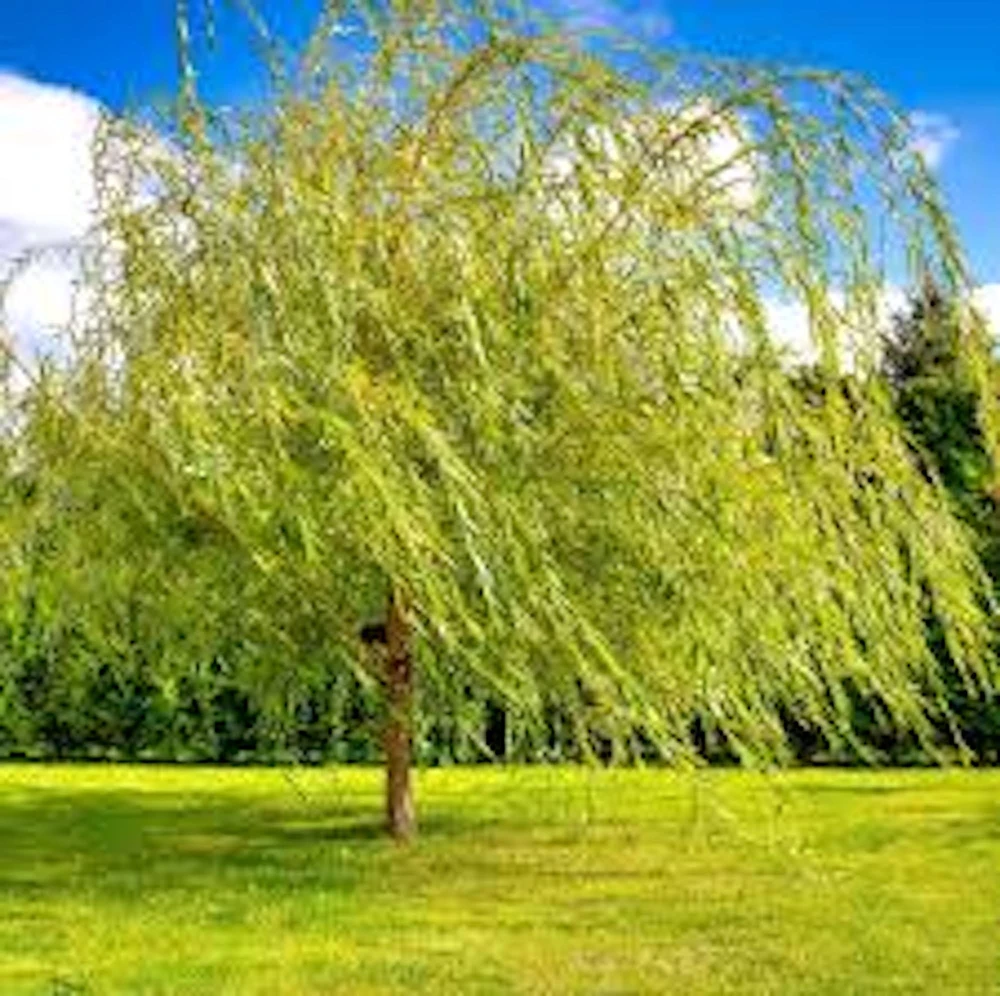
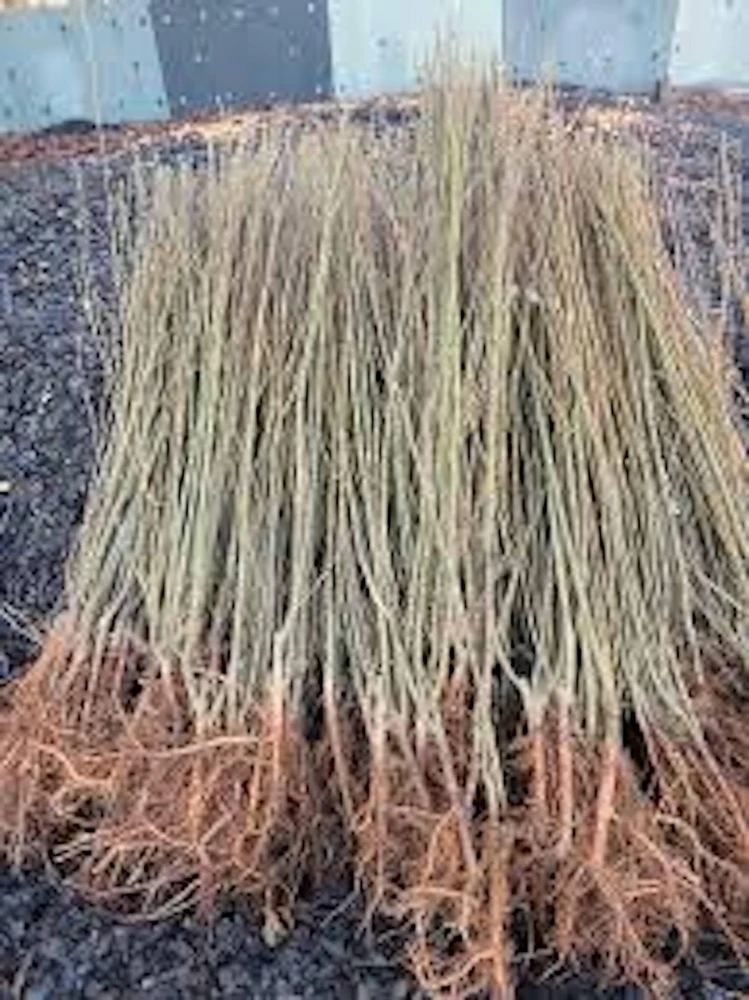
Introduce a touch of elegance to your garden with this beautiful weeping willow tree live plant. Standing 12-24 inches tall in a quart pot, this Salix babylonica is known for its distinctive drooping branches and rapid growth, making it ideal for creating a natural screen or a stunning focal point.
Estimated arrival
Oct 17
Oct 22 - Oct 24
Oct 24 - Oct 29
See our Shipping Policy.
Get in touch with us via email, and our team will review your concerns.
Our Alive & Thrive Guarantee covers issues with your plants within the first 30 days. Read our Refund & Returns Policy.
-
USDA Hardiness Zone
6-8 -
Soil Type
Well-drained, moderately wet soil; adapts to sandy or heavy clay -
Sunlight Exposure
Full sun or partial shade -
Expected Planting Period
Spring to early fall
Overview
Introduce a classic symbol of grace and tranquility to your landscape with the weeping willow tree live plant. This offering includes a vibrant Salix babylonica, standing 12-24 inches tall and ready to thrive in your garden. Known for its iconic, pendulous branches that sweep towards the ground, the weeping willow tree live plant creates a dramatic and serene atmosphere. Originating from arid regions of northern China, this deciduous tree is celebrated for its rapid growth and majestic presence, making it a popular choice for ponds, stream banks, or as a distinctive specimen tree. Its common names include Weeping Willow and Babylon Willow, both reflecting its ancient appeal and distinctive form.
The Salix babylonica is a remarkably resilient tree, capable of adapting to a variety of soil and climate conditions. Its elegant, flowing canopy provides ample shade and a soothing visual appeal throughout the seasons. This particular weeping willow tree live plant is grown in a quart pot, ensuring it has a healthy root system established for successful transplanting. Whether you’re looking to enhance a waterside landscape, create a natural privacy screen, or simply add a stunning focal point to your yard, the weeping willow offers unparalleled beauty and a sense of timeless charm.
Key Benefits
Adding a weeping willow tree live plant to your property offers numerous advantages, transforming your outdoor space into a picturesque retreat. Its unique characteristics provide both aesthetic appeal and practical benefits that gardeners and homeowners will appreciate.
- Stunning Aesthetic Appeal: The most striking feature of the weeping willow is its gracefully drooping branches, which create a soft, flowing silhouette. This makes it an ideal specimen tree, providing a captivating focal point in any garden design. Its vibrant green foliage shimmers beautifully in the breeze.
- Rapid Growth Rate:Salix babylonica is renowned for its fast growth, quickly establishing itself and adding significant height and spread to your landscape. This rapid development means you won’t have to wait long to enjoy its full, majestic presence.
- Excellent for Screening: With its dense canopy and broad spread, a mature weeping willow is an effective option for weeping willow for screening. It can quickly create natural privacy, offering seclusion and a barrier against unwanted views.
- Shade Provider: As it matures, the weeping willow develops a wide crown, casting ample shade. This makes it perfect for creating cool, inviting spaces in your yard for relaxation during warm summer months.
- Water Feature Enhancement: Weeping willows thrive in moist conditions and are often planted near ponds, lakes, or streams. Their roots help stabilize soil along water banks, and their reflective branches add to the serene beauty of water features.
- Adaptable to Various Soils: While it prefers moist, well-drained soil, the Salix babylonica is surprisingly adaptable, tolerating a range of soil types including sandy or heavy clay soils, provided adequate moisture is available.
- Wildlife Habitat: The dense foliage and structure of the weeping willow can provide shelter and nesting sites for various bird species, contributing to local biodiversity in your garden.
Plant Care & Growing Tips
Caring for your weeping willow tree live plant involves understanding its preferred growing conditions to ensure vigorous growth and a healthy, beautiful specimen. The Salix babylonica is generally low-maintenance once established, but a good start is crucial.
Sunlight Requirements: Weeping willows thrive in full sun to partial shade. For optimal growth and the most lush foliage, aim for at least 6 hours of direct sunlight per day. While it can tolerate some shade, too little light may result in sparser growth. Ensure your planting location provides ample light throughout the day.
Watering Schedule and Soil Moisture: These trees prefer consistently moist to wet soil. They are not drought-tolerant and will suffer if the soil dries out completely. Water regularly, especially during dry spells and in the first few years after planting. If planted near a water source, its needs may be naturally met. When you are performing salix babylonica care, ensure the soil remains damp but not waterlogged. Deep, infrequent watering is better than shallow, frequent watering, as it encourages deeper root development.
Soil Type and Drainage Requirements: The weeping willow tree live plant is adaptable to a wide range of soils, including sandy, loamy, and clay soils. However, it performs best in well-drained, moderately wet conditions. While it tolerates heavy clay, ensure there is still some drainage to prevent root rot. Incorporating organic matter can improve soil structure and moisture retention. Proper salix babylonica care includes selecting an appropriate site.
Temperature Range and USDA Hardiness Zone: This variety is hardy in USDA Zones 6-8. It can withstand a range of temperatures, but protection from extreme cold might be necessary in the lower end of its hardiness zone, especially for young trees. It thrives in temperate climates.
Fertilization Schedule and Type: Fertilize your young weeping willow in the spring with a balanced, slow-release fertilizer designed for trees and shrubs. Follow package directions for application rates. Once established, weeping willows generally do not require heavy fertilization unless soil deficiencies are apparent. Avoid over-fertilizing, which can lead to excessive, weak growth.
Common Problems and Solutions: Weeping willows can be susceptible to certain pests and diseases, such as aphids, willow leaf beetles, and canker. Regular inspection can help identify problems early. Treat pests with appropriate horticultural oils or insecticidal soaps. Prune out any diseased or damaged branches promptly to prevent spread. Proper watering and good air circulation can help prevent fungal issues. Addressing issues promptly is key to effective salix babylonica care.
Size & Details
This offering is for a healthy weeping willow tree live plant, typically measuring 12-24 inches tall from the base of the plant to the top. It is shipped in a quart-sized pot, providing a well-established root system ready for transplanting into your garden. The mature size of a weeping willow can be quite impressive, typically reaching heights of 65 to 85 feet (approximately 20-26 meters) with a similar spread. This makes it an excellent choice if you are looking for a fast growing shade tree that will eventually dominate a significant portion of your landscape.
The growth rate of the Salix babylonica is considered fast, often adding several feet of height per year under ideal conditions. Its widespread, shallow root system is a characteristic feature, so choose a planting location away from foundations, septic systems, or underground pipes. This particular plant is a young specimen, offering you the joy of watching it grow and develop its iconic weeping form over the years. It is perfect for those who desire a significant landscape feature or a natural privacy screen as it matures into a magnificent weeping willow for screening.
Frequently Asked Questions
- Q: How big does this plant get? A: This weeping willow tree live plant is currently 12-24 inches tall. At maturity, a weeping willow can reach impressive heights of 65 to 85 feet with a similar spread, making it a very large and majestic tree.
- Q: What size pot does it come in? A: This weeping willow tree live plant is shipped in a quart-sized nursery pot, ensuring its root system is healthy and ready for transplanting into your garden or a larger container.
- Q: Is this an indoor or outdoor plant? A: The weeping willow is an outdoor tree. It requires ample space to grow and thrives in full sun, making it unsuitable for indoor cultivation. It is a fantastic fast growing shade tree for your yard.
- Q: How much sunlight does it need? A: Weeping willows prefer full sun, meaning at least 6 hours of direct sunlight per day. They can tolerate partial shade, but growth may be less vigorous.
- Q: Is this plant easy to care for? A: Once established, weeping willows are relatively easy to care for. Their primary requirement is consistently moist soil, making salix babylonica care straightforward if you have the right conditions.
- Q: What condition will it arrive in? A: Your weeping willow tree live plant will arrive carefully packaged, healthy, and ready for planting. We take great care to ensure the plant’s safe journey from our nursery to your home.
- Q: When is the best time to plant a weeping willow? A: The best time to plant a weeping willow is in spring or early fall, allowing the tree to establish its root system before extreme weather conditions.
- Q: Will it survive winter in my zone? A: This Salix babylonica is hardy in USDA Zones 6-8. If you are within these zones, it should survive winter with proper care. For colder zones, winter protection for young trees might be beneficial.
- Q: Can I use this weeping willow for screening? A: Yes, once mature, the dense foliage and broad canopy of a weeping willow make it an excellent choice for creating a natural privacy screen. It’s a great option if you’re looking for a weeping willow for screening.
- Q: How often should I water my young weeping willow? A: A young weeping willow tree live plant requires consistent moisture. Water deeply several times a week, especially during dry periods, to keep the soil consistently damp but not waterlogged until it is well-established.
Be the first to review “Weeping Willow Tree Green Live Plant – 12-24in Tall, Quart Pot, Salix babylonica”
Related products


You May Like

Hardneck vs. Softneck Garlic: Which Should You Grow?
Have you ever stood in front of a seed catalog in mid-September, staring at dozens [...]
Oct

When to Plant Music Garlic: Ultimate US Fall Guide
Have you ever spent your fall weekend placing carefully chosen garlic cloves into rich, dark [...]
1 Comment
Oct

5 Best Bulbs for Fall Planting: Brighten Your Garden This Spring
Are you dreaming of a garden full of vibrant colors in the spring? The key [...]
Aug

10 Houseplants That Will Thrive in Your Kitchen
Are you tired of your kitchen feeling dull and lifeless? Want to add a little [...]
1 Comment
Aug
Reviews
There are no reviews yet.