
Western Red Cedar Tree Thuja Plicata – 6-12″ Tall Bare Root Starter Plant
Original price was: 95.99 $.70.99 $Current price is: 70.99 $.
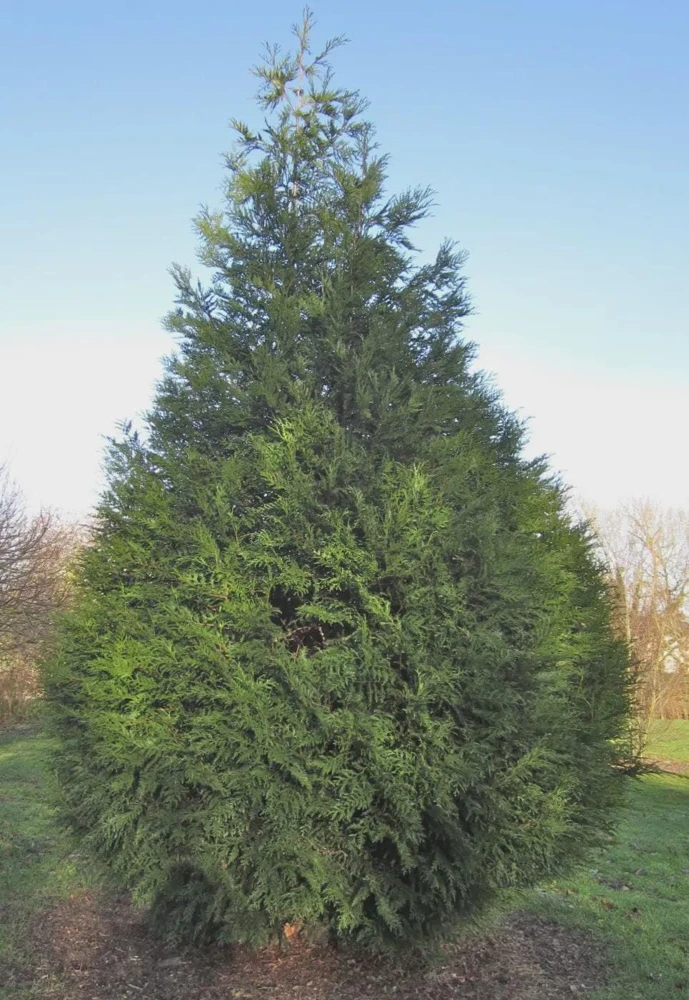
Cultivate a beautiful Western Red Cedar tree (Thuja plicata) with this 6-12″ tall bare root starter. Known for its majestic presence and fragrant foliage, this evergreen is ideal for hedges, screens, or as a specimen tree in your landscape. Establish a strong foundation with a healthy Thuja plicata bare root plant.
Estimated arrival
Oct 16
Oct 21 - Oct 23
Oct 23 - Oct 28
See our Shipping Policy.
Get in touch with us via email, and our team will review your concerns.
Our Alive & Thrive Guarantee covers issues with your plants within the first 30 days. Read our Refund & Returns Policy.
-
USDA Hardiness Zone
USDA Zones 5-7 -
Soil Type
Well-draining, moist, slightly acidic to neutral soil -
Sunlight Exposure
Full sun to partial shade -
Expected Planting Period
Early spring or late fall (dormant season)
Overview
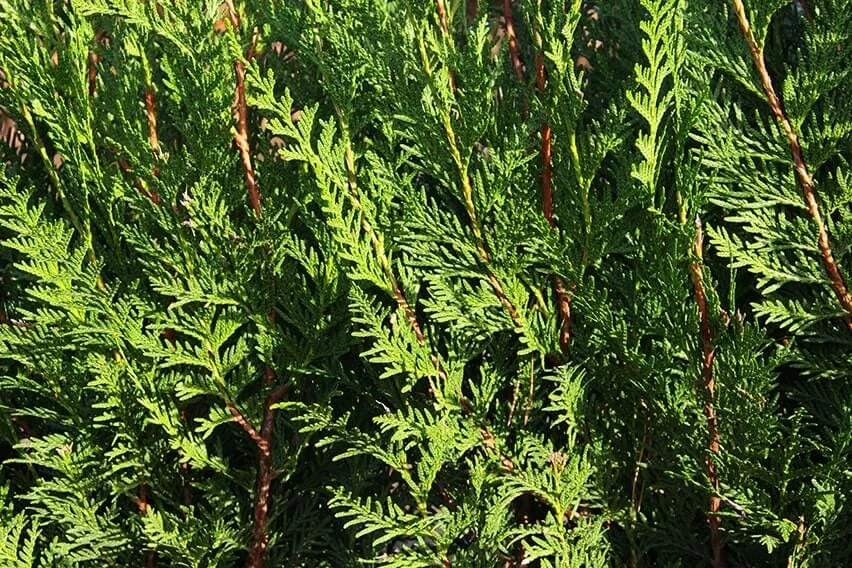
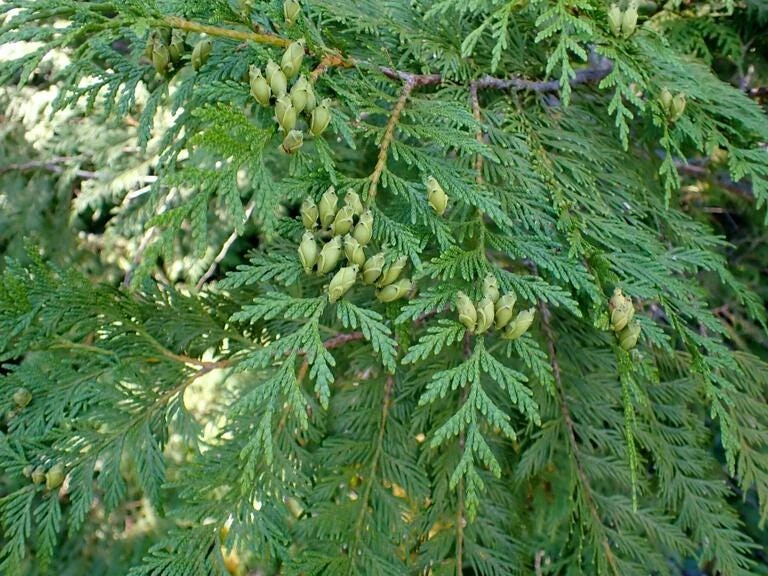
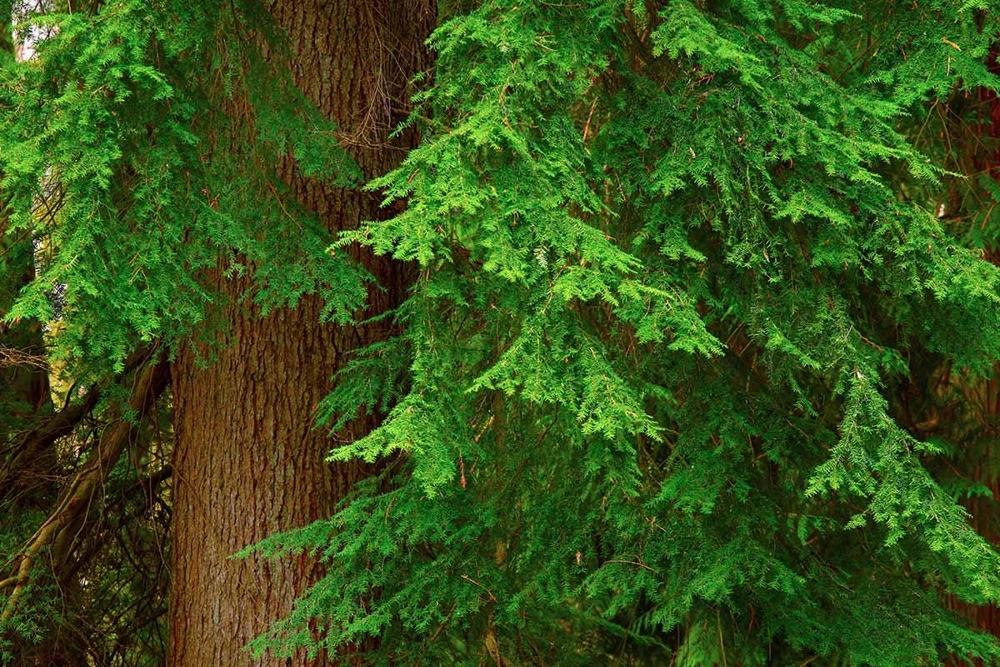
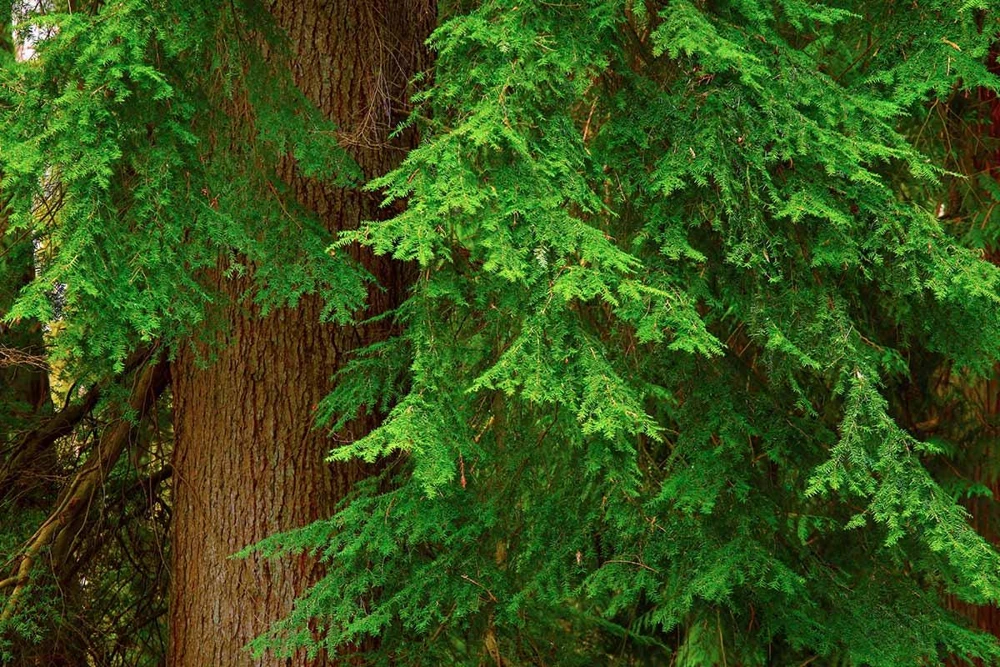
Bring the grandeur of the Pacific Northwest to your landscape with a Western Red Cedar tree. This offering features a healthy 6-12 inch tall bare root starter plant of Thuja plicata, renowned for its stately appearance and aromatic evergreen foliage. Often called the “Tree of Life,” the Western Red Cedar tree is a cornerstone species, valued for its immense size, longevity, and versatile wood. Despite its common name, it is not a true cedar (Cedrus) but a member of the cypress family (Cupressaceae). Perfect for creating natural privacy screens, windbreaks, or as a magnificent specimen tree, this starter plant provides an excellent foundation for a thriving, long-lived addition to your garden.
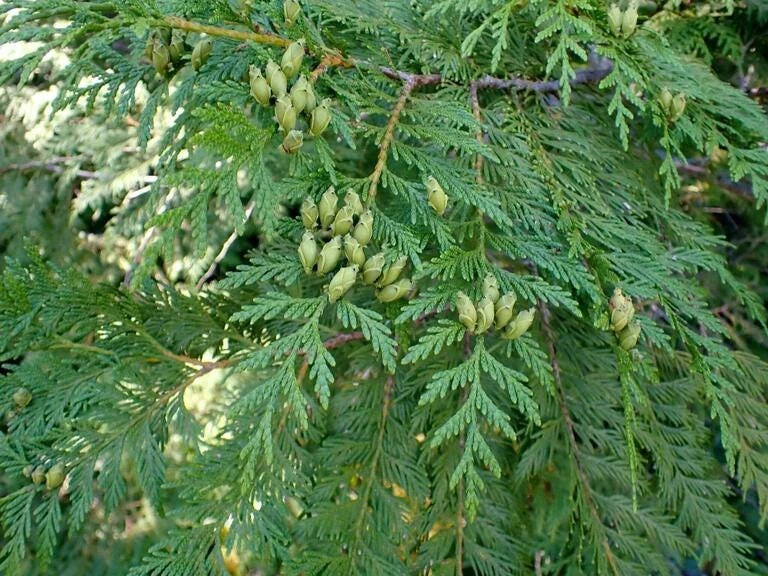
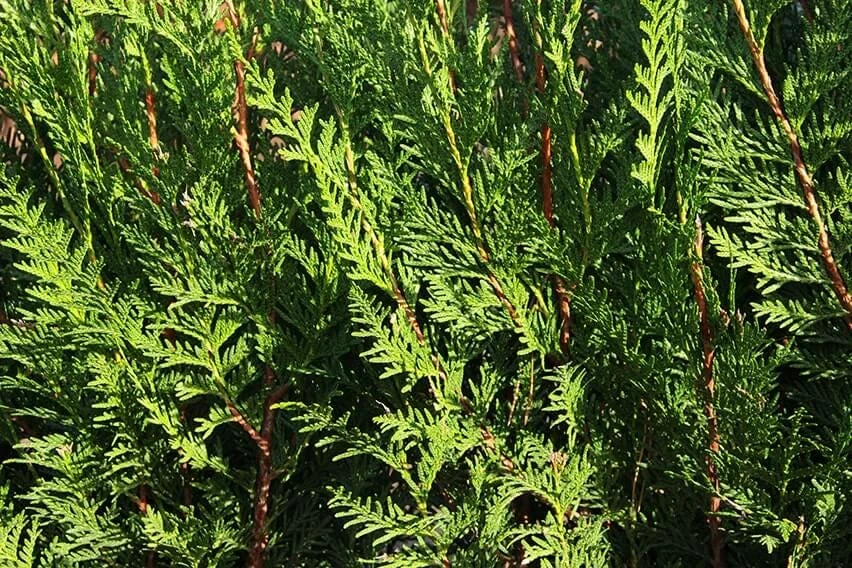
The Thuja plicata bare root plant is an economical and effective way to establish this impressive conifer. When planted correctly, bare root trees quickly adapt to their new environment, developing strong root systems. This species is celebrated for its rapid growth rate and resilience, making it a favorite among landscapers and home gardeners alike. Its rich green, scale-like leaves remain vibrant throughout the year, offering continuous beauty and ecological benefits.
Key Benefits
Investing in a Western Red Cedar tree offers numerous advantages for your property and the environment. These benefits extend beyond simple aesthetics, contributing to a healthier and more beautiful outdoor space.
-
Exceptional Privacy and Screening: The dense, evergreen foliage of the Western Red Cedar tree makes it an unparalleled choice for creating natural privacy screens and hedges. Its rapid growth quickly establishes a robust barrier against noise and prying eyes, enhancing the seclusion of your outdoor living areas.
-
Aromatic and Pest-Resistant: The distinctive, pleasant aroma of the foliage acts as a natural deterrent to many common garden pests. This inherent resistance means less reliance on chemical treatments, contributing to a healthier ecosystem in your garden.
-
Durable and Long-Lived: Known for its longevity, the Thuja plicata bare root plant, once established, can thrive for centuries. Its natural resistance to rot and insects contributes to its durability, making it a low-maintenance, long-term investment for your landscape.
-
Versatile Landscaping Use: Whether you’re planning a formal hedge, an informal screen, or a majestic specimen tree, the Western Red Cedar adapts beautifully to various landscape designs. Its conical shape and graceful branches add architectural interest to any setting.
-
Wildlife Habitat: These trees provide excellent shelter and nesting sites for a variety of birds and small animals, contributing to local biodiversity. Planting a Western Red Cedar tree helps support the natural wildlife of your region.
-
Low Maintenance: Once established, the Western Red Cedar is remarkably low maintenance, requiring minimal pruning and care. This makes it an ideal choice for gardeners seeking significant impact with less effort.
-
Environmental Benefits: Like all trees, the Western Red Cedar helps improve air quality, reduce carbon dioxide, and combat soil erosion. Its extensive root system also aids in water filtration and runoff management.
Plant Care & Growing Tips
Successfully growing your Western Red Cedar tree from a bare root starter requires attention to a few key details, ensuring it establishes quickly and thrives. This species is relatively forgiving but benefits greatly from proper initial care. When handling your Thuja plicata bare root, ensure the roots remain moist at all times before planting.
Sunlight Requirements: Western Red Cedar prefers full sun to partial shade, meaning it should receive at least 6 hours of direct sunlight per day for optimal growth. While it can tolerate some shade, too much shade can lead to sparser foliage and slower growth. Ensure the planting site offers adequate light exposure. Watering Schedule: Consistent moisture is crucial, especially during the first few years after planting. Water deeply and regularly, ensuring the soil remains evenly moist but not waterlogged. Once established, these trees are moderately drought-tolerant but will benefit from supplemental watering during prolonged dry spells. Soil Type and Drainage: This tree thrives in well-draining, moist, and slightly acidic to neutral soils. Amend heavy clay soils with organic matter to improve drainage. Good drainage is paramount to prevent root rot. Temperature Range and USDA Hardiness Zone: The Western Red Cedar tree is hardy in USDA Zones 5-7, making it suitable for a wide range of climates. It can tolerate cold winters and warm summers, provided it receives adequate moisture. Fertilization Schedule: A balanced, slow-release fertilizer can be applied in early spring, especially for young trees, to encourage vigorous growth. Avoid over-fertilizing, which can burn the roots. Common Problems: While generally robust, watch for signs of fungal diseases in overly wet conditions or spider mites during hot, dry periods. Ensure good air circulation and proper watering to mitigate these issues. Regular monitoring will help maintain a healthy evergreen tree.
Size & Details
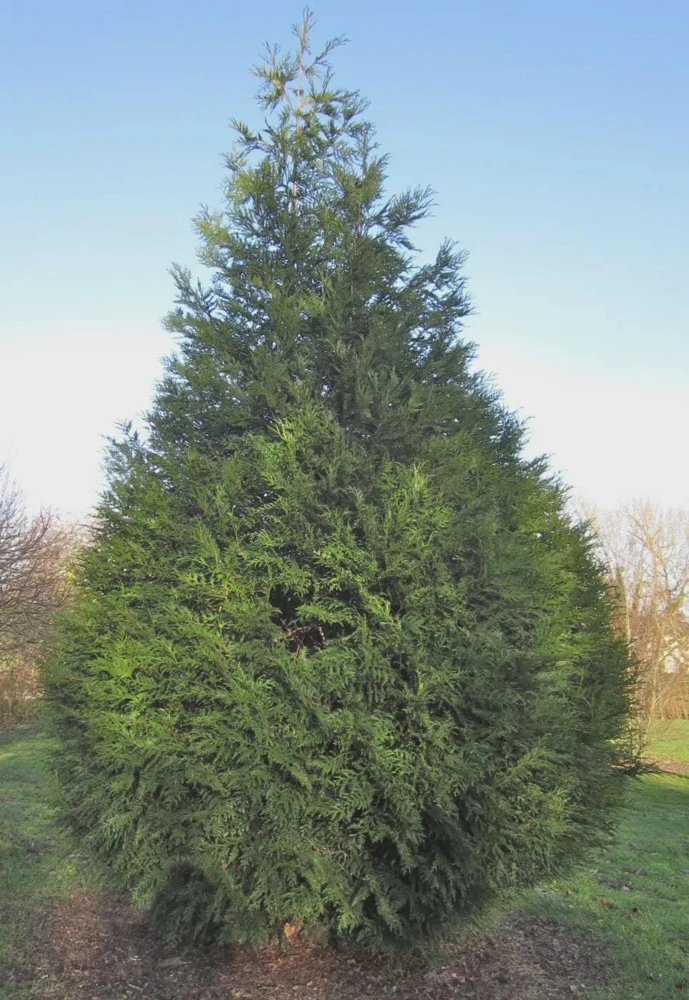
This offering is for one Western Red Cedar tree, specifically a Thuja plicata, provided as a bare root starter plant. Each plant measures approximately 6-12 inches tall, offering a compact and easily manageable size for initial planting. Bare root plants are shipped without soil around their roots, allowing for easier transport and often quicker establishment once planted in their new environment. When mature, the Western Red Cedar is a magnificent specimen, typically reaching heights of 50-70 feet in cultivation, though it can grow much taller in its native habitat. Its spread can be anywhere from 15-25 feet, forming a dense, conical to pyramidal shape. The growth rate is considered medium to fast, typically adding 12-24 inches of height per year under ideal conditions. This makes it an excellent choice if you’re looking for privacy trees that grow relatively quickly.
The bare root form allows the plant to focus its energy on developing a strong root system once planted. The best time to plant a Thuja plicata bare root is during the dormant season, typically in early spring or late fall, when the plant is not actively growing. This ensures the best chance of successful establishment and vigorous growth in subsequent seasons. With proper care, this starter plant will develop into a robust and beautiful evergreen tree, providing enduring beauty and functionality to your landscape.
Frequently Asked Questions
-
Q: How big does this Western Red Cedar tree get at maturity? A: A mature Western Red Cedar tree typically reaches heights of 50-70 feet in cultivation, with a spread of 15-25 feet. In its native environment, it can grow significantly taller, sometimes over 100 feet.
-
Q: Is this an indoor or outdoor plant? A: The Western Red Cedar tree (Thuja plicata) is an outdoor plant, best suited for landscaping. It requires significant space to grow and thrives in natural outdoor conditions.
-
Q: How much sunlight does the Thuja plicata bare root need? A: For optimal growth, this tree prefers full sun to partial shade, which means at least 6 hours of direct sunlight daily. While it can tolerate some shade, too much will result in thinner foliage.
-
Q: Is this plant easy to care for, especially for beginners? A: Once established, the Western Red Cedar tree is relatively low-maintenance. The initial planting and watering are crucial for bare root plants, but after the first few years, it becomes quite self-sufficient, making it a good choice for those looking for robust evergreen trees.
-
Q: What condition will the bare root plant arrive in? A: Your Thuja plicata bare root starter plant will arrive dormant, without soil around its roots. The roots will be carefully packaged to retain moisture, ready for immediate planting upon arrival.
-
Q: When is the best time to plant a bare root Western Red Cedar tree? A: The ideal time to plant a bare root Western Red Cedar is during its dormant season, typically in early spring after the last frost, or in late fall before the ground freezes. This allows the root system to establish before active growth begins.
-
Q: Will this tree work well as a privacy hedge? A: Yes, the Western Red Cedar tree is an excellent choice for privacy hedges and screens. Its dense, evergreen foliage and relatively fast growth rate create an effective and beautiful living barrier.
-
Q: What USDA Hardiness Zones are suitable for this evergreen tree? A: The Western Red Cedar is hardy in USDA Zones 5-7. It can withstand a range of temperatures within these zones, making it a versatile option for many landscapes.
-
Q: What kind of soil does this privacy tree prefer? A: This tree thrives in well-draining, consistently moist, and slightly acidic to neutral soils. Amending heavy clay soils with organic matter before planting is beneficial for proper drainage.
-
Q: How fast do these trees grow? A: Western Red Cedar trees have a medium to fast growth rate, typically adding 12-24 inches (1-2 feet) of height per year under optimal growing conditions. This makes them a good choice if you’re looking for privacy trees that establish quickly.
Be the first to review “Western Red Cedar Tree Thuja Plicata – 6-12″ Tall Bare Root Starter Plant”
Related products


You May Like

Hardneck vs. Softneck Garlic: Which Should You Grow?
Have you ever stood in front of a seed catalog in mid-September, staring at dozens [...]
Oct

When to Plant Music Garlic: Ultimate US Fall Guide
Have you ever spent your fall weekend placing carefully chosen garlic cloves into rich, dark [...]
1 Comment
Oct

5 Best Bulbs for Fall Planting: Brighten Your Garden This Spring
Are you dreaming of a garden full of vibrant colors in the spring? The key [...]
Aug

10 Houseplants That Will Thrive in Your Kitchen
Are you tired of your kitchen feeling dull and lifeless? Want to add a little [...]
1 Comment
Aug
Reviews
There are no reviews yet.