
White Daisy Live Plant – Aster Tree Flower for Home Garden, 3-5 Inch Tall
Original price was: 34.99 $.14.99 $Current price is: 14.99 $.
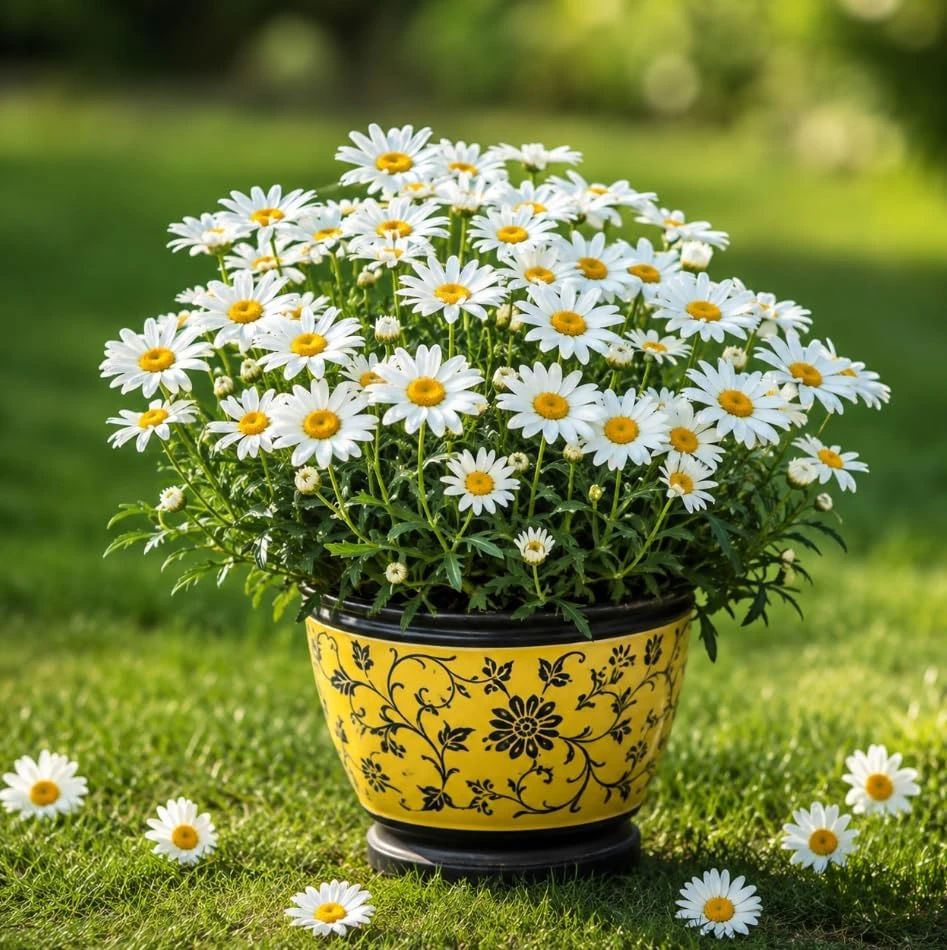
Add timeless beauty to your garden with this white daisy live plant. This lovely aster tree flower, standing 3-5 inches tall, is perfect for brightening any outdoor space and is easy to care for, blooming from spring to summer.
Estimated arrival
Oct 16
Oct 21 - Oct 23
Oct 23 - Oct 28
See our Shipping Policy.
Get in touch with us via email, and our team will review your concerns.
Our Alive & Thrive Guarantee covers issues with your plants within the first 30 days. Read our Refund & Returns Policy.
-
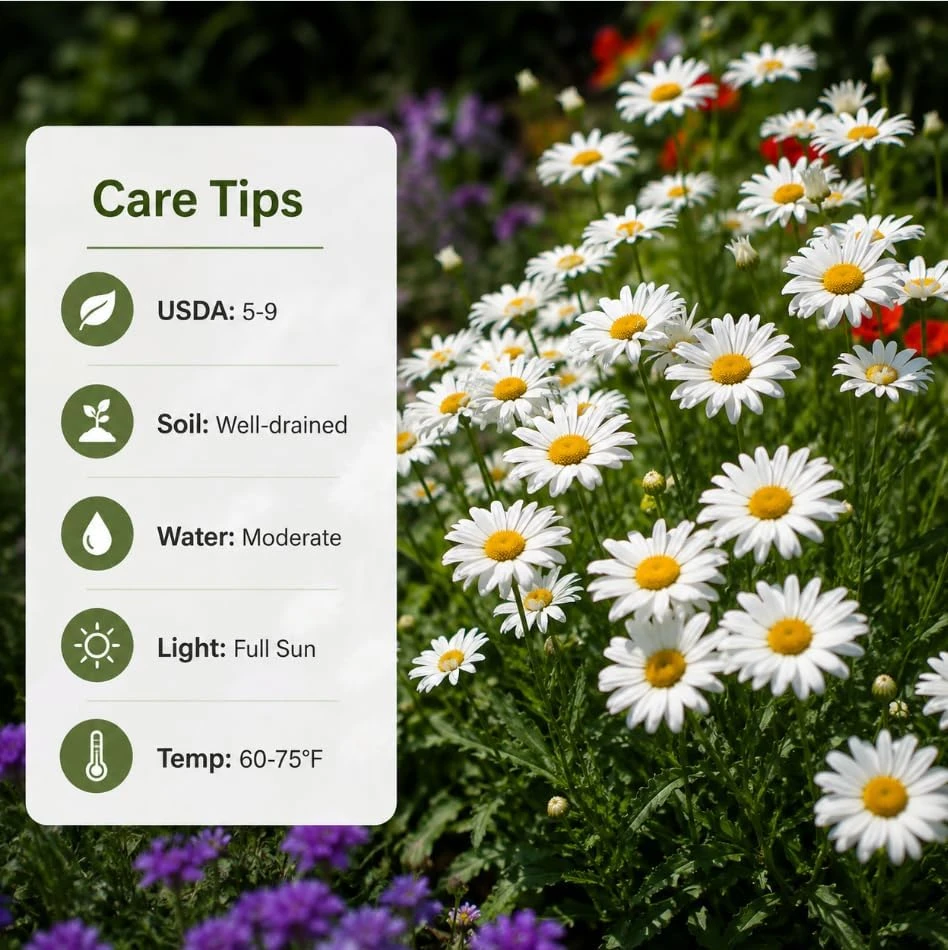
USDA Hardiness Zone
4-9 -
Soil Type
Well-draining soil -
Sunlight Exposure
Full sun -
Expected Planting Period
Spring through summer
Overview
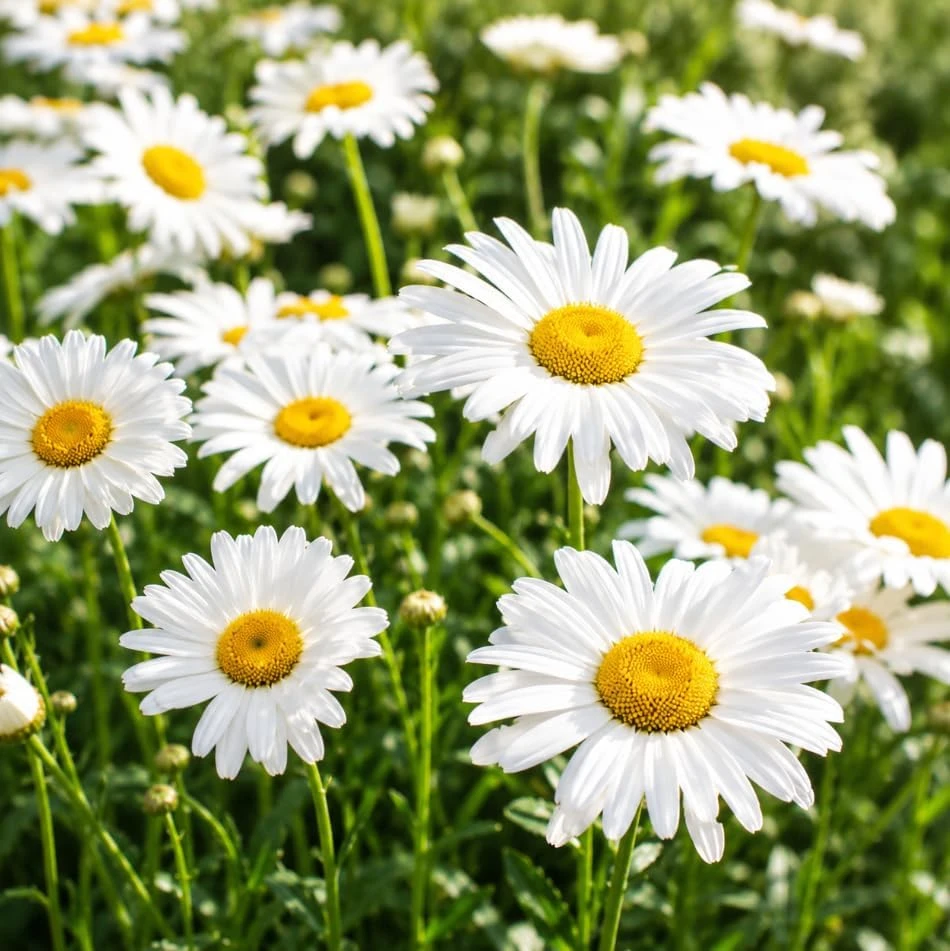
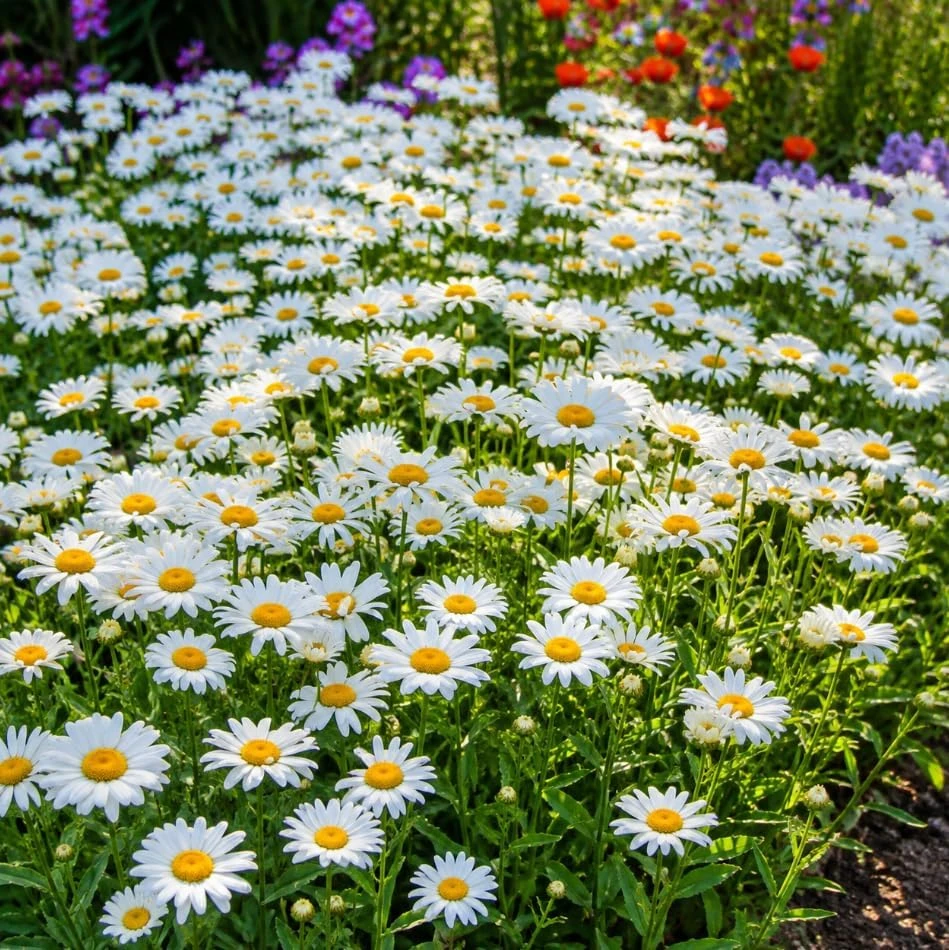
Introduce classic charm to your outdoor living space with the exquisite white daisy live plant. This delightful aster tree flower, known for its cheerful white petals and bright yellow centers, brings a touch of natural elegance to any home garden. Our carefully nurtured live plants are ready for planting, offering an instant boost of beauty and vibrant life to your landscape. Daisies are beloved for their simplicity and resilience, making them a fantastic choice for both seasoned gardeners and beginners alike. This particular variety, often referred to as an aster tree due to its potential for robust growth and abundant flowering, will create a stunning visual display. Each white daisy live plant is propagated to ensure healthy growth and vigorous blooming, promising a season full of joy and natural splendor. These plants are perfect for creating borders, filling flower beds, or adding a cheerful focal point to your patio containers.
The common daisy (Bellis perennis) is a perennial herbaceous plant from the Asteraceae family. While this specific offering is described as a ‘white aster tree,’ it refers to a daisy-like plant with a strong, upright growth habit. These plants are celebrated for their long blooming season and ability to attract pollinators, enhancing the biodiversity of your garden. Embrace the simple beauty and enduring appeal of this lovely white flower, and transform your garden into a serene and inviting haven. The white daisy live plant is a versatile addition that complements a wide range of garden styles, from cottage gardens to more formal landscapes, providing continuous blooms and a fresh, clean aesthetic.
Key Benefits
Choosing a white daisy live plant for your garden brings a multitude of advantages that go beyond its immediate beauty. These charming flowers are not only aesthetically pleasing but also contribute positively to your garden’s ecosystem and your overall enjoyment.
- Continuous Blooming Beauty: Enjoy a prolonged display of pristine white flowers from spring through summer, ensuring your garden remains vibrant and inviting for months. The abundant blooms of this white daisy live plant provide consistent visual appeal.
- Attracts Pollinators: The bright, open flowers are a magnet for bees, butterflies, and other beneficial pollinators, helping to support local ecosystems and improve the health of your garden.
- Low Maintenance: Once established, these plants are remarkably hardy and require minimal fuss, making them an excellent choice for gardeners seeking beautiful results without extensive effort.
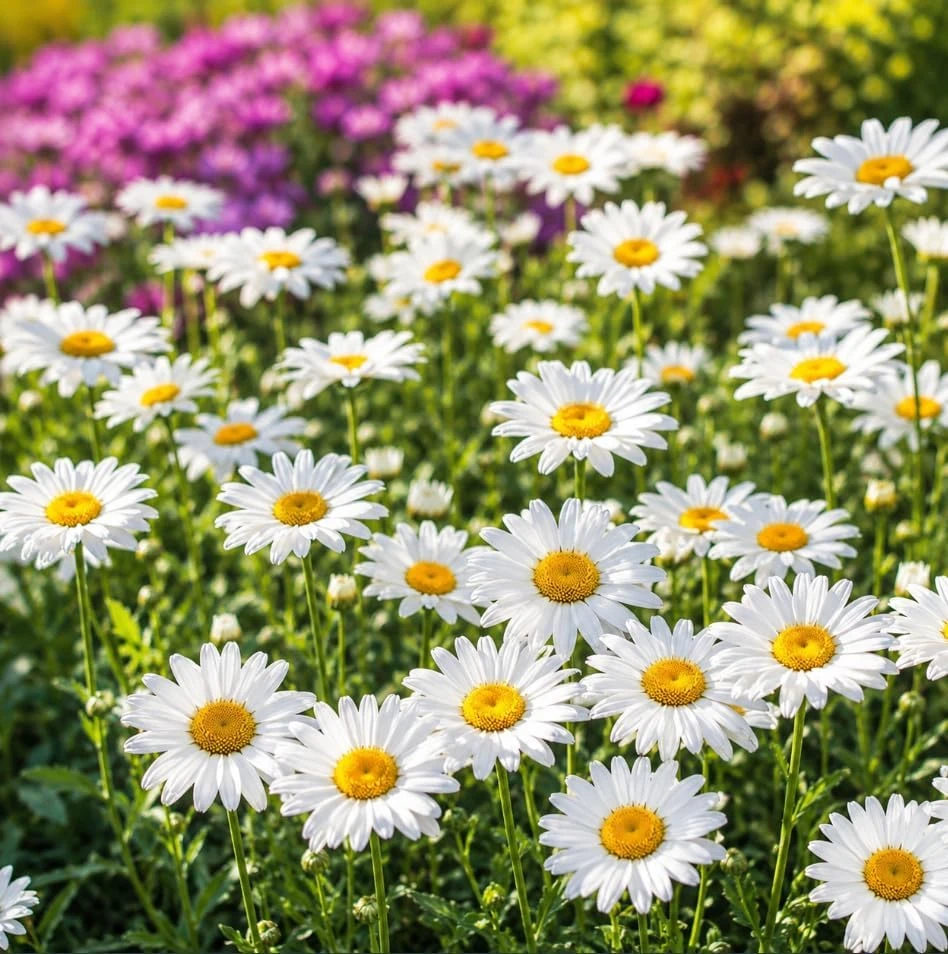
- Versatile Garden Addition: Perfect for flower beds, borders, rock gardens, or container planting, the white daisy live plant adapts well to various garden designs and settings.
- Drought Tolerant: After their initial establishment period, these daisies show good resilience to drier conditions, making them suitable for water-wise gardening practices.
- Cheerfully Classic Aesthetic: The iconic white petals and yellow centers evoke a sense of nostalgia and simplicity, adding a timeless and cheerful touch to any outdoor space.
- Enhances Garden Biodiversity: By providing nectar and pollen, these daisies contribute to a healthier and more diverse garden environment, supporting beneficial insects and wildlife.
Plant Care & Growing Tips
Caring for your white daisy live plant is straightforward, ensuring a rewarding blooming season with minimal effort. These resilient flowers thrive when provided with the right conditions, allowing them to produce a profusion of cheerful blooms. When selecting a spot for your new daisy, consider its light requirements carefully. This plant prefers full sun, meaning it needs at least 6 hours of direct sunlight per day to achieve its best flowering potential. In hotter climates, a little afternoon shade can be beneficial to prevent scorching, but generally, more sun equals more flowers. Ensure the location has well-draining soil, as daisies do not tolerate soggy roots. Amending heavy clay soils with organic matter like compost can significantly improve drainage and aeration, creating an ideal environment for your plant.
Watering is crucial during the establishment phase. After planting, water regularly to keep the soil consistently moist but not waterlogged. Once the aster tree flower is established, it becomes more drought-tolerant. Allow the soil to dry out slightly between waterings, then water deeply. Overwatering is a common mistake and can lead to root rot. For optimal growth and continuous blooming, a balanced, slow-release fertilizer can be applied in early spring. Deadheading spent flowers regularly will encourage the plant to produce more blooms and prevent it from expending energy on seed production. These daisies are hardy in USDA Zones 4-9. In colder zones, apply a layer of mulch around the base of the plant in late fall to provide insulation and protect the roots from freezing temperatures. Keep an eye out for common garden pests like aphids; a strong spray of water or an insecticidal soap can usually address these issues effectively.
Size & Details
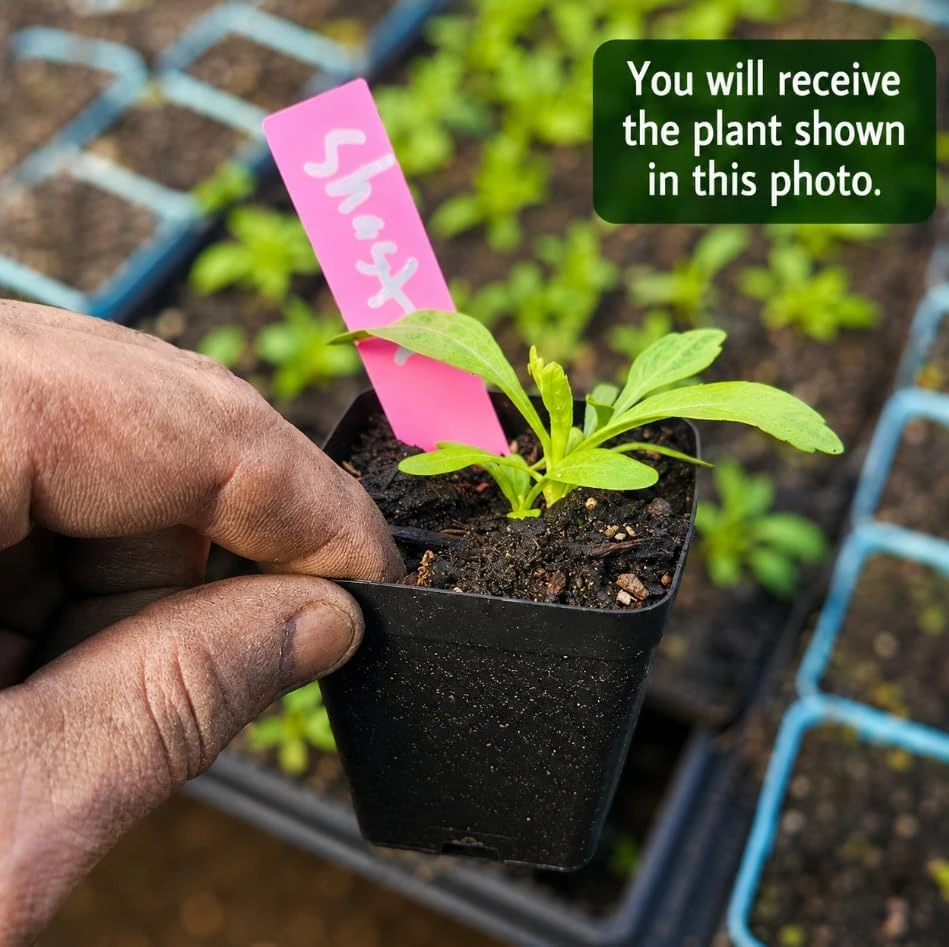
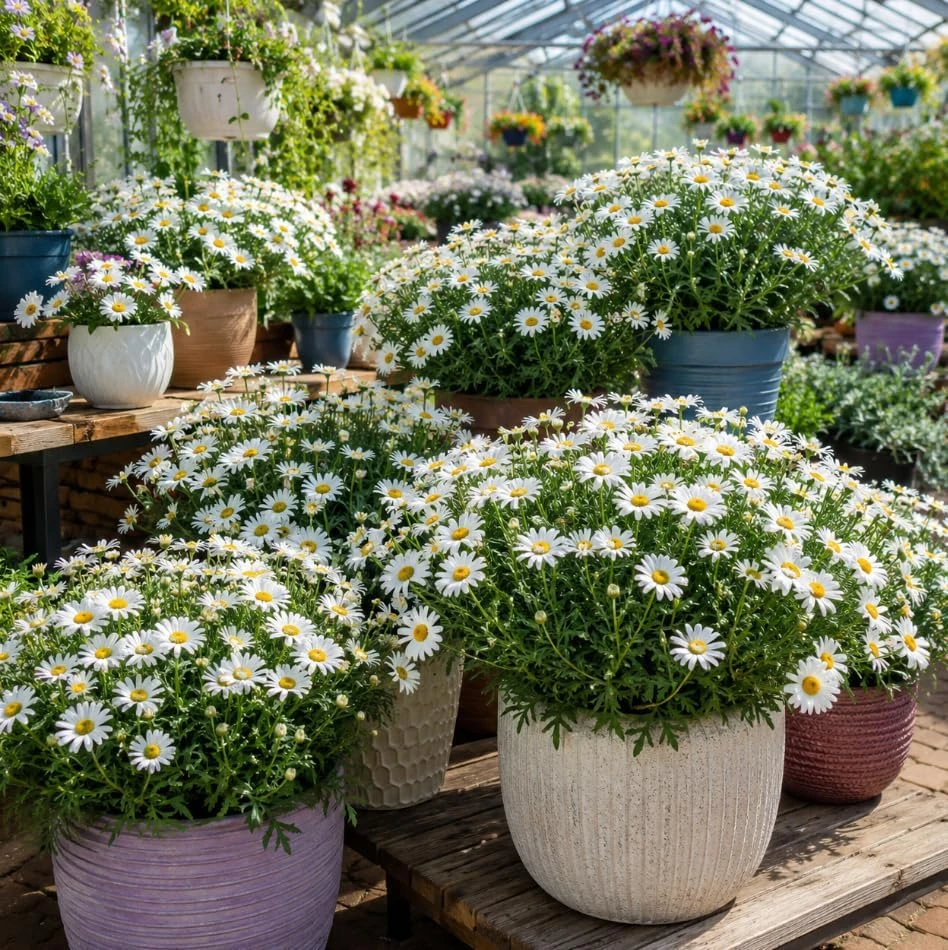
Each white daisy live plant is carefully cultivated to ensure a healthy start in your garden. Upon arrival, your plant will stand approximately 3-5 inches tall, measured from the base of the root ball to the top of the foliage. These young plants are shipped in a nursery pot with established roots, ready for immediate transplanting into your garden beds or larger containers. This compact size makes them easy to handle and allows them to quickly adapt to their new environment. Expect these daisies to establish rapidly, developing a robust root system and beginning to produce their iconic white blooms from spring through summer in their first growing season. The mature spread of a daisy plant can vary but generally forms a tidy clump, making it ideal for mass plantings or as a charming border plant. With proper care, your perennial daisy plant will return year after year, growing slightly larger and producing more flowers with each passing season.
The blooming season for this aster tree flower extends from spring through summer, providing a long period of visual interest. These plants are known for their moderate growth rate, quickly filling in their designated space. When planting, ensure adequate spacing to allow for future growth and air circulation. The small size upon arrival ensures easier shipping and less transplant shock, leading to a higher success rate for gardeners. These plants are a perfect way to introduce immediate color and life into any landscape project or container garden arrangement.
Frequently Asked Questions
- Q: How big does this white daisy live plant get? A: Upon arrival, the plant will be approximately 3-5 inches tall. With proper care, it will grow into a mature clump, typically reaching a height of 1-2 feet and a similar spread, producing abundant blooms.
- Q: Is this an indoor or outdoor plant? A: This white daisy live plant is primarily intended for outdoor cultivation. It thrives in full sun and is hardy in USDA Zones 4-9, making it an excellent addition to garden beds, borders, and outdoor containers.
- Q: How much sunlight does this aster tree flower need? A: This daisy requires full sun exposure, meaning at least 6 hours of direct sunlight per day, to ensure vigorous growth and a profusion of flowers.
- Q: Is this plant easy to care for? A: Yes, this daisy plant care is relatively easy. It’s a hardy and resilient plant, making it suitable for both beginner and experienced gardeners. Regular watering during establishment and occasional deadheading are the main requirements.
- Q: What condition will it arrive in? A: Your live plant will arrive carefully packaged in a nursery pot with established roots, ready for planting. We take great care to ensure it reaches you in healthy, vibrant condition.
- Q: When is the best time to plant this white flower garden addition? A: The best time to plant is in spring or early fall, allowing the plant to establish its root system before extreme summer heat or winter cold.
- Q: Will it survive winter in my zone? A: This perennial daisy is hardy in USDA Zones 4-9. If you are within these zones, it should survive the winter and return the following spring. In colder zones, winter protection like mulching is recommended.
- Q: What type of soil is best for this plant? A: This daisy thrives in well-draining soil. If your soil is heavy clay, amend it with organic matter to improve drainage and provide optimal growing conditions.
- Q: How often should I water my perennial daisy plant? A: Water regularly during the establishment phase, keeping the soil consistently moist. Once established, allow the top inch or two of soil to dry out between waterings.
- Q: Does this plant attract butterflies? A: Yes, the open blooms of this daisy are very attractive to butterflies, bees, and other beneficial pollinators, making it a great choice for a pollinator-friendly garden.
Be the first to review “White Daisy Live Plant – Aster Tree Flower for Home Garden, 3-5 Inch Tall”
Related products

Flower Plants
Trailing Lantana Plants Live Purple Flowers 4-8 Inch Tall Indoor Outdoor Butterfly Attractor


Flower Plants


You May Like

Hardneck vs. Softneck Garlic: Which Should You Grow?
Have you ever stood in front of a seed catalog in mid-September, staring at dozens [...]
Oct

When to Plant Music Garlic: Ultimate US Fall Guide
Have you ever spent your fall weekend placing carefully chosen garlic cloves into rich, dark [...]
1 Comment
Oct

5 Best Bulbs for Fall Planting: Brighten Your Garden This Spring
Are you dreaming of a garden full of vibrant colors in the spring? The key [...]
Aug

10 Houseplants That Will Thrive in Your Kitchen
Are you tired of your kitchen feeling dull and lifeless? Want to add a little [...]
1 Comment
Aug
Reviews
There are no reviews yet.