
White Dogwood Tree (Cornus florida) Live Plant 6-12in Bare Root/Potted
Original price was: 74.99 $.49.99 $Current price is: 49.99 $.
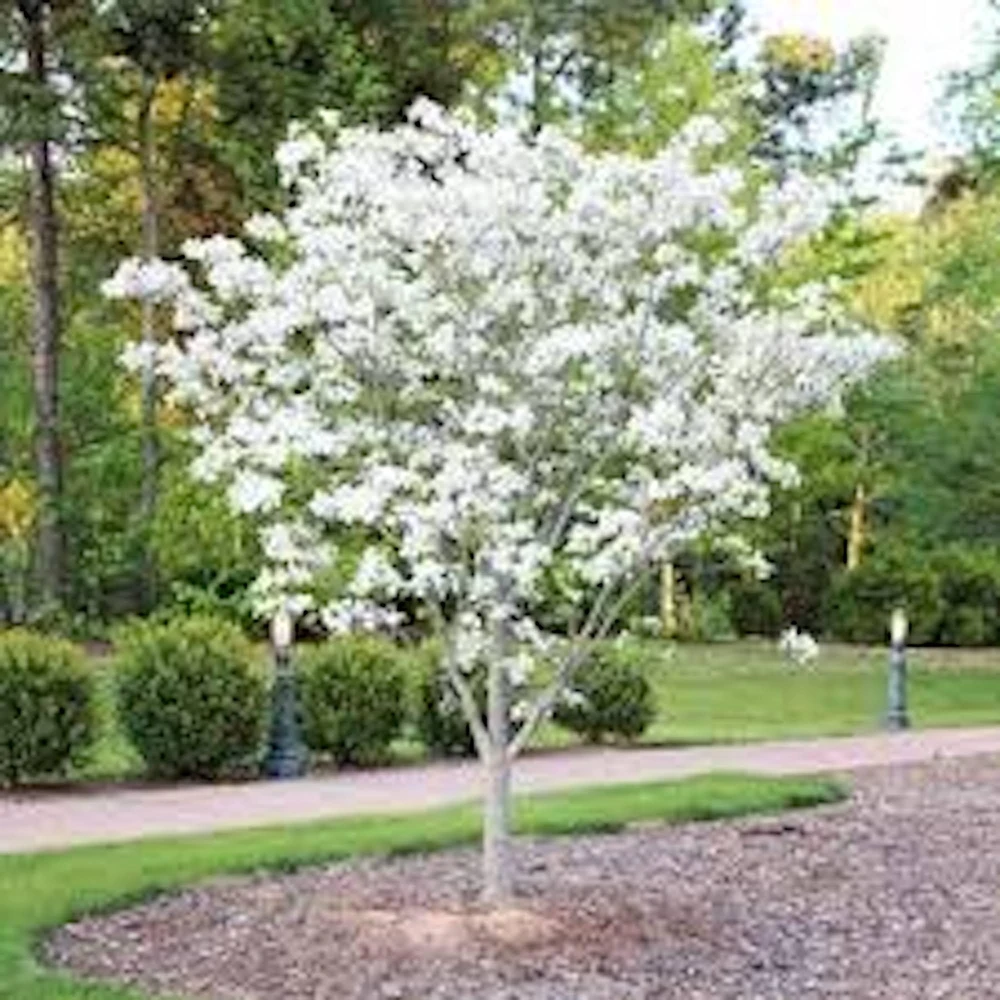
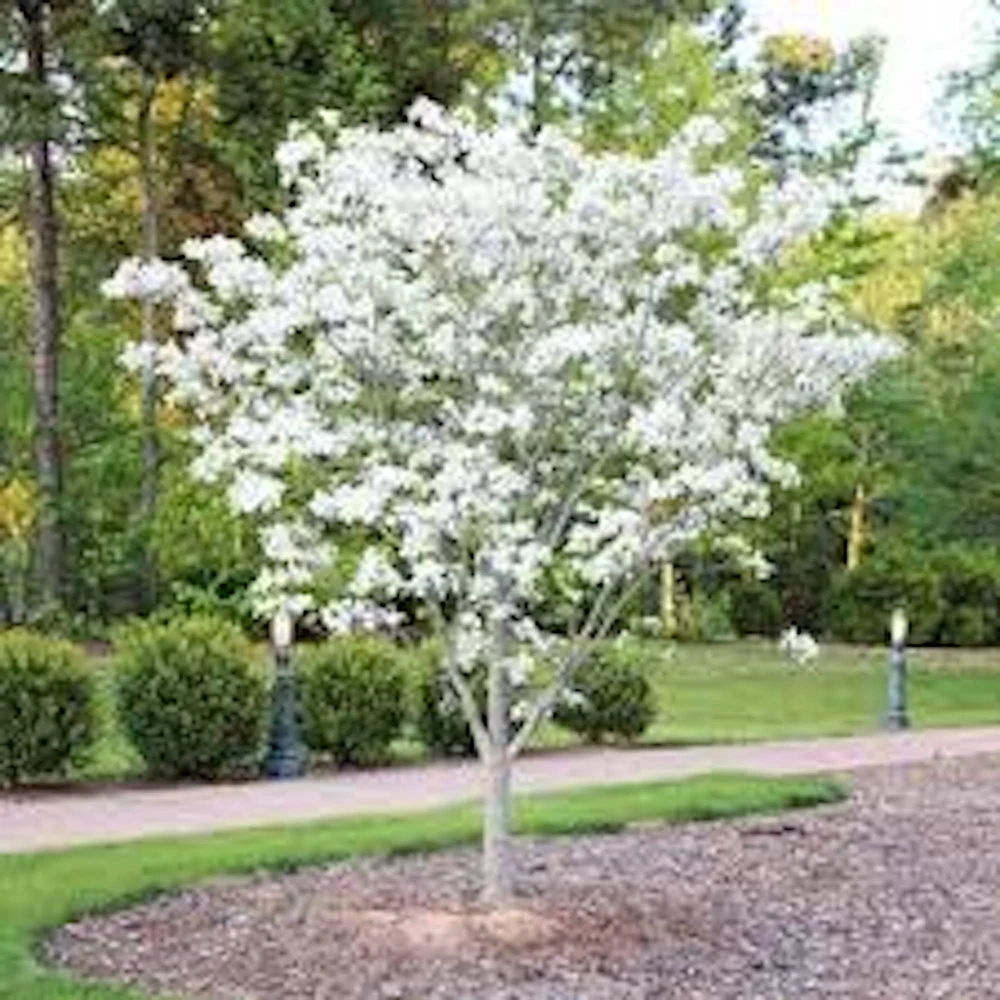
Bring elegant beauty to your garden with a white dogwood tree. This Cornus florida tree is a stunning flowering dogwood, known for its distinctive white blossoms in spring and attractive foliage throughout the year. Suitable for USDA Zones 5-9, it’s a versatile and captivating addition to any landscape.
Estimated arrival
Oct 16
Oct 21 - Oct 23
Oct 23 - Oct 28
See our Shipping Policy.
Get in touch with us via email, and our team will review your concerns.
Our Alive & Thrive Guarantee covers issues with your plants within the first 30 days. Read our Refund & Returns Policy.
-
USDA Hardiness Zone
5-9 -
Soil Type
Acidic, well-draining soil rich in organic matter -
Sunlight Exposure
Partial shade to full sun (protect from harsh afternoon sun) -
Expected Planting Period
Spring or Fall
Overview
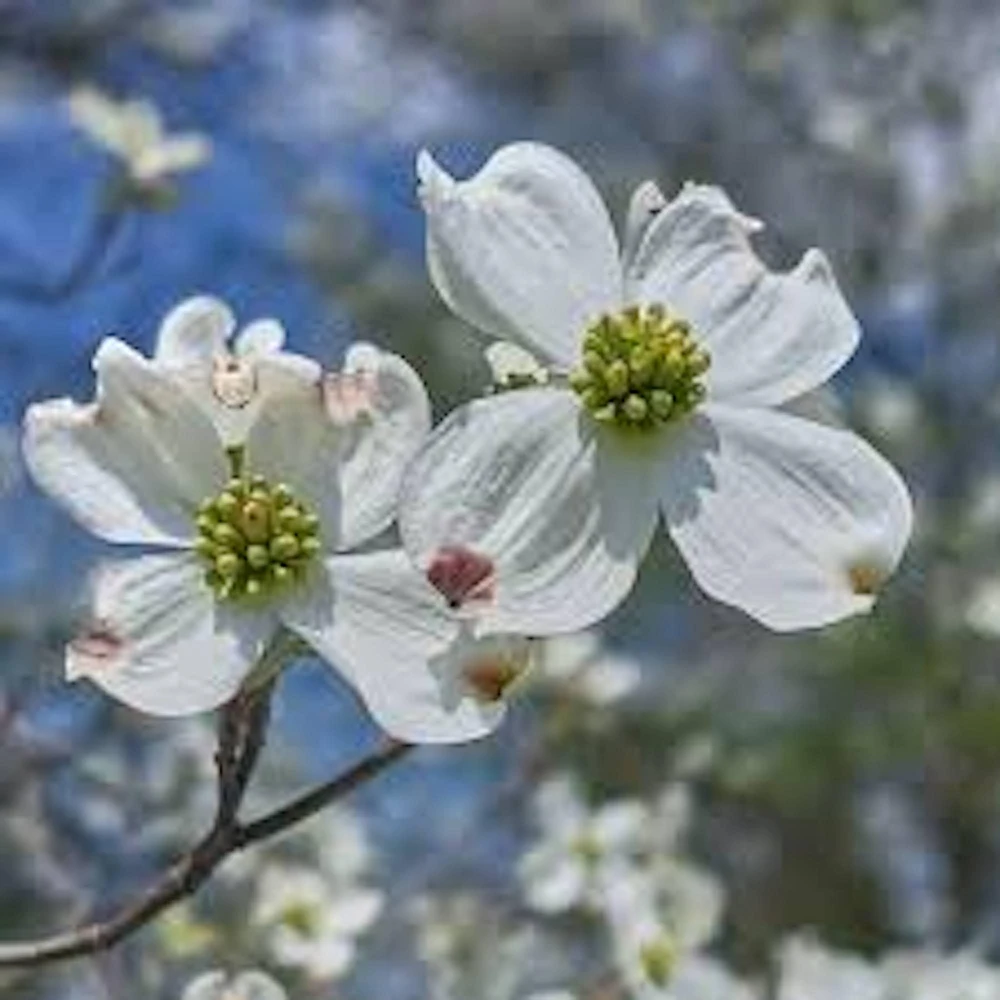
Introduce timeless elegance to your landscape with the magnificent white dogwood tree, scientifically known as Cornus florida. This iconic North American native is celebrated for its breathtaking display of white, petal-like bracts that emerge in spring, transforming your garden into a serene haven. Beyond its stunning floral show, the Cornus florida tree offers year-round interest with attractive green foliage that turns brilliant shades of red and purple in autumn, followed by glossy red berries that provide a vital food source for birds. As a medium-sized deciduous tree, it’s a perfect choice for adding structure, shade, and seasonal beauty to both small and large gardens.
The flowering dogwood plant is a beloved ornamental species, cherished for its graceful form and hardiness. It’s often referred to as simply ‘dogwood’ or ‘American dogwood,’ reflecting its widespread appeal and native roots across the eastern United States. Whether you’re looking to create a focal point, enhance a woodland garden, or simply enjoy the beauty of nature, the white dogwood tree is an exceptional choice that promises to deliver spectacular results season after season.
Key Benefits
The white dogwood tree offers a multitude of benefits, making it a highly desirable addition to any outdoor space. Its aesthetic appeal and ecological contributions are just a few reasons why gardeners and nature enthusiasts adore this plant:
- Spectacular Spring Blooms: Enjoy a stunning display of large, showy white bracts in early to mid-spring, creating a dramatic focal point in your garden. These aren’t true flowers but modified leaves that surround the small, inconspicuous yellow flowers, providing an exquisite visual impact.
- Vibrant Autumn Color: The glossy green leaves of the Cornus florida tree transform into brilliant shades of reddish-purple and scarlet in the fall, adding rich, warm hues to your autumn landscape before they drop.
- Wildlife Attraction: The bright red, oval berries that follow the flowers are a favorite food source for many bird species, including cardinals, robins, and bluebirds, enhancing biodiversity in your yard.
- Year-Round Interest: Even in winter, the distinctive, blocky bark and horizontal branching pattern of the flowering dogwood plant provide architectural interest and texture to the dormant landscape.
- Versatile Landscaping Use: Ideal as a specimen tree, understory planting in a woodland garden, or as part of a mixed border, its moderate size makes it suitable for various garden designs.
- Relatively Low Maintenance: Once established, this hardy tree requires minimal care, making it an excellent choice for gardeners seeking beauty without excessive effort.
- Cultural Significance: The American dogwood tree holds a special place in American culture and history, often symbolizing rebirth and resilience, adding a layer of depth to its presence in your garden.
Plant Care & Growing Tips
Proper care is essential to ensure your white dogwood tree thrives and displays its full beauty. This tree prefers a specific set of conditions to flourish, primarily focusing on its light, water, and soil requirements. The Cornus florida tree generally performs best in locations that receive partial shade, especially in hotter climates where afternoon sun can be too intense. Morning sun with afternoon shade is often ideal, as it provides enough light for flowering without scorching the leaves. In cooler regions, it can tolerate more direct sunlight, but consistent moisture is critical. Aim for at least 4-6 hours of sunlight daily, but protect it from harsh midday sun.
When it comes to watering, the flowering dogwood plant prefers consistently moist but well-drained soil. It is not drought-tolerant, especially when young, so regular watering during dry periods is crucial. Check the soil moisture regularly by sticking your finger about an inch or two deep; if it feels dry, it’s time to water. Avoid overwatering, which can lead to root rot. The ideal soil for a white dogwood tree is acidic, rich in organic matter, and well-draining. Amending heavy clay soils with compost or pine bark can significantly improve drainage and provide essential nutrients. A pH between 5.5 and 6.5 is generally preferred.
The American dogwood tree is hardy in USDA Zones 5-9. It can withstand winter temperatures down to -20°F (-29°C) but may struggle in areas with extremely cold winters or very hot, dry summers. Fertilize your dogwood in early spring before new growth appears, using a balanced, slow-release fertilizer formulated for acid-loving plants. Follow the product instructions carefully to avoid over-fertilization. Pruning should be done in late winter or early spring while the tree is dormant, focusing on removing dead, damaged, or crossing branches to maintain its shape and promote good air circulation. Be vigilant for common issues like dogwood anthracnose or powdery mildew, which can be managed with proper cultural practices and fungicides if necessary.
Size & Details
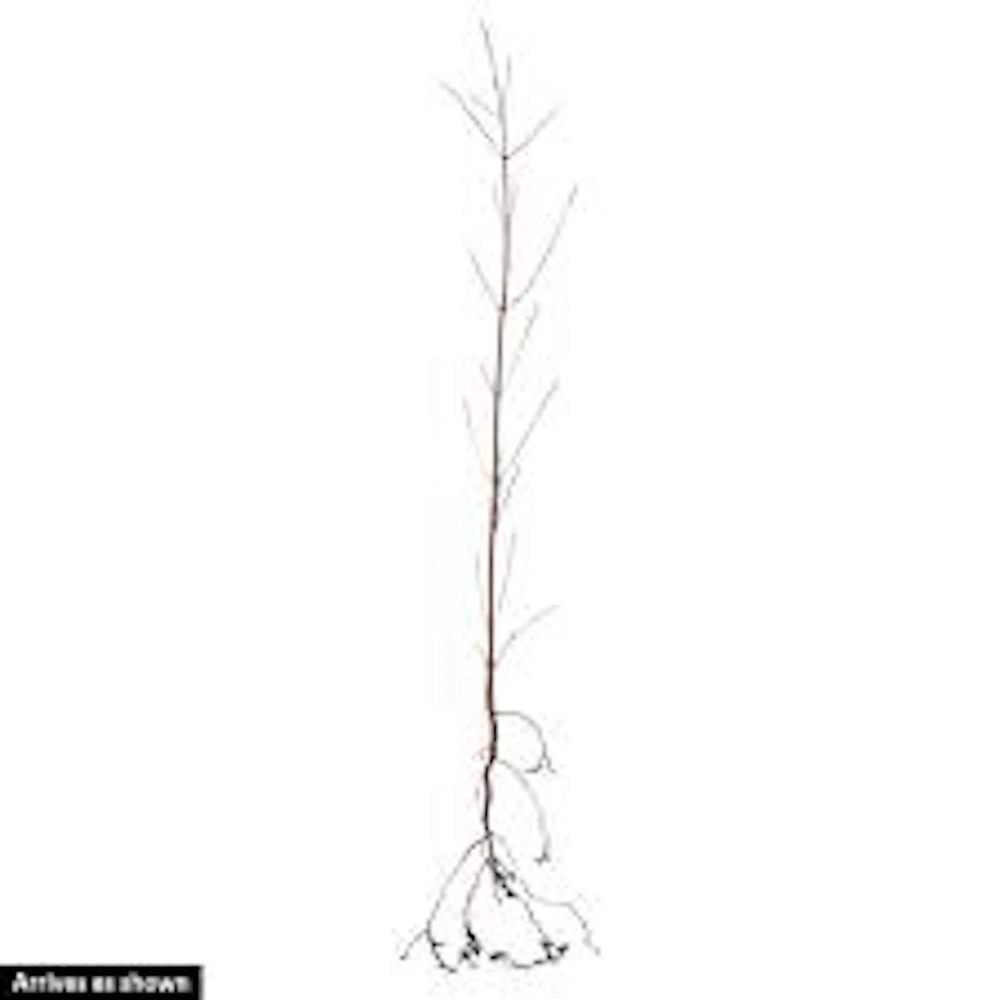
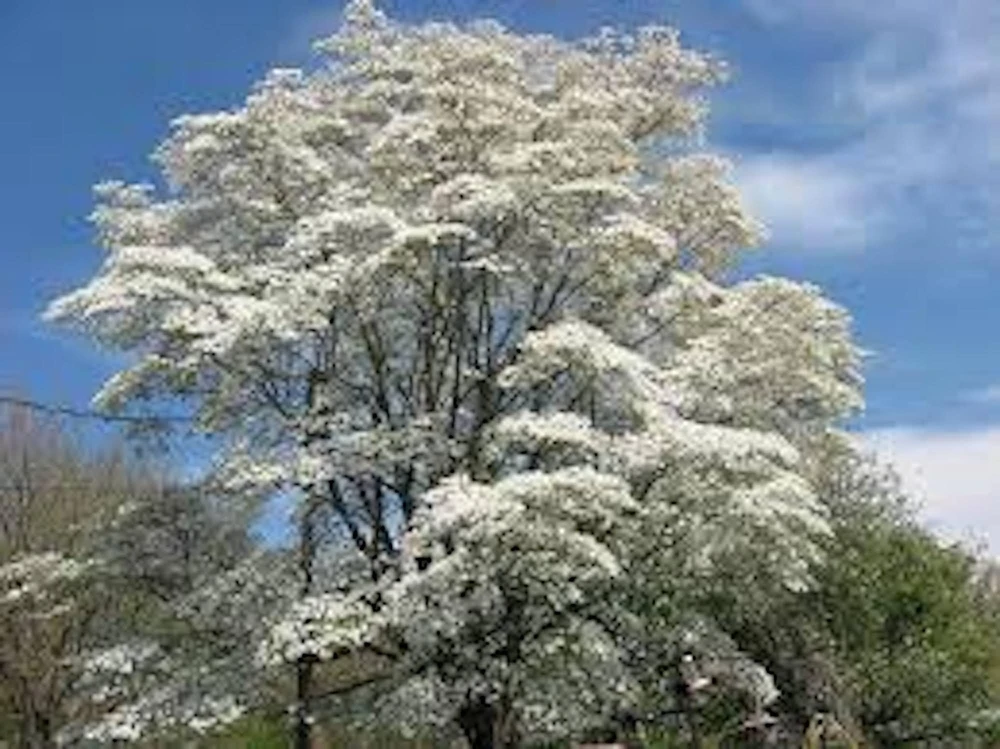
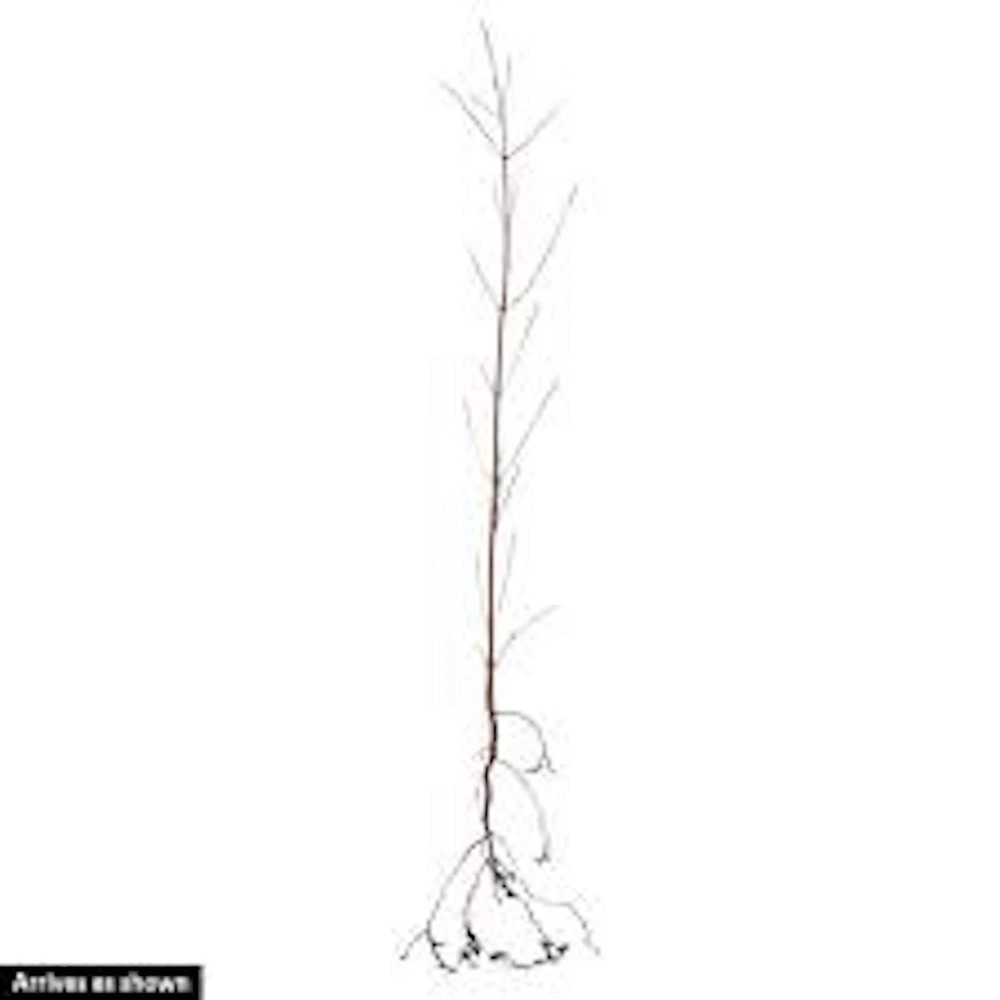
This offering is for a white dogwood tree live plant, typically measuring 6-12 inches in height upon arrival. It is shipped as a bare root plant when dormant in the cooler months, ensuring a healthy start for establishment. During the active growing season, it will be shipped in a quart pot, providing a more developed root system. The Cornus florida tree is known for its moderate growth rate, typically adding 13-24 inches of height per year once established. At maturity, this stunning flowering dogwood plant can reach an impressive height of 15-40 feet with a spread of 12-20 feet, forming a beautiful, broad crown.
The mature size of the white dogwood tree makes it an excellent choice for a variety of landscape applications, from a prominent specimen plant to an elegant addition within a larger garden design. Its robust nature and adaptability to USDA Zones 5-9 ensure it will thrive in many different climates across the US. Expect to see the first beautiful white blooms within a few years of planting, with the display becoming more spectacular as the tree matures. This American dogwood tree is a long-lived species, providing decades of seasonal beauty and ecological benefit to your property.
Frequently Asked Questions
- Q: How big does this white dogwood tree get? A: This tree can reach a mature height of 15-40 feet with a spread of 12-20 feet. It has a medium growth rate, adding about 13-24 inches per year once established.
- Q: What size pot does it come in? A: When shipped during the dormant season, this Cornus florida tree will arrive bare root. During the active growing season, it will be shipped in a quart-sized pot.
- Q: Is this an indoor or outdoor plant? A: The flowering dogwood plant is an outdoor deciduous tree, perfect for landscaping and garden settings. It requires a period of dormancy and is not suitable for indoor cultivation.
- Q: How much sunlight does the American dogwood tree need? A: It prefers partial shade, especially in warmer climates, receiving at least 4-6 hours of morning sun. In cooler regions, it can tolerate more sun if kept consistently moist.
- Q: Is this plant easy to care for? A: Once established, the white dogwood tree is relatively low-maintenance. It requires consistent moisture, well-draining acidic soil, and protection from harsh afternoon sun to thrive.
- Q: What condition will it arrive in? A: During its dormant period, the tree is shipped bare root. During the growing season, it is shipped in a quart pot to ensure the root system is protected and hydrated for transit.
- Q: When is the best time to plant a flowering dogwood plant? A: The best times for planting are in the spring after the last frost or in early fall before the ground freezes. This allows the roots to establish before extreme weather.
- Q: Will this Cornus florida tree survive winter in my zone? A: Yes, this tree is hardy and suitable for USDA Zones 5-9, meaning it can tolerate winter temperatures down to -20°F (-29°C) in these regions.
- Q: How long until this dogwood tree blooms? A: Dogwood trees typically begin to produce their characteristic white blooms within a few years of planting, with the display becoming more abundant as the tree matures.
- Q: What kind of soil is best for a white dogwood tree? A: It thrives in well-draining, acidic soil that is rich in organic matter. Amending with compost can improve soil structure and fertility.
Be the first to review “White Dogwood Tree (Cornus florida) Live Plant 6-12in Bare Root/Potted”
Related products


You May Like

Hardneck vs. Softneck Garlic: Which Should You Grow?
Have you ever stood in front of a seed catalog in mid-September, staring at dozens [...]
Oct

When to Plant Music Garlic: Ultimate US Fall Guide
Have you ever spent your fall weekend placing carefully chosen garlic cloves into rich, dark [...]
1 Comment
Oct

5 Best Bulbs for Fall Planting: Brighten Your Garden This Spring
Are you dreaming of a garden full of vibrant colors in the spring? The key [...]
Aug

10 Houseplants That Will Thrive in Your Kitchen
Are you tired of your kitchen feeling dull and lifeless? Want to add a little [...]
1 Comment
Aug
Reviews
There are no reviews yet.