
White Rose of Sharon Hibiscus Live Plant – Althea Syriacus Starter, 12-24″ Tall Quart Pot
Original price was: 216.99 $.191.99 $Current price is: 191.99 $.
Bring elegance to your garden with the white Rose of Sharon Hibiscus live plant. This beautiful Althea syriacus care is a hardy deciduous shrub known for its stunning white flowers that bloom from summer to fall. It’s a low-maintenance addition, thriving in full sun to partial shade, making it a perfect choice for gardeners seeking a vibrant and easy-to-grow flowering shrub.
Estimated arrival
Oct 16
Oct 21 - Oct 23
Oct 23 - Oct 28
See our Shipping Policy.
Get in touch with us via email, and our team will review your concerns.
Our Alive & Thrive Guarantee covers issues with your plants within the first 30 days. Read our Refund & Returns Policy.
-
USDA Hardiness Zone
USDA Zones 5-9 -
Soil Type
Moist, well-draining soil -
Sunlight Exposure
Full sun to partial shade -
Expected Planting Period
Spring to early summer
Overview
Introduce a touch of classic beauty to your landscape with the white Rose of Sharon Hibiscus live plant. Also known as Althea (Hibiscus syriacus), this exceptional deciduous shrub offers a dazzling display of large, showy white flowers throughout the summer and into the fall. Unlike some other hibiscus varieties, the white Rose of Sharon Hibiscus live plant is remarkably hardy and adaptable, making it a favorite for gardeners across various climates. It can be grown as a striking standalone specimen, integrated into mixed borders, or even trained into a small tree form to create a unique focal point. This particular offering is for a healthy starter plant, ready to establish itself and bring years of enjoyment to your outdoor space. Its robust nature and beautiful blooms make it an excellent choice for both experienced gardeners and those new to cultivating flowering shrubs.
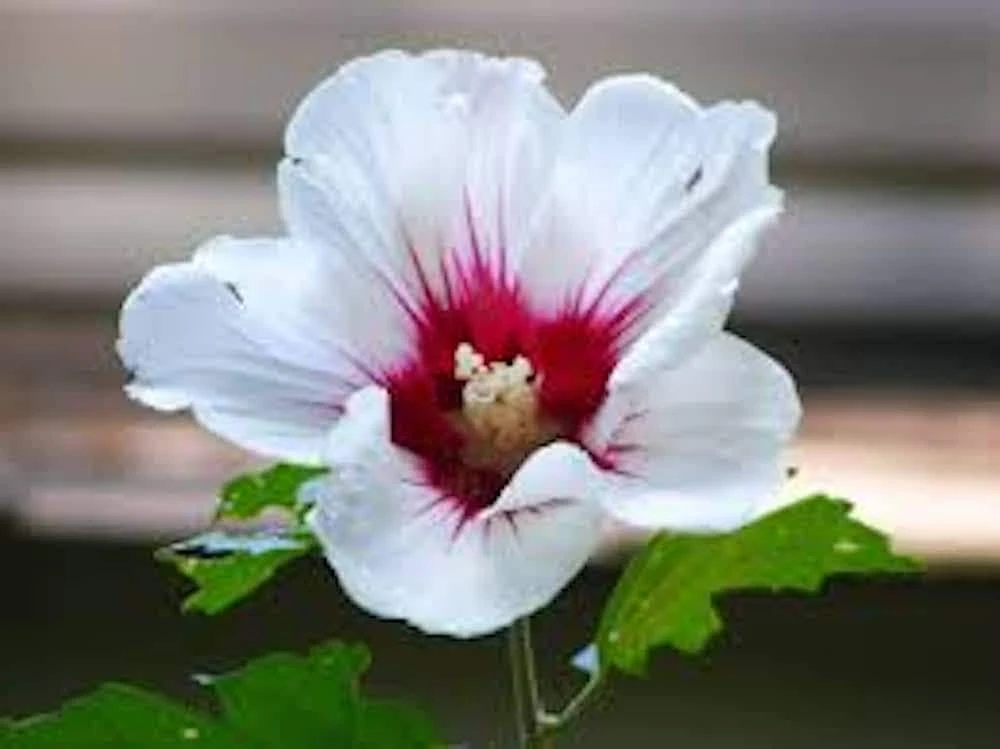
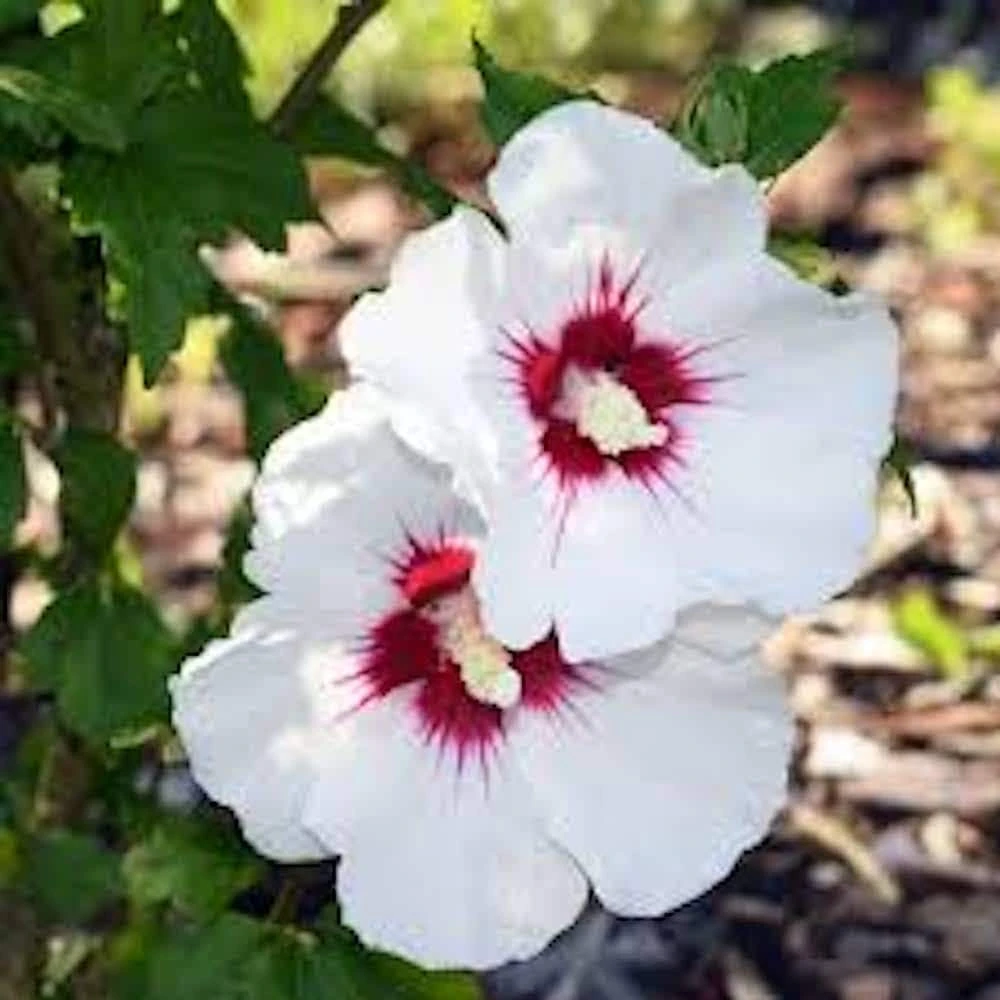
The white Rose of Sharon Hibiscus live plant is celebrated for its vigorous growth and ability to thrive with minimal fuss. Originating from Asia, this species has been cultivated for centuries for its ornamental value. Its upright growth habit and dense foliage provide structure and texture to the garden, even when not in bloom. The pristine white petals, often with a subtle splash of color at the center, create a refreshing contrast against its green leaves. This plant is a true summer star, providing continuous color when many other garden plants are beginning to fade.
Key Benefits
The white Rose of Sharon Hibiscus live plant offers numerous advantages, making it a cherished addition to any garden. Its beauty and resilience contribute to a vibrant and thriving outdoor environment.
- Stunning Summer to Fall Blooms: Enjoy a prolonged period of spectacular white flowers that emerge from summer through early fall. These large, trumpet-shaped blooms provide continuous visual interest when many other plants have finished their flowering cycle, ensuring your garden remains lively and colorful.
- Exceptional Hardiness: This hardy hibiscus shrub is incredibly resilient, tolerating a wide range of growing conditions and temperatures. It’s known for its ability to withstand colder winters than many other hibiscus varieties, making it suitable for a broad spectrum of USDA hardiness zones.
- Low Maintenance & Easy Care: The Althea syriacus care requirements are minimal once established. It’s drought-tolerant and generally pest-resistant, requiring little intervention beyond basic watering and occasional pruning. This makes it ideal for gardeners seeking high impact with low effort.
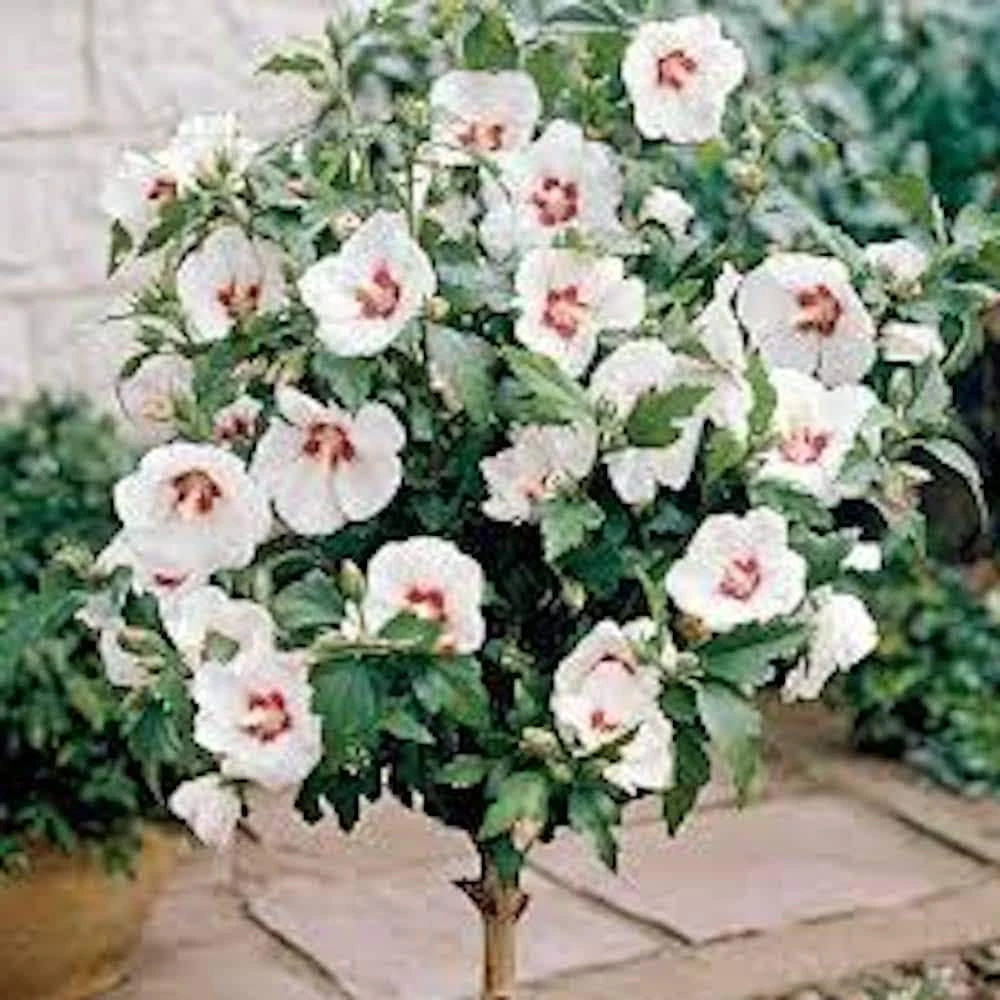
- Versatile Landscape Use: Whether you want a stately specimen plant, a vibrant hedge, or a charming small tree, the white Rose of Sharon Hibiscus live plant can fulfill various roles in your garden design. Its adaptability in form allows for creative landscaping possibilities.
- Attracts Pollinators: The showy flowers are a magnet for beneficial pollinators such as bees and butterflies, contributing to a healthy garden ecosystem. Watching these creatures flit around the blooms adds an extra layer of enjoyment to your outdoor space.
- Deer Resistant: Generally, deer tend to leave Rose of Sharon plants alone, making it a good choice for gardens in areas where deer browsing is a concern. This allows you to enjoy its beauty without constant worry about damage.
- Long Lifespan: With proper care, a deciduous flowering shrub like the Rose of Sharon can live for many decades, becoming a long-term feature in your landscape and growing more magnificent with each passing year.
Plant Care & Growing Tips
Ensuring the success of your white Rose of Sharon Hibiscus live plant involves understanding its basic needs for sunlight, water, and soil. This hardy hibiscus shrub is forgiving, but providing optimal conditions will lead to the most abundant blooms and robust growth. For best results, plant your Rose of Sharon in a location that receives full sun to partial shade. Full sun (at least 6 hours of direct sunlight per day) will encourage the most prolific flowering. While it can tolerate some afternoon shade, especially in hotter climates, too much shade can reduce bloom production and lead to leggy growth.
When it comes to watering, the Althea syriacus care approach is straightforward. Keep the soil consistently moist, especially during its first growing season to help establish a strong root system. Once established, it becomes quite drought-tolerant, but regular watering during dry spells will promote better flowering. The key is well-drained soil; standing water can lead to root rot. A good quality, loamy soil with a neutral to slightly acidic pH is ideal. Amending heavy clay soils with organic matter like compost can significantly improve drainage and provide essential nutrients for your white Rose of Sharon Hibiscus live plant. Fertilize in early spring with a balanced, slow-release fertilizer to support vigorous growth and abundant blooms.
Pruning is an important aspect of maintaining the shape and health of your deciduous flowering shrub. You can prune in late winter or early spring before new growth begins. Rose of Sharon blooms on new wood, so pruning at this time won’t sacrifice the current season’s flowers. Remove any dead, damaged, or crossing branches. You can also prune to control size, shape the plant, or encourage a more tree-like form by removing lower branches. This proactive approach to Rose of Sharon planting and care will ensure a stunning display each year.
Size & Details
This offering is for one white Rose of Sharon Hibiscus live plant, typically shipped as a starter plant in a quart pot. The plant will arrive approximately 12-24 inches tall, ready for immediate planting in your garden or a larger container. These young plants are carefully nurtured to ensure they are healthy and well-rooted, providing a strong foundation for future growth. The hardy hibiscus shrub is known for its moderate to fast growth rate, and with proper care, it can reach a mature height of 8-12 feet tall and spread 6-10 feet wide.
This deciduous flowering shrub is shipped as a bare root starter, which means it will be carefully packaged without soil around its roots to minimize shipping stress and ensure a healthy transition to your garden. Upon arrival, it’s crucial to plant it promptly and provide adequate water. Expect this white Rose of Sharon Hibiscus live plant to begin flowering in its first or second year, with blooms appearing from mid-summer through early fall. The plant’s robust nature ensures it will quickly establish itself and become a prominent feature in your landscape, offering a consistent display of beautiful white flowers.
Frequently Asked Questions
- Q: How big does this plant get? A: The white Rose of Sharon Hibiscus live plant typically grows to a mature height of 8-12 feet and can spread 6-10 feet wide. Its size can be managed with regular pruning to suit your garden space.
- Q: What size pot does it come in? A: This starter plant is shipped in a quart-sized pot and measures approximately 12-24 inches tall upon arrival, ready for transplanting.
- Q: Is this an indoor or outdoor plant? A: The white Rose of Sharon Hibiscus live plant is an outdoor deciduous shrub. It is not suitable for long-term indoor cultivation, as it requires a period of dormancy.
- Q: How much sunlight does it need? A: For optimal growth and flowering, this hardy hibiscus shrub prefers full sun (at least 6 hours of direct sunlight daily) but can tolerate partial shade, especially in hotter climates.
- Q: Is this plant easy to care for? A: Yes, the Althea syriacus care requirements are relatively low once established. It’s known for its hardiness and drought tolerance, making it a great choice for both novice and experienced gardeners.
- Q: What condition will it arrive in? A: Your white Rose of Sharon Hibiscus live plant will arrive as a healthy bare root starter, carefully packaged to ensure its safety during transit. It’s important to plant it as soon as possible upon arrival.
- Q: When is the best time for Rose of Sharon planting? A: The best time for Rose of Sharon planting is in spring or early fall, allowing the plant to establish its root system before extreme temperatures.
- Q: Will it survive winter in my zone? A: This deciduous flowering shrub is very hardy and typically thrives in USDA Zones 5-9. It will drop its leaves in winter and leaf out again in spring.
- Q: How long until it blooms? A: You can typically expect your white Rose of Sharon Hibiscus live plant to begin producing its beautiful white blooms in its first or second year after planting, with flowering occurring from summer to fall.
- Q: What type of soil does it prefer? A: It prefers moist, well-draining soil. While adaptable to various soil types, enriching the soil with organic matter will promote healthier growth and better flowering.
Be the first to review “White Rose of Sharon Hibiscus Live Plant – Althea Syriacus Starter, 12-24″ Tall Quart Pot”
Related products


You May Like

Hardneck vs. Softneck Garlic: Which Should You Grow?
Have you ever stood in front of a seed catalog in mid-September, staring at dozens [...]
Oct

When to Plant Music Garlic: Ultimate US Fall Guide
Have you ever spent your fall weekend placing carefully chosen garlic cloves into rich, dark [...]
1 Comment
Oct

5 Best Bulbs for Fall Planting: Brighten Your Garden This Spring
Are you dreaming of a garden full of vibrant colors in the spring? The key [...]
Aug

10 Houseplants That Will Thrive in Your Kitchen
Are you tired of your kitchen feeling dull and lifeless? Want to add a little [...]
1 Comment
Aug
Reviews
There are no reviews yet.