
Wild Daylily Plants – 10 Orange Ditch Lily Bare Roots – Hardy Outdoor Perennial
Original price was: 49.91 $.29.91 $Current price is: 29.91 $.
Transform your landscape with this pack of wild daylily plants, featuring 10 bare root systems of the classic orange Ditch Lily. These robust, low-maintenance perennials are perfect for adding vibrant color and naturalizing areas, thriving in various conditions.
Estimated arrival
Oct 15
Oct 20 - Oct 22
Oct 22 - Oct 27
See our Shipping Policy.
Get in touch with us via email, and our team will review your concerns.
Our Alive & Thrive Guarantee covers issues with your plants within the first 30 days. Read our Refund & Returns Policy.
-
USDA Hardiness Zone
USDA Zones 3-9 -
Soil Type
Well-draining soil -
Sunlight Exposure
Full sun to partial shade -
Expected Planting Period
Spring or Fall
Overview
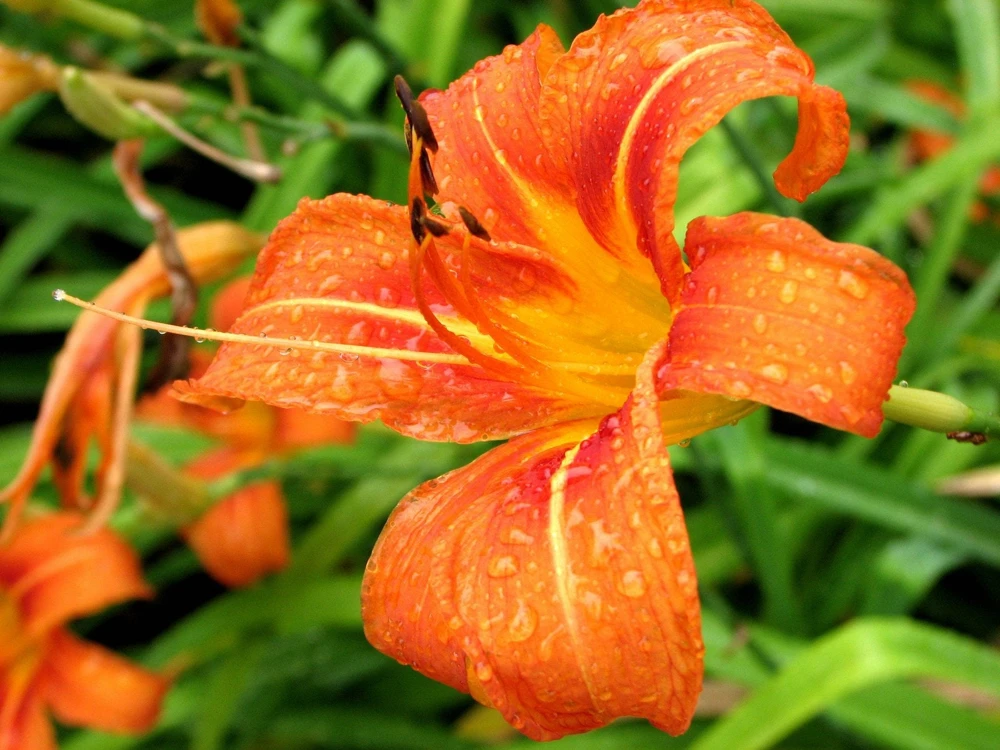
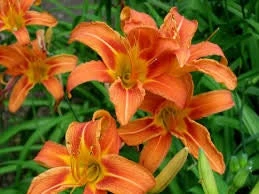
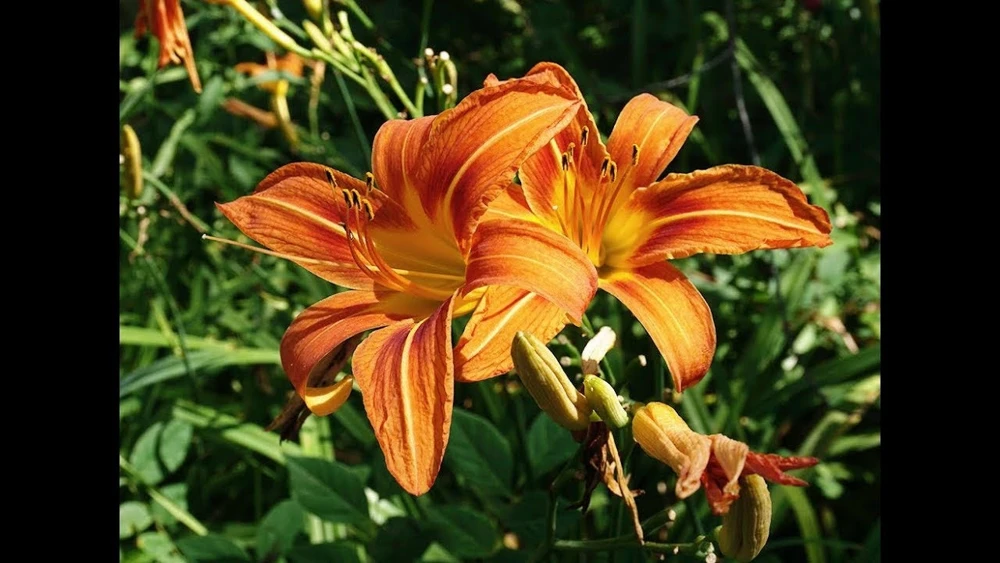
Introduce vibrant, natural beauty to your garden with our wild daylily plants. This offering includes 10 robust bare root systems of the classic orange Wild Daylily, also widely known as the Ditch Lily (Hemerocallis fulva). These highly adaptable and resilient perennials have graced landscapes across the eastern United States for centuries, naturalized from early European settler gardens. Renowned for their cheerful, trumpet-shaped orange blooms and easy-care nature, these plants are an excellent choice for gardeners seeking both aesthetic appeal and practical benefits. Whether you’re looking to fill a large area, prevent soil erosion, or simply enjoy a splash of summer color, these wild daylily plants are a perfect solution. They establish quickly, spread gradually, and create a dense, attractive groundcover.
The Ditch Lily is not only beautiful but also incredibly hardy, making it suitable for a wide range of growing conditions and gardener skill levels. Their ability to thrive in diverse environments, from full sun to partial shade and in various soil types, makes them a versatile addition to any outdoor space. These particular orange daylily bare roots are a testament to their enduring popularity and ease of cultivation. Once planted, they require minimal intervention, returning year after year with their characteristic charm. Embrace the timeless appeal and robust nature of these beloved garden staples.
Key Benefits
Our wild daylily plants offer numerous advantages for your garden, combining beauty with exceptional resilience and functionality. These plants are a fantastic investment for both novice and experienced gardeners alike.
- Vibrant Orange Blooms: Enjoy a spectacular display of bright orange, trumpet-shaped flowers that bring a cheerful and classic summer aesthetic to your garden. Each bloom lasts for a day, but the plant produces a continuous succession over several weeks.
- Exceptional Hardiness: These daylilies are incredibly tough and adaptable, tolerating a wide range of soil conditions, from poor to rich, and thriving in both full sun and partial shade. They are known for their ability to withstand neglect and still perform beautifully.
- Effective Erosion Control: With their fibrous root systems and spreading habit, ditch lily perennial plants are excellent for stabilizing soil on slopes, along banks, or in areas prone to erosion, helping to protect your landscape naturally.
- Low Maintenance Perennial: Once established, these wild daylilies require very little care. They are drought-tolerant, generally pest-free, and do not need frequent fertilization, making them an ideal choice for busy gardeners.
- Naturalizing & Mass Planting: Perfect for creating large sweeps of color, naturalizing wilder areas, or filling in borders. Their spreading nature means they will gradually multiply, creating a fuller, more established look over time without becoming overly aggressive.
- Attracts Pollinators: The bright flowers can attract beneficial pollinators like bees and butterflies to your garden, contributing to a healthier ecosystem.
- Historic and Classic Appeal: As a plant with a long history in American gardens, the Ditch Lily offers a nostalgic charm and a sense of tradition to any landscape design.
Plant Care & Growing Tips
Caring for your wild daylily plants is remarkably straightforward, making them a joy for any gardener. These hardy perennials are known for their resilience and ability to thrive with minimal intervention. For optimal growth, plant your bare roots in an area that receives at least 6 hours of direct sunlight per day. While they tolerate partial shade, full sun encourages the most abundant flowering. Ensure the soil is well-draining, though these plants are highly adaptable and will grow in almost any soil type, from sandy to clay. When planting the orange daylily bare roots, dig a hole wide enough to spread out the roots and deep enough so the crown (where the roots meet the foliage) is just at the soil surface. Water thoroughly after planting to settle the soil around the roots.
Watering requirements are minimal once established. While they appreciate regular moisture, especially during dry spells, daylilies are quite drought-tolerant. Overwatering should be avoided, as it can lead to root rot. Fertilization is generally not necessary in average garden soil, but a balanced slow-release fertilizer in early spring can promote more vigorous growth and flowering. These plants are incredibly cold-hardy, typically thriving in USDA Zones 3-9. They can tolerate a wide range of temperatures and are not typically bothered by pests or diseases. Deadheading spent blooms can encourage more flowering, but it’s not strictly necessary for the plant’s health. Division every few years in spring or fall can help rejuvenate crowded clumps and provide new plants for other areas of your garden, ensuring your hardy daylily for garden continues to flourish.
Size & Details
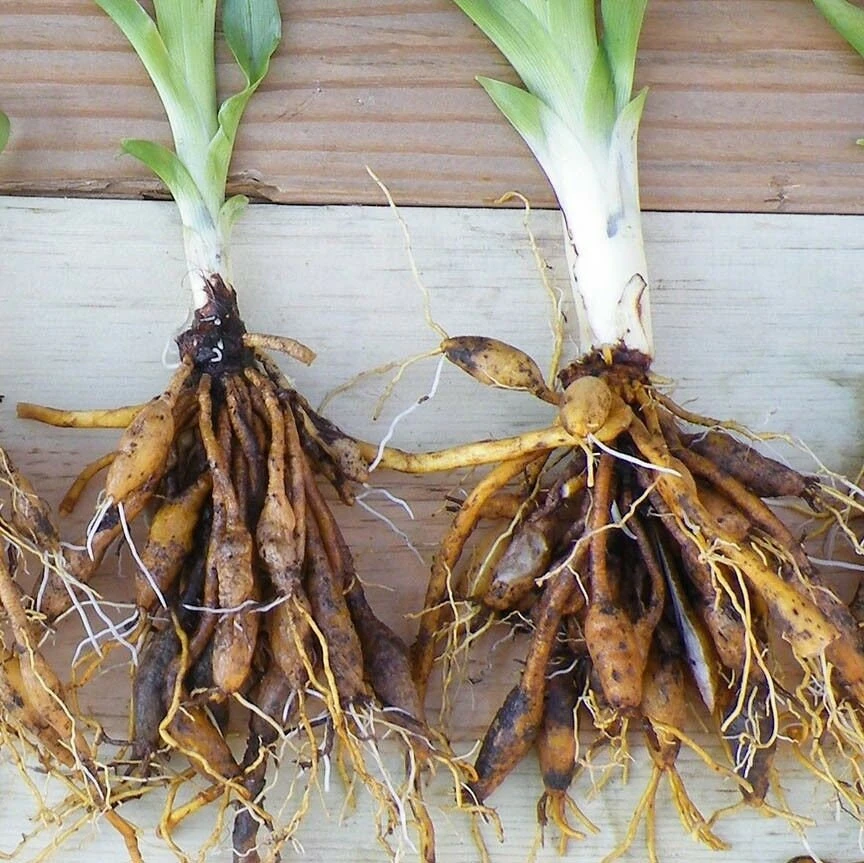
This offering provides 10 robust wild daylily plants, delivered as healthy bare root systems or fans. Each fan consists of a root system and a fan of leaves, ready for planting and establishment in your garden. Upon maturity, these Ditch Lilies typically reach a height of approximately 3 feet (90 cm) tall, forming attractive clumps that spread gradually over time. Their growth rate is moderate, establishing well in the first year and blooming reliably from the second year onwards. The spreading nature of these plants makes them ideal for naturalizing, creating impressive drifts of color, or serving as excellent erosion control plants along banks and slopes.
The mature size and spreading habit contribute to their effectiveness in landscaping, providing dense foliage that helps suppress weeds and stabilize soil. Expect a beautiful display of vibrant orange flowers throughout the summer months, typically from June to August, depending on your climate. These plants are shipped ready to plant and are designed to quickly establish themselves in your outdoor environment, providing years of low-maintenance beauty. The resilience of these ditch lily perennial specimens ensures a high success rate for gardeners of all experience levels.
Frequently Asked Questions
- Q: How big do these wild daylily plants get? A: These wild daylily plants typically reach a mature height of about 3 feet tall. They will also spread gradually over time, forming clumps that can be divided every few years to manage size or propagate new plants.
- Q: Is this an indoor or outdoor plant? A: The Ditch Lily is a hardy outdoor perennial plant. It is not suitable for indoor cultivation and thrives best when planted directly in the ground in your garden or landscape.
- Q: How much sunlight do these orange daylily bare roots need? A: These daylilies perform best in full sun, meaning at least 6 hours of direct sunlight per day. They can tolerate partial shade, but flowering may be less abundant in shadier conditions.
- Q: Are these plants easy to care for? A: Yes, these are extremely easy-care plants. They are known for their hardiness, drought tolerance, and adaptability to various soil types, making them an excellent choice for beginners and busy gardeners.
- Q: What condition will the plants arrive in? A: You will receive 10 healthy orange daylily bare roots, also known as fans. These are dormant root systems with some foliage, ready for planting upon arrival.
- Q: When is the best time to plant these daylilies? A: The best time to plant bare root daylilies is in early spring after the last frost, or in the fall several weeks before the first hard freeze, allowing them time to establish roots.
- Q: Will these hardy daylily for garden survive winter in my zone? A: Yes, these Wild Daylilies are extremely cold-hardy and are suitable for USDA Zones 3-9. They are well-adapted to surviving cold winters and will return each spring.
- Q: Are these plants good for erosion control? A: Absolutely! Their spreading root systems make them excellent erosion control plants. They are often used on slopes, embankments, and areas where soil stability is a concern.
- Q: What kind of soil do these ditch lily perennial plants prefer? A: While highly adaptable, they prefer well-draining soil. They can tolerate a wide range of soil types, from sandy to clay, as long as it’s not constantly waterlogged.
- Q: How long until they bloom after planting? A: If planted in spring, you may see some blooms in their first year, but they will establish fully and produce a more robust display of flowers in their second year and beyond.
Be the first to review “Wild Daylily Plants – 10 Orange Ditch Lily Bare Roots – Hardy Outdoor Perennial”
Related products


Flower Plants


You May Like

Hardneck vs. Softneck Garlic: Which Should You Grow?
Have you ever stood in front of a seed catalog in mid-September, staring at dozens [...]
Oct

When to Plant Music Garlic: Ultimate US Fall Guide
Have you ever spent your fall weekend placing carefully chosen garlic cloves into rich, dark [...]
1 Comment
Oct

5 Best Bulbs for Fall Planting: Brighten Your Garden This Spring
Are you dreaming of a garden full of vibrant colors in the spring? The key [...]
Aug

10 Houseplants That Will Thrive in Your Kitchen
Are you tired of your kitchen feeling dull and lifeless? Want to add a little [...]
1 Comment
Aug
Reviews
There are no reviews yet.