
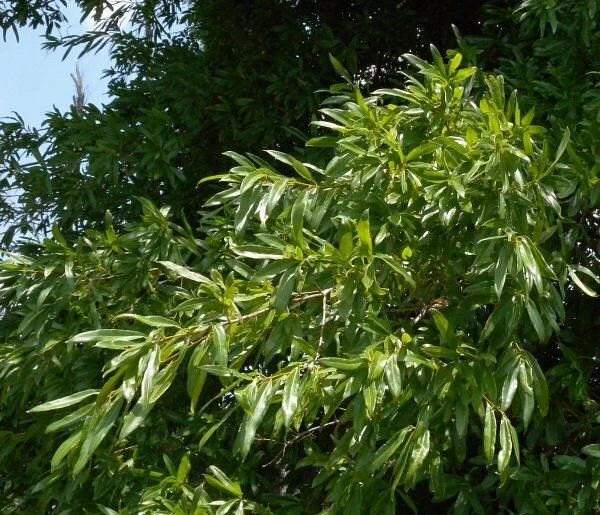
Willow Oak Live Tree Plant – Quercus Phellos – 12-18 inch Tall – 4 inch Pot – Hardy Zones 5-9
Original price was: 41.91 $.21.91 $Current price is: 21.91 $.
Enhance your landscape with a beautiful willow oak live tree plant. Known for its distinct willow-like leaves and rapid growth, this quercus phellos tree provides excellent shade and vibrant fall color. It tolerates various soil conditions, making it a versatile choice for many gardens.
Estimated arrival
Oct 15
Oct 20 - Oct 22
Oct 22 - Oct 27
See our Shipping Policy.
Get in touch with us via email, and our team will review your concerns.
Our Alive & Thrive Guarantee covers issues with your plants within the first 30 days. Read our Refund & Returns Policy.
-
USDA Hardiness Zone
5-9 -
Soil Type
Acidic, well-draining soil (tolerates poorly drained) -
Sunlight Exposure
Full sun -
Expected Planting Period
Spring or Fall
Overview
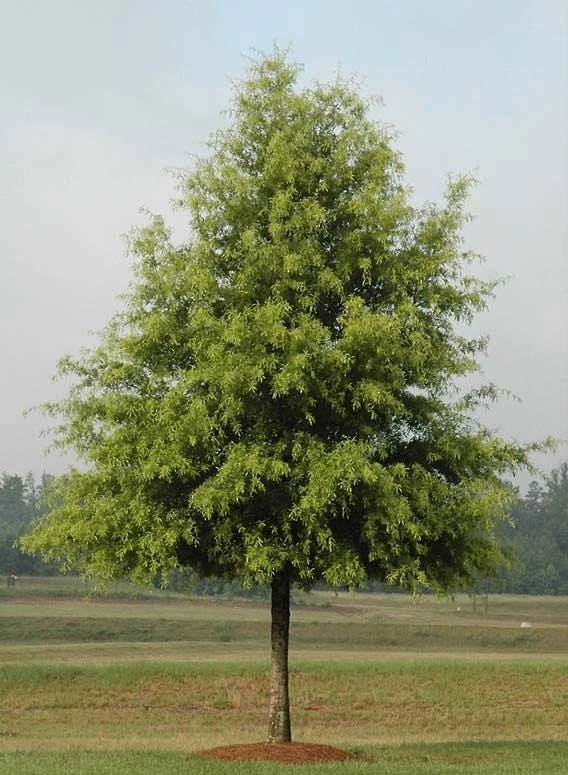
Introduce a touch of elegance and robust growth to your garden with the willow oak live tree plant (Quercus phellos). This magnificent deciduous oak is celebrated for its unique, slender, willow-like leaves, which offer a refreshing contrast to the broader foliage typically found on other oak species. A truly handsome tree, the willow oak live tree plant is a fantastic choice for creating natural shade and adding significant aesthetic appeal to any landscape. Its fast-growing nature ensures that you won’t have to wait long to enjoy its full splendor, making it an ideal specimen tree or addition to a woodland garden.
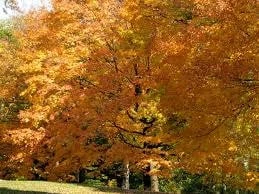
The Quercus phellos, commonly known as the willow oak live tree plant, transitions beautifully throughout the seasons. In summer, its foliage is a vibrant, bright green, providing a lush canopy. As autumn approaches, these leaves transform into striking shades of yellow and russet, offering a spectacular display of fall color. This adaptability and beauty make it a popular choice for parks, large residential properties, and street plantings.
Beyond its visual appeal, the willow oak live tree plant is also a resilient species. It is particularly noted for its tolerance to poorly drained soils, a characteristic that sets it apart from many other oak varieties. This makes it a suitable option for areas where drainage might be a concern, provided it receives adequate sunlight. With its impressive mature size, it promises to be a long-standing feature in your outdoor space, providing shade and beauty for generations.
Key Benefits
The willow oak live tree plant offers numerous advantages for any landscape, combining beauty with practicality. Its unique characteristics make it a standout choice:
- Distinctive Foliage: The slender, willow-like leaves of the willow oak live tree plant provide a unique texture and visual interest, setting it apart from traditional oak varieties. This fine texture creates a soft, airy look that can complement various garden styles.
- Rapid Growth Rate: This tree is known for its fast growth, allowing you to establish a substantial shade tree or landscape feature relatively quickly compared to slower-growing alternatives. You’ll enjoy its benefits sooner.
- Vibrant Seasonal Color: Enjoy bright green leaves in the summer, followed by a beautiful transition to rich yellow and russet tones in the fall, adding seasonal interest and curb appeal to your property.
- Tolerant of Poorly Drained Soils: Unlike many other trees, the quercus phellos tree is remarkably tolerant of moist or poorly drained soil conditions, making it a versatile option for challenging sites. This resilience reduces planting limitations.
- Excellent Shade Provider: Growing to an impressive size, this fast growing oak tree develops a broad, dense canopy perfect for providing ample shade, reducing cooling costs, and creating comfortable outdoor living spaces.
- Hardy and Adaptable: Hardy in USDA Zones 5-9, the willow oak live tree plant is adaptable to a wide range of climates and environmental conditions, ensuring its longevity and health in many regions.
- Low Maintenance: Once established, the willow oak live tree plant requires minimal care, making it an excellent choice for those seeking a majestic shade tree without extensive upkeep.
Plant Care & Growing Tips
Caring for your willow oak live tree plant is relatively straightforward, especially once it’s established. This hardy species thrives with proper attention to its basic needs, ensuring it grows into a magnificent specimen. For optimal growth, the quercus phellos tree prefers a location that receives full sun, meaning at least six hours of direct sunlight per day. While it can tolerate some partial shade, full sun will encourage the best growth rate and most vibrant fall color. Ensure the planting site is well-prepared, allowing for good root development.
When it comes to watering, young willow oak live tree plant specimens require consistent moisture to establish a strong root system. Water deeply and regularly, especially during dry spells, for the first few years after planting. Once mature, this fast growing oak tree becomes more drought-tolerant but will still benefit from occasional deep watering during prolonged dry periods. The willow oak is notable for its tolerance to poorly drained soils, making it more forgiving in areas that might stay moist for longer durations compared to other oak species. However, it still appreciates a soil that can drain adequately to prevent root rot in consistently waterlogged conditions. It prefers acidic soil, so amending alkaline soils with organic matter or sulfur can be beneficial.
The willow oak care routine also includes minimal fertilization. A balanced, slow-release fertilizer can be applied in early spring, especially for younger trees, to promote healthy growth. Avoid over-fertilizing, which can lead to excessive leafy growth at the expense of root development. Pruning is generally limited to removing dead, diseased, or crossing branches to maintain the tree’s health and structure. The willow oak live tree plant is hardy in USDA Zones 5-9, meaning it can withstand winter temperatures down to -20°F. Protecting young trees from harsh winter winds in the colder parts of its range can be beneficial. Keep an eye out for common oak pests and diseases, though willow oaks are generally quite resistant, making them a relatively low-maintenance choice for a large, beautiful shade tree.
Size & Details
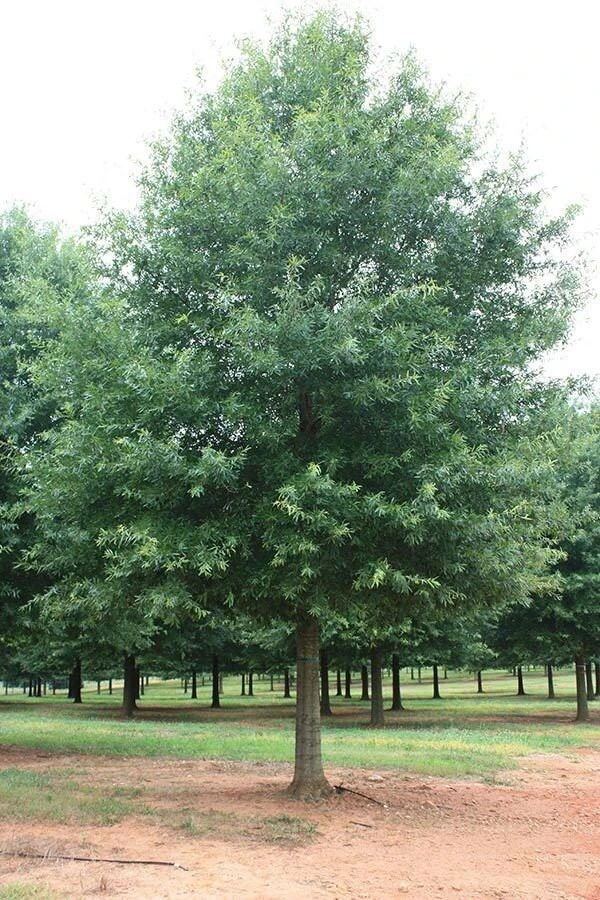
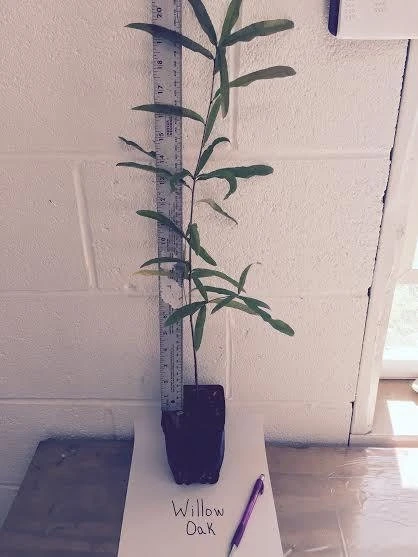
You will receive one willow oak live tree plant, measuring approximately 12-18 inches in height, carefully grown in a 4-inch pot. This size is ideal for transplanting, allowing the tree to establish quickly in its new environment. The quercus phellos tree is a relatively fast-growing species, typically adding 1 to 2 feet in height per year under optimal conditions. At maturity, this majestic tree can reach an impressive height of 40-60 feet with a substantial spread of around 35 feet, forming a broad, rounded canopy that provides extensive shade. It’s an excellent choice for a large shade tree for landscaping. The plant is shipped as a live, potted specimen, ensuring its roots are protected and ready for successful planting upon arrival. Expect this tree to become a significant landscape feature, providing beauty and shade for many decades.
Frequently Asked Questions
- Q: How big does this willow oak live tree plant get at maturity? A: The willow oak live tree plant is a large shade tree that typically grows 40-60 feet tall with a spread of about 35 feet, creating a broad, rounded canopy. Its impressive size makes it an excellent focal point in larger landscapes.
- Q: Is this an indoor or outdoor plant? A: The quercus phellos tree is an outdoor tree, best suited for planting in gardens, parks, or large yards where it has ample space to grow and develop its full mature size. It is not suitable for indoor cultivation.
- Q: How much sunlight does a willow oak need? A: A willow oak live tree plant thrives in full sun, requiring at least six hours of direct sunlight per day for optimal growth and health. While it can tolerate some partial shade, full sun exposure will yield the best results.
- Q: Is this plant easy to care for? A: Yes, once established, the willow oak live tree plant is considered relatively low-maintenance. It is quite hardy and adaptable, making willow oak care straightforward for most gardeners. Young trees will require more consistent watering.
- Q: What condition will the tree arrive in? A: Your willow oak live tree plant will arrive as a live, potted specimen, carefully packaged to ensure its health and integrity during transit. The roots will be protected in a 4-inch pot, ready for planting.
- Q: When is the best time to plant a willow oak? A: The best time to plant a willow oak live tree plant is typically in early spring or fall, when temperatures are moderate. This allows the tree to establish its root system before the stress of extreme summer heat or winter cold.
- Q: Will this tree survive winter in my zone? A: The willow oak live tree plant is hardy in USDA Zones 5-9, meaning it is well-adapted to survive winter temperatures in these regions. If you are in zone 5, some winter protection for very young trees might be beneficial.
Be the first to review “Willow Oak Live Tree Plant – Quercus Phellos – 12-18 inch Tall – 4 inch Pot – Hardy Zones 5-9”
Related products


You May Like

Hardneck vs. Softneck Garlic: Which Should You Grow?
Have you ever stood in front of a seed catalog in mid-September, staring at dozens [...]
Oct

When to Plant Music Garlic: Ultimate US Fall Guide
Have you ever spent your fall weekend placing carefully chosen garlic cloves into rich, dark [...]
1 Comment
Oct

5 Best Bulbs for Fall Planting: Brighten Your Garden This Spring
Are you dreaming of a garden full of vibrant colors in the spring? The key [...]
Aug

10 Houseplants That Will Thrive in Your Kitchen
Are you tired of your kitchen feeling dull and lifeless? Want to add a little [...]
1 Comment
Aug
Reviews
There are no reviews yet.