
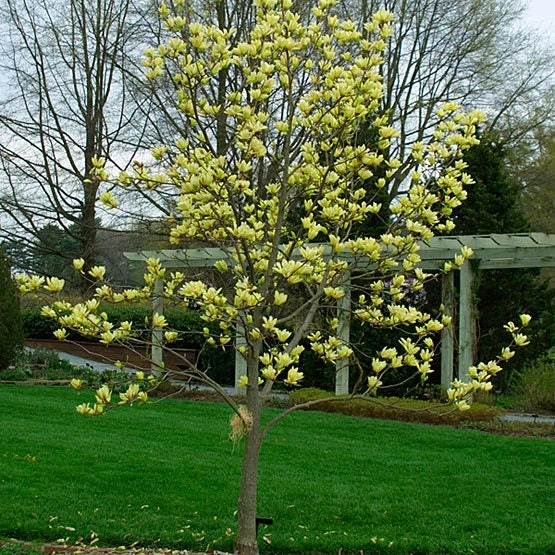
Yellow Bird Magnolia Live Plant – 2.5″ Pot, Large Yellow Flowers, Hardy Zones 5-9
Original price was: 41.91 $.21.91 $Current price is: 21.91 $.
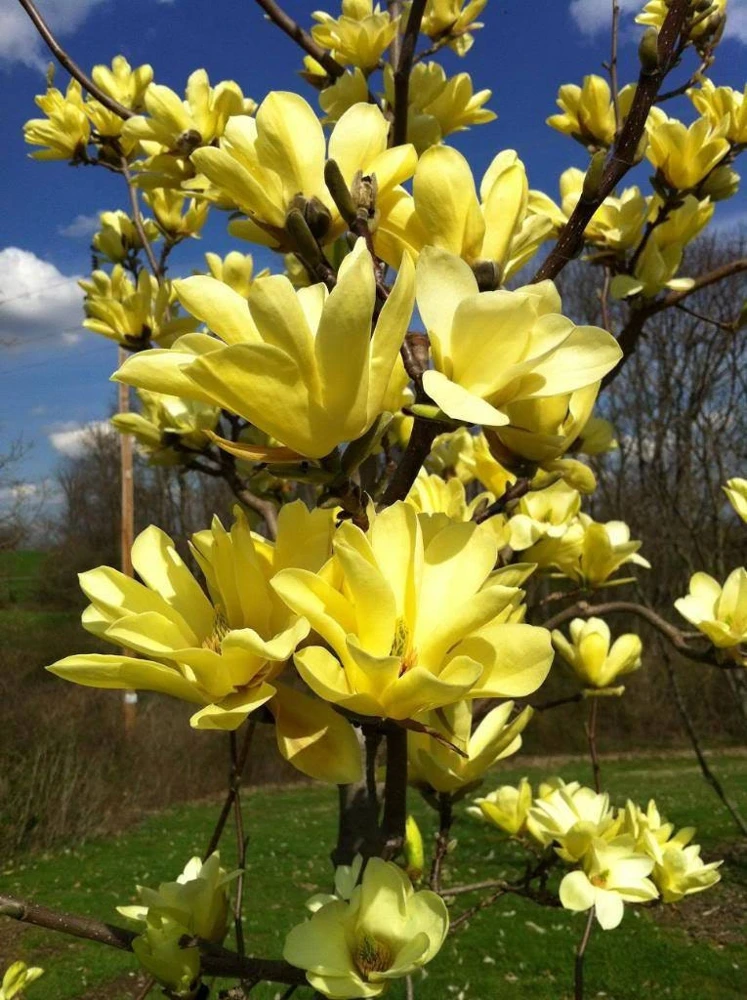
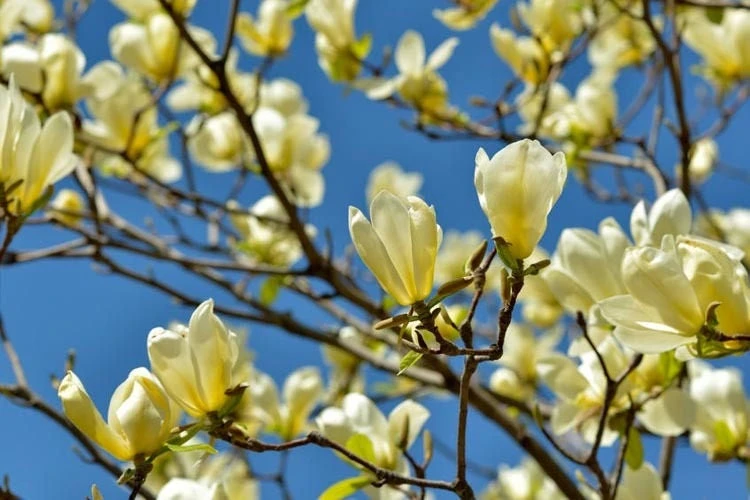
Bring vibrant color to your garden with the yellow bird magnolia live plant. This fast-growing tree features large, canary yellow flowers that bloom reliably in late spring. Perfect as a specimen plant or for combining with other garden flora. Hardy in USDA Zones 5-9.
Estimated arrival
Oct 15
Oct 20 - Oct 22
Oct 22 - Oct 27
See our Shipping Policy.
Get in touch with us via email, and our team will review your concerns.
Our Alive & Thrive Guarantee covers issues with your plants within the first 30 days. Read our Refund & Returns Policy.
-
USDA Hardiness Zone
5-9 -
Soil Type
Acidic, loamy, well-drained soil -
Sunlight Exposure
Full sun to partial shade -
Expected Planting Period
Spring to early fall
Overview
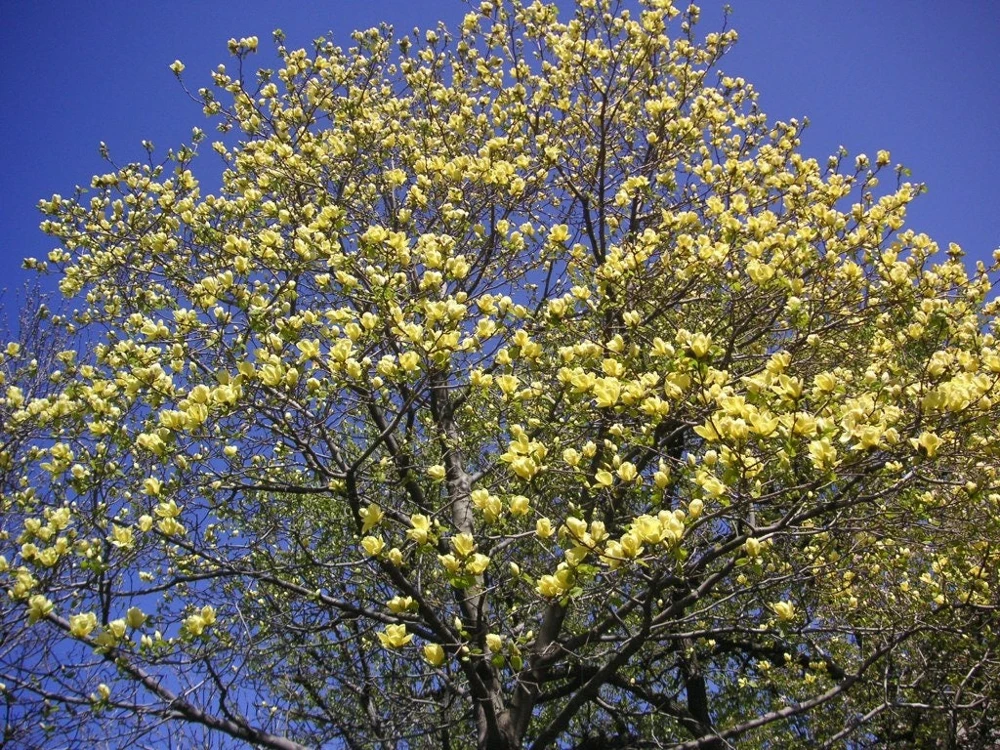
Introduce a splash of sunshine to your landscape with the magnificent yellow bird magnolia live plant. This stunning deciduous tree is cherished for its upright, pyramidal form and, most notably, its brilliant, large canary yellow flowers. Unlike many other magnolias, the ‘Yellow Bird’ cultivar produces its eye-catching blooms later in spring, often after the danger of late frosts has passed, and uniquely, they emerge simultaneously with its foliage. This makes for a more reliable and prolonged display of color, ensuring your garden remains vibrant when other spring flowers might be fading. As a fast growing magnolia, it quickly establishes itself, transforming your outdoor space with its elegant presence and cheerful blossoms. Whether you’re looking for a striking focal point or a beautiful addition to a mixed border, this magnolia is an exceptional choice for gardeners seeking both beauty and resilience.
The yellow bird magnolia live plant is a hybrid, a cross between M. acuminata ‘Fertile Myrtle’ and M. brooklynensis ‘Evamaria’. It’s admired for its robust growth and adaptability, thriving in a range of conditions across USDA Hardiness Zones 5-9. Its distinctive yellow blooms are a rare and captivating sight, offering a unique aesthetic that stands out in any garden setting. Plant this magnolia to enjoy not only its spectacular flowers but also its attractive green foliage throughout the growing season, providing a lush backdrop for its intermittent blooms.
Key Benefits
The yellow bird magnolia live plant offers numerous advantages for any landscape, making it a highly desirable addition for both novice and experienced gardeners. Its unique characteristics contribute to a beautiful and thriving outdoor environment.
- Stunning Yellow Blooms: Enjoy large, vibrant canary yellow flowers that are a rare and captivating sight, providing a distinctive aesthetic to your garden. These blooms appear reliably in late spring, often after the threat of frost has passed, ensuring a consistent display of color.
- Fast Growing & Vigorous: This fast growing magnolia establishes quickly, allowing you to enjoy its mature beauty sooner. It can add significant height and presence to your landscape within a few years, making it an excellent choice for new garden designs.
- Late Spring Flowering: The ‘Yellow Bird’ magnolia blooms later than many other magnolia varieties, often with its foliage, providing a fresh burst of color when other spring flowers may be fading. This timing helps to avoid damage from late spring frosts.
- Versatile Landscape Use: Perfect as a single specimen plant to create a focal point, or exceptional when combined with other plants that offer summer flowers. Its upright habit makes it suitable for various garden styles, from formal to naturalized settings.
- Hardy & Adaptable: This magnolia is remarkably hardy, thriving in USDA Zones 5-9. It can tolerate a range of environmental conditions, making it a robust and reliable choice for many different climates across the United States.
- Attractive Foliage: Beyond its spectacular flowers, the yellow bird magnolia live plant boasts attractive green foliage that provides a lush, verdant backdrop throughout the growing season, enhancing the overall appeal of your garden.
- Low Maintenance: Once established, this magnolia requires relatively low maintenance. With proper planting and initial care, it becomes a resilient and long-lived addition to your landscape, offering beauty without extensive effort.
Plant Care & Growing Tips
Caring for your yellow bird magnolia live plant is straightforward, ensuring it thrives and delivers its stunning yellow blooms year after year. Understanding its specific needs for light, soil, and water is crucial for optimal growth and health. This yellow magnolia tree prefers a location where it can receive adequate sunlight and has room to grow to its mature size.
For sunlight, the Yellow Bird Magnolia needs full sun to partial shade, meaning it prefers a minimum of 4 hours of direct sunlight each day. In hotter climates, some afternoon shade can be beneficial to protect the foliage from scorching. When it comes to soil, this plant thrives in acidic, loamy, well-drained soils. Ensure the planting site does not retain standing water, as magnolias are susceptible to root rot in waterlogged conditions. Amending heavy clay soils with organic matter can improve drainage significantly. A soil pH between 5.5 and 6.5 is ideal for this magnolia tree care.
Watering is important, especially during the first few years after planting. Keep the soil consistently moist but not waterlogged. Deep watering once or twice a week during dry periods is more effective than frequent shallow watering. Once established, the tree becomes more drought-tolerant but will still benefit from irrigation during extended dry spells. Fertilize in early spring with a balanced, slow-release fertilizer formulated for acid-loving plants. Follow the product instructions for application rates. Pruning is generally minimal, focused on removing dead, damaged, or crossing branches. If you wish to keep the tree at a smaller, more shrub-like size, it can be pruned to the desired height, but it’s best to do so after flowering to avoid sacrificing the current season’s blooms. This hardy magnolia is a great choice for those looking for a magnolia zone 5-9 plant that brings consistent beauty.
Size & Details
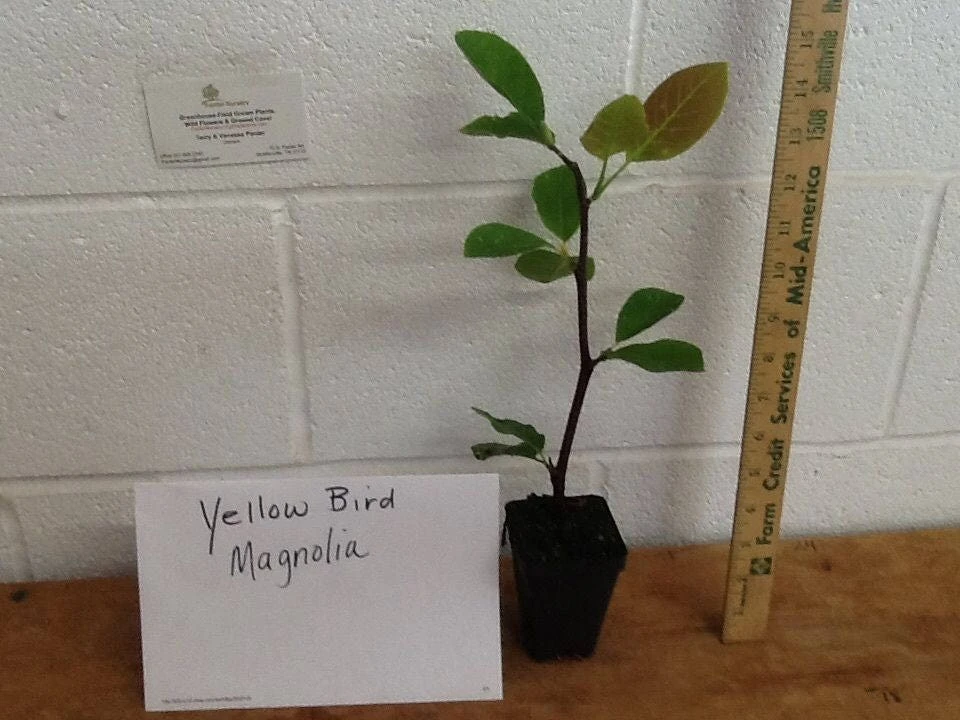
The yellow bird magnolia live plant you receive will be a healthy specimen, ready to be planted in your garden. It is currently growing in a 2.5-inch pot, which is an ideal size for successful transplanting and establishment. At the time of shipment, the plant typically measures between 6-12 inches tall, providing a good starting point for its vigorous growth. This fast growing magnolia can reach impressive heights, often growing up to 15 feet tall in most garden settings, and potentially up to 30 feet in ideal conditions, especially in warmer regions. However, its size can be easily managed through pruning, allowing you to maintain it as a smaller tree or even a large shrub, depending on your landscape design needs.
The ‘Yellow Bird’ magnolia is known for its relatively fast growth rate, quickly adding vertical interest and structure to your garden. Expect to see noticeable growth each year as it establishes its root system. It will typically begin to produce its characteristic large, bright canary yellow flowers within a few years after planting, rewarding your patience with a spectacular display. This live plant is carefully cultivated to ensure it arrives in optimal health, ready to thrive in its new home. Ensure you provide adequate space for its mature size, considering both its height and potential spread, for the best long-term success of your yellow bird magnolia live plant.
Frequently Asked Questions
- Q: How big does this Yellow Bird Magnolia get? A: The Yellow Bird Magnolia can reach up to 15 feet tall in most areas, and potentially up to 30 feet in ideal conditions. It can also be kept pruned to a desired height to maintain a shrub-like form.
- Q: What size pot does it come in? A: This yellow bird magnolia live plant is shipped in a 2.5-inch pot, with a plant height typically ranging from 6-12 inches. This size is excellent for transplanting into your garden.
- Q: Is this an indoor or outdoor plant? A: The Yellow Bird Magnolia is an outdoor plant, best suited for garden landscapes. It is hardy in USDA Zones 5-9 and requires outdoor conditions to thrive and produce its signature blooms.
- Q: How much sunlight does it need? A: This magnolia prefers full sun to partial shade, meaning it needs a minimum of 4 hours of direct sunlight each day. Providing adequate sun is crucial for abundant flowering.
- Q: Is this plant easy to care for? A: Yes, once established, the Yellow Bird Magnolia is considered relatively low maintenance. It requires well-drained soil, consistent moisture during establishment, and occasional feeding. Its hardiness in magnolia zone 5-9 also contributes to its ease of care.
- Q: When is the best time to plant a Yellow Bird Magnolia? A: The best time to plant is typically in spring or early fall, allowing the plant sufficient time to establish its root system before extreme weather conditions.
- Q: Will it survive winter in my zone? A: The Yellow Bird Magnolia is hardy in USDA Zones 5-9. If you are within these zones, it should successfully overwinter with proper care and establishment.
- Q: What type of soil does it prefer? A: It thrives in acidic, loamy, well-drained soils. Ensuring good drainage is vital to prevent root issues.
- Q: How fast does the Yellow Bird Magnolia grow? A: This is a fast growing magnolia. You can expect significant growth each year, allowing it to quickly become a prominent feature in your landscape.
- Q: How often should I water my new Yellow Bird Magnolia plant? A: During its first year, keep the soil consistently moist but not waterlogged. Water deeply once or twice a week, especially during dry periods, until it is well-established.
Be the first to review “Yellow Bird Magnolia Live Plant – 2.5″ Pot, Large Yellow Flowers, Hardy Zones 5-9”
Related products

Trees
Guava Tree Live Plant Pink Tropical Fruit 4-10in Tall Well Rooted for Gardening USDA Zones 9-11


You May Like

Hardneck vs. Softneck Garlic: Which Should You Grow?
Have you ever stood in front of a seed catalog in mid-September, staring at dozens [...]
Oct

When to Plant Music Garlic: Ultimate US Fall Guide
Have you ever spent your fall weekend placing carefully chosen garlic cloves into rich, dark [...]
1 Comment
Oct

5 Best Bulbs for Fall Planting: Brighten Your Garden This Spring
Are you dreaming of a garden full of vibrant colors in the spring? The key [...]
Aug

10 Houseplants That Will Thrive in Your Kitchen
Are you tired of your kitchen feeling dull and lifeless? Want to add a little [...]
1 Comment
Aug
Reviews
There are no reviews yet.