
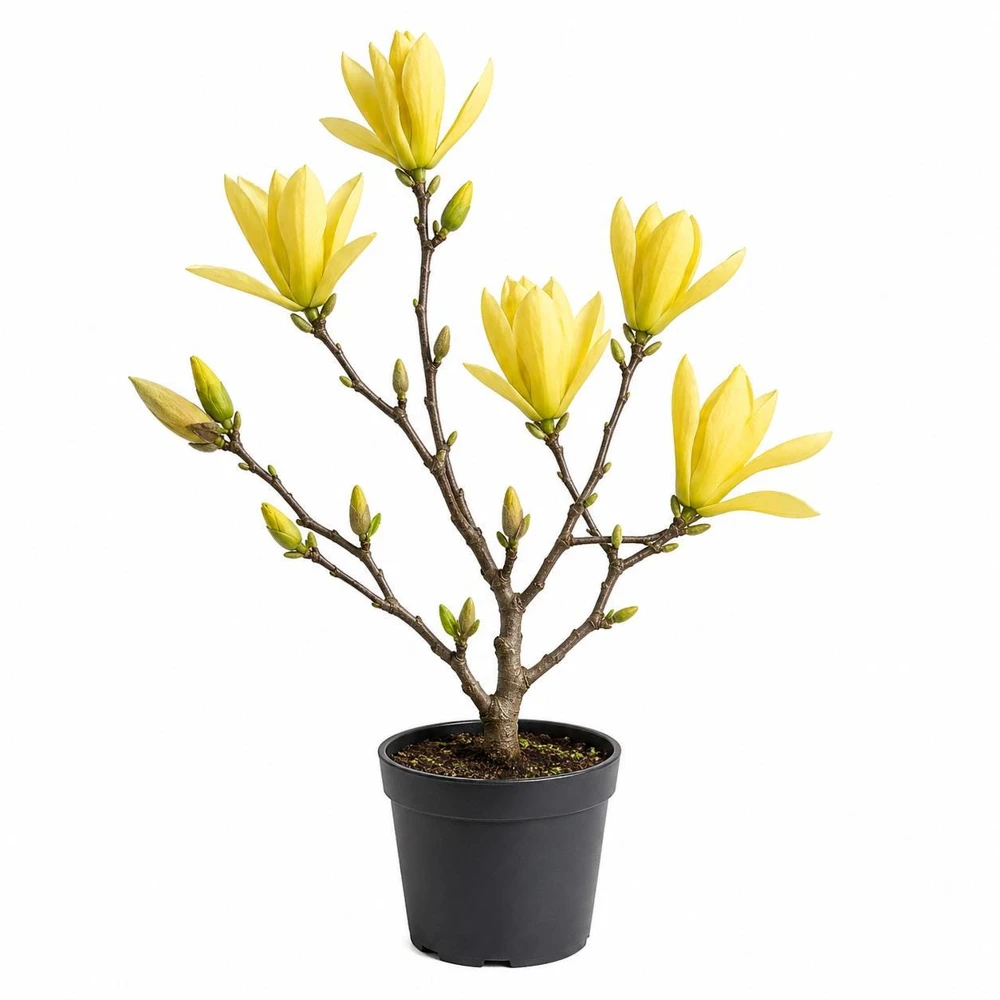
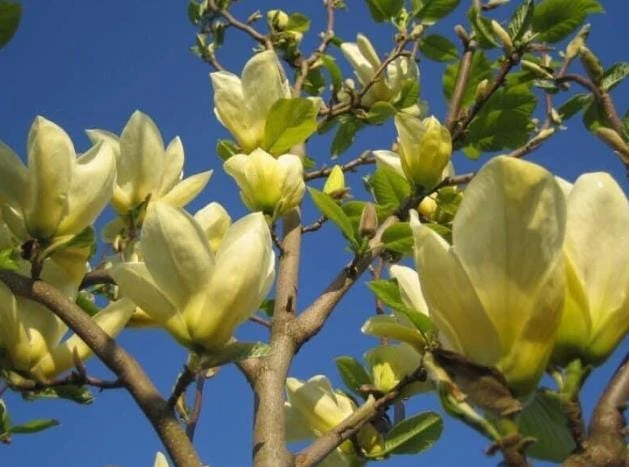
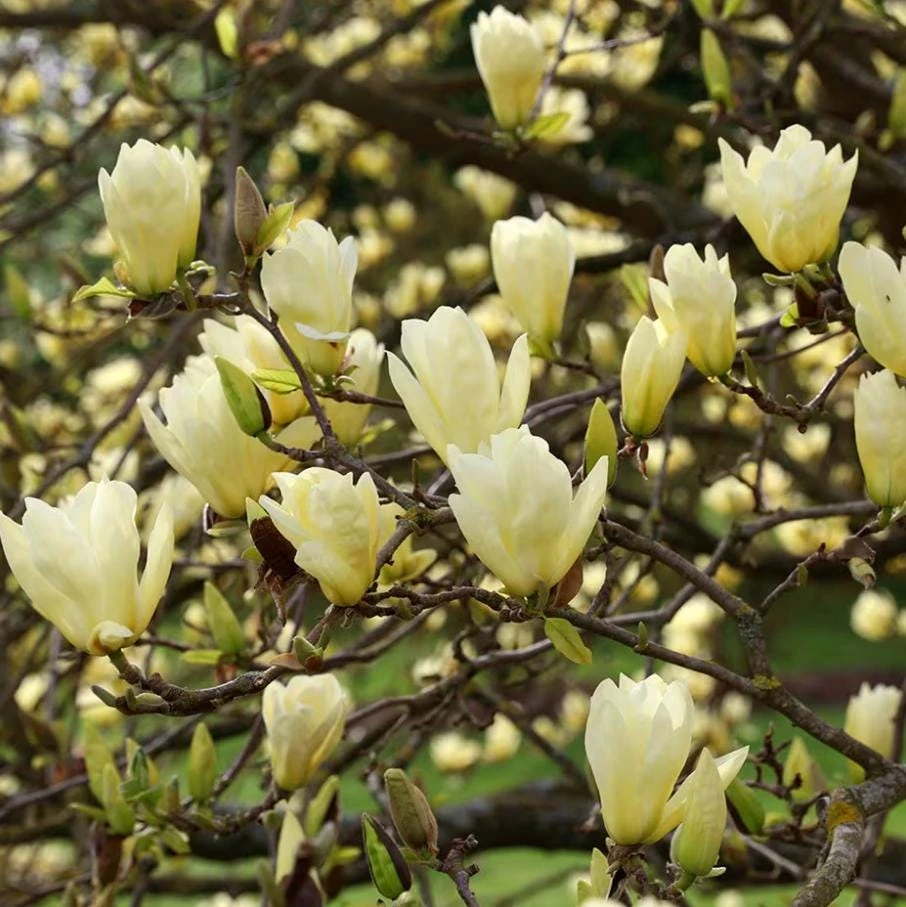
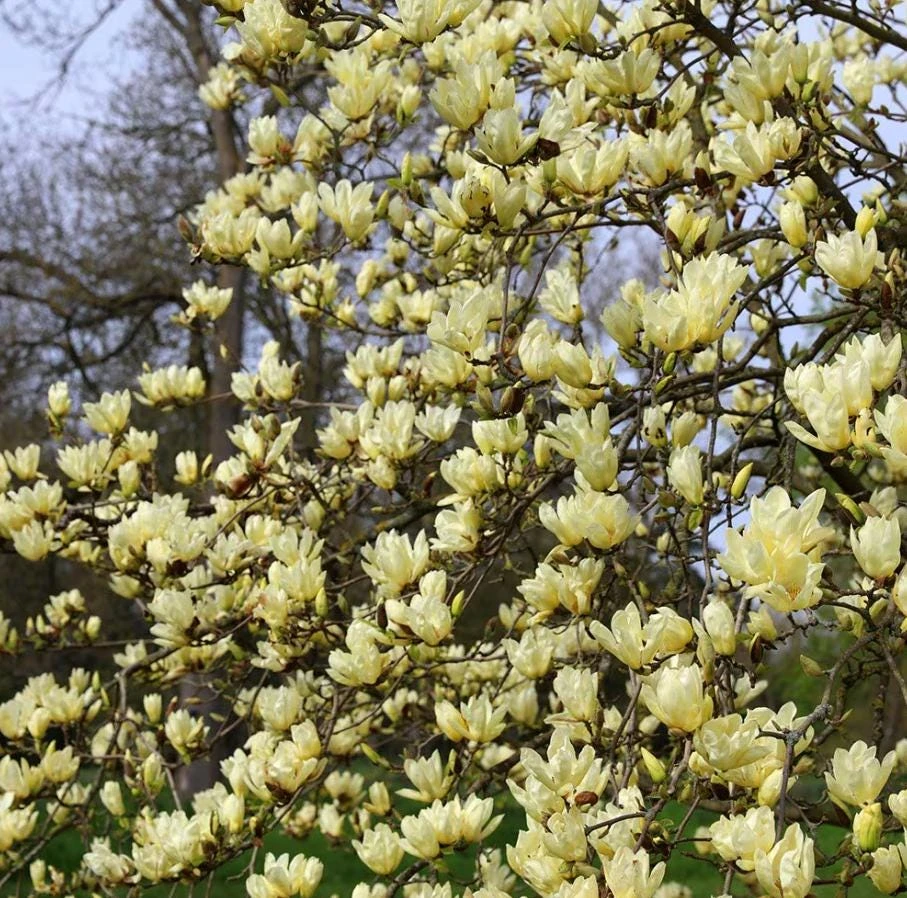
Yellow Bird Magnolia Tree Live Plant – 6-14″ Tall, 2.5″ Pot – Outdoor Flowering Tree
Original price was: 37.78 $.24.99 $Current price is: 24.99 $.
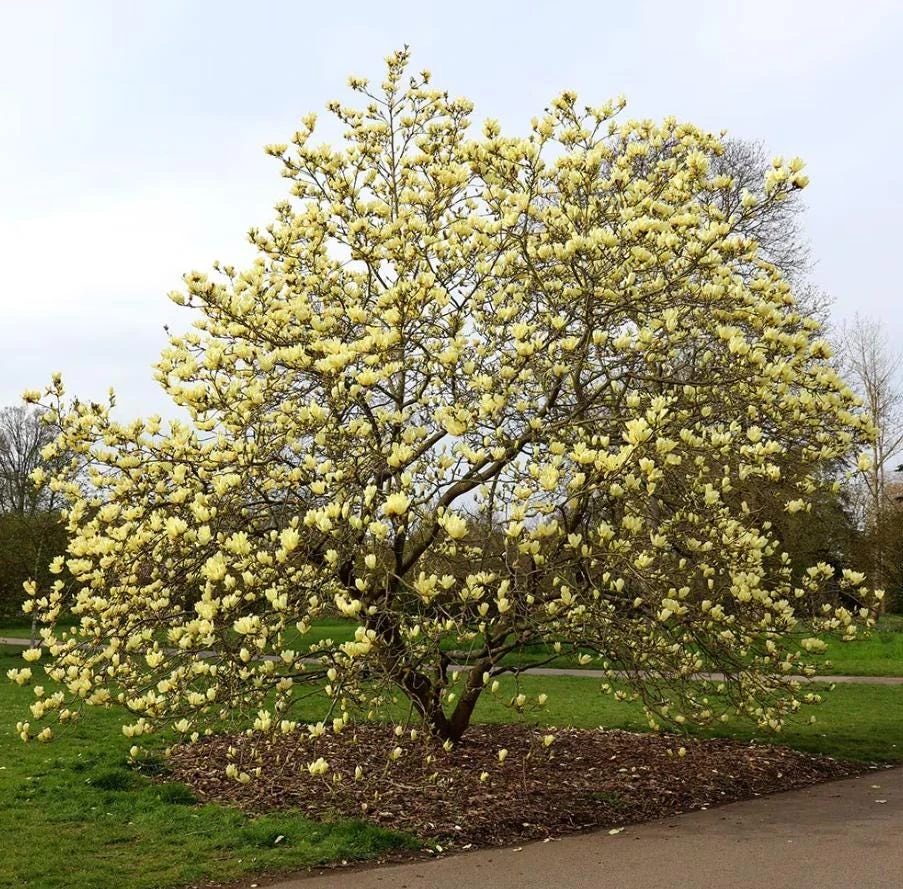
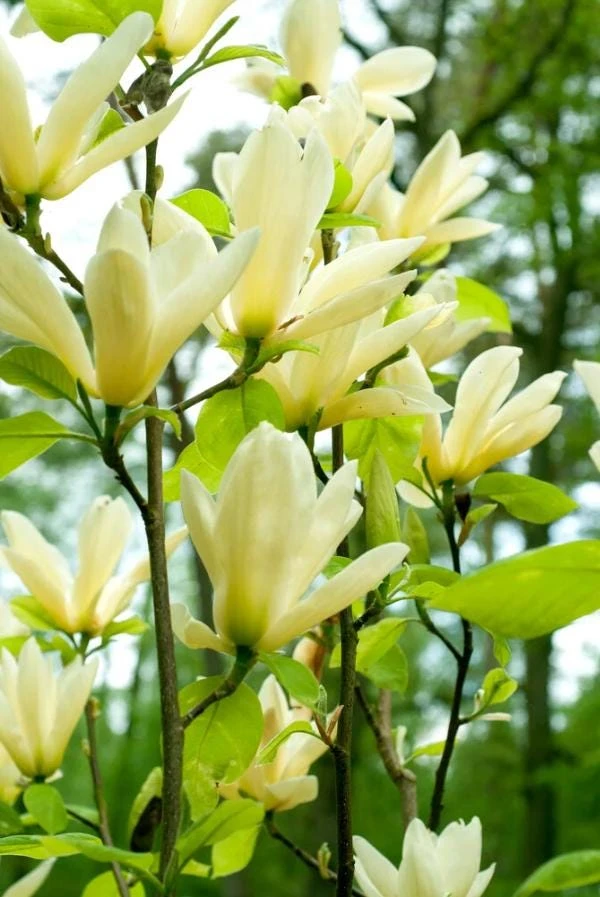
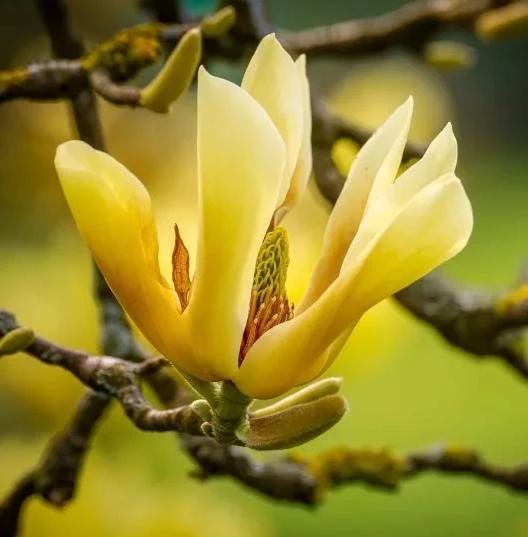
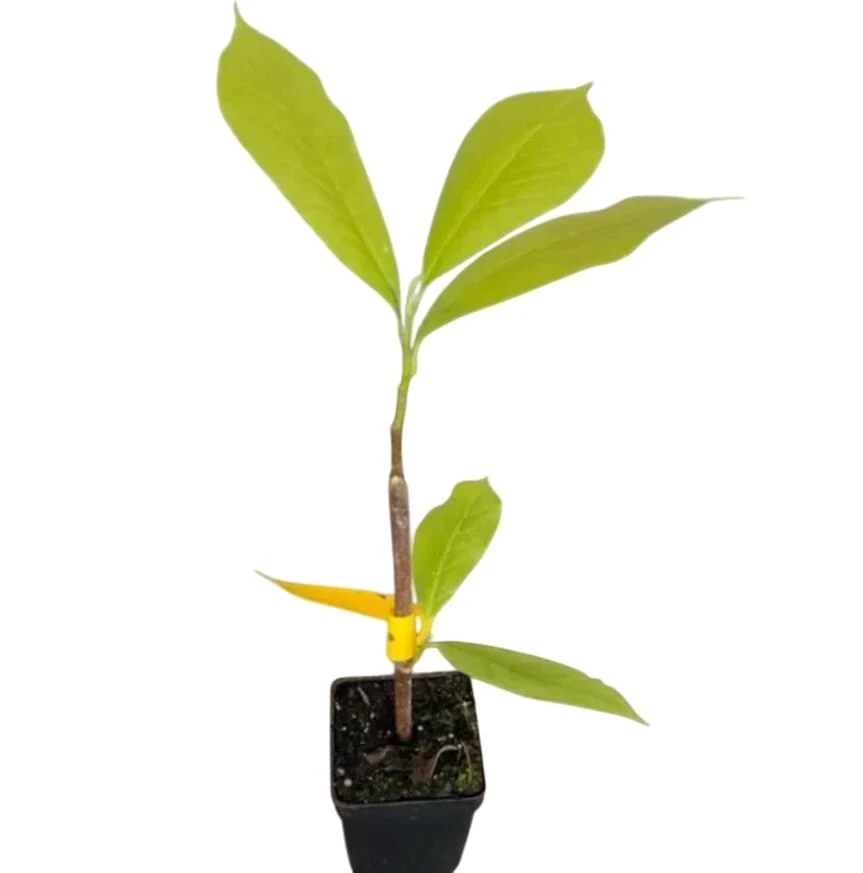
Bring vibrant color to your landscape with the yellow bird magnolia tree. This live plant, 6-14 inches tall in a 2.5-inch pot, produces rare, bright yellow blooms, perfect for outdoor gardens.
- Produces large, fragrant yellow flowers
- Ideal for outdoor planting
- Easy to care for with proper guidance
Estimated arrival
Oct 16
Oct 21 - Oct 23
Oct 23 - Oct 28
See our Shipping Policy.
Get in touch with us via email, and our team will review your concerns.
Our Alive & Thrive Guarantee covers issues with your plants within the first 30 days. Read our Refund & Returns Policy.
-
USDA Hardiness Zone
USDA zones 4-8 -
Soil Type
Well-draining, fertile soil -
Sunlight Exposure
Full sun to partial sun -
Expected Planting Period
Spring to early fall
Overview
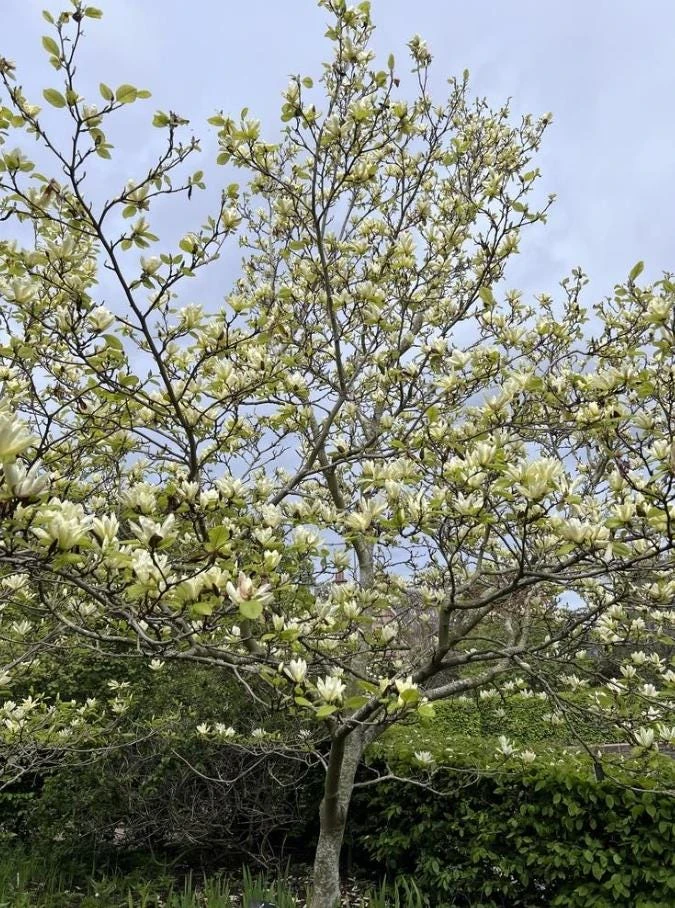
Introduce a touch of radiant beauty to your garden with the exquisite yellow bird magnolia tree. This live plant is a sought-after ornamental variety, celebrated for its unique and striking bright yellow flowers. Unlike traditional magnolias, the ‘Yellow Bird’ cultivar offers a refreshing splash of golden hue, making it a focal point in any outdoor setting. Arriving as a young, healthy specimen, typically 6-14 inches tall and grown in a 2.5-inch nursery pot, this tree is ready to be integrated into your landscape. Its upright, columnar growth habit makes it suitable for various garden sizes, from spacious yards to more compact urban landscapes. The magnolia yellow bird is a deciduous tree that will gracefully shed its leaves in winter, preparing for an impressive spring display of its signature blossoms.
This particular yellow bird magnolia tree is a robust and vigorous grower, promising years of enjoyment. Its vibrant blooms appear in late spring, often after the last frost, ensuring their spectacular display. The delicate yet prominent flowers are not just visually appealing but also carry a subtle, pleasing fragrance, enhancing the sensory experience of your garden. Cultivating a magnolia yellow bird allows gardeners to enjoy a specimen plant that combines hardiness with exceptional aesthetic appeal, providing a unique alternative to more common flowering trees.
Key Benefits
The yellow bird magnolia tree offers numerous advantages for any outdoor garden, transforming your space with its distinct charm and ease of care. Its unique attributes make it a valuable addition for both novice and experienced gardeners.
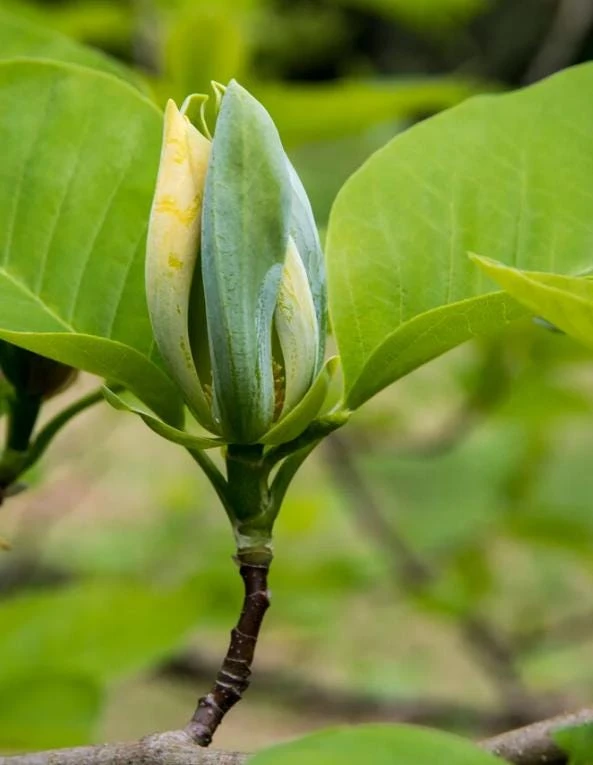
- Stunning Yellow Blooms: The most prominent feature of this magnolia is its rare, bright yellow, tulip-shaped flowers. These vibrant blossoms provide an elegant and eye-catching display, setting it apart from other flowering trees and adding a cheerful ambiance to your spring garden.
- Fragrant Flowers: Beyond their visual appeal, the large yellow flowers emit a subtle, pleasant fragrance that can perfume your garden space, inviting pollinators and enhancing your outdoor experience.
- Compact Growth Habit: The ‘Yellow Bird’ variety typically exhibits an upright, columnar growth habit, making it suitable for a variety of garden sizes and ideal for use as a specimen tree or as part of a mixed border.
- Adaptable to Various Climates: This magnolia is well-suited for temperate to mild climates, showing good resilience once established, making it a reliable choice for many regions.
- Low Maintenance Once Established: While initial care is important, established magnolia yellow bird trees are relatively low maintenance, requiring minimal pruning and general care to thrive.
- Attracts Pollinators: The beautiful flowers not only delight human observers but also attract beneficial pollinators like bees, contributing to the biodiversity and health of your garden ecosystem.
- Seasonal Interest: From its vibrant spring blooms to its lush green summer foliage and unique winter dormancy, the yellow bird magnolia tree provides continuous seasonal interest in your landscape.
Plant Care & Growing Tips
Proper care is essential for ensuring your yellow bird magnolia tree thrives and produces its magnificent blooms. This variety is relatively straightforward to care for, especially when its basic needs are met. For optimal growth, these trees prefer a location that receives full sun to partial sun, meaning at least 4–6 hours of direct sunlight daily. While they can tolerate some shade, more sun generally leads to more prolific flowering. Ensure the planting site has good air circulation to prevent fungal issues.
When it comes to soil, the magnolia yellow bird thrives in well-draining, fertile soil. A slightly acidic to neutral pH is ideal. Amend heavy clay soils with organic matter like compost to improve drainage, and sandy soils to enhance water retention. Consistent moisture is crucial, especially during the first few growing seasons. Keep the soil evenly moist, but be careful to avoid overwatering, as this can lead to root rot. During dry spells, provide supplemental watering. Fertilize your magnolia tree care routine with a slow-release or organic fertilizer specifically formulated for trees and shrubs in early spring, just as new growth begins. Light pruning can be done after flowering to maintain shape and remove any dead or damaged branches. This outdoor magnolia plant will go dormant during winter, which is a natural process where it may lose its leaves and appear inactive. Reduce watering and cease fertilizing during this period, and it will resume growth with warmer temperatures.
Size & Details
This offering is for one yellow bird magnolia tree, a live plant specimen that arrives approximately 6–14 inches (15–35 cm) tall, providing a healthy start for your garden. Each tree is carefully grown and shipped in a 2.5-inch nursery pot, ensuring its root system is intact and ready for transplanting. This particular size is ideal for establishing the tree in your desired outdoor location, whether it’s a garden bed, a mixed border, or as a standalone specimen. The ‘Yellow Bird’ magnolia is known for its moderate growth rate, eventually reaching a mature height of 20-30 feet with a spread of 10-20 feet, forming an attractive, upright, oval canopy. Expect the first stunning yellow blooms to appear within a few years of planting, with the display becoming more abundant as the tree matures. This outdoor magnolia plant is a deciduous variety, offering beautiful foliage in spring and summer before its winter dormancy.
Frequently Asked Questions
- Q: How big does this yellow bird magnolia tree get? A: This live plant arrives 6-14 inches tall in a 2.5-inch pot. At maturity, a ‘Yellow Bird’ magnolia typically reaches 20-30 feet tall with a spread of 10-20 feet, developing an attractive upright, oval shape over time.
- Q: Is this an indoor or outdoor plant? A: The yellow bird magnolia tree is an outdoor flowering tree. It thrives in garden settings, yards, and landscapes, and is not suitable for long-term indoor cultivation.
- Q: How much sunlight does the magnolia yellow bird need? A: This tree prefers full sun to partial sun exposure, meaning it should receive at least 4–6 hours of direct sunlight each day for optimal growth and flowering.
- Q: Is this plant easy to care for? A: Yes, once established, the yellow bird magnolia tree is considered relatively low maintenance. It requires consistent watering during establishment and well-draining soil, but overall, it’s a robust and rewarding plant for most gardeners.
- Q: What condition will the tree arrive in? A: Your yellow bird magnolia tree will arrive as a healthy, live young plant, approximately 6-14 inches tall, carefully packaged in its 2.5-inch nursery pot to ensure its roots are protected during transit.
- Q: When is the best time to plant this outdoor magnolia plant? A: The best time to plant your yellow bird magnolia tree is typically in spring or early fall, allowing the roots to establish before extreme summer heat or winter cold.
- Q: Will the magnolia tree care for winter? A: The ‘Yellow Bird’ magnolia is deciduous and will go dormant in winter, shedding its leaves. This is a natural process. It is hardy in USDA zones 4-8, meaning it can withstand winter temperatures in these regions.
- Q: What kind of soil is best for a magnolia yellow bird? A: This tree prefers well-draining, fertile soil with a slightly acidic to neutral pH. Amending the soil with organic matter is beneficial for its growth.
- Q: How long until it blooms? A: While the tree may take a few years to establish and mature, you can generally expect the first vibrant yellow blooms to appear within 2-4 years after planting, with flowering becoming more prolific each year.
- Q: What makes the ‘Yellow Bird’ magnolia unique? A: The ‘Yellow Bird’ magnolia is unique for its distinct, bright yellow, tulip-shaped flowers, which are a rare color among magnolia varieties. Its upright growth habit and fragrant blooms also contribute to its special appeal.
Be the first to review “Yellow Bird Magnolia Tree Live Plant – 6-14″ Tall, 2.5″ Pot – Outdoor Flowering Tree”
Related products


Trees
Guava Tree Live Plant Pink Tropical Fruit 4-10in Tall Well Rooted for Gardening USDA Zones 9-11


You May Like

Hardneck vs. Softneck Garlic: Which Should You Grow?
Have you ever stood in front of a seed catalog in mid-September, staring at dozens [...]
Oct

When to Plant Music Garlic: Ultimate US Fall Guide
Have you ever spent your fall weekend placing carefully chosen garlic cloves into rich, dark [...]
1 Comment
Oct

5 Best Bulbs for Fall Planting: Brighten Your Garden This Spring
Are you dreaming of a garden full of vibrant colors in the spring? The key [...]
Aug

10 Houseplants That Will Thrive in Your Kitchen
Are you tired of your kitchen feeling dull and lifeless? Want to add a little [...]
1 Comment
Aug
Reviews
There are no reviews yet.