
Yellow Peanut Live Plant – 4 inch Pot – Perennial Nut Shrub
Original price was: 57.98 $.28.99 $Current price is: 28.99 $.
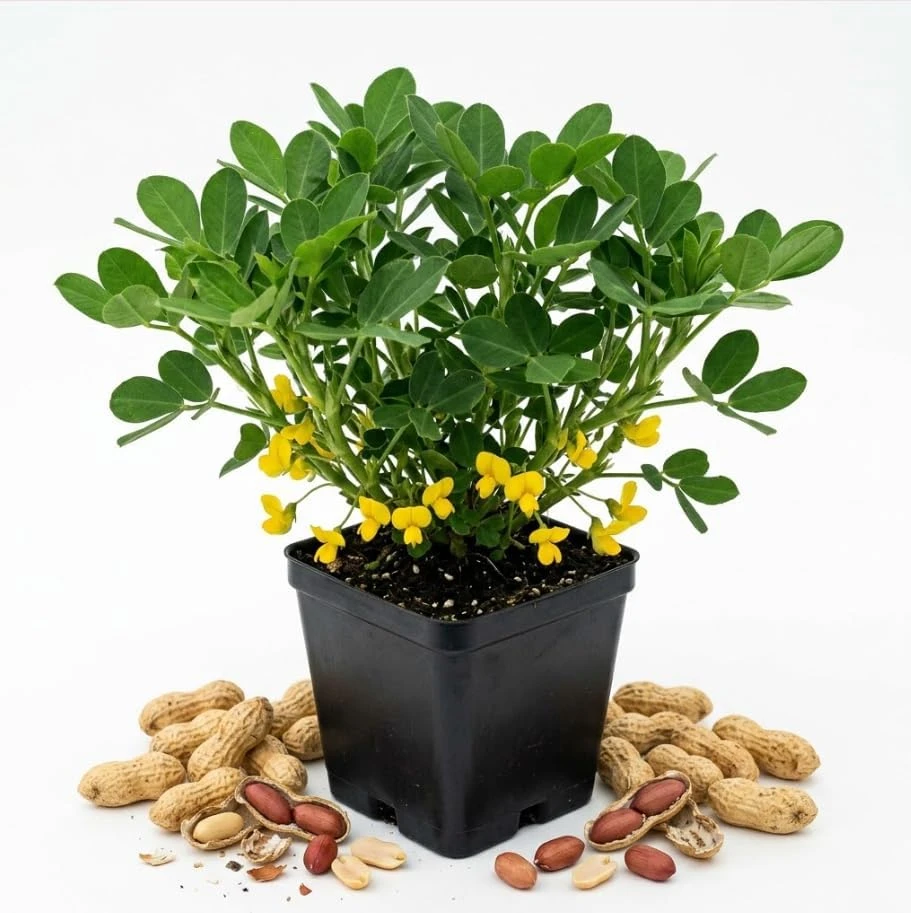
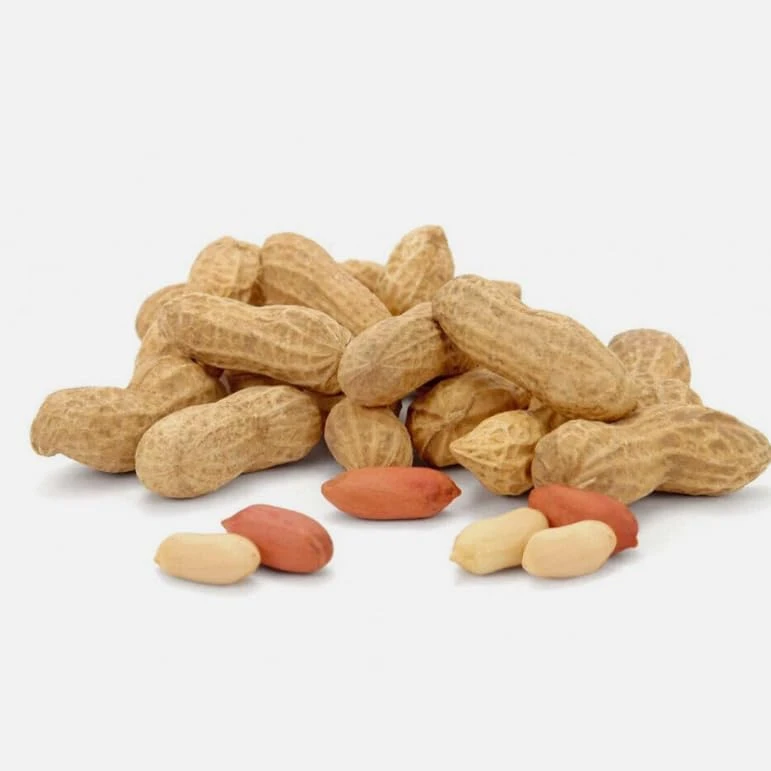
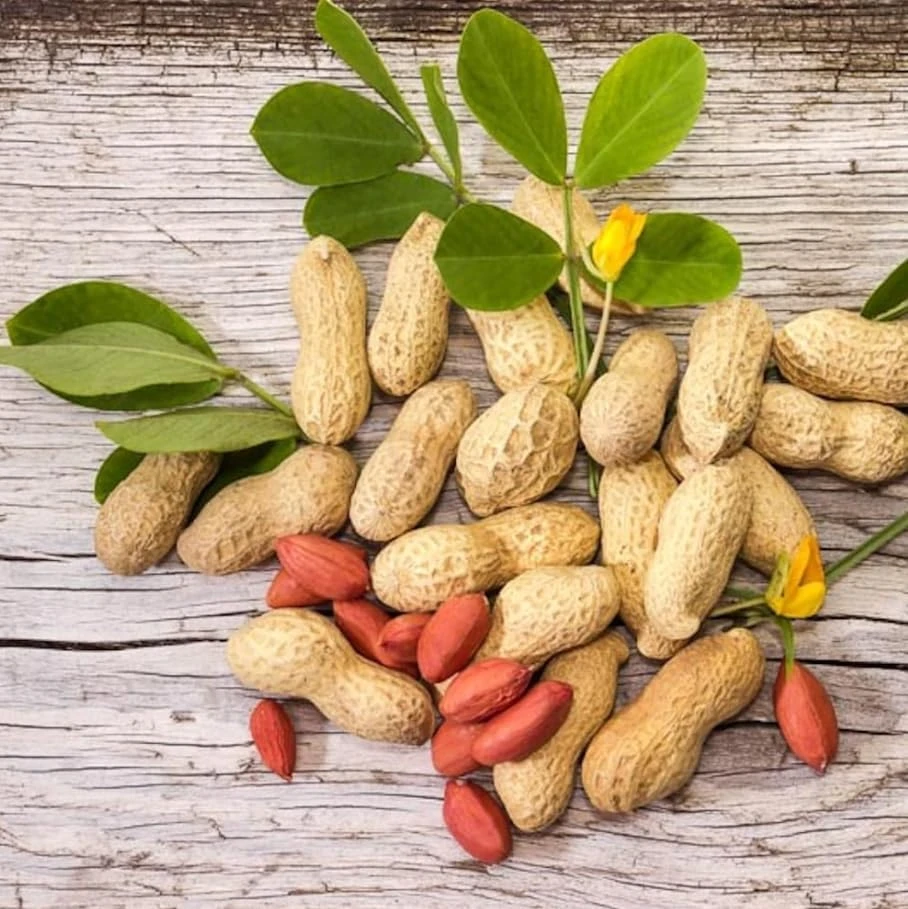
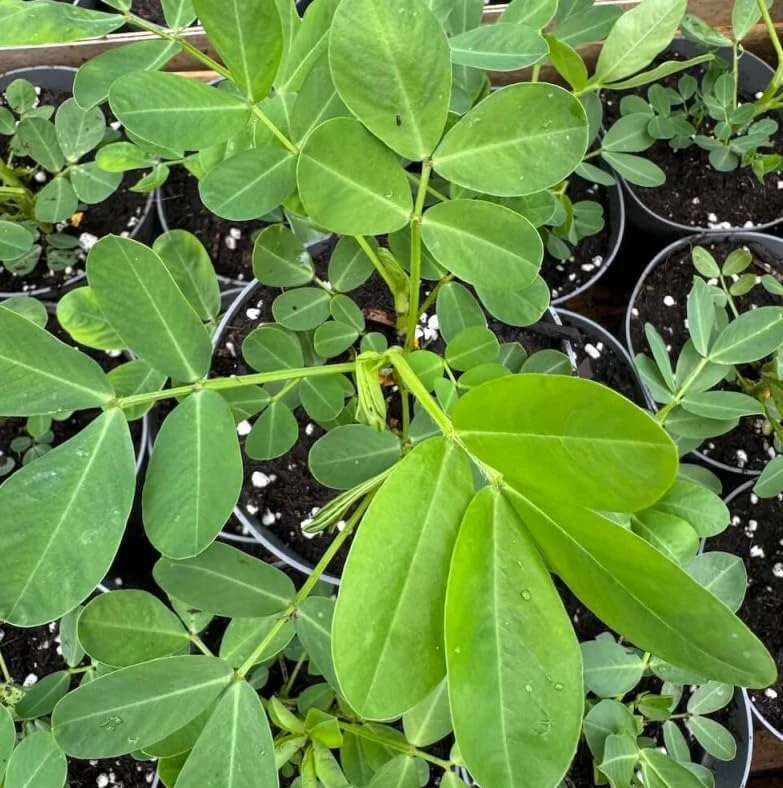
Cultivate your own harvest with this yellow peanut live plant, delivered in a convenient 4-inch pot. This perennial nut shrub returns year after year, offering both ornamental yellow blooms and delicious peanuts. Ideal for gardens, raised beds, or containers.
Estimated arrival
Oct 16
Oct 21 - Oct 23
Oct 23 - Oct 28
See our Shipping Policy.
Get in touch with us via email, and our team will review your concerns.
Our Alive & Thrive Guarantee covers issues with your plants within the first 30 days. Read our Refund & Returns Policy.
-
USDA Hardiness Zone
USDA zones 8-11 (perennial), otherwise annual -
Soil Type
Well-draining, sandy loam soil -
Sunlight Exposure
Full sun (6-8+ hours daily) -
Expected Planting Period
Spring to early summer (after last frost)
Overview
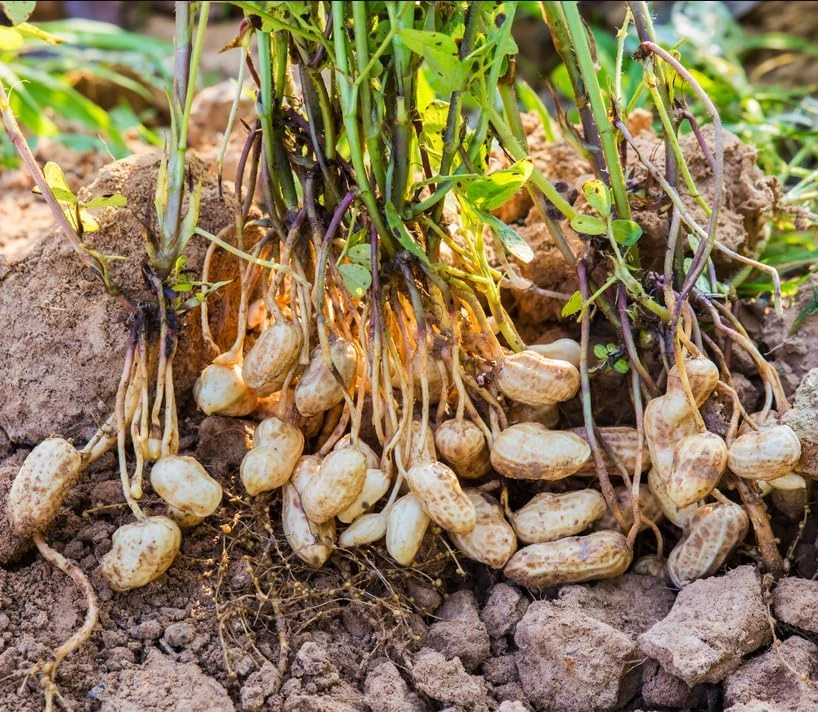
Bring the joy of home-grown peanuts to your garden with this vibrant yellow peanut live plant. Each starter plant arrives in a 4-inch pot, ready for transplanting and eager to establish itself in your outdoor space. Known botanically as Arachis hypogaea, the peanut plant is unique in that its fruits (peanuts) develop underground after the flowers are pollinated. This particular variety offers the added benefit of being a perennial in warmer climates, meaning it can return year after year, providing a reliable and bountiful harvest. Beyond its edible yield, the yellow peanut live plant also features attractive bright yellow blooms that add a cheerful touch to any garden bed or container, making it a delightful addition for both its beauty and its produce.
Unlike annual varieties that require replanting each season, this perennial peanut plant offers long-term value and reduced effort for gardeners. It’s an excellent choice for those looking to explore unique edible landscaping options or simply enjoy the freshest possible peanuts. The compact, bushy growth habit makes it versatile for various garden designs, from traditional rows to decorative container arrangements. Get a head start on your peanut harvest by beginning with these healthy, established starter plants rather than seeds, ensuring a more immediate and successful growing experience.
Key Benefits
Cultivating a yellow peanut live plant offers a multitude of advantages for both novice and experienced gardeners. From its unique growth habit to its delicious yield, these plants are a rewarding addition to any outdoor space.
- Reliable Annual Harvest: In suitable climates, this perennial peanut plant returns season after season, providing a consistent supply of fresh, home-grown peanuts without the need for annual replanting. Enjoy the satisfaction of harvesting your own nutritious nuts.
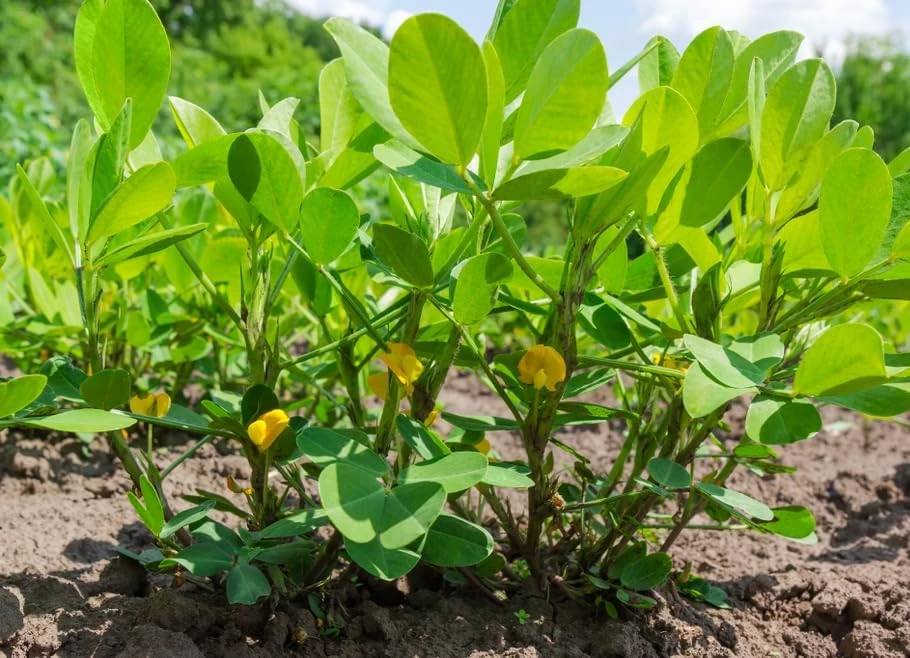
- Attractive Ornamental Blooms: Before the peanuts form, the plant produces charming bright yellow flowers. These blooms not only signal the development of the underground pods but also add significant aesthetic appeal to your garden, enhancing its visual charm.
- Versatile Growth Habit: Growing as a compact, bushy shrub, this peanut vegetable shrub is perfectly suited for a variety of planting locations. Whether you have expansive garden beds, raised garden boxes, or even large patio containers, it adapts beautifully.
- Easy to Grow from Starter Plants: Beginning with a healthy, potted starter plant gives you a significant advantage over planting seeds directly. The plants are already established, reducing initial care and accelerating their growth towards a bountiful harvest.
- Educational and Rewarding: Growing your own peanuts is a fascinating process, especially for families and children. Witnessing the unique way peanuts develop underground offers an educational experience and a rewarding connection to your food source.
- Fresh, Flavorful Peanuts: There’s nothing quite like the taste of freshly harvested peanuts. You control the growing conditions, ensuring your harvest is free from unwanted chemicals and packed with natural flavor.
- Soil Enrichment: As a legume, peanut plants can contribute to soil health by fixing nitrogen, enriching the soil for subsequent plantings. This natural process benefits your entire garden ecosystem.
Plant Care & Growing Tips
Caring for your yellow peanut live plant is straightforward, making it an excellent choice for gardeners of all levels. To ensure a successful harvest and healthy growth, understanding its basic needs is crucial. Peanuts thrive in full sun, requiring at least 6-8 hours of direct sunlight per day. Choose a location in your garden that receives ample sun exposure throughout the growing season. In areas with intense summer heat, some afternoon shade can be beneficial to prevent scorching, but generally, more sun equals more peanuts.
When it comes to watering, consistent moisture is key, especially during flowering and peanut development. The soil should be kept evenly moist but never waterlogged. Overwatering can lead to root rot, while underwatering can stunt growth and reduce yield. A good rule of thumb is to water deeply when the top inch or two of soil feels dry to the touch. Well-draining soil is paramount for this peanut vegetable shrub. A sandy loam soil with a pH between 5.9 and 7.0 is ideal. If your soil is heavy clay, amend it with organic matter like compost and sand to improve drainage and aeration.
The yellow peanut live plant is typically grown as an annual in most temperate climates, but it can be a true perennial in USDA Hardiness Zones 8-11. In colder zones, it can be harvested before the first frost and replanted the following spring. Fertilization should be light, as peanuts are legumes and fix their own nitrogen. A balanced fertilizer with lower nitrogen content, or one specifically formulated for vegetables, can be applied early in the growing season. Avoid high-nitrogen fertilizers, which can promote leafy growth at the expense of peanut production. Watch out for common pests like aphids or spider mites, and treat with organic insecticidal soap if necessary. Ensure good air circulation around your plants to prevent fungal diseases.
Size & Details
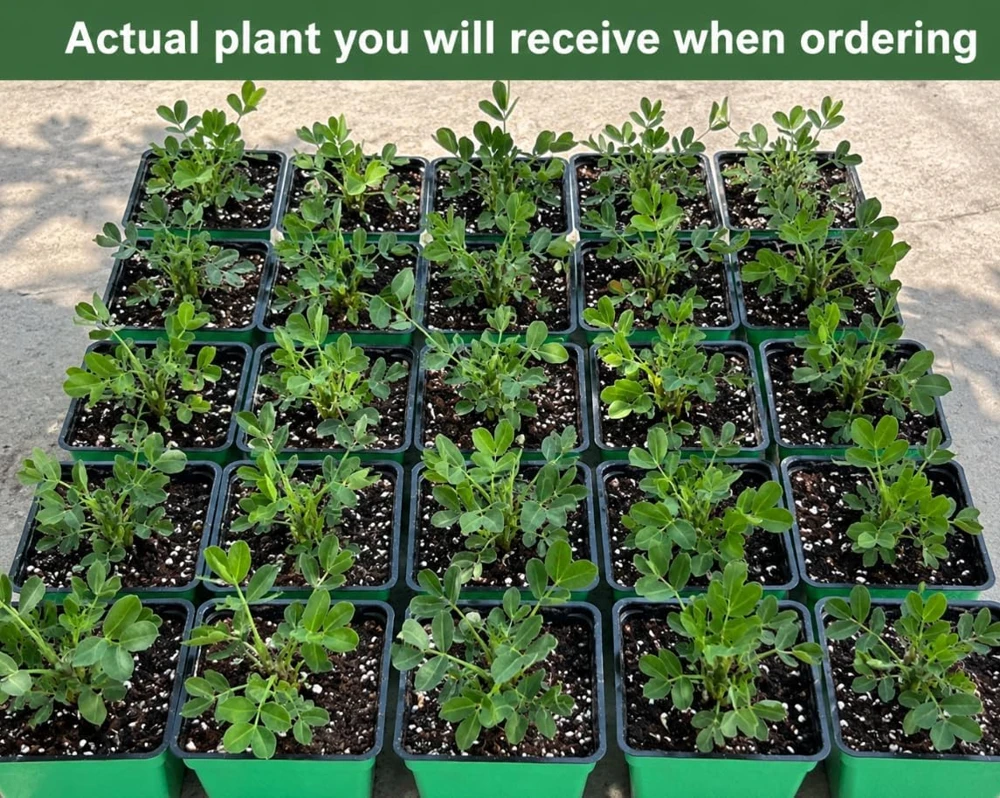
Each yellow peanut live plant is carefully nurtured and shipped in a sturdy 4-inch nursery pot, providing a robust root system and a significant head start for your gardening efforts. These starter plants are typically 4-6 inches tall upon arrival, with healthy foliage ready to grow. As a compact, bushy shrub, mature plants generally reach a height of 12-18 inches and spread similarly, making them suitable for various garden sizes and container planting. The vigorous growth of this perennial peanut plant means you can expect it to fill out its space quickly, producing its characteristic yellow blooms followed by the fascinating underground development of peanuts. Depending on your climate and planting time, you can anticipate harvesting your first peanuts in approximately 90-120 days after transplanting.
The plants are shipped with care to minimize stress during transit, ensuring they arrive in optimal condition for immediate planting. While peanuts are typically grown as an annual crop in many regions, this variety’s perennial nature in warmer zones (USDA 8-11) offers the exciting possibility of a continuous harvest over multiple years. For those in colder climates, it can still be grown as a highly productive annual. The 4-inch pot size provides ample space for initial root development, allowing the plant to establish quickly once transplanted into its permanent home, whether that’s a garden bed, a raised planter, or a large decorative container on your patio.
Frequently Asked Questions
- Q: How big does this yellow peanut live plant get? A: This compact, bushy shrub typically grows to a height of 12-18 inches with a similar spread. It’s well-suited for garden beds, raised beds, or large containers, making it versatile for various garden sizes.
- Q: What size pot does it come in? A: Each yellow peanut live plant is shipped in a 4-inch nursery pot. This size provides a healthy root system and a great head start for transplanting into your garden or a larger container.
- Q: Is this an indoor or outdoor plant? A: Peanut plants are primarily outdoor plants, thriving in full sun. While they can be started indoors in colder climates, they need to be moved outdoors to mature and produce peanuts. It is an excellent peanut vegetable shrub for outdoor cultivation.
- Q: How much sunlight does it need? A: For optimal growth and peanut production, this plant requires at least 6-8 hours of direct sunlight per day. Choose a sunny spot in your garden or on your patio.
- Q: Is this plant easy to care for? A: Yes, the perennial peanut plant is relatively easy to care for. It primarily needs full sun, well-draining soil, and consistent moisture, especially during its flowering and pod-forming stages. It’s a rewarding plant for beginners and experienced gardeners alike.
- Q: What condition will it arrive in? A: Your yellow peanut live plant will arrive as a healthy, established starter plant in its 4-inch pot, carefully packaged to ensure minimal stress during transit and ready for transplanting.
- Q: When is the best time to plant? A: The best time to plant your yellow peanut live plant outdoors is after all danger of frost has passed in your area, typically in late spring or early summer, when soil temperatures have warmed up.
- Q: Will it survive winter in my zone? A: This variety is perennial in USDA Hardiness Zones 8-11, where it can return year after year. In colder zones, it is typically grown as an annual and harvested before the first frost.
- Q: How long until it blooms and produces peanuts? A: After transplanting, you can expect to see bright yellow blooms within a few weeks. Peanuts typically mature and are ready for harvest approximately 90-120 days after planting, depending on growing conditions.
- Q: What type of soil does it prefer? A: This plant thrives in well-draining, loose, sandy loam soil with a slightly acidic to neutral pH (5.9-7.0). Good drainage is crucial to prevent root issues.
Be the first to review “Yellow Peanut Live Plant – 4 inch Pot – Perennial Nut Shrub”
Related products


You May Like

Hardneck vs. Softneck Garlic: Which Should You Grow?
Have you ever stood in front of a seed catalog in mid-September, staring at dozens [...]
Oct

When to Plant Music Garlic: Ultimate US Fall Guide
Have you ever spent your fall weekend placing carefully chosen garlic cloves into rich, dark [...]
1 Comment
Oct

5 Best Bulbs for Fall Planting: Brighten Your Garden This Spring
Are you dreaming of a garden full of vibrant colors in the spring? The key [...]
Aug

10 Houseplants That Will Thrive in Your Kitchen
Are you tired of your kitchen feeling dull and lifeless? Want to add a little [...]
1 Comment
Aug
Reviews
There are no reviews yet.