
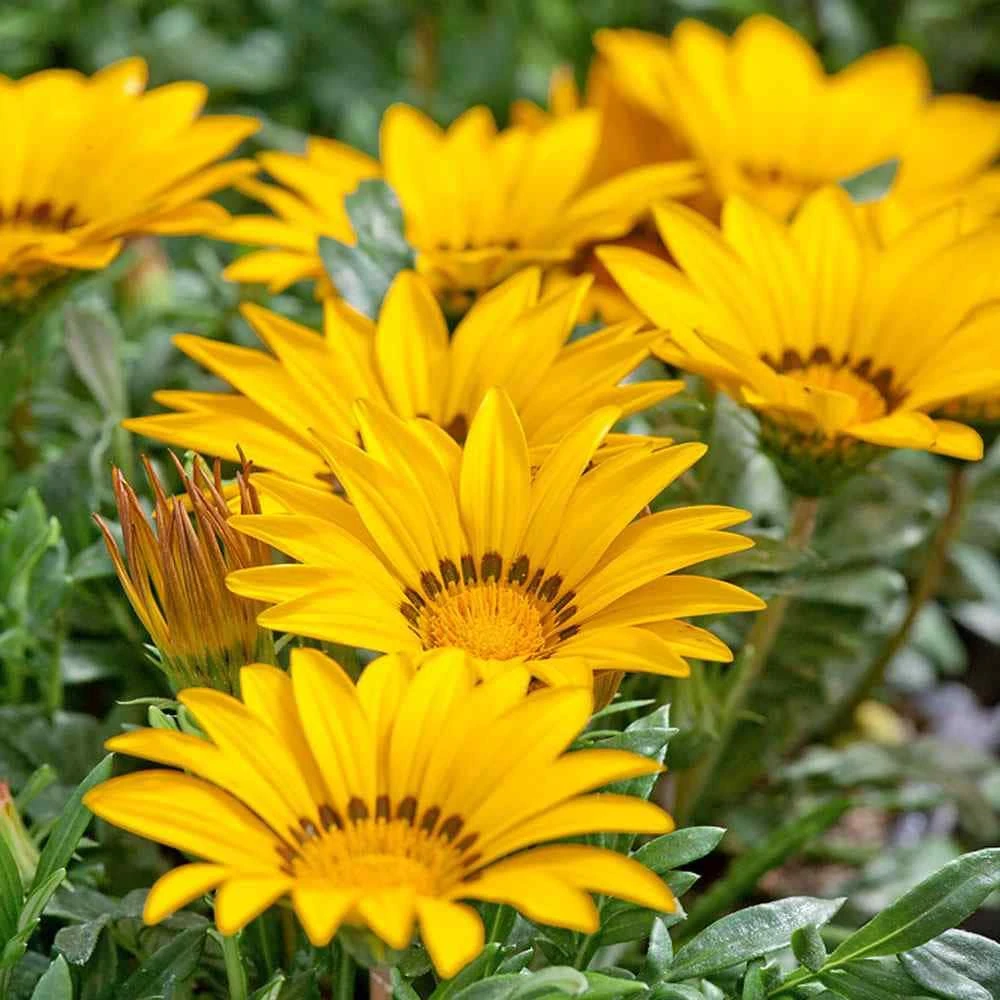
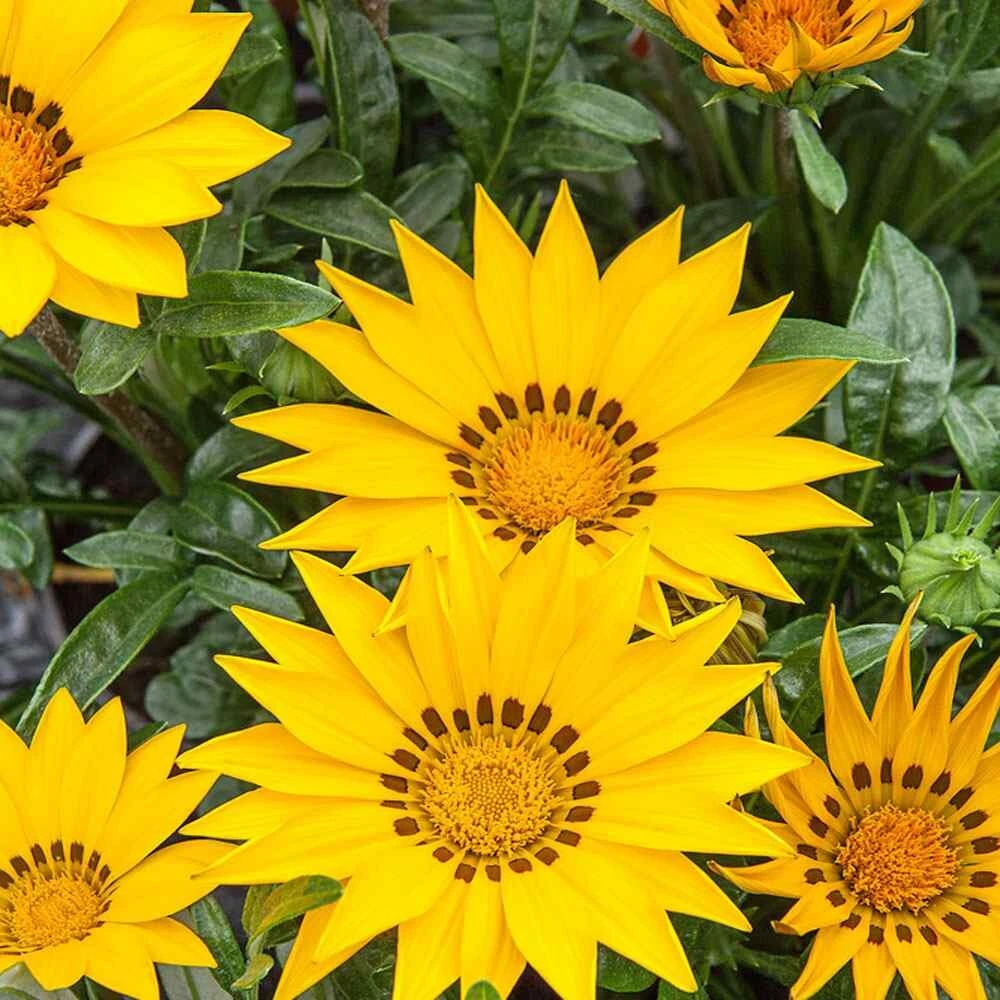
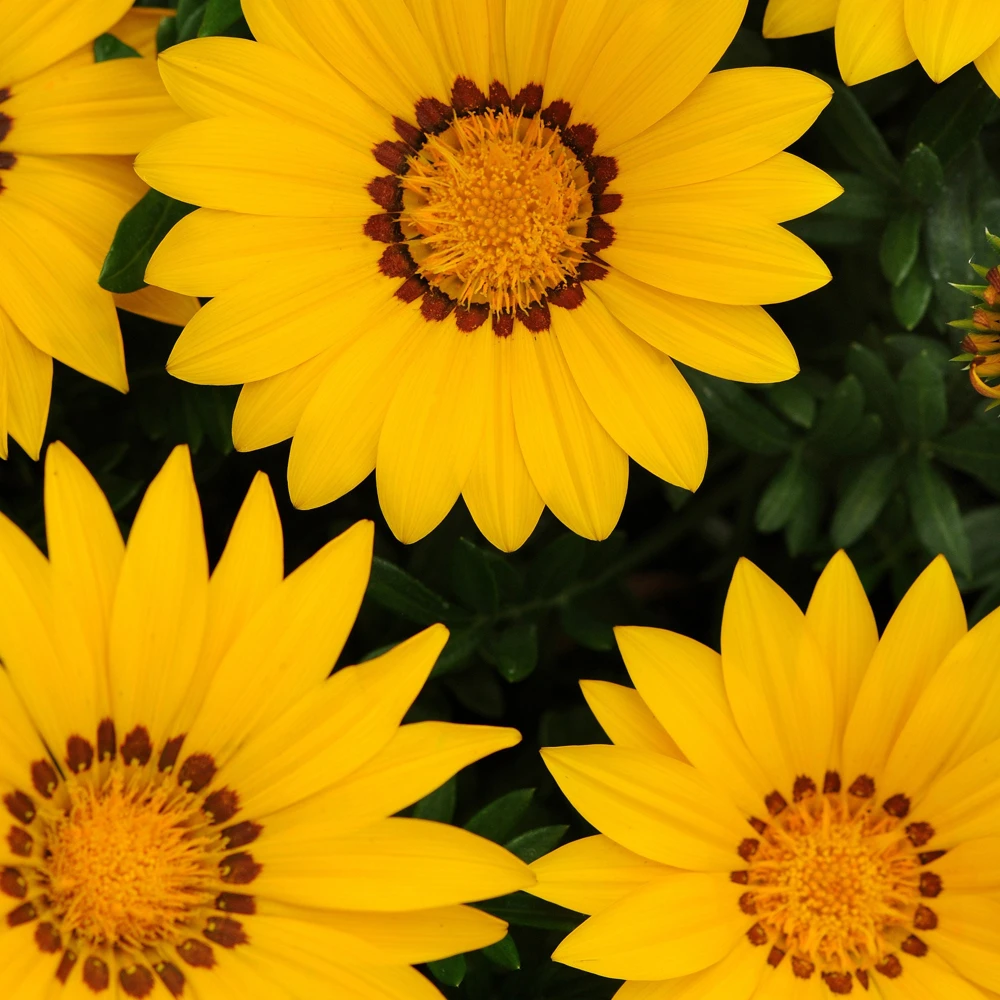
Yellow Treasure Flower Gazania Seeds – Drought Tolerant Ground Cover – 50 Seeds
Original price was: 35.99 $.15.99 $Current price is: 15.99 $.
Discover the beauty of yellow gazania seeds for your garden. These drought tolerant gazania flowers, also known as Treasure Flowers, are perfect for creating vibrant ground cover, stunning beds, or cheerful container displays. Each packet contains 50 seeds to start your sunny landscape.
Estimated arrival
Oct 19
Oct 24 - Oct 26
Oct 26 - Oct 31
See our Shipping Policy.
Get in touch with us via email, and our team will review your concerns.
Our Alive & Thrive Guarantee covers issues with your plants within the first 30 days. Read our Refund & Returns Policy.
-
USDA Hardiness Zone
USDA Zones 8-11 (as perennial, otherwise annual) -
Soil Type
Well-draining soil, tolerant of sandy or poor soils -
Sunlight Exposure
Full sun (6-8+ hours daily) -
Expected Planting Period
Spring to early summer
Overview
Unleash a burst of sunshine in your garden with these premium yellow gazania seeds. Gazania rigens, commonly known as Treasure Flower, is a spectacular choice for gardeners seeking vibrant color with minimal fuss. These seeds will grow into beautiful, daisy-like flowers boasting brilliant yellow petals, often with striking dark centers, that truly live up to their ‘treasure’ name. Originating from South Africa, Gazanias are renowned for their exceptional resilience, particularly their impressive drought tolerance, making them an ideal selection for water-wise gardening and challenging climates. Whether you’re looking to establish a cheerful ground cover, fill garden beds with continuous blooms, or add a splash of color to patio pots and window boxes, these Gazania seeds provide an easy and rewarding path to a stunning floral display. Each packet contains 50 seeds, ensuring you have plenty to create a dazzling impact across your landscape.
These plants are not only beautiful but also incredibly versatile, thriving in various settings. They are a reliable performer, promising a bounty of bright blooms that open with the sun and close at dusk, adding dynamic charm to your outdoor spaces. Their low-maintenance nature makes them a favorite among both novice and experienced gardeners. Cultivating these treasure flower seeds will transform your garden into a vibrant, sun-loving haven that attracts beneficial pollinators, enhancing the biodiversity and aesthetic appeal of your home environment.
Key Benefits
Cultivating Gazania from seed offers numerous advantages for your garden. These vibrant flowers bring both aesthetic beauty and practical resilience to any outdoor setting.
- Vibrant, Long-Lasting Blooms: Enjoy a continuous display of bright yellow, daisy-like flowers from early summer until the first frost, adding consistent color to your garden. Each bloom is a miniature sun, guaranteed to brighten your day.
- Exceptional Drought Tolerance: Once established, these plants require minimal watering, making them an excellent choice for xeriscaping or gardens in arid regions. This characteristic also makes them a low-effort option for busy gardeners.
- Versatile Landscaping Use: Ideal for creating stunning gazania ground cover, filling garden beds, edging pathways, or adding cheerful accents to containers and window boxes. Their spreading habit quickly covers areas with dense foliage and flowers.
- Low Maintenance & Easy Care: Gazanias are remarkably easy to grow and care for, thriving in sunny conditions with little intervention. They are perfect for beginners looking for high-impact results with minimal effort.
- Attracts Pollinators: The bright, open blooms are a magnet for bees and butterflies, contributing to the health and vitality of your garden ecosystem. Planting these seeds supports local wildlife.
- Deer Resistant: Gazanias are generally not favored by deer, offering peace of mind for gardeners in areas prone to deer browsing. This makes them a reliable choice for maintaining an undisturbed floral display.
- Heat Tolerant: These plants excel in hot, sunny conditions where many other flowers might falter. Their ability to withstand intense heat ensures your garden remains colorful even during the peak of summer.
Plant Care & Growing Tips
Growing yellow gazania seeds into a flourishing display is straightforward, especially with the right care. Gazanias thrive in full sun, meaning they need at least 6-8 hours of direct sunlight daily to produce their most abundant blooms. Choose a location in your garden that receives ample sunshine throughout the day. For soil, they prefer well-draining conditions and can tolerate poor, sandy, or rocky soils, but will flourish in moderately fertile ground. Avoid heavy clay soils that retain too much moisture, as this can lead to root rot. If your soil is heavy, amend it with sand or organic matter to improve drainage.
Watering should be consistent until the plants are established. Once mature, Gazanias are highly drought-tolerant and require infrequent watering. Allow the soil to dry out completely between waterings, and be careful not to overwater, as this is the most common cause of failure. Fertilization is generally not necessary, especially if planted in moderately fertile soil; however, a light application of a balanced, slow-release granular fertilizer in spring can encourage more vigorous growth and blooming. Deadhead spent flowers regularly to encourage continuous blooming and prevent the plant from putting energy into seed production. These plants are typically grown as annuals in most regions but can be perennial in USDA Zones 8-11. Protecting them from frost is crucial in colder climates.
When you grow gazania from seed, start them indoors 6-8 weeks before the last frost date in your area for an early bloom. Sow seeds lightly covered with soil, as they need light to germinate. Keep the soil consistently moist until germination, which usually occurs within 7-14 days at temperatures around 70-75°F (21-24°C). Once seedlings are strong enough, transplant them outdoors after all danger of frost has passed. Space plants about 8-12 inches apart to allow for their spreading habit. With proper care, your drought tolerant gazania will provide a spectacular, low-maintenance floral show all season long.
Size & Details
These yellow gazania seeds will develop into compact, spreading plants, typically reaching a height of 6-12 inches (15-30 cm) and spreading 8-12 inches (20-30 cm) wide. The vibrant yellow flowers are approximately 2-4 inches (5-10 cm) in diameter, creating a dense carpet of color when planted en masse. Each packet contains 50 seeds, providing ample opportunity to cultivate a beautiful patch of these cheerful flowers. Gazanias have a moderate growth rate, with blooms appearing typically 12-14 weeks after sowing the seeds. They are best grown as annuals in most climates, offering a season-long display of color, but can be perennial in warmer USDA Zones. The foliage is typically silvery-green, adding an attractive contrast to the bright yellow blooms.
Frequently Asked Questions
- Q: How big does this plant get? A: These Gazania plants typically grow 6-12 inches tall and spread 8-12 inches wide, forming a beautiful, compact mound of foliage and flowers. They are ideal for filling in spaces or as a border plant.
- Q: Is this an indoor or outdoor plant? A: Gazanias are primarily outdoor plants, thriving in full sun. While they can be grown in containers, they prefer to be outdoors where they can receive ample sunlight to produce their best blooms.
- Q: How much sunlight does it need? A: To flourish and bloom profusely, Gazanias require at least 6-8 hours of direct sunlight per day. They are sun-loving plants and will not perform well in shady conditions.
- Q: Is this plant easy to care for? A: Yes, Gazanias are considered very easy to care for, especially once established. Their drought tolerance and ability to thrive in poor soils make them a low-maintenance choice for gardeners of all skill levels.
- Q: What condition will the seeds arrive in? A: The yellow gazania seeds will arrive in a sealed packet, ensuring their freshness and viability. Each packet contains 50 seeds, ready for planting.
- Q: How long until it blooms after planting seeds? A: You can typically expect your Gazania plants to start blooming within 12-14 weeks after sowing the seeds. Starting them indoors can help achieve earlier blooms.
- Q: When is the best time to plant these seeds? A: For best results, sow these treasure flower seeds indoors 6-8 weeks before your last expected frost date, or direct sow them outdoors once all danger of frost has passed and soil temperatures have warmed.
- Q: Will it survive winter in my zone? A: Gazanias are generally grown as annuals in most regions. However, in warmer climates (USDA Zones 8-11), they can behave as short-lived perennials, returning each year.
- Q: Can these seeds be used for ground cover? A: Absolutely! These gazania ground cover seeds are excellent for establishing a vibrant, low-growing ground cover due to their spreading habit and dense foliage.
- Q: Are these plants truly drought-tolerant? A: Yes, once established, these drought tolerant gazania plants are highly resistant to dry conditions, making them an excellent choice for water-wise gardens. They prefer to dry out between waterings.
Be the first to review “Yellow Treasure Flower Gazania Seeds – Drought Tolerant Ground Cover – 50 Seeds”
Related products


You May Like

Hardneck vs. Softneck Garlic: Which Should You Grow?
Have you ever stood in front of a seed catalog in mid-September, staring at dozens [...]
Oct

When to Plant Music Garlic: Ultimate US Fall Guide
Have you ever spent your fall weekend placing carefully chosen garlic cloves into rich, dark [...]
1 Comment
Oct

5 Best Bulbs for Fall Planting: Brighten Your Garden This Spring
Are you dreaming of a garden full of vibrant colors in the spring? The key [...]
Aug

10 Houseplants That Will Thrive in Your Kitchen
Are you tired of your kitchen feeling dull and lifeless? Want to add a little [...]
1 Comment
Aug
Reviews
There are no reviews yet.