


100 Lily of the Valley Sourwood Seeds (Oxydendrum arboreum) – Honey Bee Tree Seeds
Original price was: 33.01 $.13.01 $Current price is: 13.01 $.
Discover the beauty of the sourwood seeds (Oxydendrum arboreum), also known as the honey bee tree seeds. This packet contains 100 seeds, perfect for cultivating a unique ornamental tree that provides stunning seasonal interest and supports local pollinators. Enjoy the delicate white flowers and vibrant fall foliage.
Estimated arrival
Nov 28
Dec 03 - Dec 05
Dec 05 - Dec 10
See our Shipping Policy.
Get in touch with us via email, and our team will review your concerns.
Our Alive & Thrive Guarantee covers issues with your plants within the first 30 days. Read our Refund & Returns Policy.
-
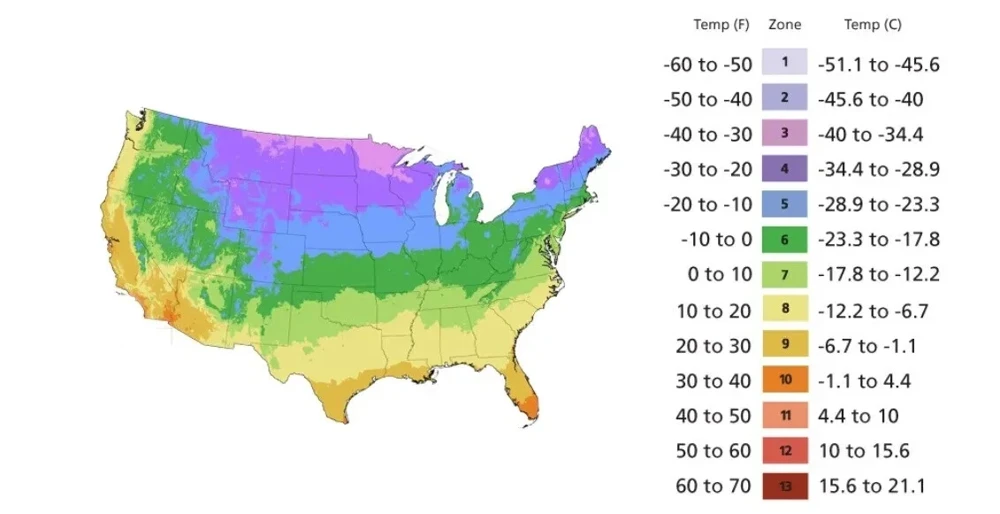
USDA Hardiness Zone
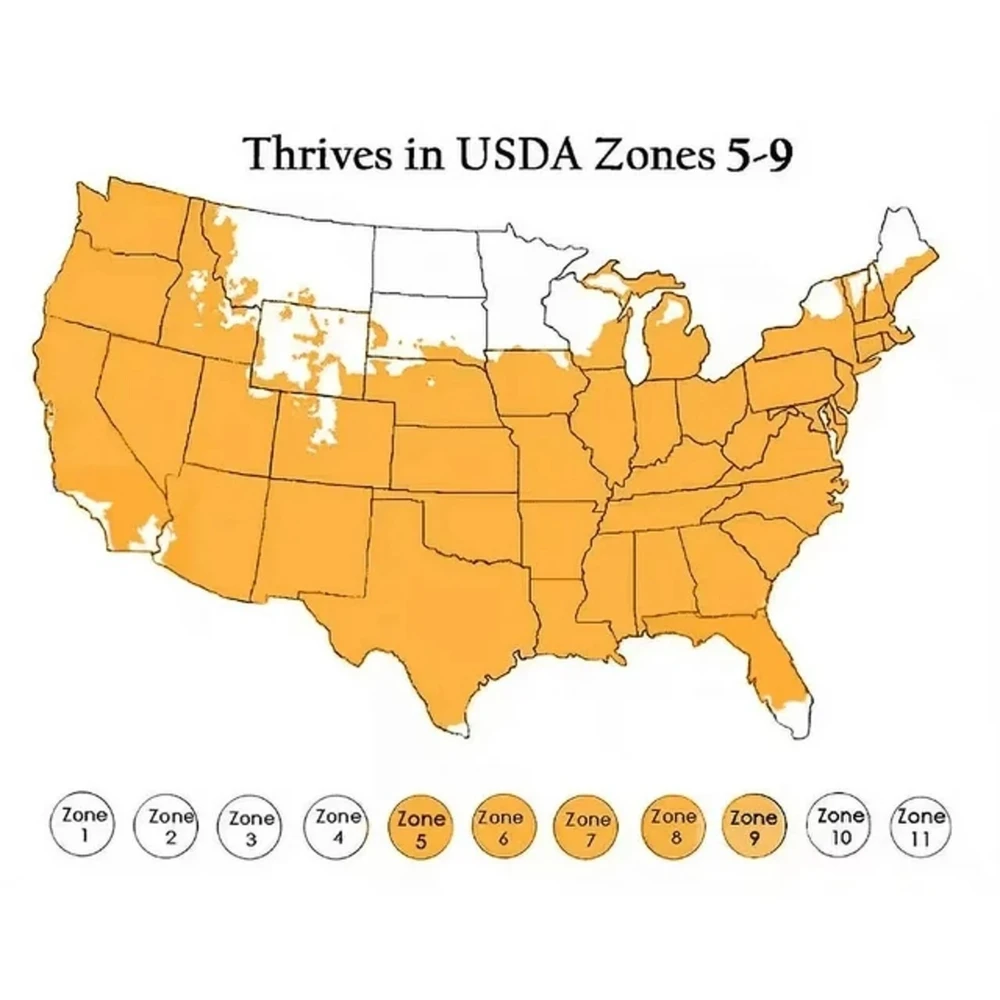
USDA zones 5-9 -
Soil Type
Acidic, well-draining soil -
Sunlight Exposure
Full sun to partial shade -
Expected Planting Period
Early spring (after stratification)
Overview
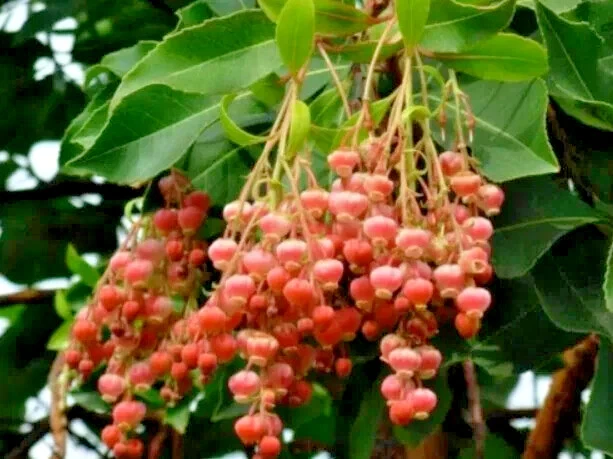
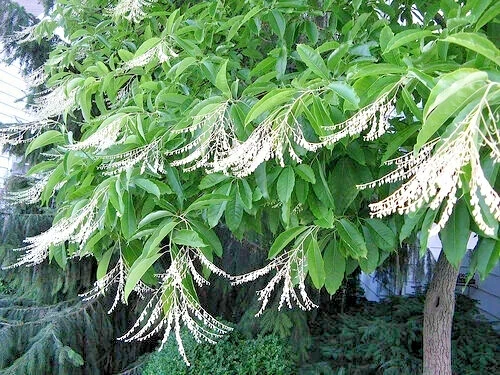
Cultivate a truly unique and beneficial addition to your landscape with these sourwood seeds. This packet contains 100 high-quality seeds of Oxydendrum arboreum, commonly known as the Lily of the Valley Tree or Sourwood Tree. Renowned for its elegant white, bell-shaped flowers that resemble lily of the valley blooms in summer, the Sourwood is also celebrated for its brilliant crimson and purple fall foliage. Beyond its ornamental appeal, it is famously known as a honey bee tree seeds due to its abundant nectar production, making it a favorite for beekeepers and a vital resource for local pollinators. Growing your own Sourwood tree from seed offers a rewarding experience, allowing you to witness its full life cycle from germination to maturity.
The Sourwood tree is a native North American species, valued for its distinctive beauty and ecological contributions. It provides year-round interest, from its attractive bark and delicate summer flowers to its spectacular autumn color. These oxydendrum arboreum seeds are an excellent choice for gardeners looking to introduce a specimen tree that thrives in various settings and contributes significantly to the local ecosystem. Whether you’re an experienced horticulturist or a budding gardener, planting these seeds will bring a touch of natural elegance and support biodiversity in your garden.
Key Benefits
Planting sourwood seeds offers a multitude of benefits, transforming your garden into a haven for wildlife and a visual spectacle. These seeds will grow into mature trees known for their aesthetic appeal and ecological value.
- Stunning Ornamental Value: The Sourwood tree provides exceptional visual interest throughout the seasons. Its delicate white flowers in summer are a highlight, followed by spectacular red and purple fall foliage.
- Pollinator Magnet: As a premier honey bee tree seeds, the Sourwood produces abundant nectar, attracting honey bees, native bees, and other beneficial insects, making it an essential plant for supporting local ecosystems.
- Unique Bark Texture: The tree develops attractive, deeply furrowed bark with age, adding another layer of visual appeal, especially during winter months.
- Adaptable Growth: While preferring specific conditions, the Sourwood is relatively adaptable once established, making it a suitable choice for various garden designs.
- Low Maintenance: Once mature, the Sourwood tree requires minimal care, making it an excellent long-term investment for your landscape.
- Supports Biodiversity: By providing nectar for pollinators and serving as a host plant for certain insect species, the lily of the valley tree contributes significantly to local biodiversity.
- Beautiful Fall Color: The brilliant crimson, orange, and purple hues of its autumn leaves are among the most striking in the plant kingdom, providing a vibrant display.
Plant Care & Growing Tips
Growing sourwood seeds successfully requires attention to specific environmental conditions, though the effort is well rewarded with a beautiful and resilient tree. Begin by stratifying your seeds, as they require a period of cold to break dormancy. Place the seeds in a moist medium like sand or peat moss in a sealed bag and refrigerate for 60-90 days before planting. This mimics natural winter conditions and prepares the seeds for germination. Once stratified, sow the seeds shallowly in a well-draining seed-starting mix, covering them lightly with soil.
For optimal growth, choose a location that receives full sun to partial shade. The Sourwood thrives in acidic, well-draining soil rich in organic matter. Avoid heavy clay or overly alkaline soils, as these can hinder its development. Keep the soil consistently moist but not waterlogged, especially during the seedling stage and the first few years of growth. Once established, the tree becomes more drought-tolerant, but regular watering during dry spells will promote healthier growth and more vibrant foliage. Fertilize sparingly with an acidic, slow-release fertilizer in spring, once the tree is a few years old.
The sourwood tree planting process is crucial for its long-term health. Ensure the planting site allows for good air circulation and adequate space for the tree to reach its mature size. Protect young seedlings from harsh winds and extreme temperatures. While generally resistant to pests and diseases, monitor for common garden issues and address them promptly. Proper care will ensure your Oxydendrum arboreum seeds develop into a magnificent specimen tree that provides beauty and ecological benefits for decades.
Size & Details
This offering includes 100 sourwood seeds (Oxydendrum arboreum), providing ample opportunity to cultivate multiple trees for your garden or landscape. The Sourwood tree typically grows to a height of 20-30 feet, with a spread of 10-20 feet, forming an attractive, pyramidal to oval crown. Its growth rate is moderate, allowing you to enjoy its various stages of development over time. The seeds will arrive ready for stratification and planting, with best results obtained from fresh harvests. Expect germination to occur within several weeks after proper stratification and planting, with seedlings emerging as temperatures warm.
These honey bee tree seeds are ideal for creating a focal point in your yard, adding to a woodland garden, or planting in rows for a stunning seasonal display. The tree is deciduous, shedding its leaves in winter, but its interesting bark provides appeal even when bare. The mature tree will develop a sturdy trunk and a dense canopy, offering shade and shelter. Planting these seeds provides an economical way to establish this desirable tree in your landscape, allowing you to nurture it from its very beginning.
Frequently Asked Questions
- Q: How big does a Sourwood tree get? A: A mature sourwood tree typically reaches a height of 20-30 feet with a spread of 10-20 feet, making it a medium-sized ornamental tree suitable for many garden spaces.
- Q: Is this an indoor or outdoor plant? A: The Sourwood tree (Oxydendrum arboreum) is an outdoor tree, best suited for planting in gardens, woodlands, or as a specimen plant in a landscape. It is not recommended for indoor cultivation.
- Q: How much sunlight do sourwood seeds need? A: Sourwood trees thrive in full sun to partial shade. For the best flowering and fall color, aim for at least 6 hours of direct sunlight per day.
- Q: Is this plant easy to care for? A: Once established, the Sourwood tree is relatively low maintenance. However, young seedlings and newly planted trees require consistent moisture and protection from extreme conditions.
- Q: What condition will the seeds arrive in? A: The oxydendrum arboreum seeds will arrive in a dry, viable state, ready for you to begin the stratification process before planting.
- Q: How long until the lily of the valley tree blooms? A: Sourwood trees typically begin to flower within 5-7 years after planting from seed, with blooms becoming more abundant as the tree matures.
- Q: What’s the minimum temperature it can withstand? A: Sourwood trees are hardy in USDA Zones 5-9, meaning they can tolerate winter temperatures down to -20°F (-29°C) once established.
- Q: What kind of soil does the Sourwood prefer? A: Sourwood trees prefer acidic, well-draining soil that is rich in organic matter. They do not tolerate alkaline or poorly drained soils well.
- Q: Why is it called a honey bee tree seeds? A: It’s called a honey bee tree because its summer flowers produce a copious amount of nectar, which bees collect to make delicious sourwood honey, a highly prized variety.
- Q: When is the best time for sourwood tree planting? A: After stratifying the seeds, the best time to plant them is in early spring once the danger of hard frost has passed and soil temperatures begin to warm.
Be the first to review “100 Lily of the Valley Sourwood Seeds (Oxydendrum arboreum) – Honey Bee Tree Seeds”
Related products


Tree Seeds
Canino Olive Tree Seeds – 10 Pack Olea Europaea Canino for Edible Olives, Full Sun, Zones 9-11


You May Like

How to Grow Passion Flower (Passiflora) for Tropical Blooms
Few climbing vines in the home garden command attention quite like the exotic Passion Flower (Passiflora). [...]
Nov

Thanksgiving Cactus Care: How to Get Thanksgiving Cactus to Bloom
Is your Thanksgiving cactus growing well but not giving you any flowers? Maybe it looked [...]
Nov

How to Grow Garlic for a Bountiful Home Harvest
Garlic (Allium sativum) is one of the most satisfying, low-maintenance, and flavor-packed crops you can [...]
Oct

Hardneck vs. Softneck Garlic: Which Should You Grow?
Have you ever stood in front of a seed catalog in mid-September, staring at dozens [...]
1 Comment
Oct

When to Plant Music Garlic: Ultimate US Fall Guide
Have you ever spent your fall weekend placing carefully chosen garlic cloves into rich, dark [...]
1 Comment
Oct

5 Best Bulbs for Fall Planting: Brighten Your Garden This Spring
Are you dreaming of a garden full of vibrant colors in the spring? The key [...]
Aug

10 Houseplants That Will Thrive in Your Kitchen
Are you tired of your kitchen feeling dull and lifeless? Want to add a little [...]
1 Comment
Aug
Reviews
There are no reviews yet.