

Rose Flower Seeds & Cuttings – Fresh Live Plant Options RS5012
From 11.83 $
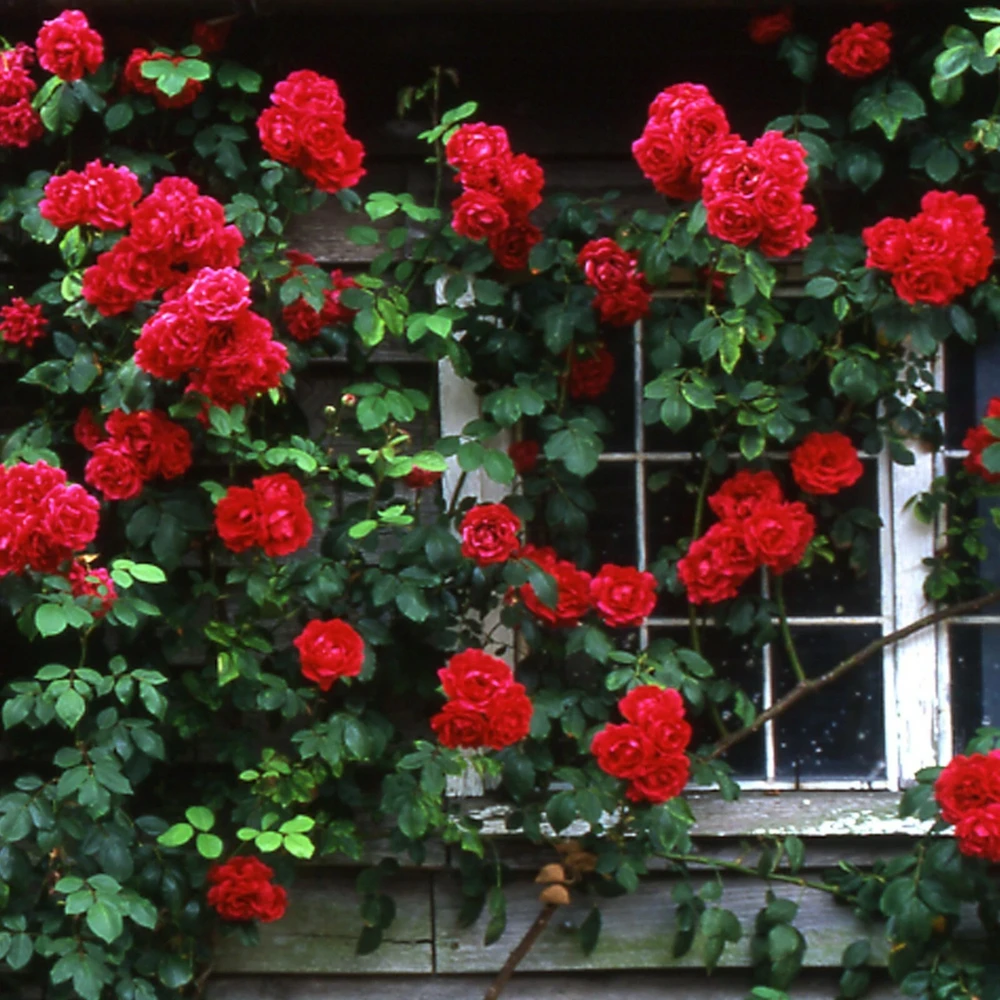
Cultivate elegance with our selection of rose flower seeds and rose plant cuttings. Perfect for creating a vibrant garden, these options provide a rewarding growing experience for any enthusiast. Choose from various quantities to start your rose collection today.
Estimated arrival
Nov 26
Dec 01 - Dec 03
Dec 03 - Dec 08
See our Shipping Policy.
Get in touch with us via email, and our team will review your concerns.
Our Alive & Thrive Guarantee covers issues with your plants within the first 30 days. Read our Refund & Returns Policy.
-
USDA Hardiness Zone
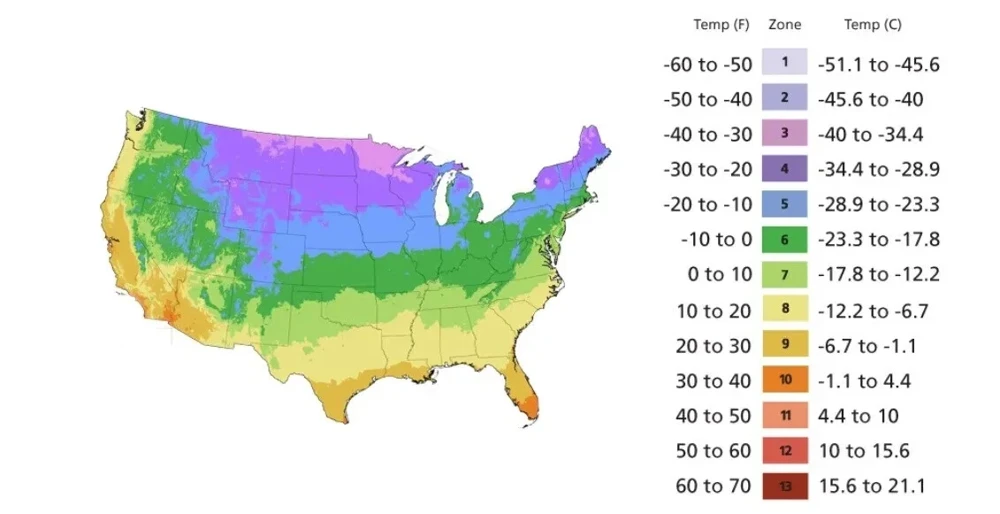
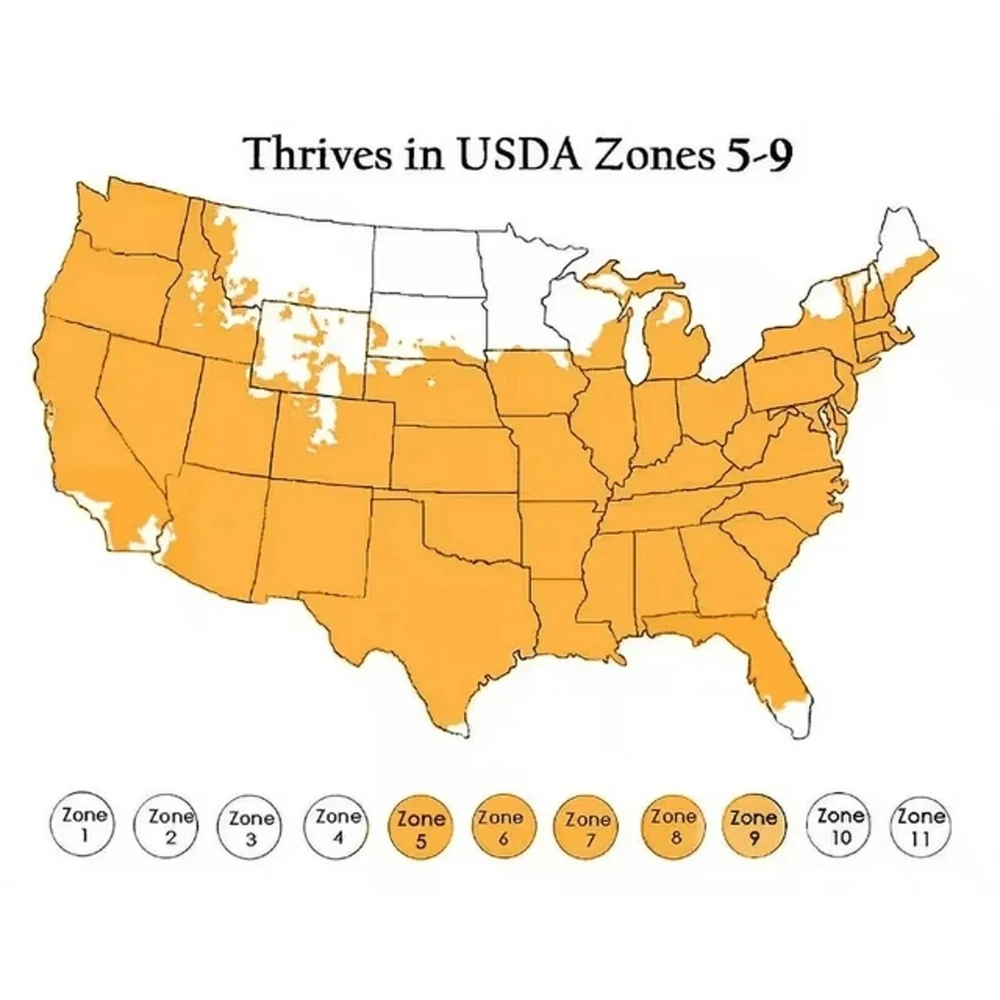
USDA Zones 5-9 (varies by specific rose type) -
Soil Type
Rich, well-draining soil -
Sunlight Exposure
Full sun (6-8 hours daily) -
Expected Planting Period
Year-round indoors for seeds; Spring to early summer for outdoor planting
Overview
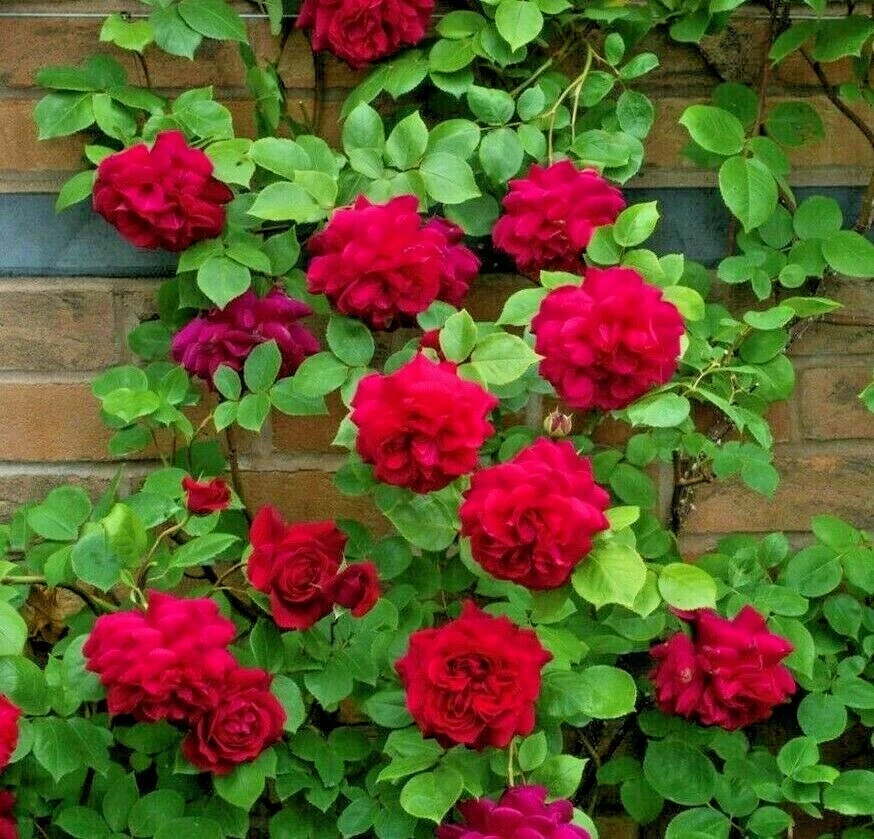
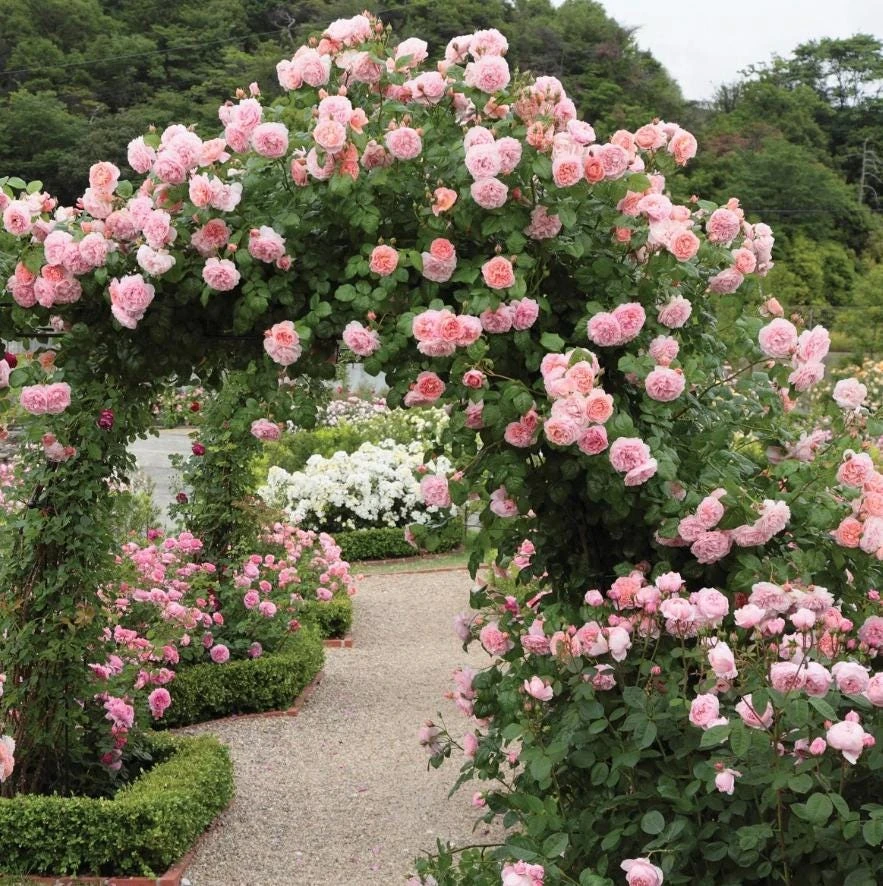
Embark on a delightful gardening journey with our premium selection of rose flower seeds and rose plant cuttings. Roses, scientifically known as Rosa, are celebrated worldwide for their exquisite beauty, fragrant blooms, and diverse forms. This product offers you the flexibility to choose between high-quality seeds to start your roses from scratch or robust plant cuttings for a head start. Whether you’re a seasoned gardener looking to expand your collection or a beginner eager to cultivate these iconic flowers, our offerings provide the foundation for a stunning rose garden. Each option is carefully prepared to ensure the best possible start for your new rose plants, promising vibrant colors and captivating scents. Grow your own breathtaking roses and enjoy the timeless charm they bring to any landscape.
Our rose flower seeds are sourced for viability, giving you the best chance to witness the magic of germination and growth. For those seeking faster results, our rose plant cuttings are taken from healthy, mature plants, ready to root and establish themselves in your garden. The allure of growing roses is undeniable, transforming any outdoor space into a romantic haven. With a little care and attention, these seeds and cuttings will flourish into magnificent rose bushes, providing endless beauty and fragrance throughout the growing season. Don’t miss the opportunity to plant these fresh rose seeds and cuttings, identified as RS5012, and watch your garden dreams blossom.
Key Benefits
Our rose flower seeds and cuttings offer numerous advantages for gardeners:
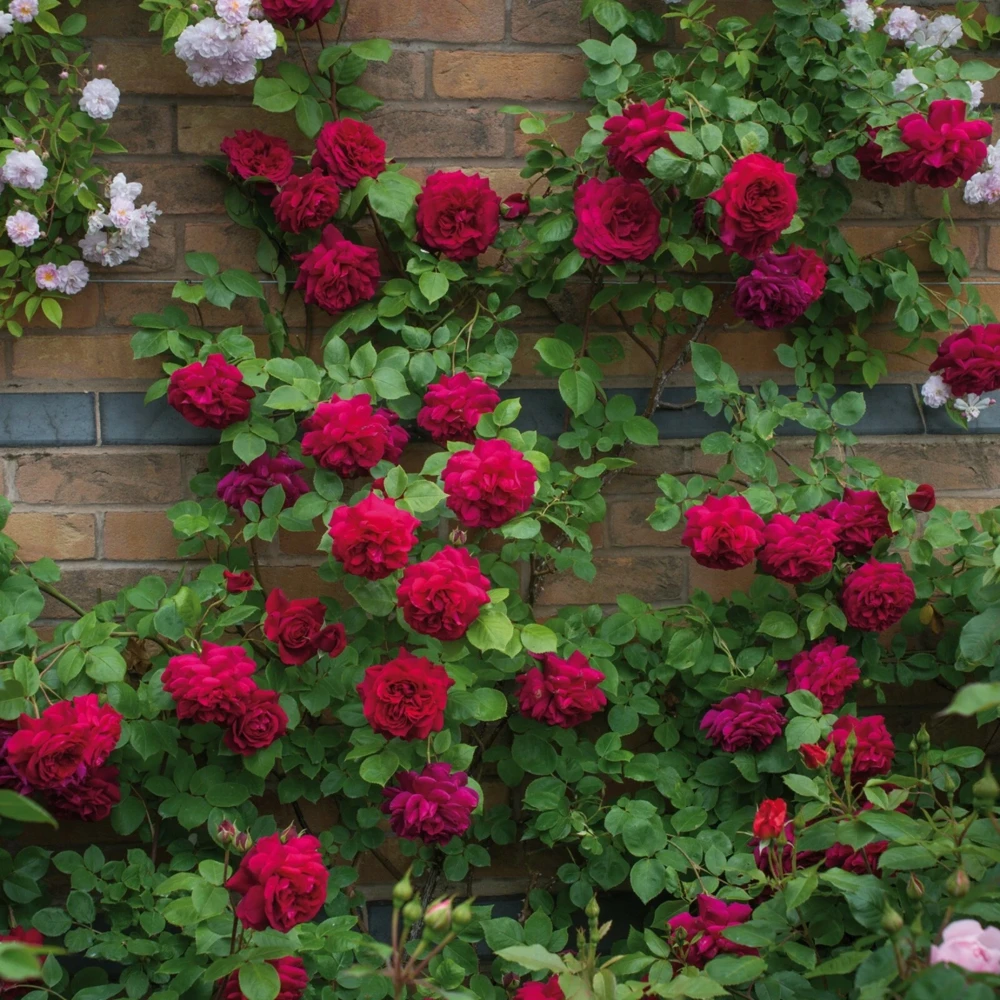
- Stunning Floral Displays: Cultivate beautiful, fragrant roses that add elegance and charm to any garden bed, border, or container. Enjoy a continuous show of vibrant colors and classic forms throughout the blooming season.
- Rewarding Growing Experience: Starting roses from seeds or cuttings provides a deeply satisfying connection to nature, allowing you to nurture plants from their earliest stages to full bloom. It’s a rewarding process for gardeners of all skill levels.
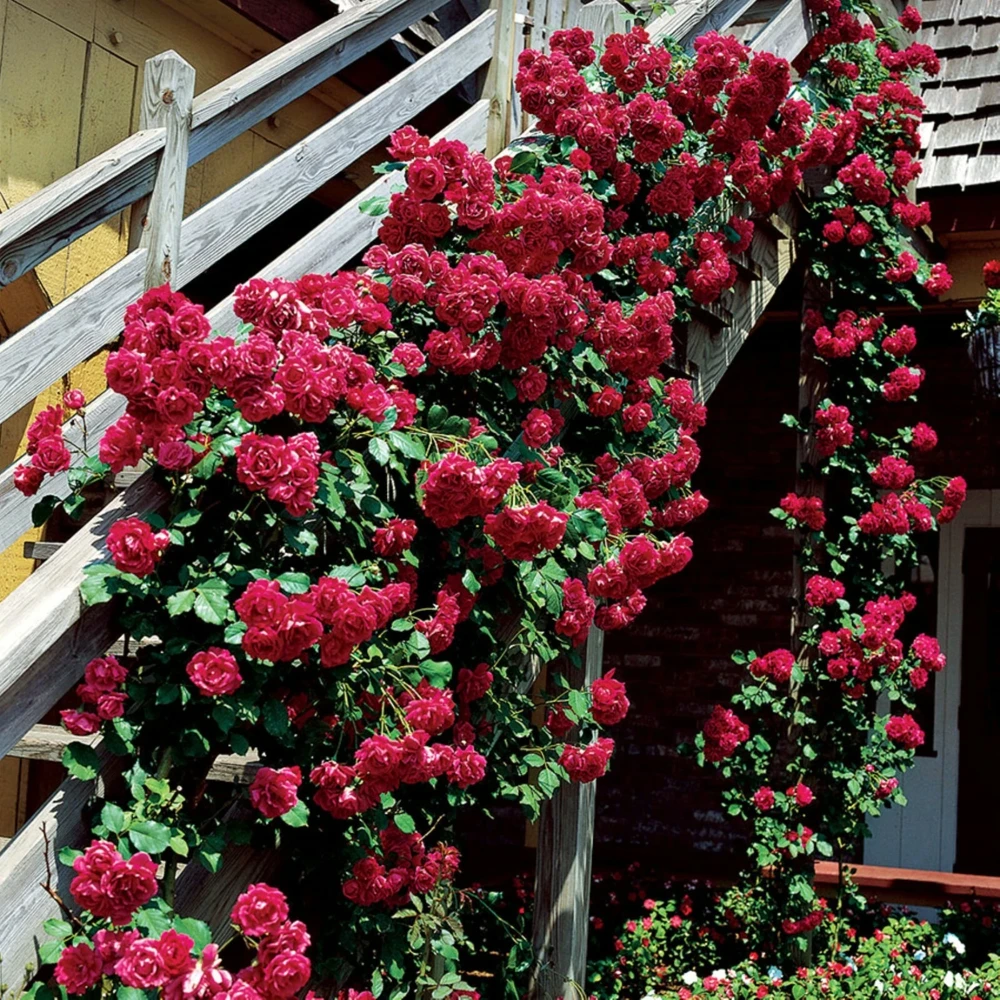
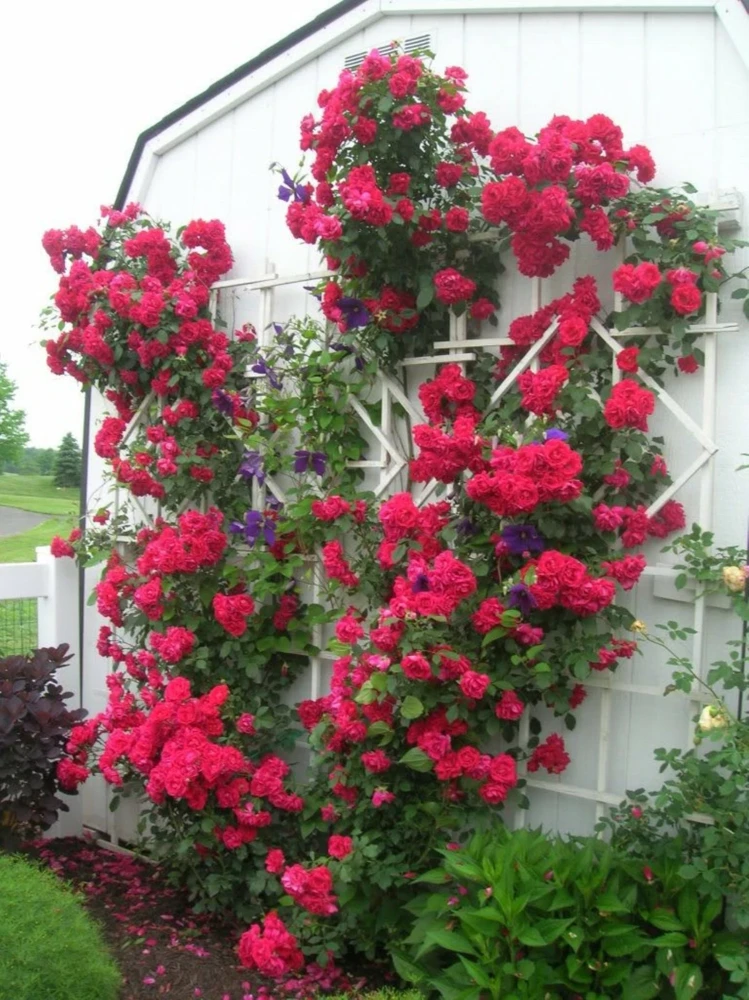
- Versatile Landscaping Options: Roses are incredibly versatile and can be used in various garden designs, from formal rose gardens to informal cottage styles. They make excellent cut flowers for bouquets and arrangements, bringing their beauty indoors.
- Attract Pollinators: The vibrant blooms and rich nectar of roses attract beneficial pollinators like bees and butterflies, contributing to a healthier and more biodiverse garden ecosystem.
- Fragrant Blooms: Many rose varieties offer a delightful fragrance, enhancing the sensory experience of your garden and providing a natural perfume for your outdoor living spaces.
- Long Blooming Season: With proper care, many rose types can bloom repeatedly from spring through fall, ensuring a long period of visual appeal and enjoyment.
- Personalized Garden Creation: Choosing to grow roses from seeds allows for the potential discovery of unique genetic variations, offering a truly personalized gardening adventure.
Plant Care & Growing Tips
Whether you choose to plant rose flower seeds or rose plant cuttings, understanding their care requirements is crucial for success. Roses thrive in full sun, meaning they need at least 6-8 hours of direct sunlight per day. Choose a location in your garden that receives ample morning sun, which helps to dry dew from the leaves and prevent fungal diseases. Good air circulation is also important. If you choose to grow roses from seeds, start them indoors 8-10 weeks before the last frost date. Provide warmth (around 70-75°F) and consistent moisture for germination. Once seedlings are established, gradually harden them off before transplanting outdoors after all danger of frost has passed.
For both seeds and cuttings, roses prefer rich, well-draining soil with a pH between 6.0 and 6.5. Amend heavy clay soils with organic matter like compost or aged manure to improve drainage and fertility. Sandy soils will benefit from similar amendments to increase water retention. Water roses deeply and regularly, especially during dry periods, aiming to keep the soil consistently moist but not waterlogged. Avoid overhead watering to minimize disease. Fertilize established rose plants every 4-6 weeks during the growing season with a balanced rose-specific fertilizer. Pruning is essential for promoting vigorous growth and abundant blooms; remove dead, damaged, or crossing branches and deadhead spent flowers to encourage new flushes of blooms. Protect your roses in winter, especially in colder climates (USDA zones 4-6), by mounding soil or mulch around the base.
Size & Details
Our rose flower seeds are provided in various pack sizes, allowing you to select the quantity best suited for your gardening project, from a sample of 5 seeds to large packs of 10,000 seeds. Each seed is carefully selected to ensure high viability. For those opting for rose plant cuttings, they typically range from 5-8 inches (seedling) to 1-2 feet (starter plant) in length, ready for rooting. The specific size and form will depend on your selection at purchase. Roses are known for their moderate to fast growth rate, with many varieties blooming within the first year from cuttings or the second year from seeds. Mature rose bushes can vary significantly in size, from compact varieties reaching 2-3 feet tall and wide, to climbing roses that can extend over 10 feet. When you grow roses from seeds, the exact mature size and characteristics can sometimes be a delightful surprise, depending on the specific rose parentage.
Frequently Asked Questions
- Q: How big do these rose plants get? A: The mature size of your rose plant will depend on the specific variety, but generally, they can range from compact bushes of 2-3 feet tall and wide to climbing varieties that can reach over 10 feet. Our rose plant cuttings and seedlings offer a good start towards these sizes.
- Q: Are these suitable for indoor or outdoor planting? A: Roses are primarily outdoor plants that thrive in garden settings. While some miniature varieties can be grown indoors with adequate light, our rose flower seeds and cuttings are best suited for outdoor cultivation to ensure optimal growth and blooming.
- Q: How much sunlight do roses need? A: Roses require a minimum of 6-8 hours of direct sunlight per day to produce the most abundant and healthy blooms. Choose a sunny location in your garden for planting these fresh rose seeds or cuttings.
- Q: Is this plant easy to care for, especially for beginners? A: While roses require consistent care including watering, fertilizing, and pruning, many varieties are quite resilient. With proper guidance, even beginners can successfully grow roses from seeds or cuttings and enjoy beautiful blooms.
- Q: What condition will the seeds or cuttings arrive in? A: Your rose flower seeds will arrive carefully packaged to maintain viability. Cuttings will be prepared for shipping to ensure they arrive fresh and ready for planting or rooting, minimizing stress during transit.
- Q: When is the best time to plant rose seeds or cuttings? A: Rose seeds are typically started indoors in late winter or early spring. Cuttings can be taken and rooted in spring or early summer. Transplanting young plants outdoors is best done after the last frost in spring.
- Q: What type of soil is best for growing roses? A: Roses prefer rich, well-draining soil with a slightly acidic to neutral pH (6.0-6.5). Amending your soil with organic matter like compost will significantly improve drainage and provide essential nutrients for your live rose plant.
- Q: How long does it take for roses to bloom from seeds? A: Growing roses from seeds can take longer than from cuttings. You might see blooms in the second year after planting, as the plant needs time to establish itself. Cuttings may bloom in their first year if planted at the right time.
- Q: Will these roses survive winter in my climate? A: Rose hardiness varies by variety. Most garden roses are hardy in USDA Zones 5-9. In colder zones, winter protection like mulching or covering is recommended to help your live rose plant survive.
- Q: Can I get different colors from these seeds? A: If the seeds are from a mixed variety or open-pollinated, there is a possibility of getting a range of colors. However, specific color outcomes are not guaranteed when you grow roses from seeds unless specified as a particular variety.
| OPTIONS | 250Seeds, 500Seeds, Sample 5 Seeds, 100Seeds, 1000Seeds, 20 Seeds, 3500Seeds, 50 Seeds, 10 Cuttings, 5 Cuttings, 2000Seeds |
|---|
Be the first to review “Rose Flower Seeds & Cuttings – Fresh Live Plant Options RS5012”
Related products

Vines
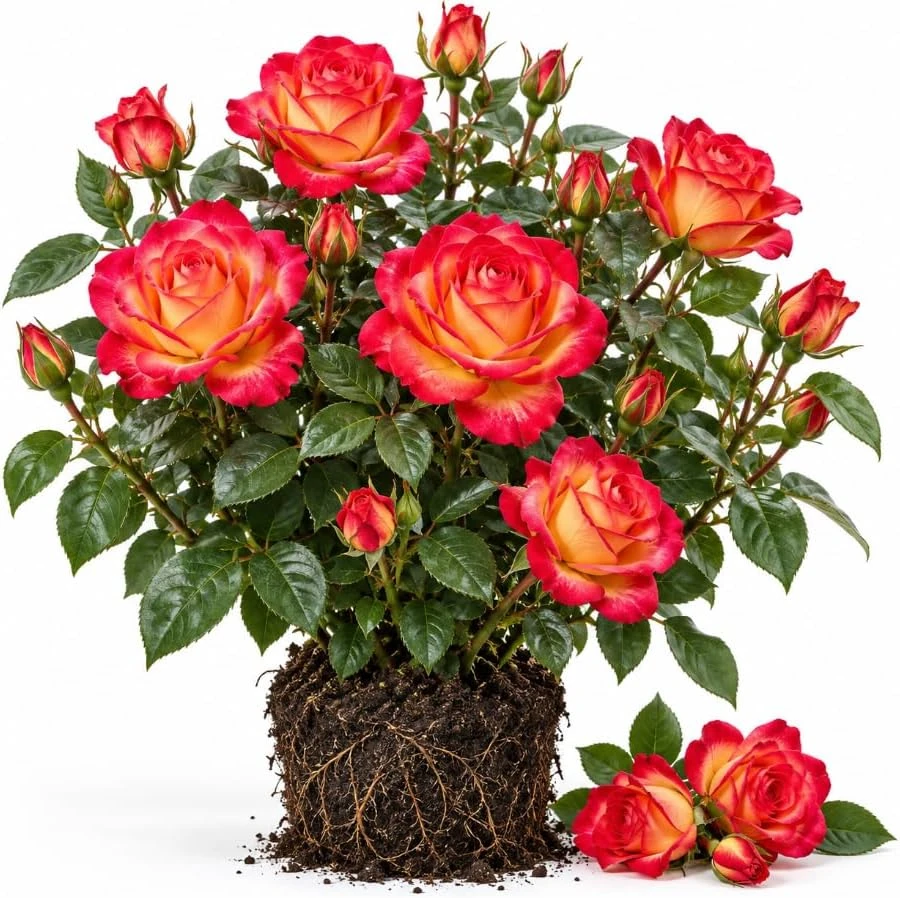
Orange Yellow Bicolor Rose Vine Live Plant – Fragrant Climbing Rose for Outdoor, 4-6 Inch Tall


Flowers
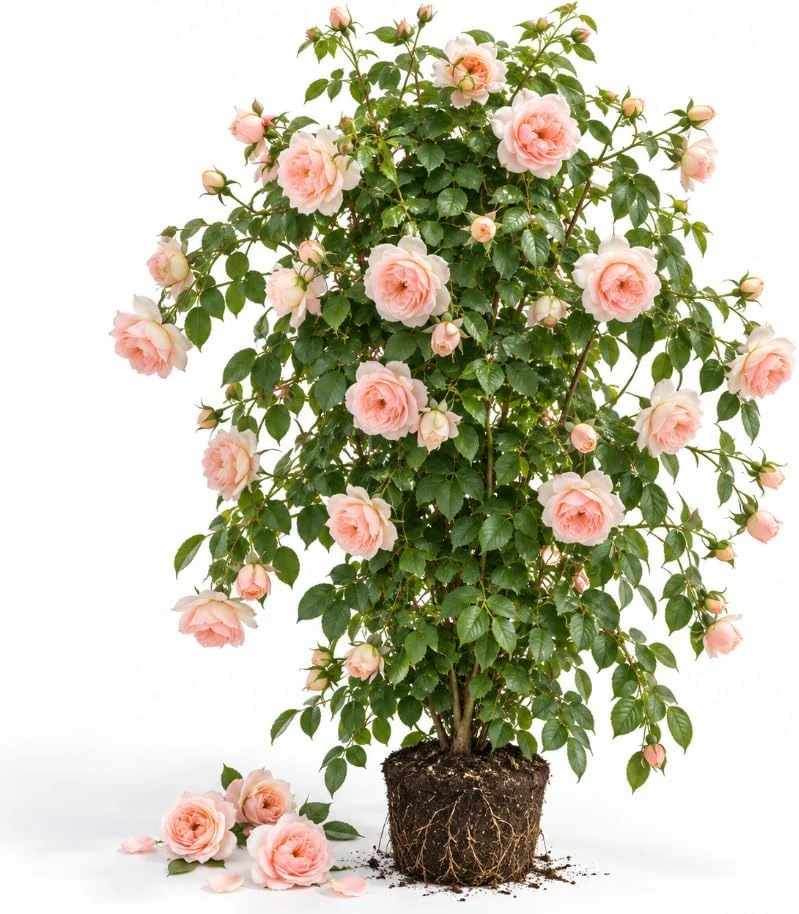
Peachy Pink Climbing Rose Bush Live Plant, 4-8 Inches, Fragrant Blooms for Outdoor Gardens & Patios
You May Like

How to Grow Passion Flower (Passiflora) for Tropical Blooms
Few climbing vines in the home garden command attention quite like the exotic Passion Flower (Passiflora). [...]
Nov

Thanksgiving Cactus Care: How to Get Thanksgiving Cactus to Bloom
Is your Thanksgiving cactus growing well but not giving you any flowers? Maybe it looked [...]
Nov

How to Grow Garlic for a Bountiful Home Harvest
Garlic (Allium sativum) is one of the most satisfying, low-maintenance, and flavor-packed crops you can [...]
Oct

Hardneck vs. Softneck Garlic: Which Should You Grow?
Have you ever stood in front of a seed catalog in mid-September, staring at dozens [...]
1 Comment
Oct

When to Plant Music Garlic: Ultimate US Fall Guide
Have you ever spent your fall weekend placing carefully chosen garlic cloves into rich, dark [...]
1 Comment
Oct

5 Best Bulbs for Fall Planting: Brighten Your Garden This Spring
Are you dreaming of a garden full of vibrant colors in the spring? The key [...]
Aug

10 Houseplants That Will Thrive in Your Kitchen
Are you tired of your kitchen feeling dull and lifeless? Want to add a little [...]
1 Comment
Aug
Reviews
There are no reviews yet.