
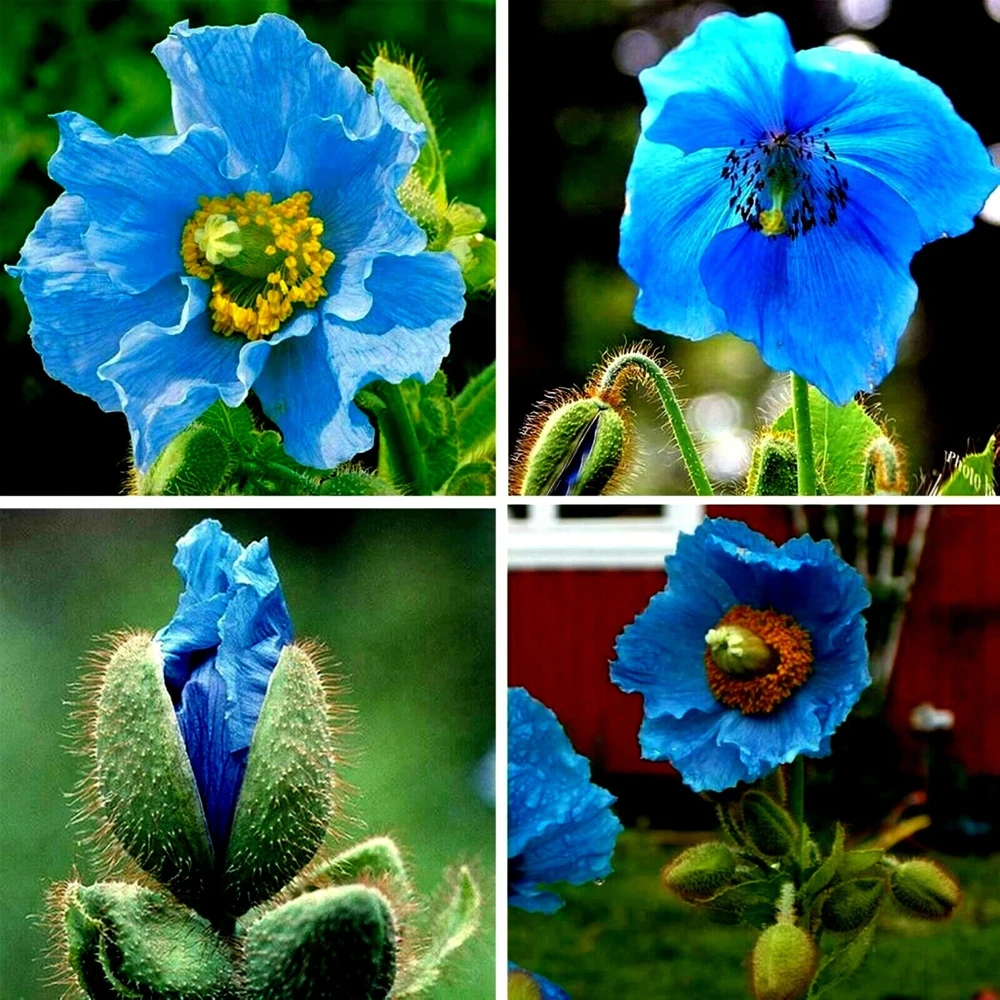
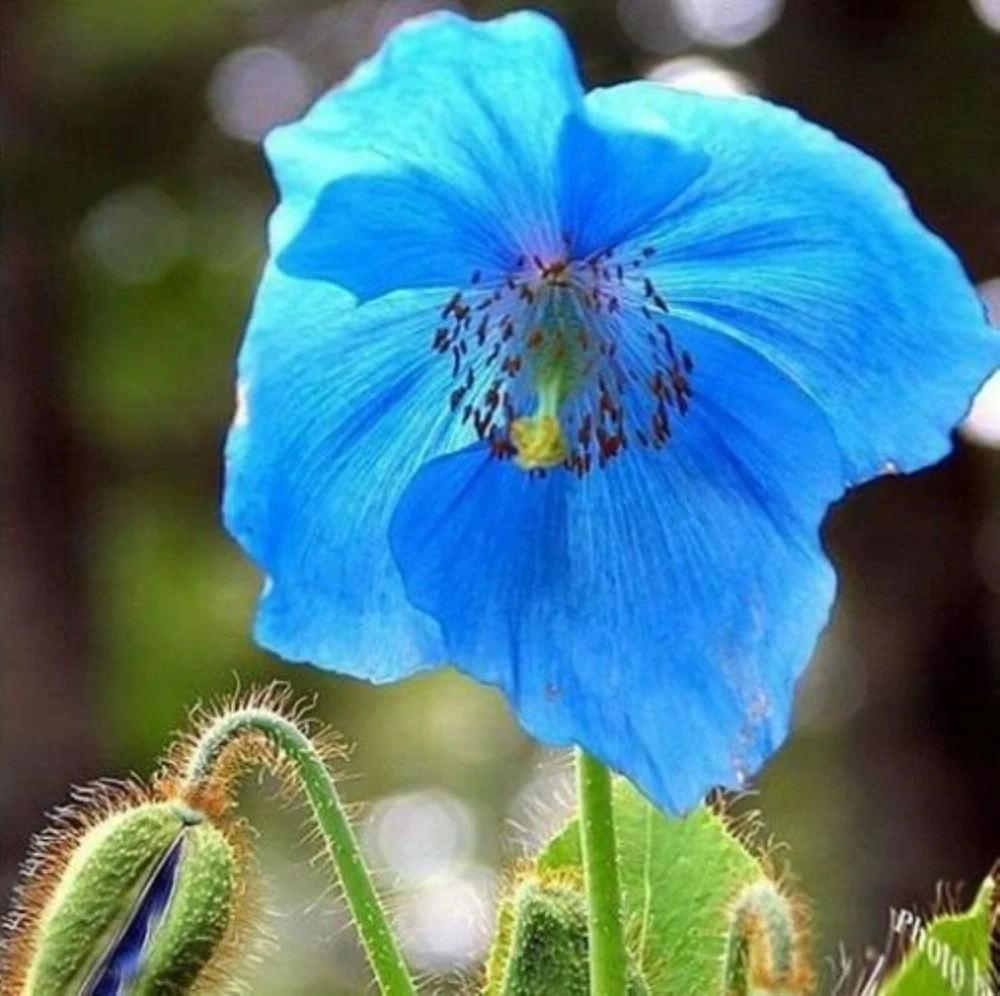
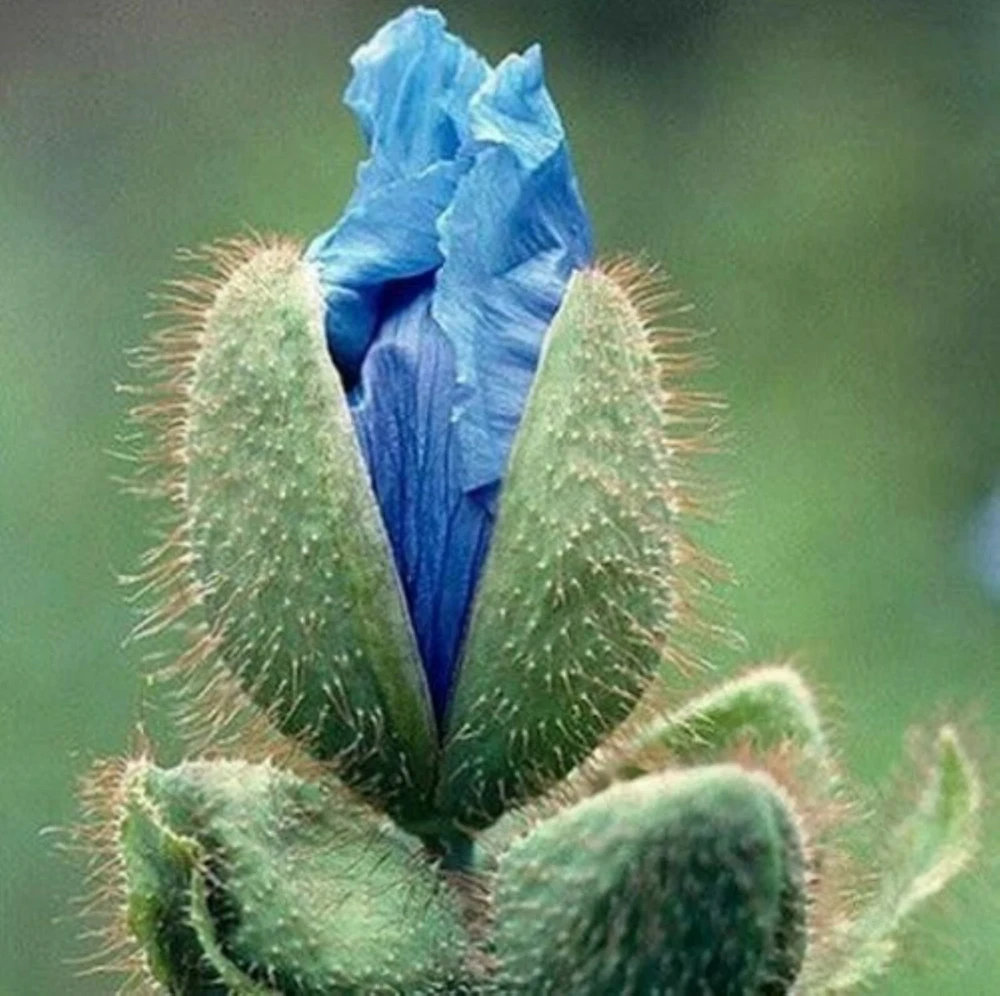
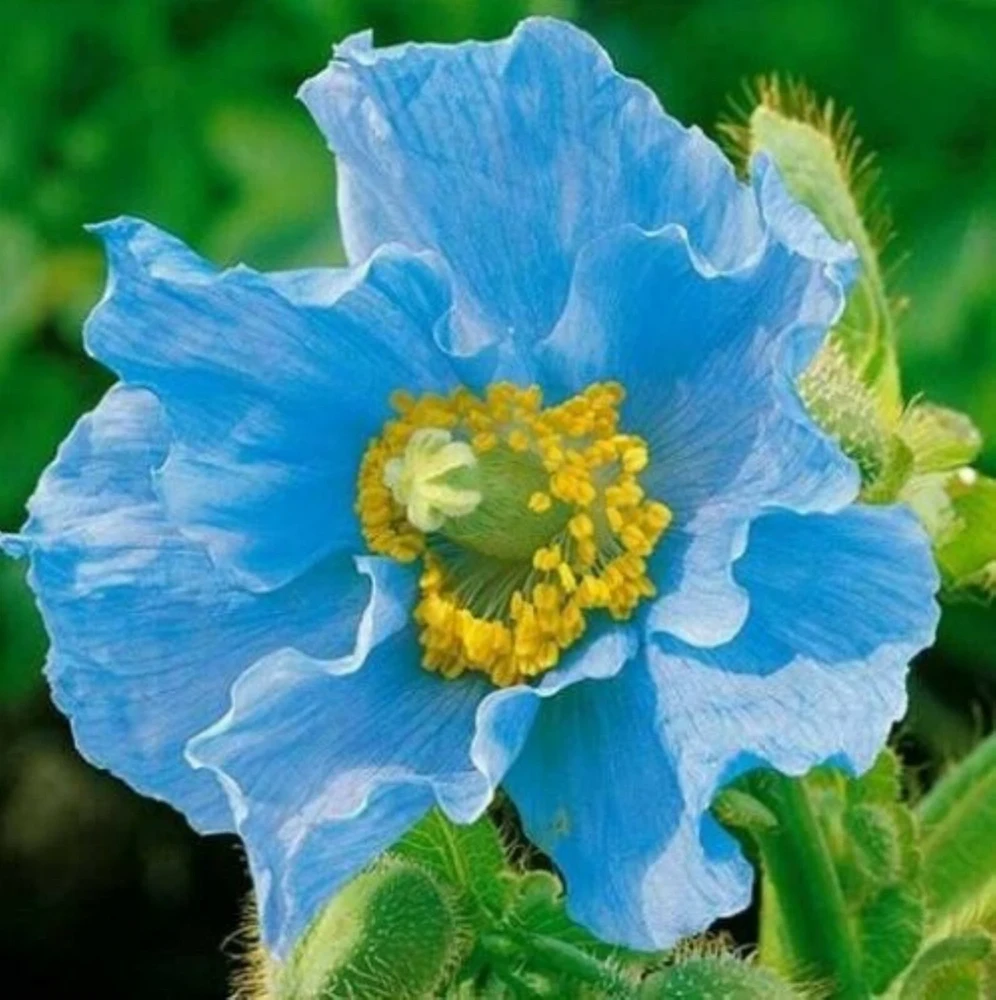
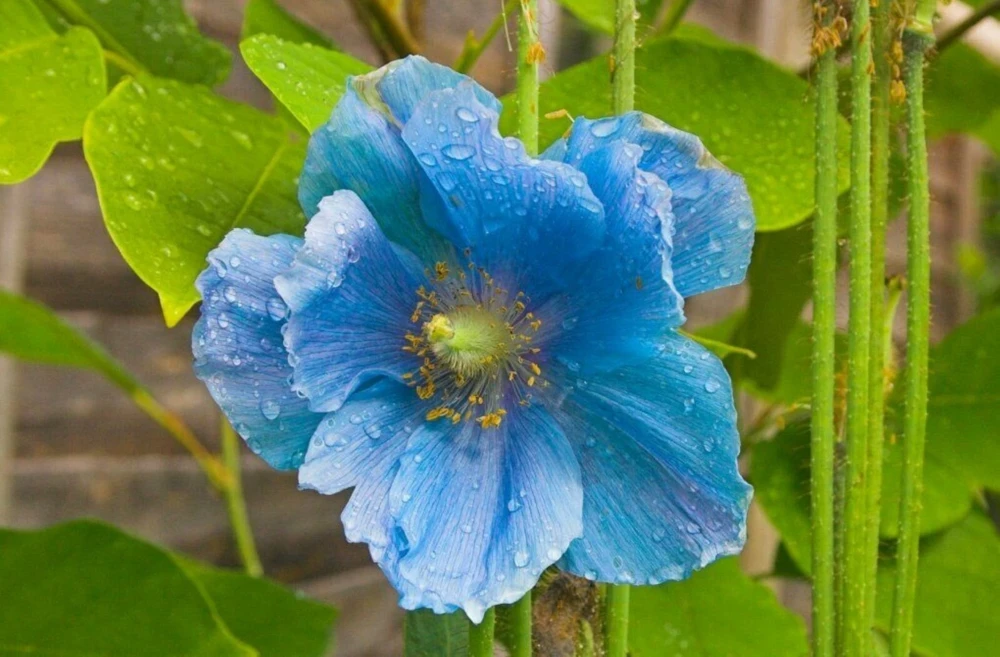
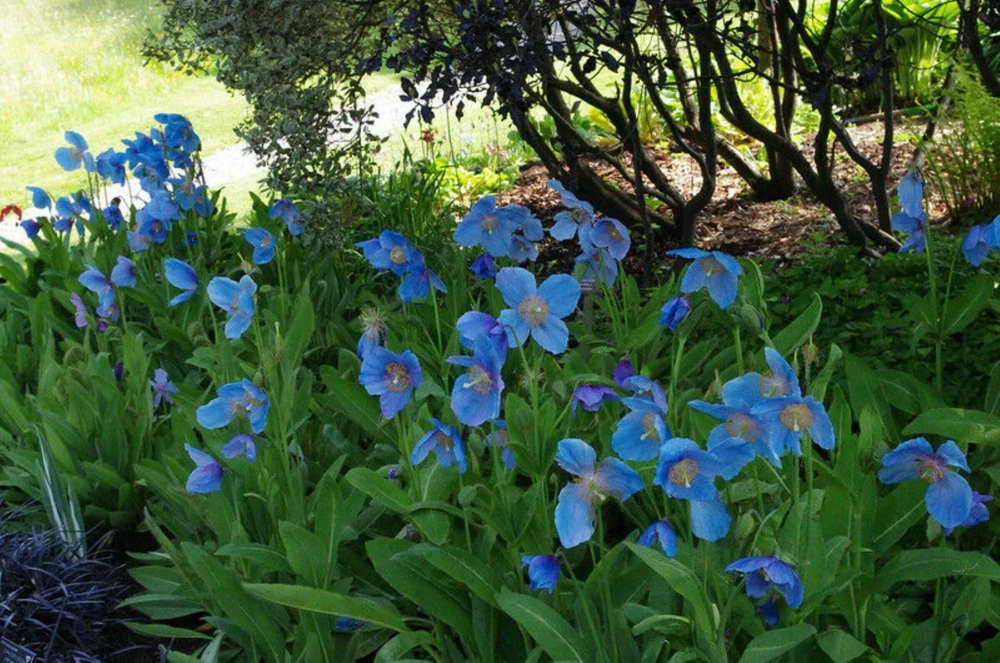
Himalayan Blue Poppy Seeds – Meconopsis Grandis – Perennial Flower Seeds – 50000 Seeds
From 11.60 $
Discover the beauty of the Himalayan Blue Poppy seeds, Meconopsis Grandis. These rare and vibrant blue perennial flower seeds will transform your garden into a magical landscape. Ideal for gardeners seeking unique and striking blooms.
Estimated arrival
Nov 27
Dec 02 - Dec 04
Dec 04 - Dec 09
See our Shipping Policy.
Get in touch with us via email, and our team will review your concerns.
Our Alive & Thrive Guarantee covers issues with your plants within the first 30 days. Read our Refund & Returns Policy.
-
USDA Hardiness Zone
USDA zones 3-7 -
Soil Type
Rich, well-draining, humus-rich, slightly acidic soil -
Sunlight Exposure
Partial shade to dappled sunlight -
Expected Planting Period
Late winter to early spring (after stratification)
Overview
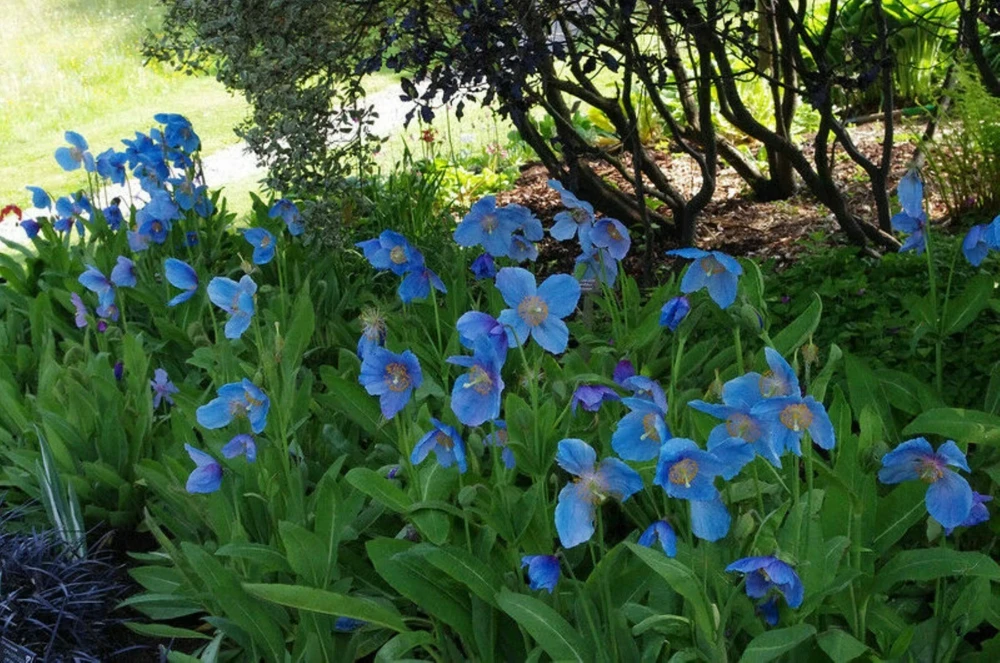
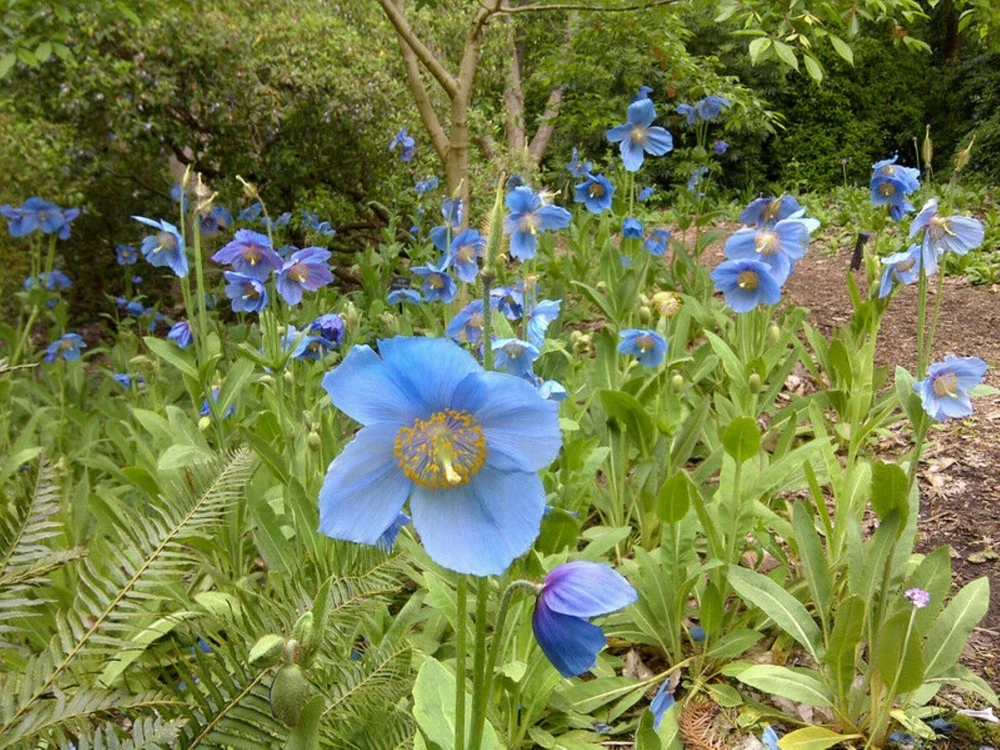
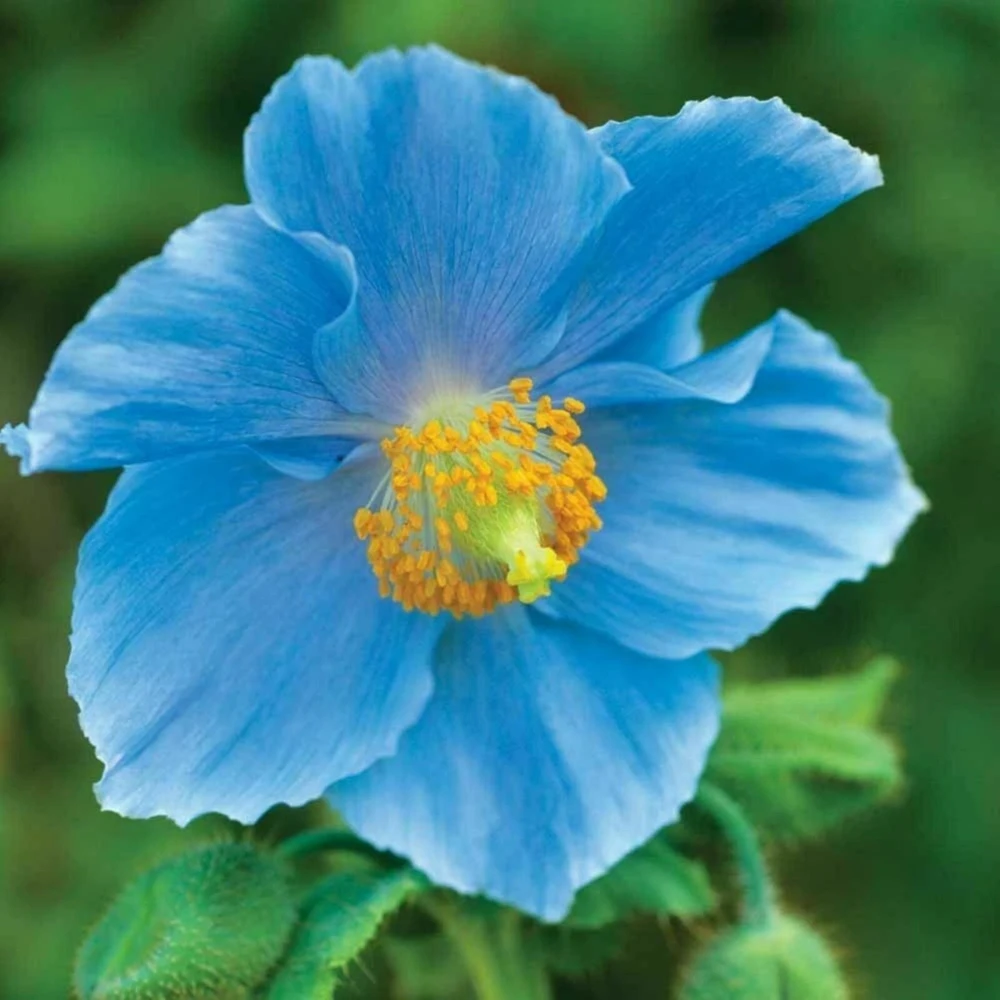
Introduce an unparalleled splash of color to your garden with Himalayan Blue Poppy seeds. These exquisite Meconopsis Grandis seeds are renowned for their breathtaking true blue petals, a rare and coveted hue in the botanical world. Originating from the elevated regions of the Himalayas, these perennial flowering plants bring an ethereal beauty and a touch of the exotic to any home garden. Cultivating these stunning flowers from seed offers a deeply rewarding experience, allowing you to witness the entire life cycle of one of nature’s most enchanting creations. Perfect for adding a focal point to shaded borders or woodland gardens, the Himalayan Blue Poppy seeds will flourish into magnificent blooms that captivate all who behold them. Embrace the challenge and joy of growing these iconic blue flowers.
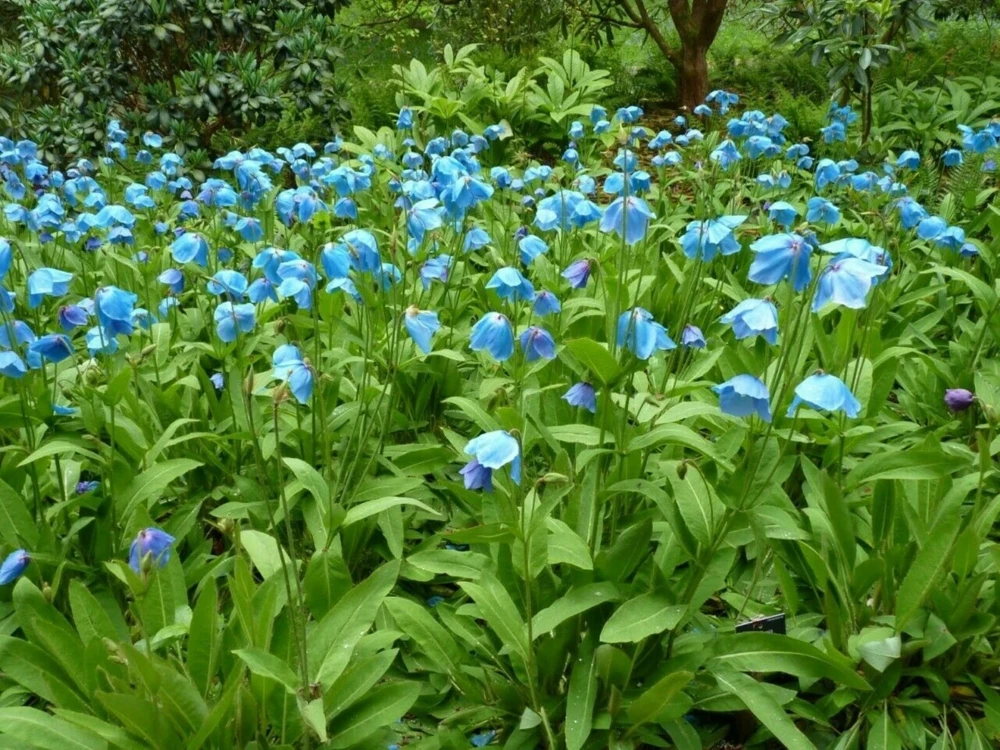
Each packet contains 50000 high-quality seeds, providing ample opportunity to establish a thriving patch of these extraordinary plants. The allure of the blue poppy lies not just in its color but also in its delicate, cup-shaped flowers that seem to glow with an inner light. These plants are a must-have for collectors and gardening enthusiasts who appreciate the unique and the spectacular. Prepare to be mesmerized by the delicate texture and vibrant coloration that only a true blue poppy perennial can offer.
Key Benefits
Cultivating Himalayan Blue Poppy seeds provides numerous benefits, not only for your garden’s aesthetic but also for your gardening journey:
- Stunning Visual Impact: The vibrant, true blue flowers of the Meconopsis Grandis are incredibly striking and rare, creating an unforgettable display in any garden setting. They draw the eye and become a natural focal point.
- Unique Garden Addition: These poppies are not commonly found in average gardens, making them a special and unique choice for enthusiasts looking to differentiate their landscape. Growing them from Meconopsis Grandis seeds allows for a greater sense of accomplishment.
- Perennial Beauty: As a blue poppy perennial, these plants return year after year, establishing larger and more impressive clumps over time, providing long-lasting beauty without annual replanting.
- Shade Garden Enhancement: Unlike many sun-loving flowers, Himalayan Blue Poppies thrive in partial shade, making them perfect for brightening up darker areas of your garden where other plants might struggle.
- Rewarding Growing Experience: Successfully growing these somewhat challenging but incredibly beautiful flowers from Himalayan Blue Poppy seeds is a deeply satisfying achievement for any gardener.
- Biodiversity Support: While not a primary pollinator plant, the unique blooms can attract curious garden visitors, contributing to overall garden biodiversity.
- Photogenic Qualities: Their distinct color and form make them a favorite among garden photographers, offering endless opportunities for stunning floral imagery.
Plant Care & Growing Tips
Mastering how to grow blue poppies requires attention to specific environmental conditions. Himalayan Blue Poppy seeds generally prefer a cool, moist climate, reminiscent of their native mountainous habitat. For optimal growth, sow seeds in late winter or early spring. They require a period of cold stratification to germinate effectively. You can achieve this by placing the seeds in a damp paper towel in a sealed bag within your refrigerator for 3-6 weeks before sowing.
When it comes to sunlight, these plants thrive in partial shade to dappled sunlight. Avoid harsh, direct afternoon sun, especially in warmer climates, as this can scorch the delicate foliage and flowers. An east-facing bed or an area under deciduous trees provides ideal conditions. The soil is another critical factor for successful cultivation of your blue poppy perennial. They prefer rich, well-draining, humus-rich soil with a slightly acidic to neutral pH (6.0-7.0). Incorporating plenty of organic matter, such as compost or leaf mold, will greatly benefit their growth and moisture retention.
Consistent moisture is key; the soil should remain evenly moist but never waterlogged. Regular watering, especially during dry spells, is essential. Fertilize sparingly with a balanced, slow-release granular fertilizer or a liquid feed at half strength during the growing season. Protect plants from strong winds which can damage their tall flower stalks. In regions with hot summers, providing extra shade and ensuring good air circulation can help prevent fungal issues. Understanding how to grow blue poppies in your specific climate is crucial for their long-term health and vibrant blooms.
Size & Details
These Himalayan Blue Poppy seeds will mature into impressive perennial plants, typically reaching a height of 2 to 4 feet (60-120 cm) with a spread of about 1 to 2 feet (30-60 cm) once established. The delicate, cup-shaped flowers, approximately 3-4 inches (7-10 cm) in diameter, appear on sturdy stalks above attractive rosettes of foliage. The seeds are shipped in a protective packet, ensuring their viability upon arrival. Expect germination to occur within 3-8 weeks after proper cold stratification. While the first year often focuses on foliage development, you can anticipate seeing the first magnificent blue blooms in the second year, with the plant becoming more robust and floriferous in subsequent years. This particular offering includes a substantial quantity of 50000 seeds, ideal for large-scale planting or for sharing with fellow gardening enthusiasts who wish to cultivate these rare beauties. These Meconopsis Grandis seeds offer a chance to create a truly spectacular garden feature.
Frequently Asked Questions
- Q: How big does this plant get? A: The Himalayan Blue Poppy perennial typically grows to a height of 2 to 4 feet (60-120 cm) with a spread of 1 to 2 feet (30-60 cm) at maturity, creating a substantial and eye-catching display in your garden.
- Q: Is this an indoor or outdoor plant? A: These are primarily outdoor plants, thriving in garden beds or woodland settings that mimic their natural alpine environment. They are not typically grown as indoor houseplants due to their specific light and temperature requirements.
- Q: How much sunlight does it need? A: Himalayan Blue Poppy seeds germinate best when planted in an area that receives partial shade to dappled sunlight. Avoid direct, intense afternoon sun, which can be too harsh for these delicate flowers.
- Q: Is this plant easy to care for? A: While not the easiest plant to grow, successfully cultivating Meconopsis Grandis seeds is very rewarding. They require specific conditions regarding soil, moisture, and light, making them best suited for intermediate to experienced gardeners.
- Q: What condition will the seeds arrive in? A: The Himalayan Blue Poppy seeds will arrive in a sealed, protective packet, ensuring they are fresh and viable for planting. They are carefully packaged to maintain their quality during transit.
- Q: How long until it blooms? A: After sowing, the plants typically establish their foliage in the first year. You can generally expect the first beautiful blue blooms to appear in the second year, with more prolific flowering in subsequent seasons as the plant matures.
- Q: Will it survive winter in my zone? A: The blue poppy perennial is hardy in USDA zones 3-7, provided it has consistent moisture and protection from harsh winter winds. Proper mulching can help protect the crowns in colder regions.
- Q: What’s the minimum temperature it can tolerate? A: These plants are quite cold-hardy and can tolerate temperatures well below freezing, especially when dormant. However, consistent moisture is crucial even in colder temperatures to prevent root desiccation.
- Q: Do these seeds require stratification? A: Yes, Himalayan Blue Poppy seeds benefit greatly from cold stratification to improve germination rates. This can be done by refrigerating the seeds in a moist medium for several weeks before sowing.
- Q: Can I grow these in containers? A: While possible, growing these plants in containers requires careful attention to watering and soil conditions to prevent drying out or waterlogging. Larger containers are preferable to accommodate their root system.
| Seeds option | 100 Seeds, 1000 Seeds, 10000Seeds, 2500Seeds, 500 Seeds, 50000Seeds, 5000Seeds, Sample Seed Pack (5 Seeds), Starter Seed Pack |
|---|
Be the first to review “Himalayan Blue Poppy Seeds – Meconopsis Grandis – Perennial Flower Seeds – 50000 Seeds”
Related products


You May Like

How to Grow Passion Flower (Passiflora) for Tropical Blooms
Few climbing vines in the home garden command attention quite like the exotic Passion Flower (Passiflora). [...]
Nov

Thanksgiving Cactus Care: How to Get Thanksgiving Cactus to Bloom
Is your Thanksgiving cactus growing well but not giving you any flowers? Maybe it looked [...]
Nov

How to Grow Garlic for a Bountiful Home Harvest
Garlic (Allium sativum) is one of the most satisfying, low-maintenance, and flavor-packed crops you can [...]
Oct

Hardneck vs. Softneck Garlic: Which Should You Grow?
Have you ever stood in front of a seed catalog in mid-September, staring at dozens [...]
1 Comment
Oct

When to Plant Music Garlic: Ultimate US Fall Guide
Have you ever spent your fall weekend placing carefully chosen garlic cloves into rich, dark [...]
1 Comment
Oct

5 Best Bulbs for Fall Planting: Brighten Your Garden This Spring
Are you dreaming of a garden full of vibrant colors in the spring? The key [...]
Aug

10 Houseplants That Will Thrive in Your Kitchen
Are you tired of your kitchen feeling dull and lifeless? Want to add a little [...]
1 Comment
Aug
Reviews
There are no reviews yet.