


200+ Blue Sage Seeds – Mosquito Repellent Herb Perennial Heirloom Outdoor
Original price was: 34.56 $.14.56 $Current price is: 14.56 $.
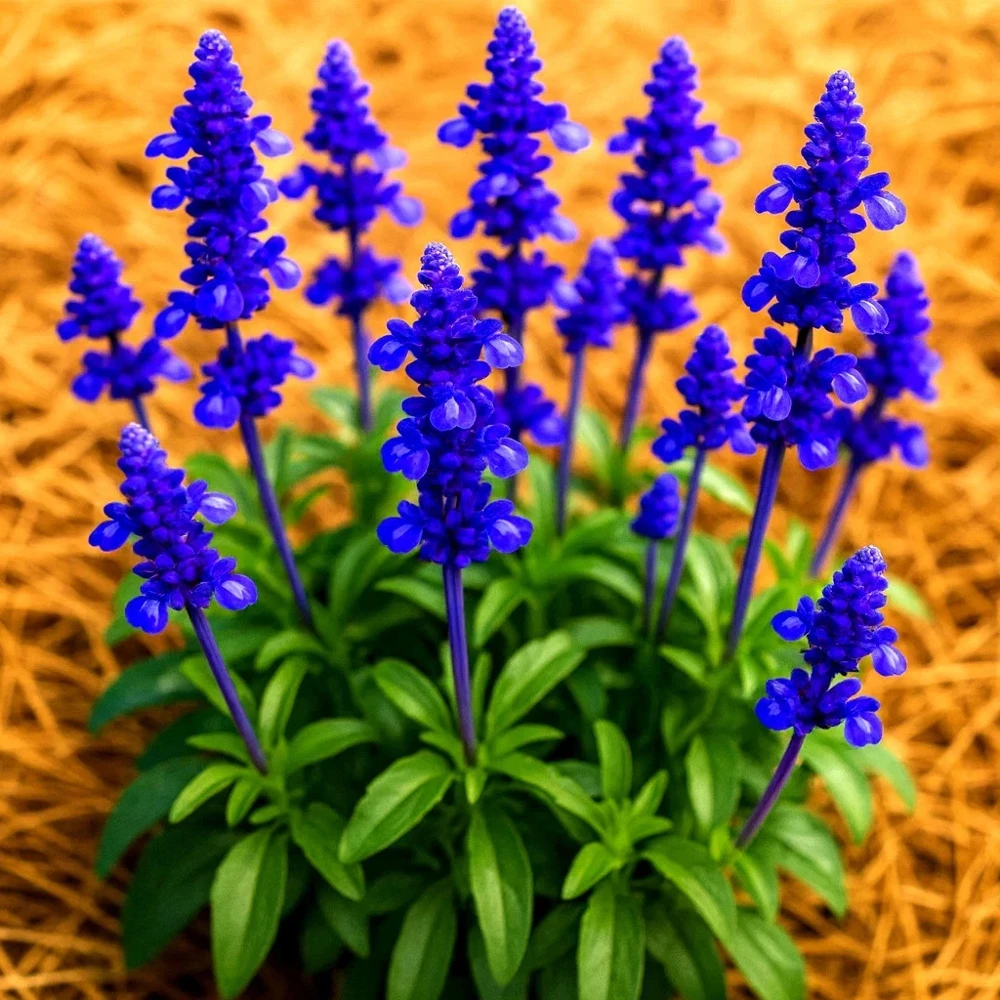
Cultivate natural pest control with these blue sage seeds. This easy-to-grow, heirloom perennial herb produces beautiful blue flowers and is known for its mosquito-repelling properties. Perfect for outdoor gardens and beneficial for pollinators.
Estimated arrival
Nov 27
Dec 02 - Dec 04
Dec 04 - Dec 09
See our Shipping Policy.
Get in touch with us via email, and our team will review your concerns.
Our Alive & Thrive Guarantee covers issues with your plants within the first 30 days. Read our Refund & Returns Policy.
-
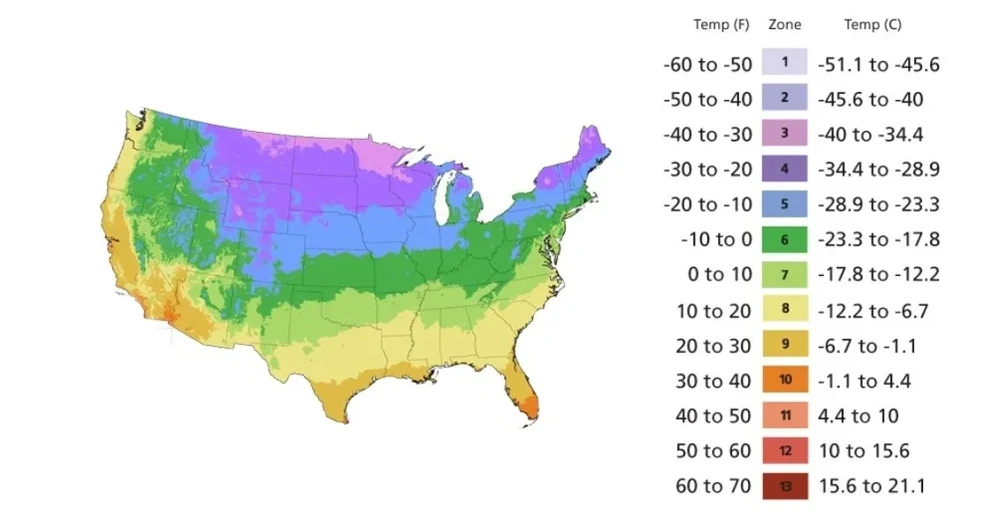
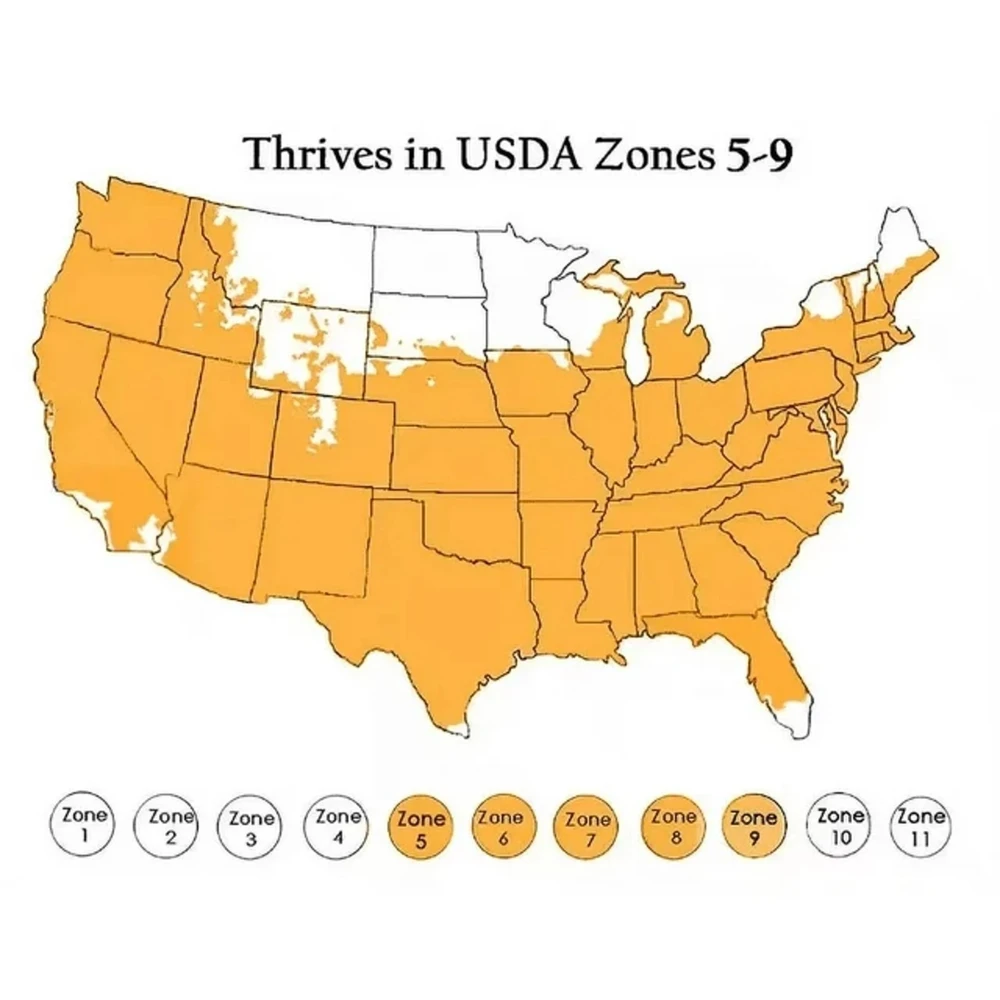
USDA Hardiness Zone
USDA Zones 5-9 -
Soil Type
Well-draining soil -
Sunlight Exposure
Full sun -
Expected Planting Period
Spring to early summer
Overview
Discover the beauty and utility of cultivating blue sage seeds in your garden. This packet contains over 200 heirloom seeds of this remarkable perennial herb, celebrated for its vibrant blue blooms and its natural ability to deter mosquitoes. Known botanically as Salvia farinacea, or Mealycup Sage, blue sage is a robust and attractive plant that adds both aesthetic appeal and practical benefits to any outdoor space. It’s an excellent choice for gardeners looking for a low-maintenance, drought-tolerant plant that contributes to a more pleasant outdoor environment by keeping unwanted insects at bay. Growing blue sage from seed is a rewarding experience, allowing you to establish a thriving patch of this beneficial herb.
These heirloom sage seeds ensure genetic purity and robust growth, providing you with healthy plants that will return year after year in suitable climates. Whether you’re an experienced gardener or just starting, these seeds offer a straightforward path to enjoying the many advantages of blue sage. Imagine enjoying evenings outdoors without the nuisance of mosquitoes, all thanks to the natural power of your garden. Embrace the opportunity to grow blue sage and enhance your landscape with its charming flowers and practical properties.
Key Benefits
The cultivation of blue sage seeds brings a multitude of advantages to your garden and home. This versatile plant offers more than just beauty, contributing significantly to a vibrant and healthy ecosystem.
- Natural Mosquito Repellent: One of the most sought-after benefits of blue sage is its natural ability to repel mosquitoes. The plant emits a scent that deters these pests, making your outdoor living spaces more enjoyable without the need for chemical sprays.
- Vibrant Blue Blooms: Enjoy stunning spikes of rich blue flowers that will add a splash of cool color to your garden from late spring through fall. These long-lasting blooms are a visual delight and attract beneficial insects.
- Attracts Pollinators: While repelling mosquitoes, blue sage is a magnet for bees, butterflies, and hummingbirds. It plays a crucial role in supporting local pollinator populations, which are vital for the health of your garden and ecosystem.
- Drought Tolerant: Once established, blue sage is highly drought-tolerant, making it an ideal choice for water-wise gardening and regions with limited rainfall. It requires minimal watering, saving you time and resources.
- Perennial Growth: As a perennial herb, blue sage returns year after year, providing continuous beauty and benefits with minimal effort. This makes it a cost-effective and sustainable addition to your landscape.
- Low Maintenance: This hardy plant is easy to care for, thriving in a variety of conditions and requiring little attention once established. It’s perfect for busy gardeners or those new to gardening.
- Heirloom Quality: These heirloom sage seeds produce plants with reliable characteristics and strong growth, ensuring you get the best quality blue sage for your garden.
Plant Care & Growing Tips
Successfully cultivating blue sage seeds into thriving plants is straightforward with the right approach. Grow blue sage in conditions that mimic its natural habitat for the best results. Start seeds indoors 6-8 weeks before the last frost date, or sow directly outdoors after all danger of frost has passed. Lightly cover the seeds with soil, as they need light to germinate. Maintain consistent moisture until germination occurs, which typically takes 10-21 days.
Blue sage thrives in full sun, meaning at least 6 hours of direct sunlight per day. While it can tolerate some partial shade, abundant sunshine promotes the best flowering and strongest mosquito-repelling properties. The plant prefers well-draining soil and is adaptable to various soil types, including sandy or loamy compositions. Once established, blue sage is notably drought-tolerant, requiring infrequent watering. Overwatering should be avoided, as it can lead to root rot. For optimal growth, fertilize sparingly with a balanced, slow-release granular fertilizer in spring. Deadheading spent flowers can encourage more blooms and a tidier appearance. This perennial herb is generally hardy in USDA Zones 5-9, but can be grown as an annual in colder climates. Understanding how to grow blue sage effectively ensures a beautiful and functional addition to your garden.
When considering mosquito repellent plants, blue sage stands out for its effectiveness and ease of care. Proper spacing of plants, about 12-18 inches apart, ensures good air circulation and prevents overcrowding. While generally pest-resistant, keep an eye out for common garden pests, and address them with organic solutions if necessary. With these simple tips, your perennial herb seeds will flourish, providing a season-long display of blue flowers and natural pest deterrence.
Size & Details
This offering includes a generous packet containing over 200 blue sage seeds, providing ample opportunity to establish a robust and beautiful sage patch. Once mature, blue sage plants typically reach a height of 18-36 inches with a spread of 12-24 inches, forming an attractive, upright clump. The growth rate is moderate, with plants generally reaching their full size and beginning to flower in their first season when grown from seed. These heirloom sage seeds ensure you are planting a variety known for its reliability and vigorous growth.
The seeds are ready for planting in a variety of climates, thriving outdoors in gardens, borders, and containers. Expect vibrant blue flower spikes that bloom profusely, adding significant visual interest. The packet provides sufficient seeds for multiple plantings or for cultivating a large area dedicated to these wonderful mosquito repellent plants. The plants will typically ship as a seed packet, ready for you to begin your gardening journey.
Frequently Asked Questions
- Q: How big does this blue sage plant get? A: Blue sage typically grows to a height of 18-36 inches (45-90 cm) and spreads about 12-24 inches (30-60 cm) wide. Its upright growth habit makes it suitable for various garden settings.
- Q: What size pot is best for growing blue sage from these seeds? A: For starting your blue sage seeds indoors, use seed-starting trays or small pots. Once seedlings are established, transplant them into larger containers (at least 6-8 inches in diameter) or directly into your garden.
- Q: Is this an indoor or outdoor plant? A: Blue sage is primarily an outdoor plant, thriving in garden beds, borders, and outdoor containers. While it can be brought indoors for winter in colder climates, it generally performs best outdoors.
- Q: How much sunlight does blue sage need? A: Blue sage requires full sun, meaning it needs at least 6 hours of direct sunlight per day to achieve optimal growth and flowering. It can tolerate some partial shade but may have fewer blooms.
- Q: Is this plant easy to care for? A: Yes, blue sage is considered a low-maintenance plant, especially once established. It is drought-tolerant and generally resistant to pests and diseases, making it a great choice for beginners and busy gardeners looking to grow blue sage.
- Q: What condition will the blue sage seeds arrive in? A: The product will arrive as a packet of high-quality heirloom sage seeds, ready for you to plant. We ensure careful packaging to protect the seeds during transit.
- Q: How long until blue sage blooms from seed? A: When started early indoors, blue sage can begin to bloom in its first growing season, typically within 3-4 months after germination. Outdoor direct sowing may result in blooms later in the season.
- Q: When is the best time to plant these perennial herb seeds? A: For best results, sow blue sage seeds indoors 6-8 weeks before the last expected frost, or directly outdoors after all danger of frost has passed in spring.
- Q: Will blue sage survive winter in my zone? A: Blue sage is a perennial in USDA Hardiness Zones 5-9. In these zones, it will typically die back in winter and regrow from the roots in spring. In colder zones, it can be grown as an annual.
- Q: What’s the minimum temperature blue sage can tolerate? A: Established blue sage plants can tolerate temperatures down to about -20°F (-29°C) in Zone 5. However, young seedlings are more sensitive to frost and cold temperatures.
Be the first to review “200+ Blue Sage Seeds – Mosquito Repellent Herb Perennial Heirloom Outdoor”
Related products


Herb Seeds
500 English Lavender Vera Seeds – Lavandula Angustifolia – Fragrant Purple Flower Herb – Outdoor


You May Like

How to Grow Passion Flower (Passiflora) for Tropical Blooms
Few climbing vines in the home garden command attention quite like the exotic Passion Flower (Passiflora). [...]
Nov

Thanksgiving Cactus Care: How to Get Thanksgiving Cactus to Bloom
Is your Thanksgiving cactus growing well but not giving you any flowers? Maybe it looked [...]
Nov

How to Grow Garlic for a Bountiful Home Harvest
Garlic (Allium sativum) is one of the most satisfying, low-maintenance, and flavor-packed crops you can [...]
Oct

Hardneck vs. Softneck Garlic: Which Should You Grow?
Have you ever stood in front of a seed catalog in mid-September, staring at dozens [...]
1 Comment
Oct

When to Plant Music Garlic: Ultimate US Fall Guide
Have you ever spent your fall weekend placing carefully chosen garlic cloves into rich, dark [...]
1 Comment
Oct

5 Best Bulbs for Fall Planting: Brighten Your Garden This Spring
Are you dreaming of a garden full of vibrant colors in the spring? The key [...]
Aug

10 Houseplants That Will Thrive in Your Kitchen
Are you tired of your kitchen feeling dull and lifeless? Want to add a little [...]
1 Comment
Aug
Reviews
There are no reviews yet.