




100 California Giant Zinnia Seeds – Non-GMO Heirloom Flower Seeds for Gardens
Original price was: 31.81 $.11.81 $Current price is: 11.81 $.
Cultivate a breathtaking garden with California Giant Zinnia seeds. These 100 non-GMO, heirloom seeds produce spectacular, large blooms, perfect for cutting gardens and vibrant landscapes. Easy to grow and a favorite of pollinators.
Estimated arrival
Nov 29
Dec 04 - Dec 06
Dec 06 - Dec 11
See our Shipping Policy.
Get in touch with us via email, and our team will review your concerns.
Our Alive & Thrive Guarantee covers issues with your plants within the first 30 days. Read our Refund & Returns Policy.
-
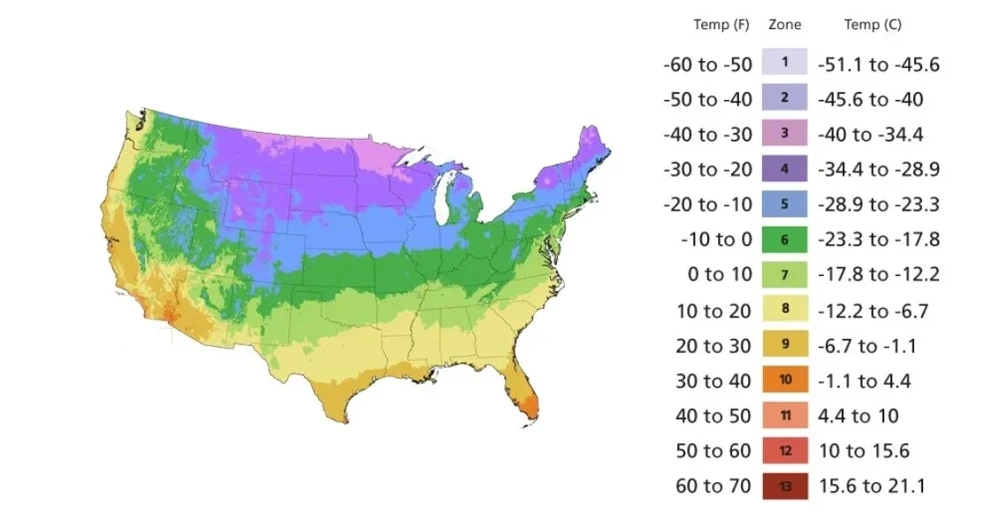
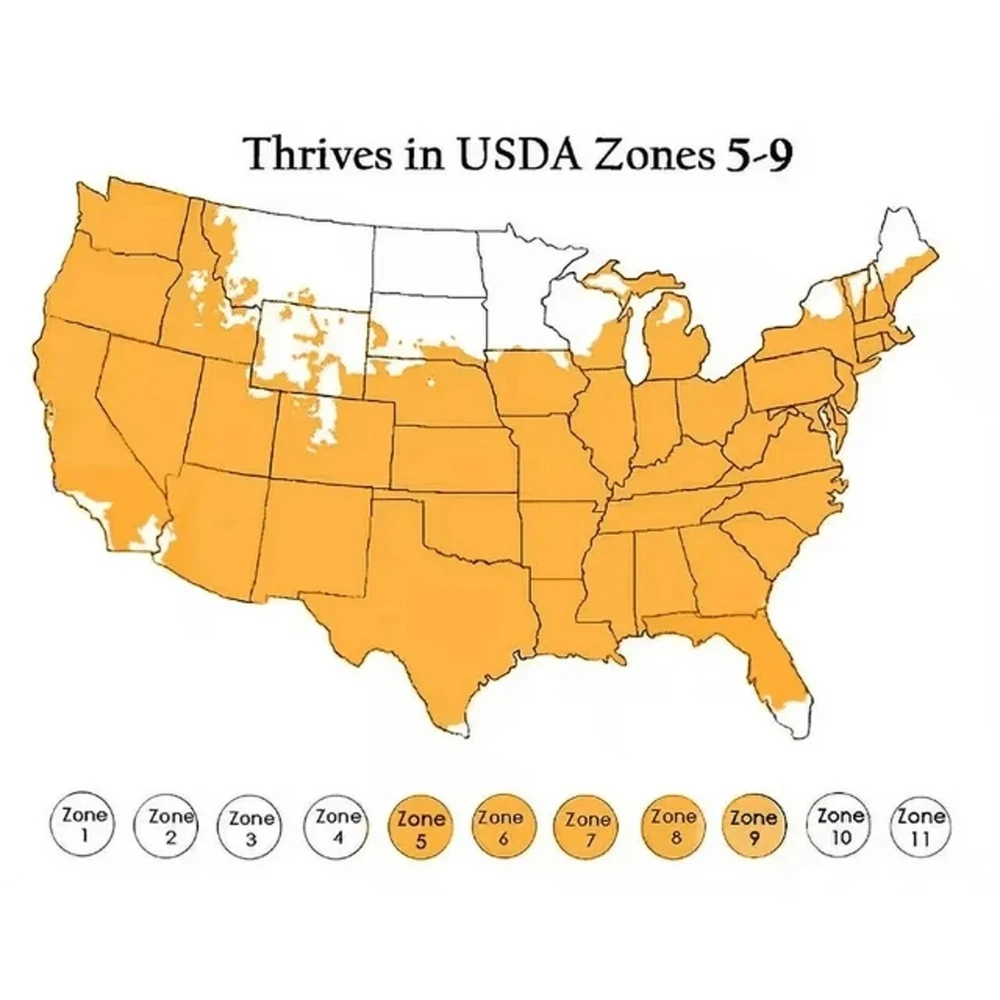
USDA Hardiness Zone
Annual, grown in all zones during warm season -
Soil Type
Well-draining, rich in organic matter -
Sunlight Exposure
Full sun (6-8 hours daily) -
Expected Planting Period
Spring to early summer, after last frost
Overview
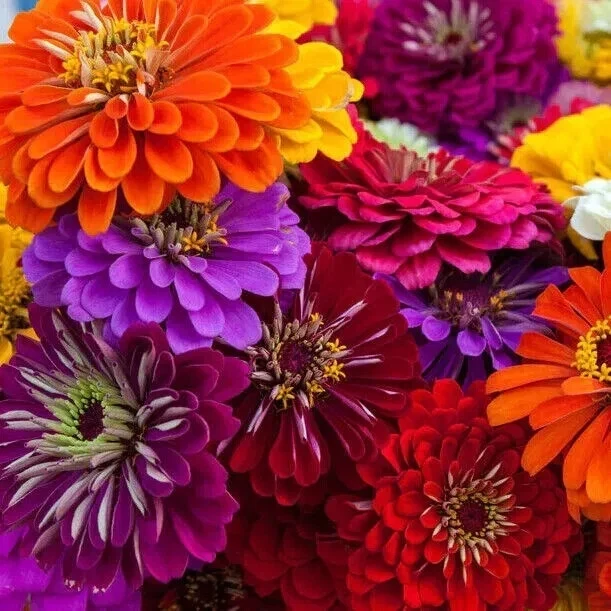
Transform your garden into a kaleidoscope of color with 100 California Giant Zinnia seeds. These premium, non-GMO, heirloom flower seeds are renowned for producing exceptionally large, double blooms that can reach impressive sizes, making them a stunning focal point in any landscape. California Giant Zinnia seeds are a fantastic choice for gardeners looking to add bold, vibrant hues and a classic garden feel. With their robust growth and dazzling array of colors, these zinnias, botanically known as Zinnia elegans, are a favorite for cutting gardens, borders, and attracting beneficial pollinators like butterflies and bees. Each packet contains 100 high-quality seeds, ensuring a bountiful harvest of beautiful flowers.
Growing zinnia flower seeds is a rewarding experience, suitable for both novice and experienced gardeners. The California Giant variety is particularly celebrated for its impressive stature and prolific blooming, offering continuous color throughout the summer and fall. These hardy annuals thrive in sunny conditions and are relatively low-maintenance, providing maximum impact with minimal effort. If you’re wondering how to grow zinnias that truly stand out, selecting the California Giant variety is an excellent first step towards achieving a spectacular floral display.
Key Benefits
Planting California Giant Zinnia seeds offers numerous advantages for your garden and local ecosystem. These magnificent flowers bring a wealth of beauty and ecological benefits:
- Spectacular Blooms: Produces very large, vibrant, double flowers in a wide array of colors, creating a dramatic visual impact in any garden setting. These are ideal for gardeners seeking impressive floral displays.
- Excellent Cut Flowers: The long, sturdy stems and long-lasting blooms make these zinnias perfect for fresh cut flower arrangements, bringing garden beauty indoors. They maintain their freshness for an extended period after cutting.
- Attracts Pollinators: A magnet for butterflies, bees, and other beneficial pollinators, contributing to the health and biodiversity of your garden ecosystem. They provide a vital food source during their long blooming season.
- Easy to Grow: Known for their resilience and adaptability, these heirloom zinnia seeds are simple to sow and maintain, making them an excellent choice for gardeners of all skill levels. They germinate quickly and grow vigorously.
- Long Blooming Season: Enjoy continuous blooms from early summer until the first frost, providing extended color and interest in your garden. Regular deadheading encourages even more flower production.
- Drought Tolerant: Once established, California Giant Zinnias are relatively drought-tolerant, requiring less frequent watering compared to other flowering plants, making them suitable for various climates.
- Non-GMO & Heirloom: These non-GMO zinnia seeds are open-pollinated heirloom varieties, preserving genetic diversity and allowing you to save seeds for future seasons. This ensures consistent quality and characteristics.
Plant Care & Growing Tips
Successfully growing California Giant Zinnia seeds requires attention to a few key factors to ensure robust plants and abundant blooms. Zinnias are annuals, meaning they complete their life cycle in one growing season. Start seeds indoors 4-6 weeks before the last frost date for earlier blooms, or direct sow outdoors after all danger of frost has passed and soil temperatures are consistently above 60°F (15°C). Plant seeds about 1/4 inch deep and 6-12 inches apart, or closer if you plan to thin them later. Ensure good air circulation to prevent fungal diseases.
Sunlight requirements: Zinnias thrive in full sun, needing at least 6-8 hours of direct sunlight per day to produce their best blooms. Insufficient light can lead to leggy growth and fewer flowers. Watering schedule: Water deeply and regularly, especially during dry periods, but avoid overhead watering to minimize leaf spot diseases. Allow the top inch of soil to dry out between waterings. Soil type: They prefer well-draining soil with a pH between 6.0 and 7.0. Amend heavy clay soils with compost to improve drainage. Temperature range: Zinnias are warm-season flowers and are sensitive to frost. They perform best in temperatures between 70-85°F (21-29°C). Fertilization: A balanced granular fertilizer can be incorporated into the soil at planting time, or a liquid feed every 2-4 weeks during the growing season can promote vigorous growth and blooming. Deadhead spent flowers regularly to encourage new blooms and extend the flowering season. Watch out for common pests like aphids and powdery mildew, treating with organic solutions if necessary. Understanding how to grow zinnias effectively involves consistent care and monitoring.
Size & Details
This packet contains 100 California Giant Zinnia seeds, providing ample opportunity to cultivate a vibrant and expansive display. These particular zinnias are known for their impressive size, with mature plants typically reaching heights of 24-48 inches (60-120 cm) and spreading 12-18 inches (30-45 cm) wide. The double blooms themselves can be quite large, often measuring 4-6 inches (10-15 cm) in diameter, showcasing a stunning variety of colors from bright reds, oranges, and yellows to pinks, purples, and whites. The seeds are shipped in a protective packet, ready for planting. With proper care, you can expect these flowers to begin blooming approximately 60-70 days after planting, providing continuous color throughout the summer and into the fall until the first hard frost. These heirloom zinnia seeds ensure true-to-type blooms year after year.
Frequently Asked Questions
- Q: How big do these California Giant Zinnias get? A: California Giant Zinnia seeds typically grow into plants that reach heights of 24-48 inches (60-120 cm) and spread 12-18 inches (30-45 cm) wide. The individual blooms are also quite large, often 4-6 inches in diameter.
- Q: Are these suitable for indoor or outdoor growing? A: These zinnia flower seeds are primarily grown outdoors in garden beds, borders, or large containers. While you can start them indoors, they are not typically grown as indoor houseplants due to their size and light requirements.
- Q: How much sunlight do California Giant Zinnias need? A: For the best growth and most abundant blooms, California Giant Zinnias require full sun, meaning at least 6-8 hours of direct sunlight per day. Adequate sunlight is crucial for healthy development.
- Q: Are these seeds non-GMO and heirloom? A: Yes, these are non-GMO zinnia seeds and are heirloom quality, meaning they are open-pollinated and will produce plants true to type, allowing you to save seeds for future seasons.
- Q: When is the best time to plant California Giant Zinnia seeds? A: The best time to plant these heirloom zinnia seeds directly outdoors is after all danger of frost has passed in your area and soil temperatures are consistently warm. For earlier blooms, you can start them indoors 4-6 weeks before the last frost.
- Q: How long does it take for these zinnias to bloom? A: From the time of planting, you can typically expect these California Giant Zinnia seeds to begin blooming in approximately 60-70 days, providing a continuous show of color throughout the growing season.
- Q: Are these zinnias good for attracting pollinators? A: Absolutely! California Giant Zinnias are known for their vibrant colors and nectar-rich flowers, making them highly attractive to butterflies, bees, and other beneficial pollinators, which helps support garden biodiversity.
- Q: What kind of soil do these zinnias prefer? A: These zinnias thrive in well-draining soil that is rich in organic matter. A slightly acidic to neutral pH (6.0-7.0) is ideal for optimal growth and flowering.
- Q: Is it easy to save seeds from these plants? A: Yes, because they are an heirloom variety, it is relatively easy to save seeds from your mature non-GMO zinnia plants. Allow the flower heads to dry completely on the plant before collecting the seeds.
- Q: What is the USDA hardiness zone for these zinnias? A: As annuals, zinnias are typically grown in all USDA zones during their active growing season. They are not frost-tolerant and will die back with the first hard frost.
Be the first to review “100 California Giant Zinnia Seeds – Non-GMO Heirloom Flower Seeds for Gardens”
Related products


Flower Seeds
Blue Stock Matthiola Incana Seeds – 50 Fragrant Gillyflower Seeds – Ten-Week Blue Stock

You May Like

How to Grow Passion Flower (Passiflora) for Tropical Blooms
Few climbing vines in the home garden command attention quite like the exotic Passion Flower (Passiflora). [...]
Nov

Thanksgiving Cactus Care: How to Get Thanksgiving Cactus to Bloom
Is your Thanksgiving cactus growing well but not giving you any flowers? Maybe it looked [...]
Nov

How to Grow Garlic for a Bountiful Home Harvest
Garlic (Allium sativum) is one of the most satisfying, low-maintenance, and flavor-packed crops you can [...]
Oct

Hardneck vs. Softneck Garlic: Which Should You Grow?
Have you ever stood in front of a seed catalog in mid-September, staring at dozens [...]
1 Comment
Oct

When to Plant Music Garlic: Ultimate US Fall Guide
Have you ever spent your fall weekend placing carefully chosen garlic cloves into rich, dark [...]
1 Comment
Oct

5 Best Bulbs for Fall Planting: Brighten Your Garden This Spring
Are you dreaming of a garden full of vibrant colors in the spring? The key [...]
Aug

10 Houseplants That Will Thrive in Your Kitchen
Are you tired of your kitchen feeling dull and lifeless? Want to add a little [...]
1 Comment
Aug
Reviews
There are no reviews yet.