
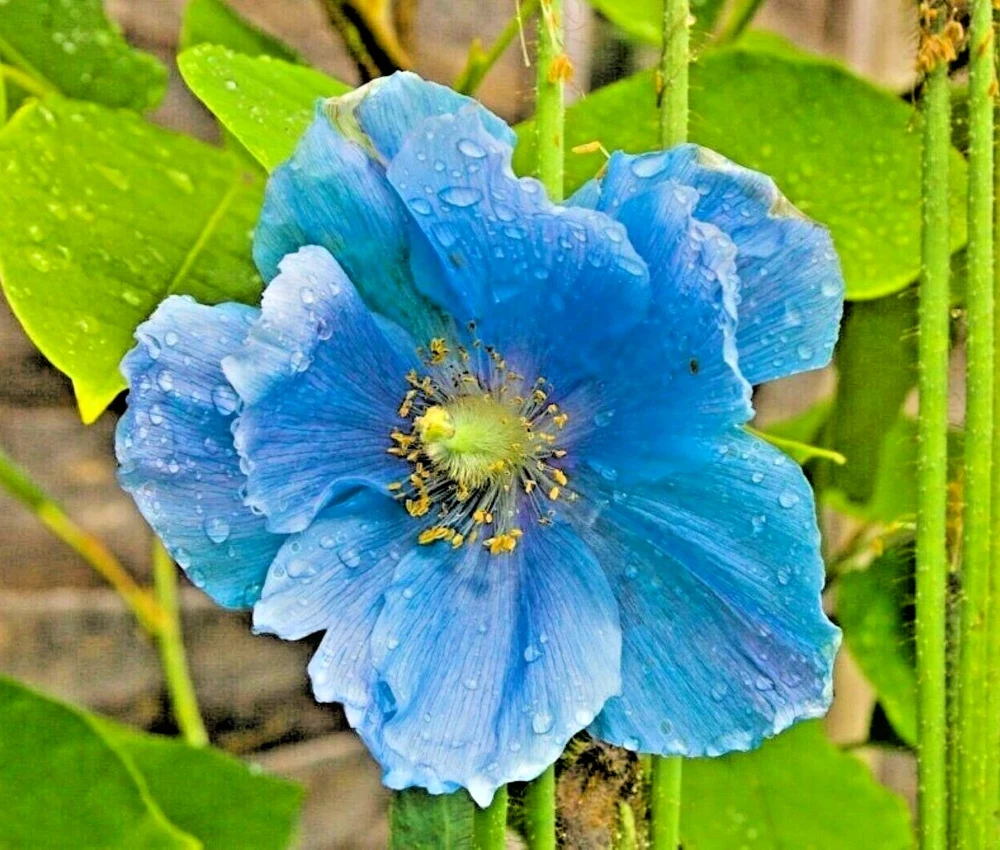
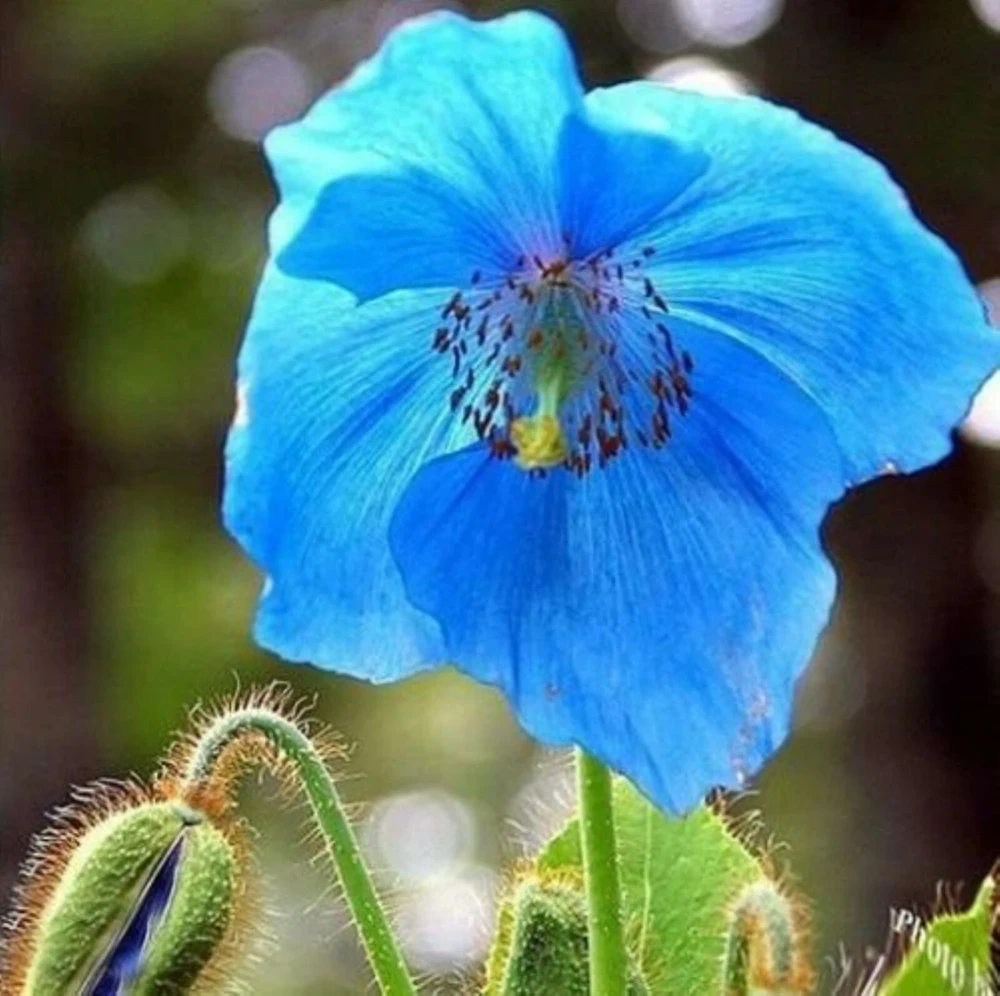
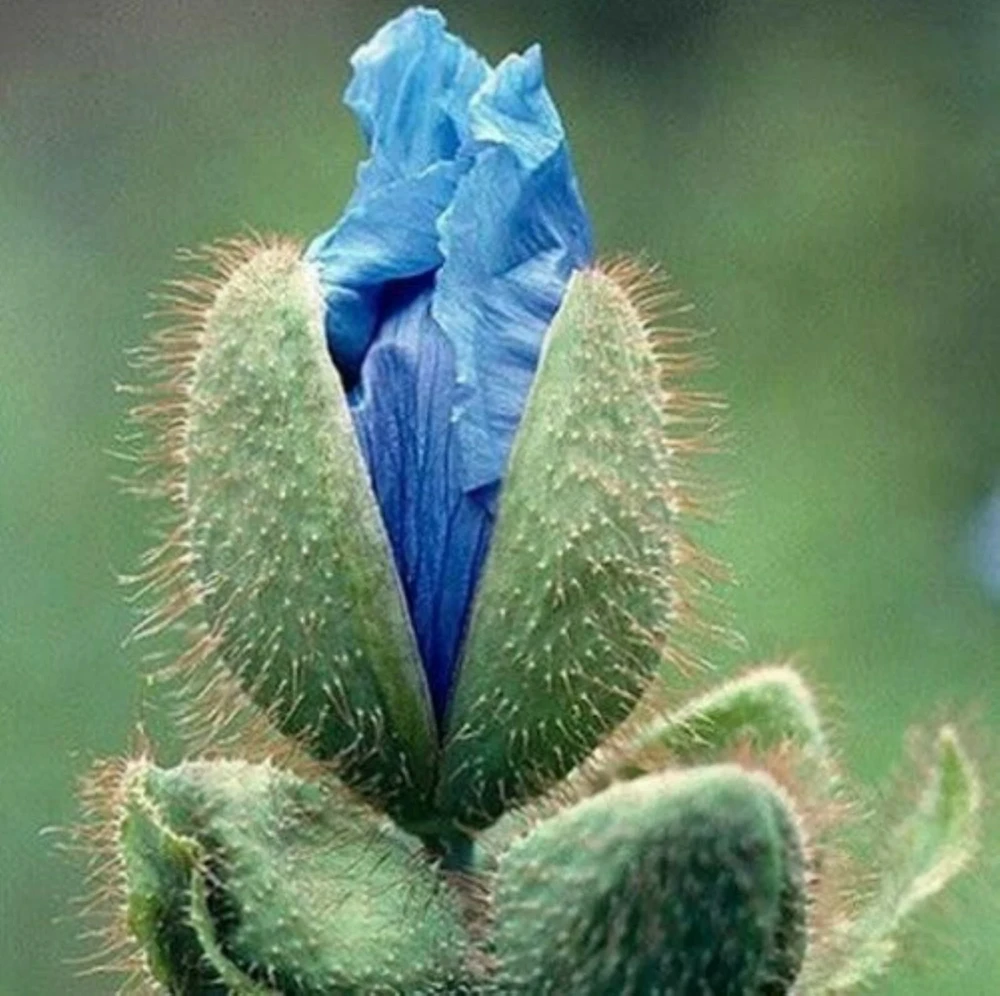
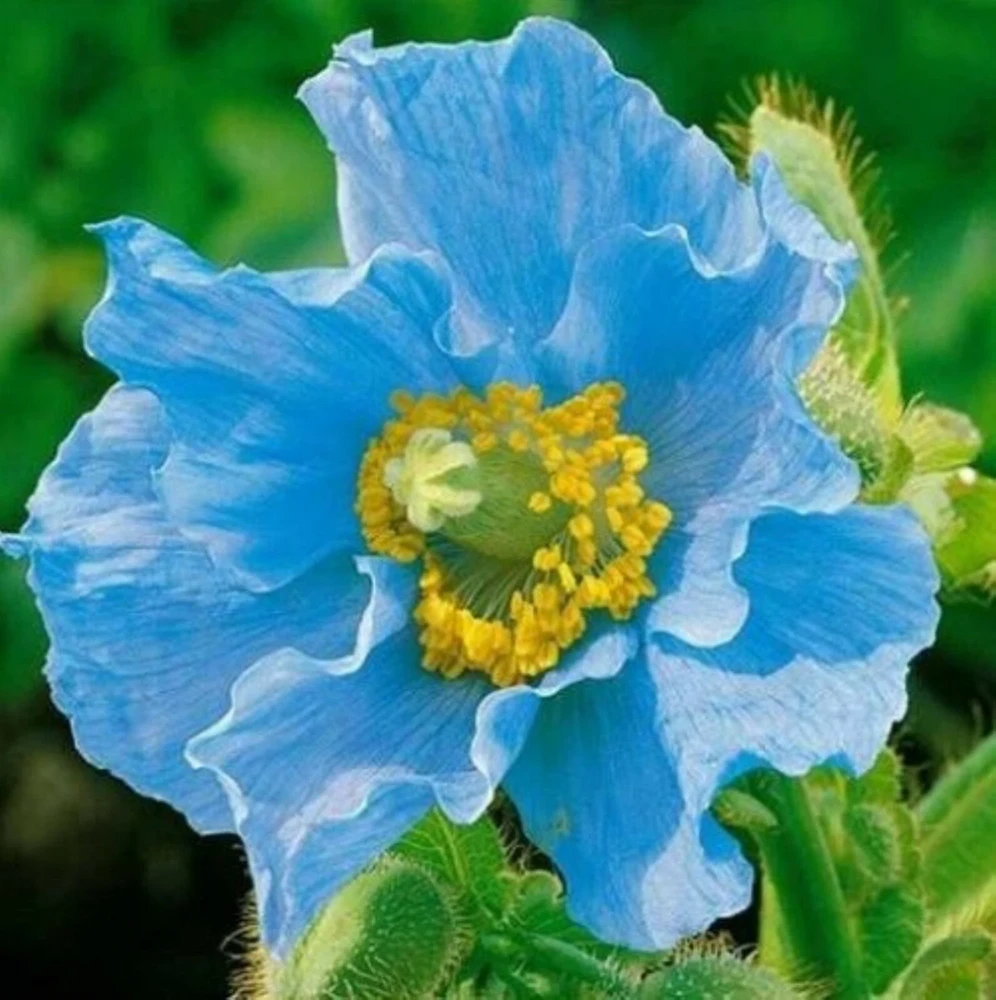
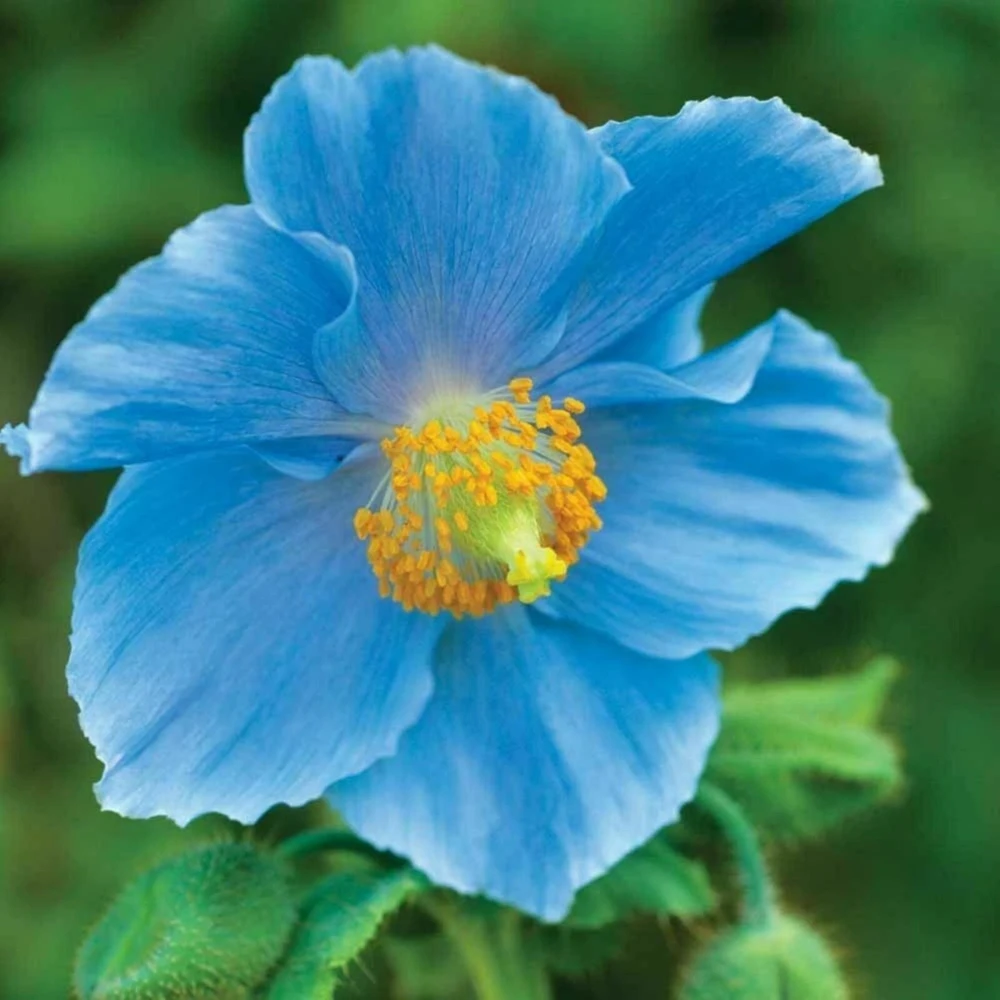

Himalayan Blue Poppy Meconopsis Seeds – 1000 Count Perennial Flowers
Original price was: 34.56 $.14.56 $Current price is: 14.56 $.
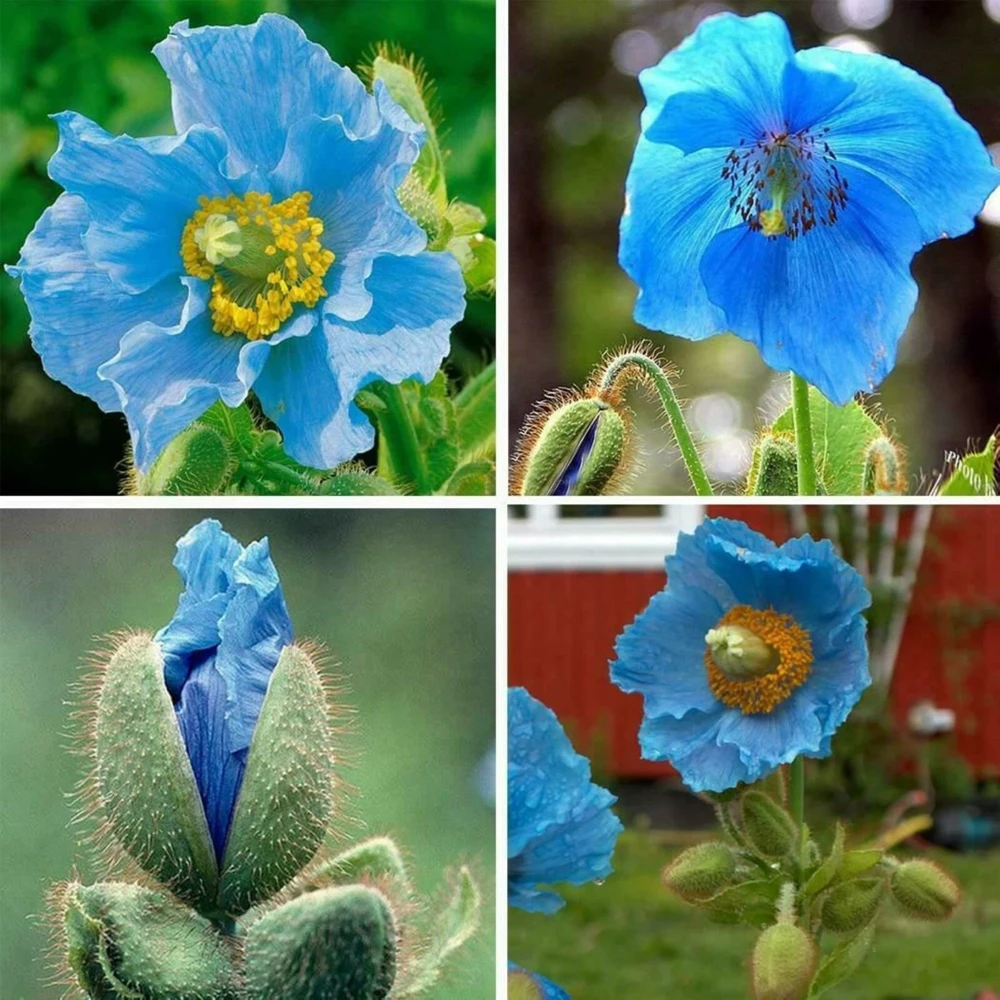
Cultivate the legendary beauty of the Himalayan Blue Poppy seeds (Meconopsis grandis). This packet contains 1000 Meconopsis seeds, offering a generous supply to establish these captivating perennial flowers in your garden. Known for their vibrant blue petals, these plants create a truly enchanting display.
Estimated arrival
Nov 27
Dec 02 - Dec 04
Dec 04 - Dec 09
See our Shipping Policy.
Get in touch with us via email, and our team will review your concerns.
Our Alive & Thrive Guarantee covers issues with your plants within the first 30 days. Read our Refund & Returns Policy.
-
USDA Hardiness Zone
USDA Zones 3-7 -
Soil Type
Humus-rich, well-draining, slightly acidic soil -
Sunlight Exposure
Partial shade -
Expected Planting Period
Late winter to early spring
Overview
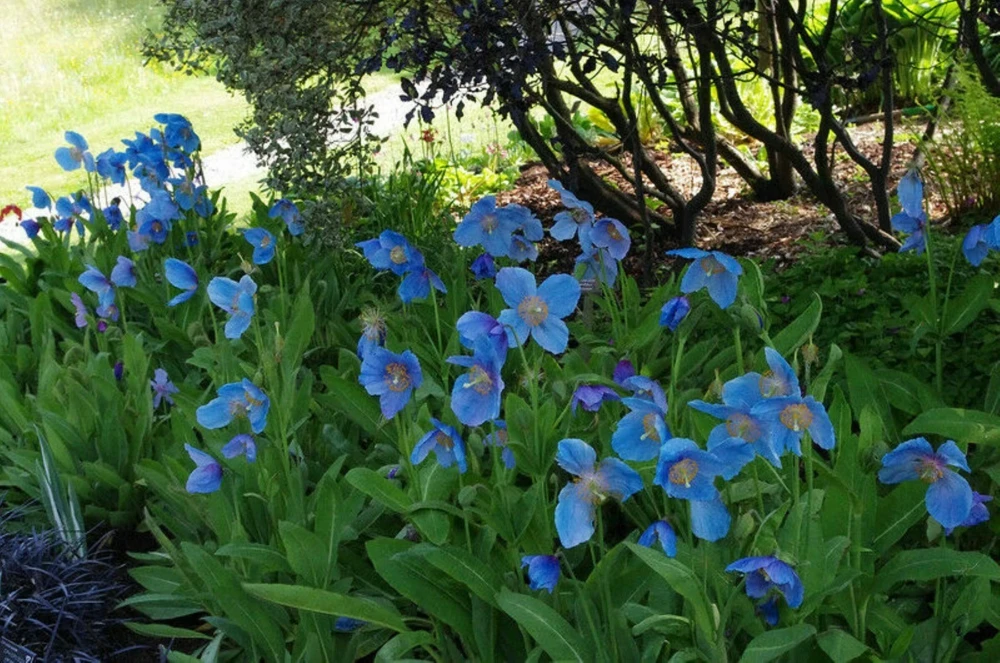
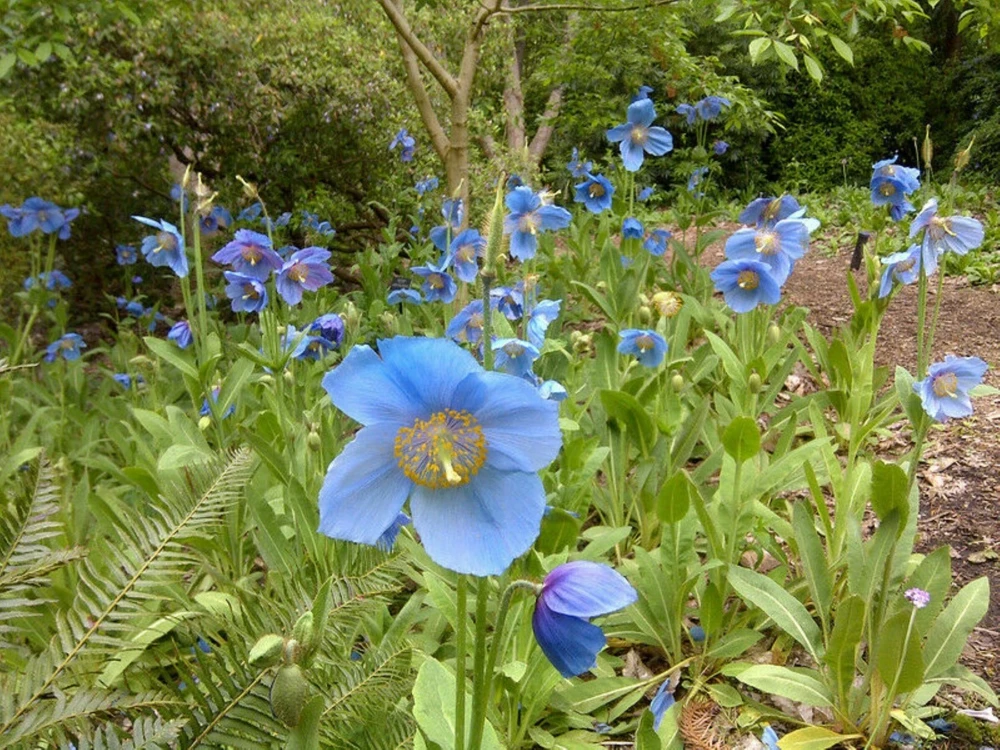
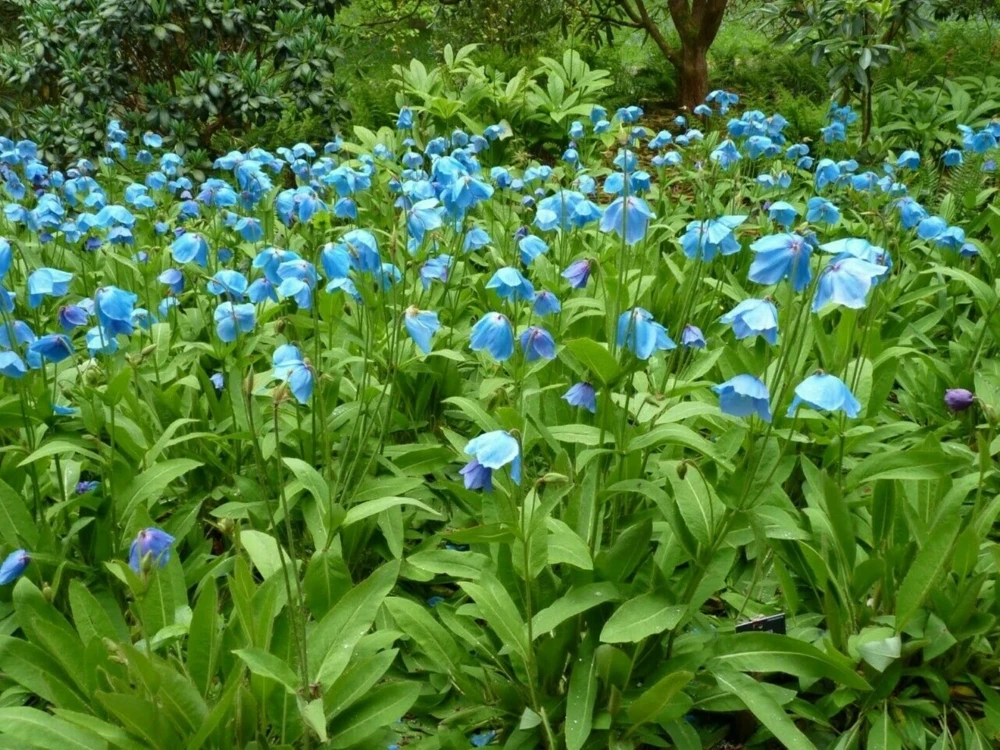
Discover the magic of the Himalayan Blue Poppy seeds, scientifically known as Meconopsis grandis. These highly sought-after perennial flowering seeds offer the opportunity to grow one of the most stunning and ethereal flowers in the plant kingdom. Originating from the high altitudes of the Himalayas, the Meconopsis seeds are renowned for producing large, saucer-shaped blooms in an unparalleled shade of sky blue. Each packet provides 1000 Meconopsis seeds, giving you ample opportunity to cultivate a breathtaking display of these rare and exquisite plants. Ideal for adding a touch of mystique and vibrant color to cooler, shadier garden spots, the blue poppy perennial is a true gardener’s delight. Growing Himalayan Blue Poppy seeds requires a bit of patience and specific conditions, but the reward of their magnificent flowers is well worth the effort, transforming any garden into a serene, dreamlike landscape.
The Himalayan Blue Poppy seeds are a fantastic choice for enthusiasts looking to expand their perennial garden with something truly extraordinary. Their delicate appearance belies a robust nature when given the right environment. These seeds will germinate into plants that will return year after year, providing continuous joy with their unique coloration. Experience the satisfaction of nurturing these magnificent blooms from seed to a mature, flowering plant.
Key Benefits
Planting Himalayan Blue Poppy seeds offers numerous rewards for the dedicated gardener. Their stunning appearance and unique characteristics make them a standout addition to any landscape. Here are some of the key benefits:
- Exceptional Beauty: The most striking feature of the Himalayan Blue Poppy seeds is their extraordinary sky-blue color, a hue rarely found in the botanical world. These vibrant blooms will become the focal point of your garden, attracting attention and admiration.
- Perennial Growth: As a blue poppy perennial, these plants return each year, establishing themselves more strongly over time. This means less replanting and more enjoyment of their consistent beauty season after season.
- Unique Garden Addition: For gardeners seeking something truly special, the rare blue poppy offers an unparalleled opportunity. It’s a plant that sparks conversation and distinguishes your garden from the ordinary.
- Shade Garden Enhancement: Unlike many flowering plants that demand full sun, the Meconopsis thrives in partial shade, making it perfect for brightening up cooler, less sunny areas of your garden where other flowers might struggle.
- Attracts Pollinators: While subtle, the beautiful flowers can attract beneficial pollinators like bees, contributing to the overall health and biodiversity of your garden ecosystem.
- Sense of Accomplishment: Successfully growing blue poppy from seed to bloom provides immense satisfaction, given their reputation for being a rewarding challenge for keen gardeners.
- Long Blooming Period: With proper care, these poppies can offer a relatively long blooming period, extending the visual interest of your garden throughout the late spring and early summer.
Plant Care & Growing Tips
Successfully cultivating Himalayan Blue Poppy seeds requires attention to specific environmental conditions, mimicking their native Himalayan habitat. These plants prefer cool, moist, and partially shaded locations. For optimal results, sow the Meconopsis seeds in late winter or early spring. Prepare a well-draining, humus-rich soil, preferably slightly acidic. A mix of peat, compost, and sand works well. Ensure the soil remains consistently moist but never waterlogged, as this can lead to root rot. Good drainage is paramount for these plants to thrive.
Sunlight exposure is critical for the blue poppy perennial. They perform best in partial shade, especially during the hottest parts of the day. Morning sun followed by afternoon shade is ideal. In warmer climates, more shade will be necessary to prevent scorching of the delicate petals. Protect young seedlings from strong winds. Fertilize sparingly with a balanced, slow-release fertilizer in early spring. Deadhead spent flowers to encourage further blooming and prevent self-seeding if desired. While growing Himalayan Blue Poppy seeds can be a rewarding challenge, understanding their needs for cool temperatures and consistent moisture is key to success. Protect them from slugs and snails, which can be particularly fond of young Meconopsis plants. The USDA hardiness zones for these plants typically range from 3-7, but success largely depends on providing the right microclimate.
Size & Details
This offering includes 1000 Himalayan Blue Poppy seeds, providing a substantial quantity for establishing a vibrant and extensive display. Once germinated, the blue poppy perennial plants typically grow to a height of 2 to 3 feet (60-90 cm) and spread about 1 to 1.5 feet (30-45 cm) wide, forming attractive clumps of foliage topped with their magnificent blooms. The leaves are generally hairy and basal, providing a lush green backdrop for the striking blue flowers. Each flower can reach up to 3-4 inches (7-10 cm) in diameter. These seeds are shipped in a protective packet, ensuring their viability upon arrival. Expect the first blooms typically in late spring to early summer, usually within the second year after planting, as these perennials often focus on establishing their root system in their initial year. The robust nature of the established rare blue poppy makes it a long-lasting feature in the garden with proper care.
Frequently Asked Questions
- Q: How big do these Meconopsis plants get? A: The Himalayan Blue Poppy seeds will grow into plants that typically reach 2 to 3 feet tall and spread 1 to 1.5 feet wide, forming beautiful clumps.
- Q: What are the ideal growing conditions for the Himalayan Blue Poppy? A: These plants thrive in cool, moist, partial shade conditions with rich, well-draining, slightly acidic soil. Consistent moisture is crucial for successful growing blue poppy.
- Q: Is this plant easy to care for? A: While not considered beginner-friendly, the Himalayan Blue Poppy seeds are a rewarding challenge for intermediate to experienced gardeners who can provide their specific environmental needs.
- Q: What condition will the seeds arrive in? A: The 1000 Meconopsis seeds will arrive in a sealed protective packet, ensuring their quality and viability for planting.
- Q: When is the best time to plant Himalayan Blue Poppy seeds? A: It is generally best to sow Himalayan Blue Poppy seeds in late winter or early spring for germination, though some gardeners also have success with fall sowing in milder climates.
- Q: How long until the blue poppy perennial flowers? A: Most blue poppy perennial plants will flower in their second year after planting, as the first year is primarily dedicated to establishing a strong root system.
- Q: What USDA zones are suitable for growing blue poppy? A: The rare blue poppy typically performs best in USDA Hardiness Zones 3-7, requiring cooler temperatures and consistent moisture to thrive.
- Q: Can these poppies tolerate full sun? A: No, Himalayan Blue Poppy seeds prefer partial shade, especially in the afternoon. Full sun can scorch their delicate petals and stress the plant, hindering growth.
- Q: How often should I water my Meconopsis plants? A: Keep the soil consistently moist but not waterlogged. Check the soil regularly and water when the top inch or two feels dry to the touch, especially during dry spells.
- Q: What kind of soil is best for Meconopsis? A: A humus-rich, well-draining, and slightly acidic soil mix is ideal for growing blue poppy, often amended with peat or compost.
Be the first to review “Himalayan Blue Poppy Meconopsis Seeds – 1000 Count Perennial Flowers”
Related products


Flower Seeds
Blue Stock Matthiola Incana Seeds – 50 Fragrant Gillyflower Seeds – Ten-Week Blue Stock

You May Like

How to Grow Passion Flower (Passiflora) for Tropical Blooms
Few climbing vines in the home garden command attention quite like the exotic Passion Flower (Passiflora). [...]
Nov

Thanksgiving Cactus Care: How to Get Thanksgiving Cactus to Bloom
Is your Thanksgiving cactus growing well but not giving you any flowers? Maybe it looked [...]
Nov

How to Grow Garlic for a Bountiful Home Harvest
Garlic (Allium sativum) is one of the most satisfying, low-maintenance, and flavor-packed crops you can [...]
Oct

Hardneck vs. Softneck Garlic: Which Should You Grow?
Have you ever stood in front of a seed catalog in mid-September, staring at dozens [...]
1 Comment
Oct

When to Plant Music Garlic: Ultimate US Fall Guide
Have you ever spent your fall weekend placing carefully chosen garlic cloves into rich, dark [...]
1 Comment
Oct

5 Best Bulbs for Fall Planting: Brighten Your Garden This Spring
Are you dreaming of a garden full of vibrant colors in the spring? The key [...]
Aug

10 Houseplants That Will Thrive in Your Kitchen
Are you tired of your kitchen feeling dull and lifeless? Want to add a little [...]
1 Comment
Aug
Reviews
There are no reviews yet.