
30+ Sugar Maple Tree Seeds – Fall Color, Maple Syrup Source, Acer saccharum
Original price was: 35.08 $.15.08 $Current price is: 15.08 $.
Start your own grove of magnificent Sugar Maple Tree seeds. These seeds grow into trees known for their stunning fall colors and as a source for delicious maple syrup. Perfect for landscaping or sustainable gardening.
Estimated arrival
Nov 27
Dec 02 - Dec 04
Dec 04 - Dec 09
See our Shipping Policy.
Get in touch with us via email, and our team will review your concerns.
Our Alive & Thrive Guarantee covers issues with your plants within the first 30 days. Read our Refund & Returns Policy.
-
USDA Hardiness Zone
USDA Zones 3-8 -
Soil Type
Well-draining, rich, slightly acidic to neutral soil -
Sunlight Exposure
Full sun to partial shade (partial shade for young trees) -
Expected Planting Period
Early spring after cold stratification
Overview
Embark on a journey to cultivate one of North America’s most iconic trees with our premium sugar maple tree seeds. The Sugar Maple (Acer saccharum) is renowned for its breathtaking autumn display, transforming landscapes into a vibrant tapestry of reds, oranges, and yellows. Beyond its ornamental beauty, this majestic tree is famously the primary source of the sweet, golden liquid we know as maple syrup. Growing your own Acer saccharum seeds allows you to connect with nature and potentially enjoy the rewarding process of tapping your own maple trees in the future. These seeds offer an opportunity to establish a long-lasting legacy, providing shade, beauty, and a sustainable resource for generations.
Each packet contains 30+ high-quality seeds, carefully selected to ensure viability. Whether you’re an experienced arborist or a budding gardener, these sugar maple tree seeds provide an excellent foundation for creating a natural haven. Imagine the joy of watching these trees mature, offering cool shade in summer and a spectacular show every fall. This is more than just planting a tree; it’s investing in a piece of natural heritage.
Key Benefits
Cultivating sugar maple tree seeds offers a multitude of benefits, from enhancing your property’s aesthetic appeal to providing a sustainable food source. These trees are a true investment in the future of your landscape and family:
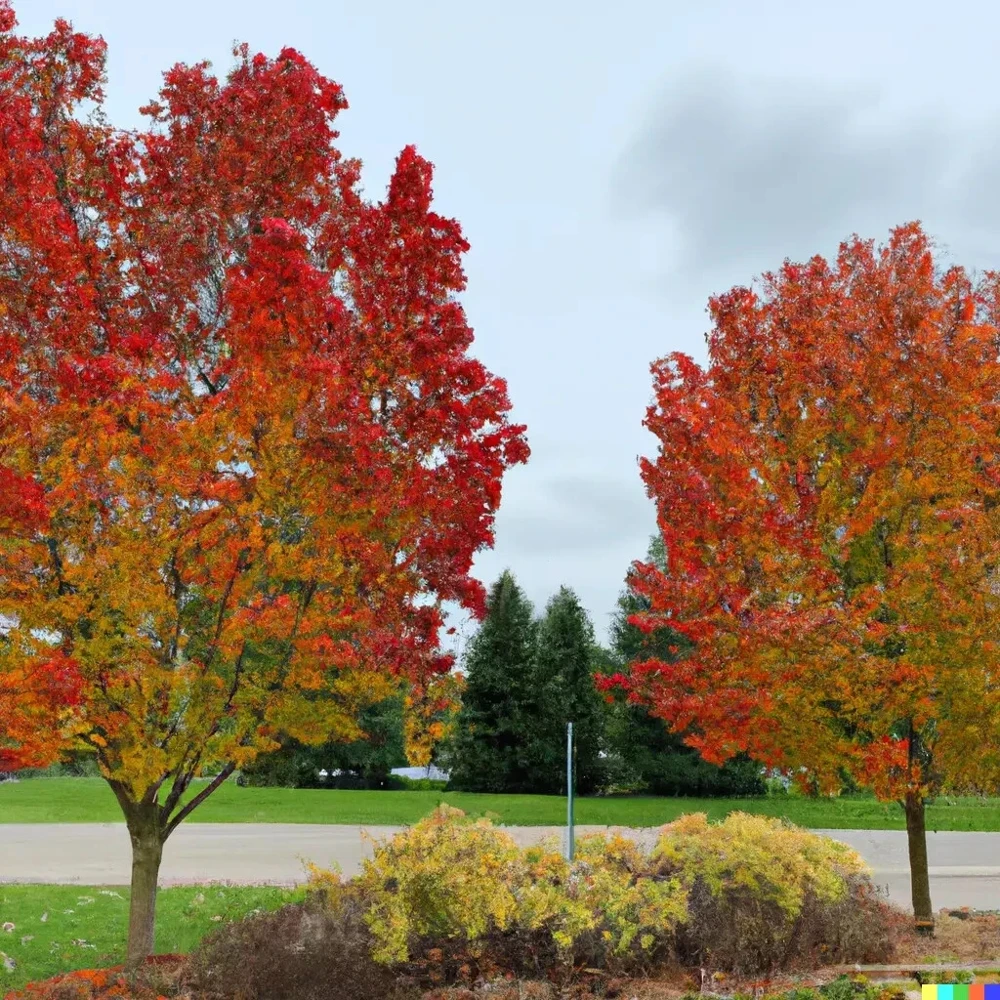
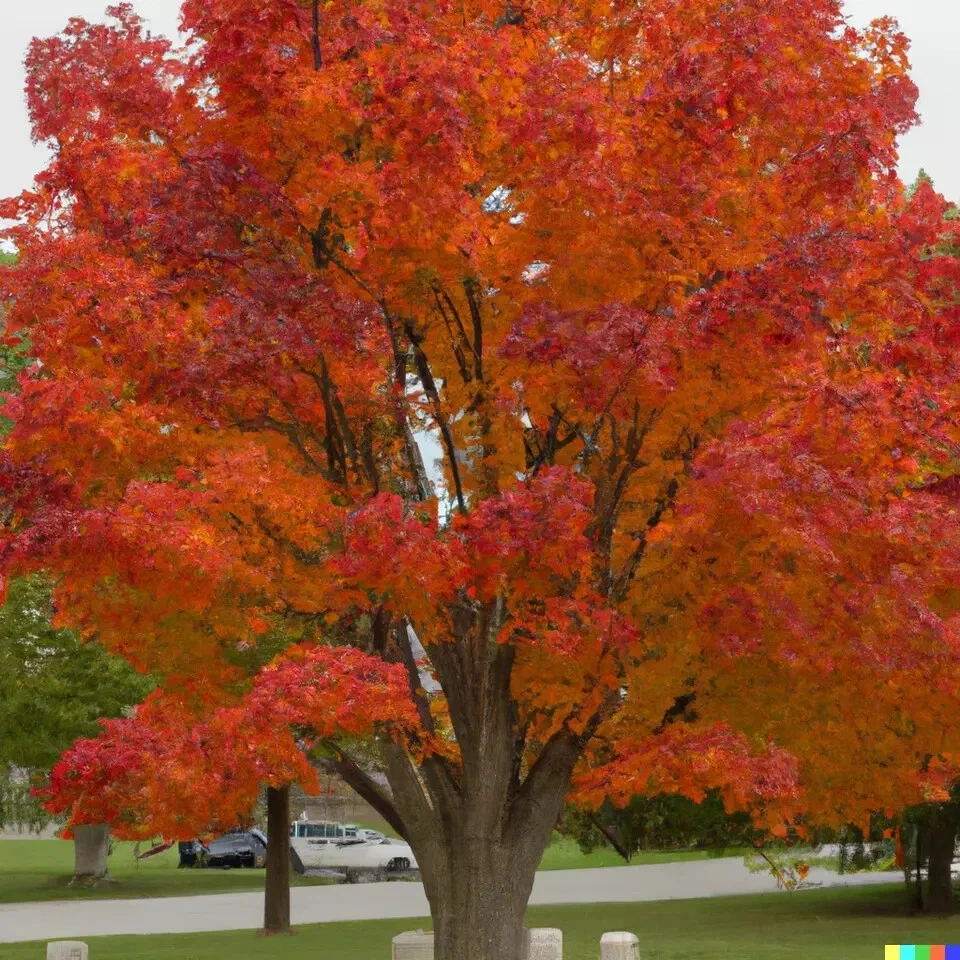
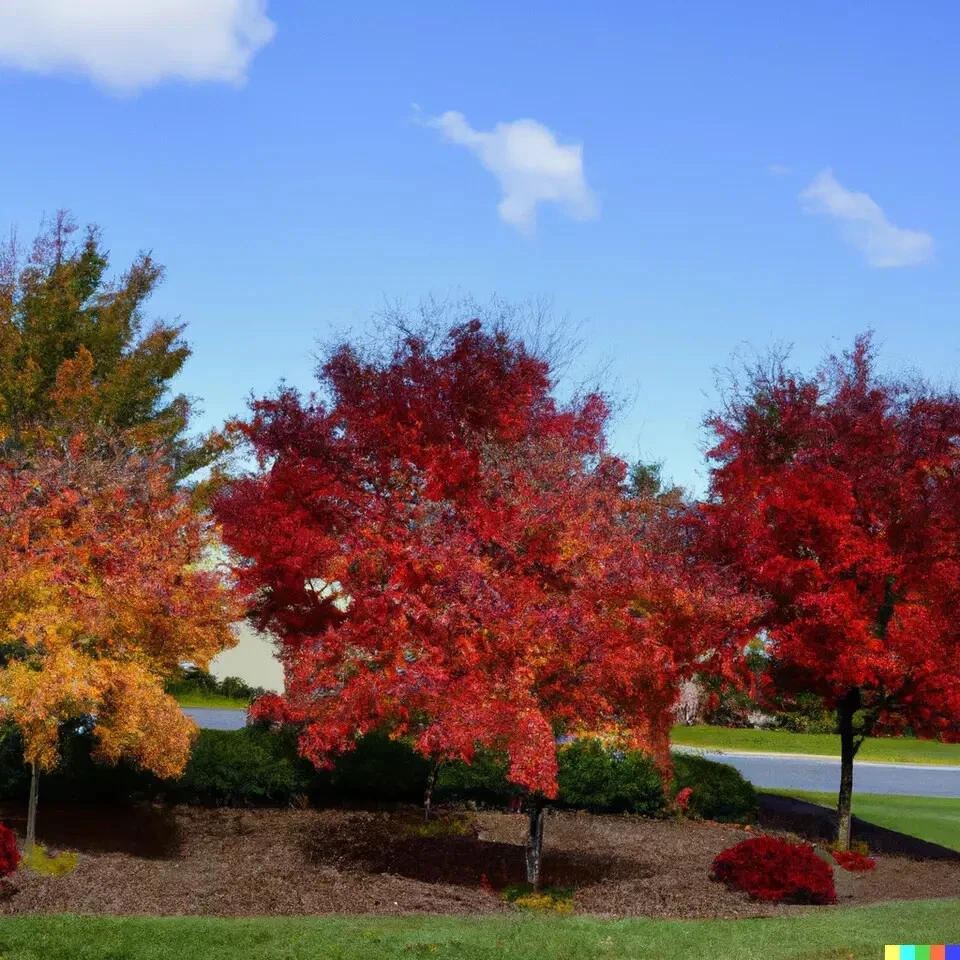
- Stunning Fall Foliage: The Sugar Maple is celebrated for its brilliant and diverse fall color trees, ranging from fiery reds to rich oranges and golden yellows. Planting these trees will ensure a spectacular seasonal display year after year, making your garden a focal point of natural beauty.
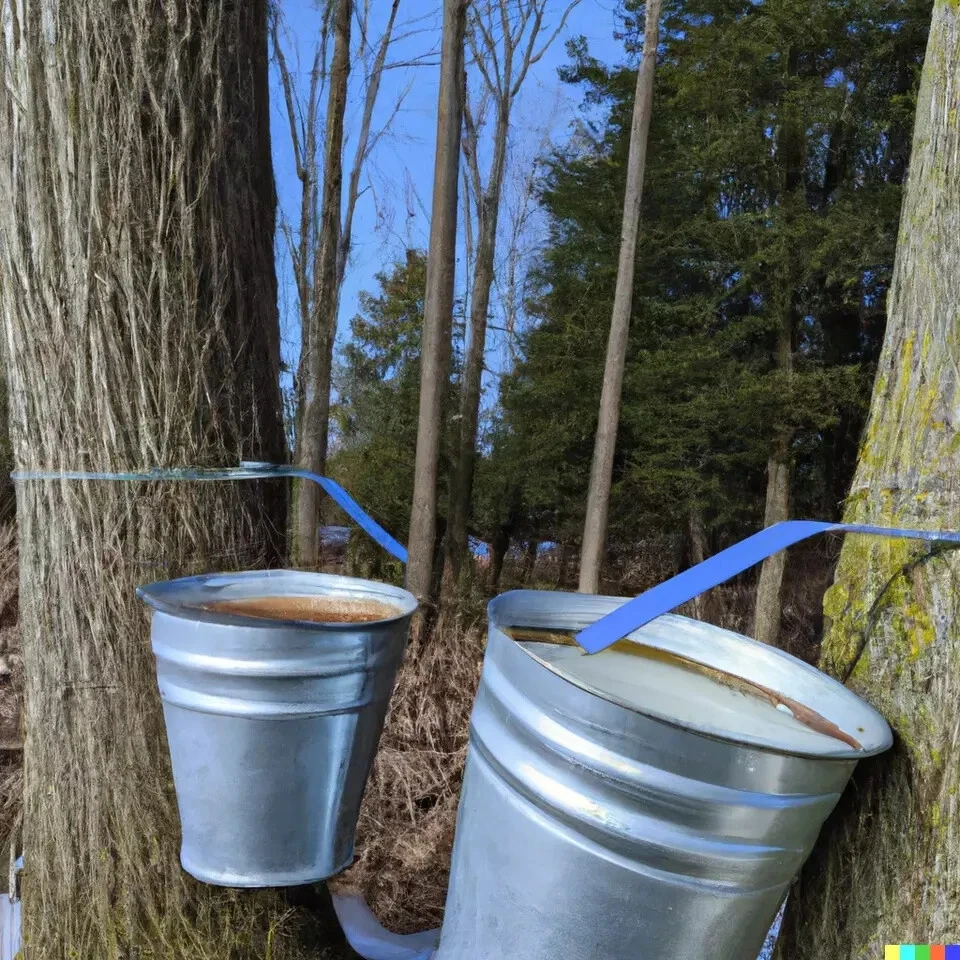
- Maple Syrup Production: As the primary source for commercial maple syrup, these trees offer the unique opportunity to harvest your own syrup. Learning to maple syrup tree tap can be a rewarding hobby, providing a natural sweetener directly from your backyard.
- Long-Lived & Hardy: Sugar Maples are known for their longevity and resilience, often living for hundreds of years. They are a robust choice for various climates, making them a durable addition to any landscape.
- Excellent Shade Tree: With their dense canopy and impressive height, mature Sugar Maples provide significant shade, helping to cool your home and garden during hot summer months, reducing energy costs and creating comfortable outdoor living spaces.
- Wildlife Habitat: These trees provide food and shelter for a variety of wildlife, including birds and squirrels, contributing to local biodiversity and creating a lively ecosystem in your yard.
- Erosion Control: The extensive root system of a Sugar Maple helps stabilize soil, preventing erosion on sloped areas and contributing to overall soil health.
- Environmental Benefits: Like all trees, Sugar Maples absorb carbon dioxide and release oxygen, improving air quality and contributing positively to the environment. Planting sugar maple tree seeds is a step towards a greener planet.
Plant Care & Growing Tips
Successfully growing sugar maple tree seeds requires patience and understanding of their specific needs. Begin by cold stratifying your seeds for 60-90 days, mimicking winter conditions. This can be done by placing them in a moist medium (like peat moss or sand) in a sealed bag in your refrigerator. Once stratified, plant the seeds about 1/2 to 1 inch deep in well-draining soil. A good potting mix with sand or perlite is ideal for seedlings. For outdoor planting, ensure the soil is rich, slightly acidic to neutral (pH 6.0-7.0), and has excellent drainage. Avoid heavy, compacted clay soils that can lead to root rot. When you grow sugar maple from seed, consistent moisture is crucial during the germination and seedling stages.
Sunlight Requirements: Young Sugar Maple trees thrive in partial shade, especially in hotter climates, which protects their tender leaves from scorching. As they mature, they prefer full sun to partial shade, meaning at least 4-6 hours of direct sunlight daily. Ensure your chosen planting site accommodates this eventual need. Watering Schedule: Keep the soil consistently moist, but not waterlogged, especially during the first few years of growth. Water deeply once or twice a week, depending on rainfall and soil type. Reduce watering in cooler months. Temperature Range & USDA Hardiness Zone: Sugar Maples are hardy trees, typically thriving in USDA Zones 3-8. They are deciduous and require a cold dormancy period. Protect young seedlings from extreme heat and frost. Fertilization: Fertilize sparingly, if at all, during the first year. Once established, a balanced slow-release fertilizer in early spring can promote healthy growth. Avoid over-fertilizing, which can harm young roots. Common Problems: Watch out for common pests like aphids and borers, and diseases such as powdery mildew or verticillium wilt. Good air circulation and proper watering can prevent many issues. When you plant Acer saccharum seeds, giving them the best start will lead to a healthy, thriving tree.
Size & Details
This product includes 30+ viable sugar maple tree seeds, ready for stratification and planting. Once germinated and established, a sugar maple tree can grow to an impressive height of 80 to 100 feet, with some specimens reaching up to 120 feet. The canopy spread typically ranges from 40 to 60 feet, creating a magnificent, rounded crown. These trees have a moderate growth rate, usually adding 12-24 inches in height per year under optimal conditions. They typically begin producing sap suitable for syrup after 30-40 years, though smaller quantities can be harvested earlier. The seeds are shipped in a protective packet to ensure their integrity upon arrival, ready for your efforts to grow sugar maple trees.
Frequently Asked Questions
- Q: How big does a Sugar Maple tree get? A: A mature Sugar Maple Tree typically reaches heights of 80 to 100 feet, with some growing even taller. Their spread can be 40 to 60 feet, providing substantial shade.
- Q: What size pot should I use for germinating these seeds? A: For germinating sugar maple tree seeds, start with small pots or seed trays that are at least 3-4 inches deep. Once seedlings are a few inches tall, they can be transplanted into larger pots before being moved to their final outdoor location.
- Q: Is this an indoor or outdoor plant? A: The Sugar Maple is an outdoor tree. While seedlings can be started indoors, they must eventually be transplanted outside to thrive and mature into a full-sized tree, providing beautiful fall color trees.
- Q: How much sunlight does a Sugar Maple need? A: Young Sugar Maples prefer partial shade, especially in hot climates. Mature trees thrive in full sun to partial shade, requiring at least 4-6 hours of direct sunlight daily for optimal growth and vibrant fall color.
- Q: Is this plant easy to care for? A: Growing a sugar maple tree from seed requires initial care and stratification, but once established, they are relatively low-maintenance and hardy trees. Consistent watering is crucial during their early years.
- Q: What condition will the seeds arrive in? A: The Acer saccharum seeds will arrive in a sealed packet, protected from moisture and damage, ensuring they are ready for the stratification process and planting.
- Q: When is the best time to plant Sugar Maple seeds? A: After cold stratification, the best time to plant sugar maple tree seeds outdoors is in early spring, after the last frost, allowing them the full growing season to establish.
- Q: Can I really make maple syrup from these trees? A: Yes, the Sugar Maple is the primary species used for maple syrup production. With proper care and maturity, you can tap your own maple syrup tree and enjoy homemade syrup.
- Q: What USDA hardiness zones are suitable for Sugar Maples? A: Sugar Maples are well-suited for USDA Hardiness Zones 3 through 8, making them adaptable to a wide range of temperate climates.
- Q: How long until the trees show their beautiful fall colors? A: While young trees may show some color, the most vibrant and spectacular fall color trees display typically begins once the Sugar Maple trees are more mature, usually after several years of growth.
Be the first to review “30+ Sugar Maple Tree Seeds – Fall Color, Maple Syrup Source, Acer saccharum”
Related products


You May Like

How to Grow Passion Flower (Passiflora) for Tropical Blooms
Few climbing vines in the home garden command attention quite like the exotic Passion Flower (Passiflora). [...]
Nov

Thanksgiving Cactus Care: How to Get Thanksgiving Cactus to Bloom
Is your Thanksgiving cactus growing well but not giving you any flowers? Maybe it looked [...]
Nov

How to Grow Garlic for a Bountiful Home Harvest
Garlic (Allium sativum) is one of the most satisfying, low-maintenance, and flavor-packed crops you can [...]
Oct

Hardneck vs. Softneck Garlic: Which Should You Grow?
Have you ever stood in front of a seed catalog in mid-September, staring at dozens [...]
1 Comment
Oct

When to Plant Music Garlic: Ultimate US Fall Guide
Have you ever spent your fall weekend placing carefully chosen garlic cloves into rich, dark [...]
1 Comment
Oct

5 Best Bulbs for Fall Planting: Brighten Your Garden This Spring
Are you dreaming of a garden full of vibrant colors in the spring? The key [...]
Aug

10 Houseplants That Will Thrive in Your Kitchen
Are you tired of your kitchen feeling dull and lifeless? Want to add a little [...]
1 Comment
Aug
Reviews
There are no reviews yet.