

Othonna Capensis Ruby Necklace Succulent Seeds – 100+ Seeds for Hanging Plants
Original price was: 36.66 $.16.66 $Current price is: 16.66 $.
Cultivate stunning cascading beauty with Othonna capensis Ruby Necklace seeds. These Ruby Necklace succulent seeds are perfect for creating vibrant hanging displays, offering unique coloration and easy care for both novice and experienced growers. Each packet contains 100+ seeds to start your own collection of this popular hanging succulent.
Estimated arrival
Nov 26
Dec 01 - Dec 03
Dec 03 - Dec 08
See our Shipping Policy.
Get in touch with us via email, and our team will review your concerns.
Our Alive & Thrive Guarantee covers issues with your plants within the first 30 days. Read our Refund & Returns Policy.
-
USDA Hardiness Zone
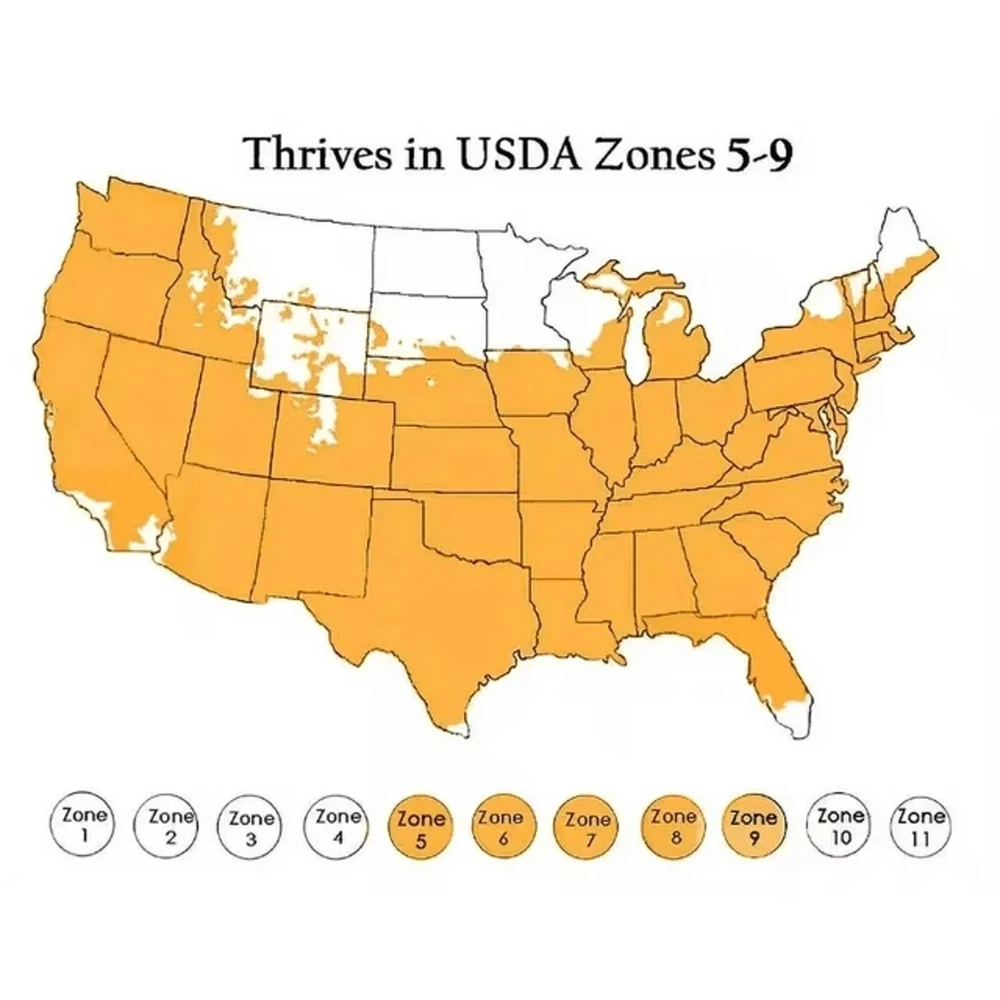
USDA zones 9–11 (outdoors) -
Soil Type
Well-draining succulent or cactus potting mix -
Sunlight Exposure
Full sun to partial shade (bright indirect light indoors) -
Expected Planting Period
Year-round indoors; spring to early summer outdoors
Overview
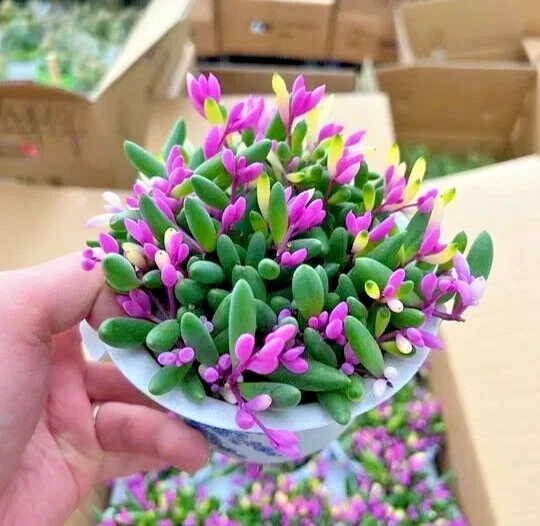
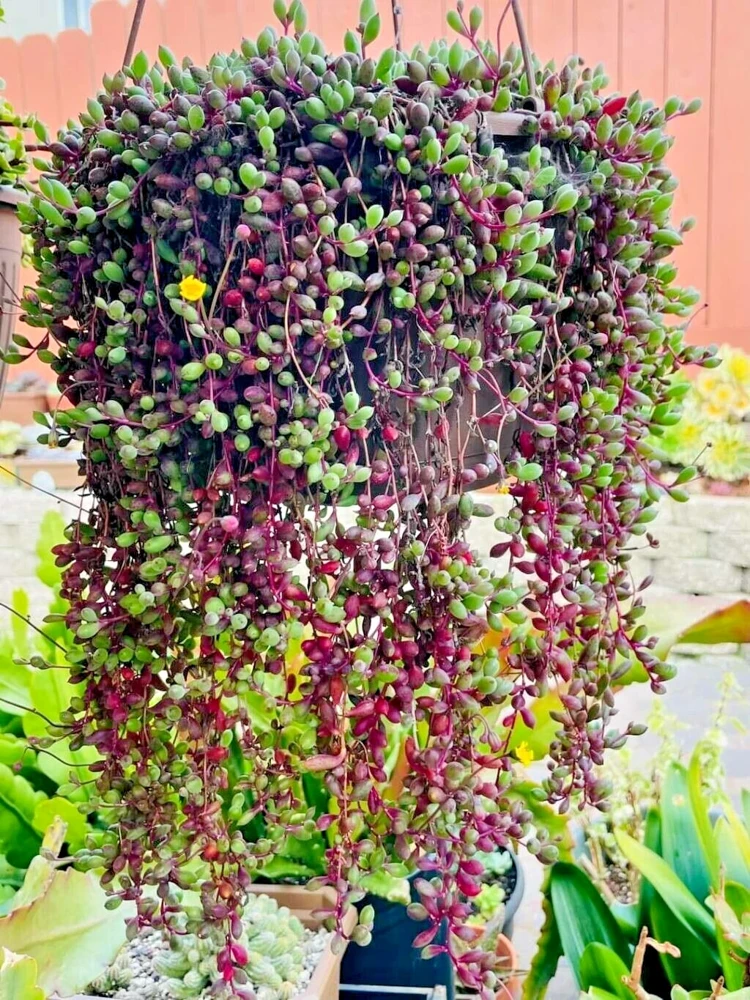
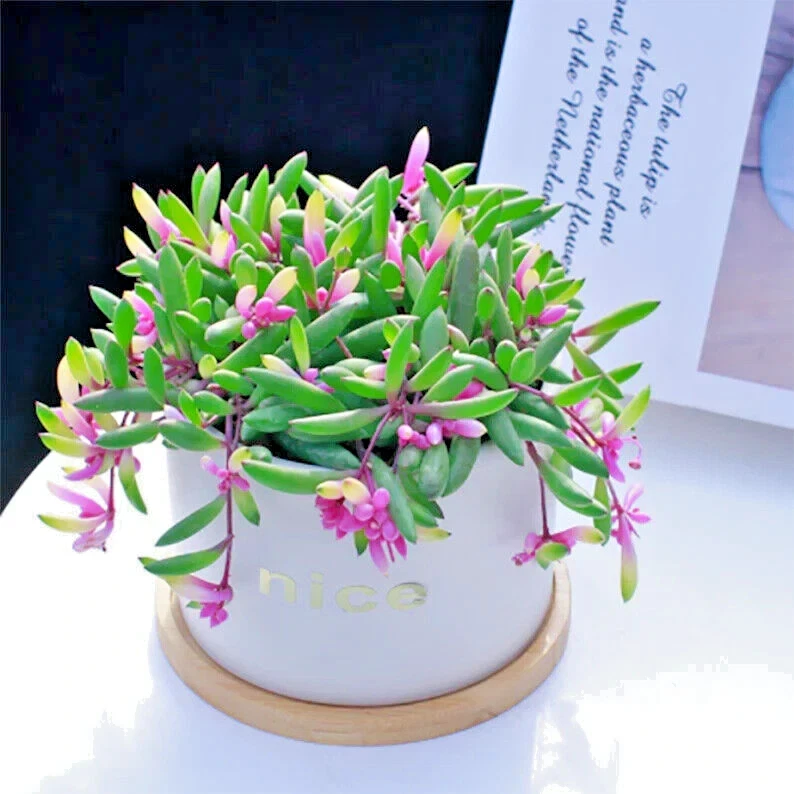
Embark on a rewarding gardening journey with our premium Othonna capensis Ruby Necklace seeds. This offering provides over 100+ seeds of the popular ‘Ruby Necklace’ succulent, known botanically as Othonna capensis. This beautiful plant is celebrated for its distinctive, bead-like leaves that can range in color from green to a vibrant reddish-purple, especially when exposed to ample sunlight. The trailing nature of the Othonna capensis Ruby Necklace makes it an ideal choice for hanging baskets, elevated planters, or as a colorful groundcover in rock gardens. Growing from seed allows you to witness the entire life cycle of this captivating succulent, from germination to mature, cascading strands. These high-quality Ruby Necklace succulent seeds offer a cost-effective and engaging way to expand your succulent collection or create stunning botanical arrangements.
The Othonna capensis Ruby Necklace is a fast-growing, low-maintenance succulent that brings a splash of unique color and texture to any space. It’s often referred to as ‘Ruby Cascade’ or ‘Little Pickles’ due to its characteristic leaf shape and vibrant hues. Whether you’re an avid succulent enthusiast or a beginner looking for an interesting plant to grow, these Othonna capensis seeds provide an excellent starting point. Imagine your own cascading ruby strands gracing your windowsills, patios, or garden beds, all grown from these very seeds.
Key Benefits
Growing the Othonna capensis Ruby Necklace from seed offers numerous advantages for plant lovers. Its unique aesthetic appeal and ease of cultivation make it a highly desirable addition to any plant collection. Here are some key benefits:
- Stunning Visual Appeal: The bead-like foliage of the Othonna capensis Ruby Necklace transitions from green to a striking ruby-red or purple, creating a dynamic and eye-catching display. This vibrant coloration deepens with increased sun exposure, offering a constantly evolving spectacle.
- Ideal for Hanging Displays: With its naturally trailing habit, this succulent is perfectly suited for hanging baskets, allowing its ‘necklaces’ of leaves to cascade gracefully, adding vertical interest to your indoor or outdoor decor. It’s truly a magnificent hanging succulent.
- Drought-Tolerant and Low Maintenance: As a succulent, the Ruby Necklace is incredibly resilient and requires minimal watering once established. This makes it an excellent choice for busy gardeners or those looking for a plant that thrives on neglect.
- Easy to Propagate: Once your plants mature from these trailing succulent seeds, they are very easy to propagate from cuttings, allowing you to easily expand your collection or share with friends.
- Versatile Placement: Suitable for both indoor and outdoor environments (in appropriate climates), the Ruby Necklace can brighten up sunny windowsills, patios, balconies, or even act as a unique groundcover.
- Rewarding Growing Experience: Starting plants from seed, especially unique varieties like the Ruby Necklace, offers a deeply satisfying and educational gardening experience.
- Air Purification: Like many succulents, the Othonna capensis Ruby Necklace contributes to a healthier indoor environment by helping to filter air.
Plant Care & Growing Tips
Cultivating your Othonna capensis Ruby Necklace seeds into thriving plants is a straightforward process, provided you meet their basic succulent needs. For optimal germination, sow your Othonna capensis seeds on the surface of a well-draining succulent potting mix. Lightly cover with a thin layer of sand or vermiculite. Maintain consistent moisture with a fine mist sprayer until germination occurs, which can take anywhere from a few days to a few weeks. Provide bright, indirect light during this stage, keeping temperatures consistently warm, ideally between 65-75°F (18-24°C).
Once established, the Othonna capensis Ruby Necklace thrives in bright light, ideally full sun to partial shade. To achieve the most intense ruby coloration, aim for at least 4-6 hours of direct sunlight per day. If grown indoors, a south-facing window or supplemental grow light will be beneficial. Watering should be done thoroughly but infrequently, allowing the soil to dry out completely between waterings. Overwatering is the most common cause of succulent failure. Use a well-draining soil mix specifically formulated for succulents and cacti to prevent root rot. This hanging succulent is quite hardy and can tolerate temperatures down to about 30°F (-1°C) but prefers warmer climates. In colder zones, it should be brought indoors during winter. Fertilize sparingly during the growing season (spring and summer) with a diluted, balanced liquid fertilizer. Watch out for common pests like mealybugs, and address them promptly with insecticidal soap.
Size & Details
Each packet contains a generous quantity of 100+ Othonna capensis Ruby Necklace seeds, providing ample opportunity to grow multiple plants. When mature, the individual strands of the Othonna capensis Ruby Necklace can reach lengths of 1 to 2 feet, creating a dramatic cascading effect. The small, bean-shaped leaves are typically less than an inch long. This succulent has a relatively fast growth rate under ideal conditions, quickly forming lush, dense mats or flowing trails. As a succulent, it tends to stay compact in terms of width, primarily focusing its growth on length. The seeds are small and require careful handling during planting. Given proper care, you can expect to see significant growth within the first few months, with plants reaching impressive lengths within a year. These Ruby Necklace succulent seeds are perfect for anyone wanting to cultivate a vibrant and unique addition to their plant collection without the bulk of a large live plant initially.
Frequently Asked Questions
- Q: How big does this plant get from these Othonna capensis Ruby Necklace seeds? A: When mature, the trailing stems of the Othonna capensis Ruby Necklace can reach lengths of 1 to 2 feet, creating a beautiful cascading effect. The leaves themselves are small and bead-like.
- Q: Is this an indoor or outdoor plant? A: The Othonna capensis Ruby Necklace can be grown both indoors and outdoors. It thrives outdoors in USDA zones 9-11 and can be grown as an indoor houseplant in all other zones, provided it receives adequate light.
- Q: How much sunlight does the Othonna capensis Ruby Necklace need? A: For the best color and growth, this succulent requires bright light, ideally 4-6 hours of direct sunlight daily. If grown indoors, place it in a south-facing window or under a grow light.
- Q: Is this plant easy to care for? A: Yes, the Ruby Necklace succulent seeds grow into a relatively easy-to-care-for succulent. Its drought-tolerant nature makes it forgiving for beginners, primarily requiring proper watering and sufficient light.
- Q: What condition will the seeds arrive in? A: Your Othonna capensis Ruby Necklace seeds will arrive in a protective packet, ensuring they are fresh and viable for planting. They are dormant and ready for germination.
- Q: How long until the Othonna capensis Ruby Necklace blooms? A: With proper care, plants grown from Othonna capensis Ruby Necklace seeds can begin to bloom within their first year, typically producing small, yellow, daisy-like flowers during the warmer months.
- Q: Will the Othonna capensis Ruby Necklace survive winter in my zone? A: If you are in USDA zones 9-11, it can likely survive mild winters outdoors. In colder zones, it is best to bring your hanging succulent indoors before temperatures drop below 40°F (4°C).
- Q: What is the best soil type for these Ruby Necklace succulent seeds? A: A well-draining succulent or cactus potting mix is essential. You can also create your own by mixing potting soil with perlite or coarse sand to improve drainage.
- Q: How many Othonna capensis Ruby Necklace seeds are included in a packet? A: Each packet contains more than 100+ seeds, giving you plenty of opportunities to cultivate this beautiful plant.
- Q: Can I propagate the Othonna capensis Ruby Necklace once it grows? A: Absolutely! Once your plants are established from these trailing succulent seeds, you can easily propagate new plants from stem cuttings.
Be the first to review “Othonna Capensis Ruby Necklace Succulent Seeds – 100+ Seeds for Hanging Plants”
Related products




You May Like

How to Grow Passion Flower (Passiflora) for Tropical Blooms
Few climbing vines in the home garden command attention quite like the exotic Passion Flower (Passiflora). [...]
Nov

Thanksgiving Cactus Care: How to Get Thanksgiving Cactus to Bloom
Is your Thanksgiving cactus growing well but not giving you any flowers? Maybe it looked [...]
Nov

How to Grow Garlic for a Bountiful Home Harvest
Garlic (Allium sativum) is one of the most satisfying, low-maintenance, and flavor-packed crops you can [...]
Oct

Hardneck vs. Softneck Garlic: Which Should You Grow?
Have you ever stood in front of a seed catalog in mid-September, staring at dozens [...]
1 Comment
Oct

When to Plant Music Garlic: Ultimate US Fall Guide
Have you ever spent your fall weekend placing carefully chosen garlic cloves into rich, dark [...]
1 Comment
Oct

5 Best Bulbs for Fall Planting: Brighten Your Garden This Spring
Are you dreaming of a garden full of vibrant colors in the spring? The key [...]
Aug

10 Houseplants That Will Thrive in Your Kitchen
Are you tired of your kitchen feeling dull and lifeless? Want to add a little [...]
1 Comment
Aug
Reviews
There are no reviews yet.