



1000+ Baby Blue Eyes Wildflower Seeds – Groundcover, Drought Tolerant
Original price was: 34.14 $.14.14 $Current price is: 14.14 $.
Cultivate a stunning spring display with over 1000 Baby Blue Eyes seeds. These delightful annual wildflowers are perfect for creating a vibrant blue groundcover, offering excellent drought tolerance and minimal maintenance. Ideal for naturalizing areas or adding charm to garden beds.
Estimated arrival
Nov 27
Dec 02 - Dec 04
Dec 04 - Dec 09
See our Shipping Policy.
Get in touch with us via email, and our team will review your concerns.
Our Alive & Thrive Guarantee covers issues with your plants within the first 30 days. Read our Refund & Returns Policy.
-
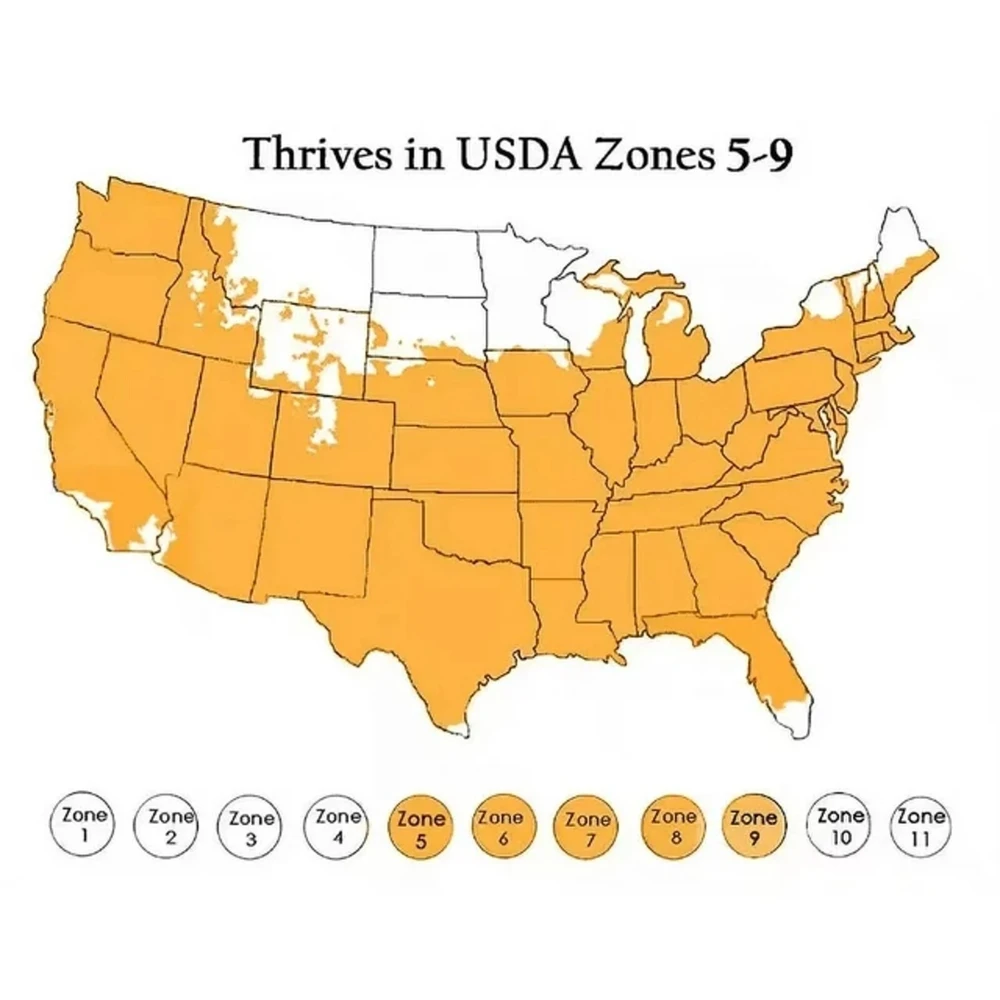
USDA Hardiness Zone
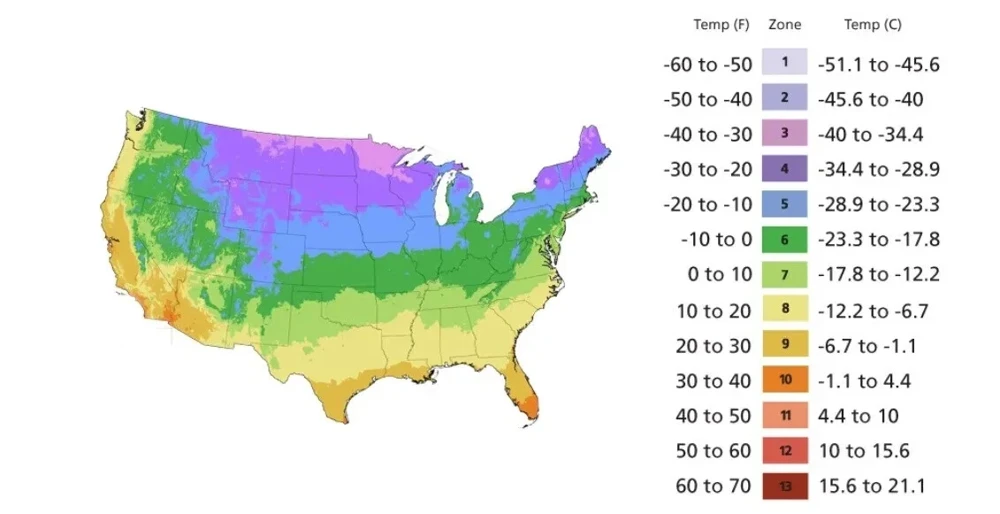
USDA zones 7-10 (as annual), tolerates colder as annual -
Soil Type
Well-draining soil, sandy loam preferred -
Sunlight Exposure
Full sun to partial shade -
Expected Planting Period
Early spring or late fall
Overview
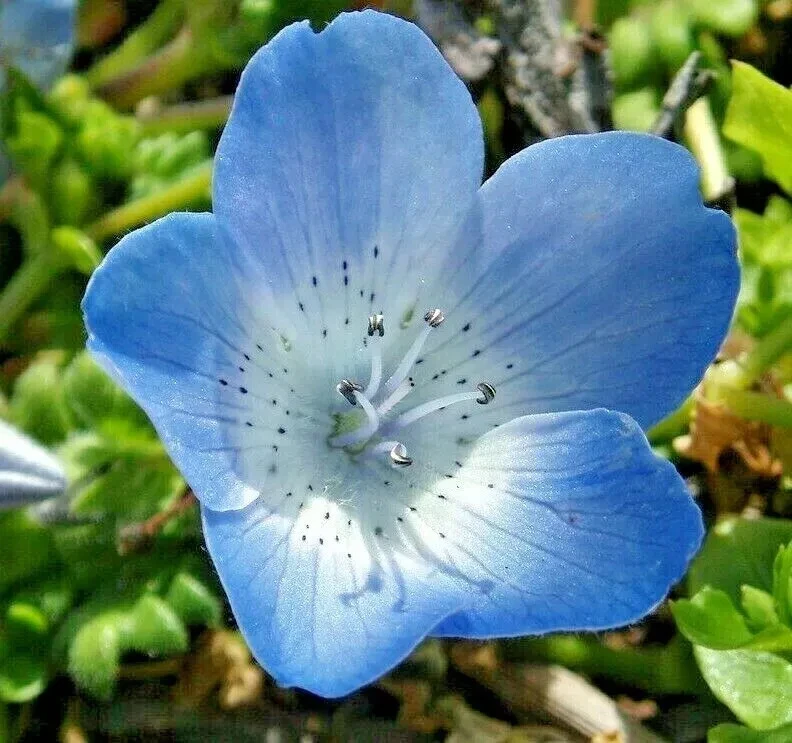
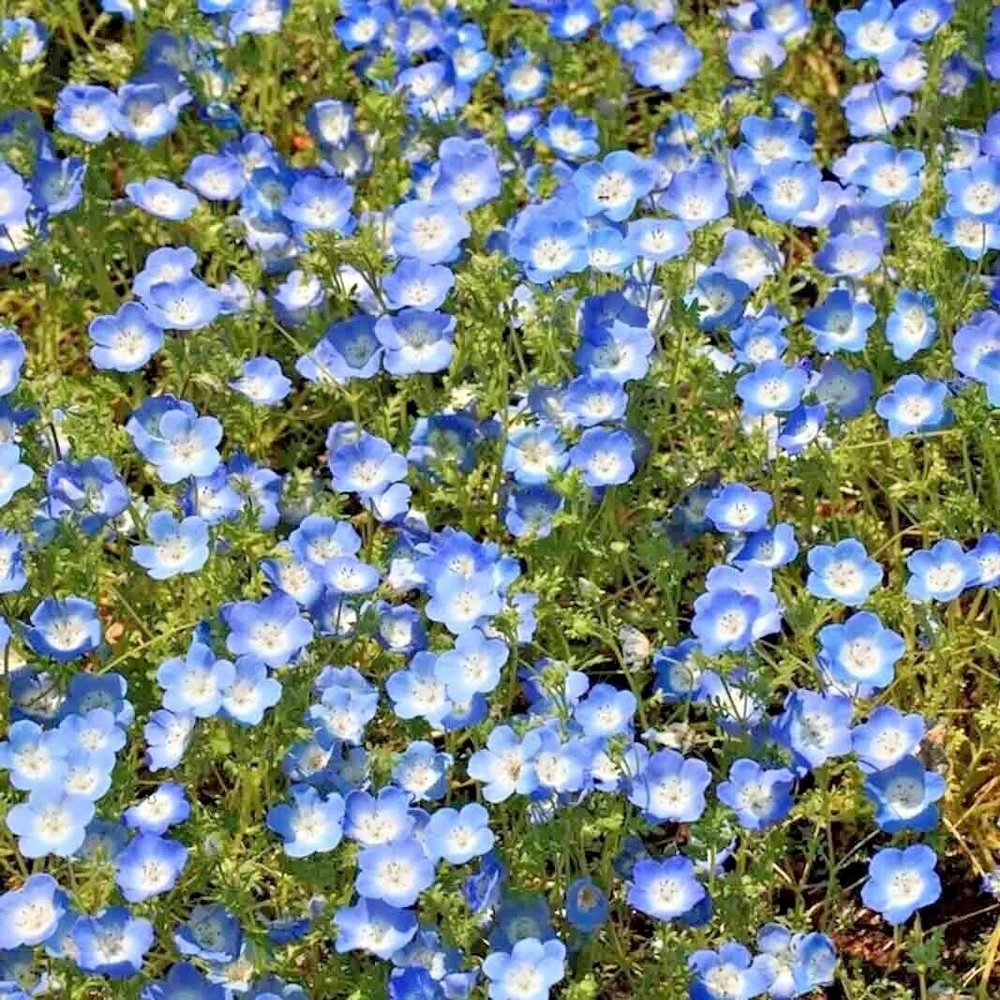
Transform your garden into a serene blue haven with over 1000 Baby Blue Eyes seeds (Nemophila menziesii). These charming annual wildflowers are celebrated for their delicate, cup-shaped blue blooms, each with a distinctive white center, creating a captivating display. Perfect for gardeners seeking an easy-to-grow, low-maintenance option, Baby Blue Eyes seeds germinate readily and quickly establish themselves, blanketing areas with their cheerful color. Native to California, these resilient plants are not only beautiful but also remarkably tough, thriving in various conditions and making them an excellent choice for a variety of landscapes. Embrace the beauty of nature and watch as these tiny seeds unfurl into a spectacular spring carpet.
Known for their rapid growth and abundant flowering, Baby Blue Eyes seeds are an ideal choice for naturalized settings, rock gardens, borders, or even containers. Their vibrant blue petals attract beneficial pollinators, adding life and movement to your outdoor space. Enjoy a splash of pure blue in your garden with these easy-to-grow, charming wildflowers.
Key Benefits
Discover the numerous advantages of planting these delightful baby blue eyes seeds in your garden:
- Easy to Grow: These wildflowers are incredibly simple to cultivate, making them an excellent choice for both beginner and experienced gardeners. Just scatter the Nemophila menziesii seeds and watch them flourish with minimal effort.
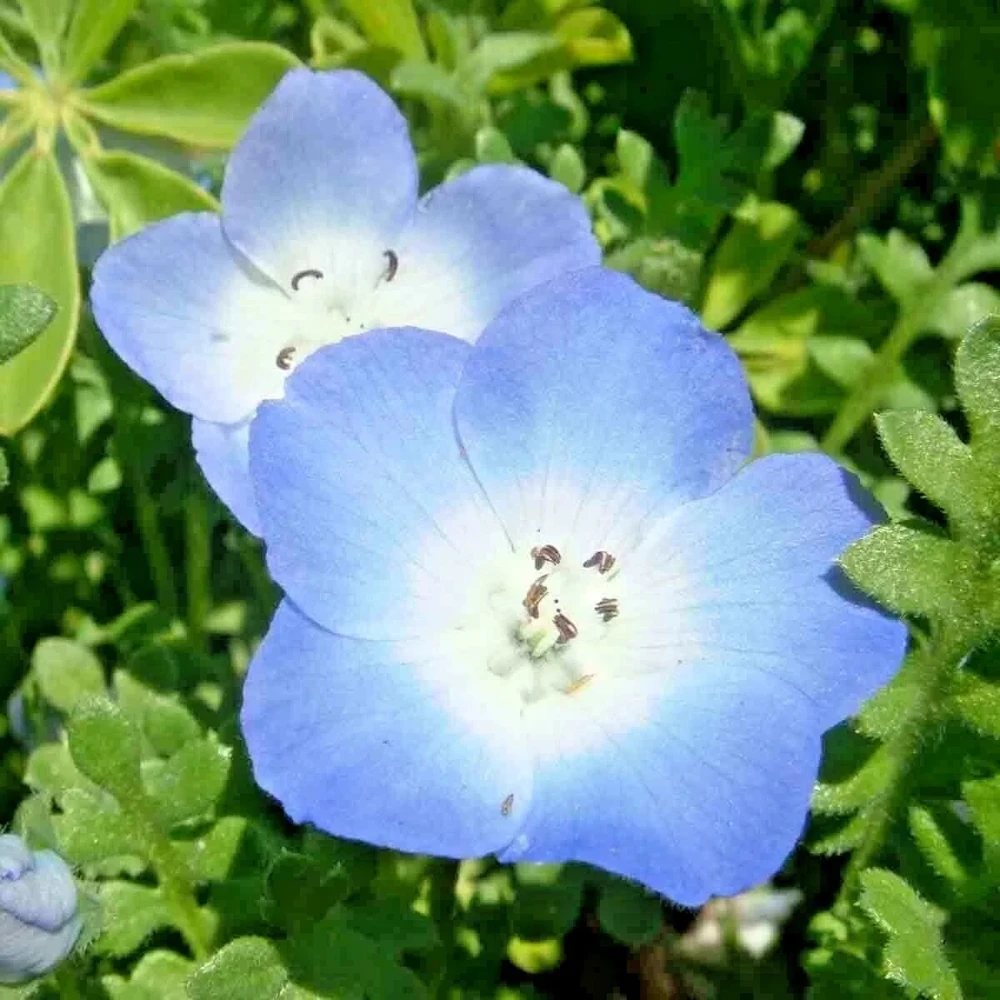
- Stunning Blue Blooms: Enjoy a breathtaking display of true blue flowers, often with a white eye, that create a serene and calming atmosphere in any garden setting. The vibrant color adds a unique charm to spring landscapes.
- Drought Tolerant Groundcover: Once established, these plants are remarkably resilient, requiring less water than many other flowering annuals. They form a beautiful, dense groundcover that helps suppress weeds and retain soil moisture, making them an excellent drought tolerant groundcover option.
- Attracts Pollinators: The nectar-rich flowers are a magnet for bees and other beneficial pollinators, contributing to a healthier and more biodiverse garden ecosystem. Encourage nature to thrive right in your backyard.
- Versatile Garden Use: Perfect for a variety of applications, including naturalizing open areas, enhancing rock gardens, lining pathways, filling in sparse beds, or even growing in pots and window boxes. These blue wildflower seeds offer endless possibilities.
- Fast Growing: Experience quick gratification as these seeds germinate swiftly and produce flowers in a relatively short period, providing early spring color.
- Self-Seeding Annual: While annuals, they often readily self-seed, ensuring a continuous display year after year without the need for replanting, making them a fantastic, low-effort addition.
Plant Care & Growing Tips
Growing Baby Blue Eyes seeds is a straightforward and rewarding experience. For optimal results, choose a location with full sun to partial shade. While they prefer cooler temperatures, they can tolerate some warmth if given adequate moisture. Ensure the soil is well-draining, as these plants do not like soggy conditions. A sandy loam soil is ideal, but they are adaptable to various soil types, provided good drainage is present. Prepare the planting bed by loosening the soil and removing any weeds or debris.
Sow the Nemophila menziesii seeds directly outdoors in early spring after the danger of hard frost has passed, or in late fall in milder climates for earlier spring blooms. Lightly cover the seeds with about 1/8 inch of soil, as they require some light for germination. Keep the soil consistently moist until germination occurs, which usually takes 7-21 days. Once established, these plants are quite low-maintenance. While they are drought tolerant, occasional watering during prolonged dry spells will encourage more prolific blooming. Fertilization is generally not necessary in average garden soil, but a light application of a balanced, slow-release fertilizer can be beneficial in poor soils. Deadheading spent blooms is not required but can help prolong the flowering period. Watch your garden come alive with these charming spring flowering seeds.
Size & Details
This package contains over 1000 Baby Blue Eyes seeds, providing ample opportunity to create a stunning floral display. Each seed is small, ensuring a generous quantity for broadcasting over larger areas or for multiple planting projects. Once mature, these charming annual plants typically grow to a height of 6-12 inches and spread about 6-9 inches wide, forming a dense, low-growing carpet of foliage and flowers. The delicate, cup-shaped blooms measure approximately 1 inch across. These blue wildflower seeds are shipped in a protective packet, ready for planting upon arrival. Expect germination within 1-3 weeks under ideal conditions, with flowering typically occurring in mid to late spring, continuing into early summer depending on your climate. The growth rate is relatively fast, allowing you to enjoy their beauty quickly.
Frequently Asked Questions
- Q: How big do Baby Blue Eyes wildflowers get? A: Baby Blue Eyes typically grow to a height of 6-12 inches and spread about 6-9 inches wide, forming a lovely, compact groundcover. They are perfect for filling in spaces without overwhelming other plants.
- Q: Are these suitable as a drought tolerant groundcover? A: Yes, Baby Blue Eyes are excellent as a drought tolerant groundcover. Once established, they can withstand periods of dry weather, making them a low-water option for your garden.
- Q: How much sunlight do Baby Blue Eyes seeds need? A: These plants prefer full sun to partial shade. In hotter climates, some afternoon shade can help prolong their blooming period and prevent them from wilting.
- Q: When is the best time to plant Baby Blue Eyes seeds? A: The best time to plant baby blue eyes seeds is in early spring after the last frost, or in the fall in mild winter regions for earlier spring blooms. This allows the seeds to stratify naturally over winter.
- Q: Is this plant easy to care for, especially for beginners? A: Absolutely! Baby Blue Eyes are very easy to grow from spring flowering seeds and require minimal maintenance, making them an ideal choice for beginner gardeners or those looking for a low-effort, high-reward plant.
- Q: What kind of soil do these blue wildflower seeds prefer? A: They thrive in well-draining soil, ideally sandy loam. Good drainage is crucial to prevent root rot, although they are adaptable to various soil types as long as they aren’t waterlogged.
- Q: Will Nemophila menziesii seeds attract pollinators to my garden? A: Yes, the vibrant blue flowers of Nemophila menziesii are known to attract bees and other beneficial pollinators, enhancing the biodiversity and health of your garden ecosystem.
Be the first to review “1000+ Baby Blue Eyes Wildflower Seeds – Groundcover, Drought Tolerant”
Related products


You May Like

How to Grow Passion Flower (Passiflora) for Tropical Blooms
Few climbing vines in the home garden command attention quite like the exotic Passion Flower (Passiflora). [...]
Nov

Thanksgiving Cactus Care: How to Get Thanksgiving Cactus to Bloom
Is your Thanksgiving cactus growing well but not giving you any flowers? Maybe it looked [...]
Nov

How to Grow Garlic for a Bountiful Home Harvest
Garlic (Allium sativum) is one of the most satisfying, low-maintenance, and flavor-packed crops you can [...]
Oct

Hardneck vs. Softneck Garlic: Which Should You Grow?
Have you ever stood in front of a seed catalog in mid-September, staring at dozens [...]
1 Comment
Oct

When to Plant Music Garlic: Ultimate US Fall Guide
Have you ever spent your fall weekend placing carefully chosen garlic cloves into rich, dark [...]
1 Comment
Oct

5 Best Bulbs for Fall Planting: Brighten Your Garden This Spring
Are you dreaming of a garden full of vibrant colors in the spring? The key [...]
Aug

10 Houseplants That Will Thrive in Your Kitchen
Are you tired of your kitchen feeling dull and lifeless? Want to add a little [...]
1 Comment
Aug
Reviews
There are no reviews yet.