
Lapidaria margaretae Seeds – Rare Living Stone Cactus Seeds – 30 Count – Exotic Mesembs Succulent
Original price was: 38.76 $.18.76 $Current price is: 18.76 $.
Cultivate the unique beauty of Lapidaria margaretae seeds. These rare living stone cactus seeds allow you to grow stunning, compact succulents known for their striking, faceted leaves. Perfect for collectors and enthusiasts seeking exotic, low-maintenance plants for indoor or outdoor rock gardens. Each pack contains 30 high-quality seeds to start your desert oasis.
Estimated arrival
Nov 27
Dec 02 - Dec 04
Dec 04 - Dec 09
See our Shipping Policy.
Get in touch with us via email, and our team will review your concerns.
Our Alive & Thrive Guarantee covers issues with your plants within the first 30 days. Read our Refund & Returns Policy.
-
USDA Hardiness Zone
USDA zones 9-11 (or indoors) -
Soil Type
Well-draining succulent/cactus mix -
Sunlight Exposure
Bright direct to indirect light -
Expected Planting Period
Year-round indoors
Overview
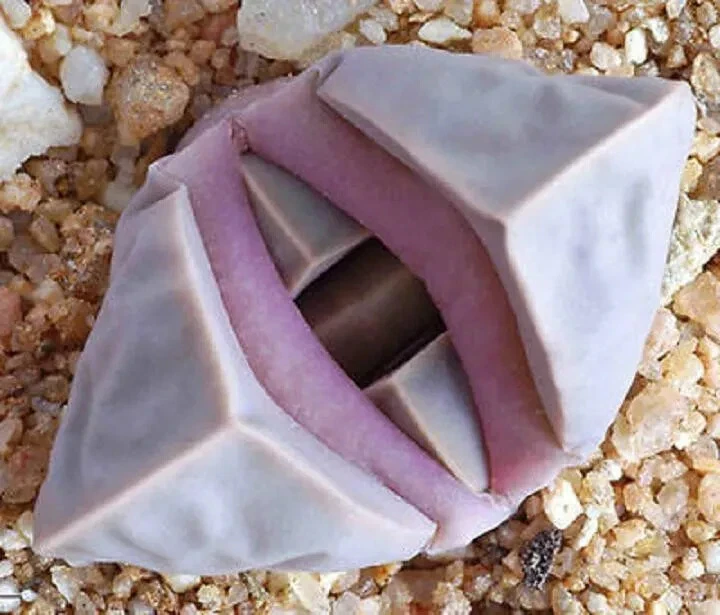
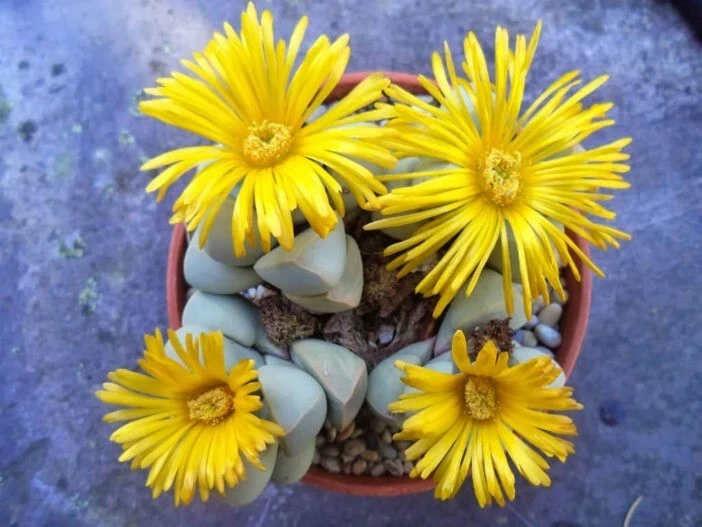
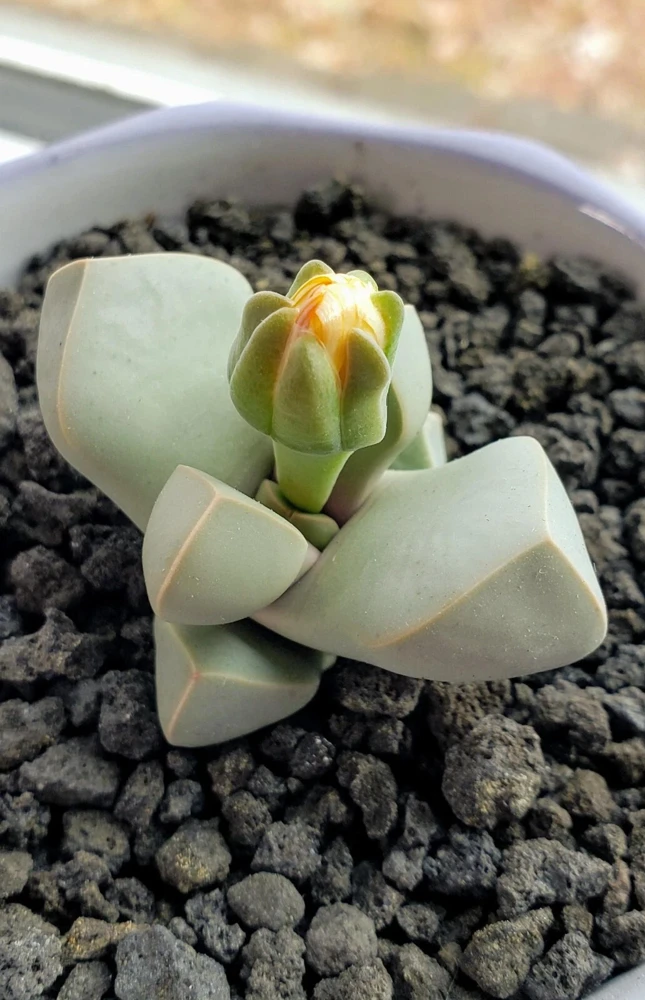
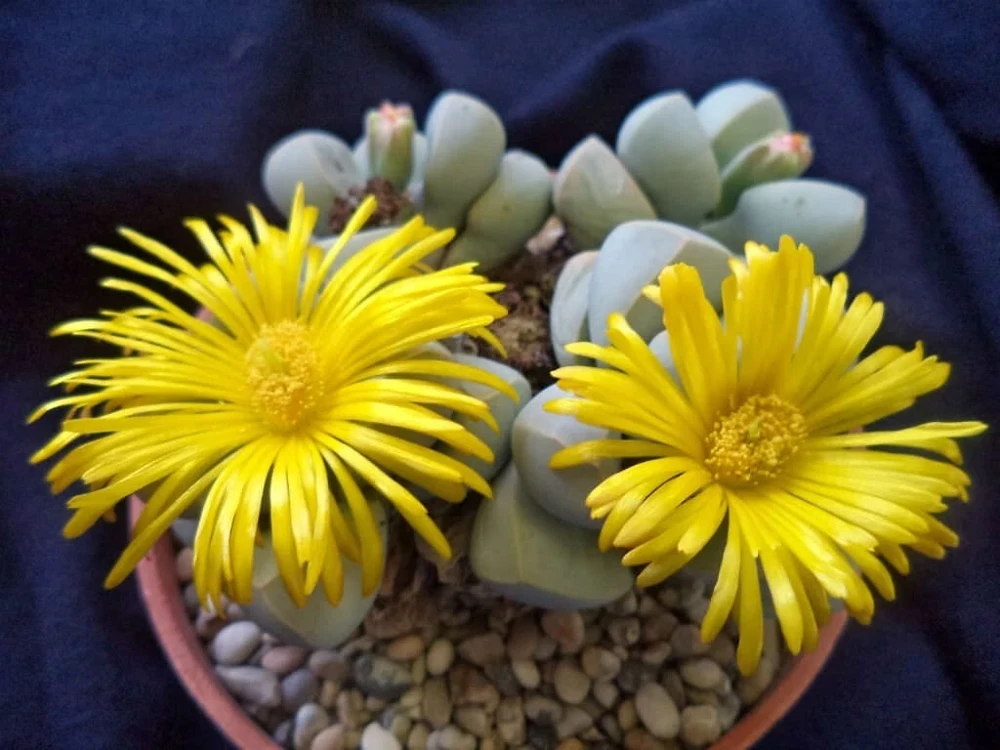
Embark on a fascinating horticultural journey with our premium Lapidaria margaretae seeds. Known as the Karoo Rose, this extraordinary succulent is a highly sought-after member of the Aizoaceae family, often grouped with other ‘living stone’ plants like Lithops and Conophytum. Originating from the arid regions of Namibia and South Africa, Lapidaria margaretae is celebrated for its unique, stone-like appearance and beautiful, often pinkish-white to yellow, daisy-like flowers that emerge in autumn. Growing these rare beauties from seed offers a rewarding experience, allowing you to witness their slow, captivating development from tiny seedlings into mature, jewel-like plants. Each seed promises the potential for a distinctive specimen, adding an exotic touch to any succulent collection or miniature desert landscape. These living stone seeds are perfect for those who appreciate the subtle artistry of nature and enjoy the challenge of nurturing unique botanical treasures.
This offering provides 30 high-quality seeds, carefully selected to ensure viability and genetic purity, giving you the best chance to propagate these remarkable plants. Whether you are a seasoned succulent enthusiast or a curious beginner, growing Lapidaria margaretae seeds is a meditative and gratifying endeavor. Their compact size and unusual aesthetics make them ideal for windowsills, terrariums, or specialized succulent displays. Discover the joy of cultivating your very own rare mesemb succulents from the very beginning.
Key Benefits
Growing Lapidaria margaretae seeds offers a multitude of benefits, from the sheer joy of cultivation to the aesthetic enhancement of your living space. These unique succulents are more than just plants; they are living sculptures that bring a touch of the extraordinary to your home or garden.
- Unique Aesthetic Appeal: Lapidaria margaretae boasts a distinctive, faceted, and often colorful appearance resembling small stones or jewels. Their compact form and unusual texture make them a captivating focal point in any plant collection, providing visual interest that few other plants can match.
- Rewarding Cultivation Experience: Starting these rare mesembs seeds from scratch is incredibly satisfying. Witnessing the slow but steady growth of these tiny seedlings into mature, beautiful specimens offers a deep sense of accomplishment and connection to nature.
- Low Maintenance Once Established: Like many succulents, Lapidaria margaretae are remarkably drought-tolerant and require minimal watering once they are mature. This makes them an ideal choice for busy individuals or those seeking beautiful, yet undemanding, plant companions.
- Perfect for Collectors: For succulent and cactus collectors, Lapidaria margaretae is a must-have. Its rarity and unique characteristics make it a prized addition, diversifying any collection with its exotic charm and intriguing growth habit.
- Space-Saving Beauty: Due to their naturally compact size, these plants are perfect for small spaces, windowsills, office desks, or terrariums. You don’t need a large garden to enjoy the beauty of these exotic cactus seeds.
- Educational Opportunity: Growing these specialized succulents can be a great learning experience, deepening your understanding of plant biology, adaptation to arid environments, and the specific needs of unique plant species.
- Drought-Tolerant and Resilient: Adapted to harsh desert conditions, Lapidaria margaretae are incredibly resilient. They thrive in environments where many other plants would struggle, making them a sustainable choice for xeriscaping or arid-climate gardens.
Plant Care & Growing Tips
Successfully germinating and growing Lapidaria margaretae seeds requires attention to specific conditions that mimic their natural arid habitat. Patience is key, as these plants have a slower growth rate. Begin by preparing a well-draining soil mix, typically a blend of pumice, perlite, and a small amount of organic potting soil. A good ratio is 70-80% inorganic material to 20-30% organic. Sterilize your soil mix and pots to prevent fungal issues. Sow the tiny seeds on the surface of the moist soil, gently pressing them in but not covering them, as they need light to germinate. Cover the pot with a clear lid or plastic wrap to maintain high humidity.
Provide bright, indirect light for germination; a grow light set to 12-14 hours a day is ideal. Maintain a consistent temperature between 68-75°F (20-24°C). Germination can take anywhere from a few days to several weeks. Once seedlings emerge, gradually reduce humidity by opening the cover for short periods each day, slowly acclimatizing them to normal air. Watering should be done carefully; keep the soil consistently moist but never waterlogged during the seedling stage. As they mature, especially when growing succulent seeds like these, reduce watering significantly, allowing the soil to dry out completely between waterings. Overwatering is the most common cause of failure. Mature plants thrive in full sun to partial shade, requiring excellent drainage and protection from frost.
Fertilization is rarely needed for these plants; if you do fertilize, use a highly diluted, low-nitrogen succulent fertilizer once or twice during the growing season. Repotting should be infrequent, only when the plant outgrows its container, using the same well-draining soil mix. Be mindful of pests, though Lapidaria margaretae are generally resistant. Mealybugs can occasionally be an issue. Proper airflow is important to prevent fungal diseases. With careful attention to these details, your Lapidaria margaretae seeds will flourish into beautiful, mature specimens.
Size & Details
This offering includes 30 viable Lapidaria margaretae seeds, providing ample opportunity to cultivate these unique succulents. As mature plants, Lapidaria margaretae typically form compact clumps, usually reaching a height of 1-2 inches (2.5-5 cm) and spreading to about 2-4 inches (5-10 cm) wide, though larger, older clumps can be found. Their growth rate is slow, reflecting their adaptation to harsh, nutrient-poor environments. From seed to a noticeable plant can take several months, and reaching flowering maturity may take 2-3 years. The seeds are extremely tiny, requiring careful handling during sowing. Each seed has the potential to develop into a distinct plant, showcasing variations in color and form typical of this species.
The seeds are shipped in a protective packet to ensure their safety during transit. While germination rates can vary depending on conditions, our seeds are selected for optimal viability. Once established, these plants are long-lived, providing years of enjoyment. Their diminutive size makes them perfect for collectors who appreciate miniature gardens or wish to add rare specimens to their indoor plant displays. Expect a resilient and fascinating plant that will reward your patience with its enduring beauty.
Frequently Asked Questions
- Q: How big do Lapidaria margaretae plants get from these seeds? A: Mature Lapidaria margaretae plants typically remain very compact, growing to about 1-2 inches (2.5-5 cm) in height and spreading 2-4 inches (5-10 cm) wide. They form small, dense clumps over time, making them ideal for small pots and windowsills.
- Q: Are these Lapidaria margaretae seeds difficult to germinate? A: While they require specific conditions, germinating Lapidaria margaretae seeds is achievable for patient growers. Key factors include fresh seeds, a well-draining sterile soil mix, consistent warmth (68-75°F), bright indirect light, and high humidity during germination.
- Q: How much sunlight do Lapidaria margaretae plants need? A: Once established, Lapidaria margaretae thrive in bright light, ideally full sun to partial shade. If grown indoors, a south-facing window with some protection from intense midday sun, or under a grow light, is recommended to encourage compact growth and good coloration.
- Q: What kind of soil is best for growing these succulent seeds? A: A very well-draining, gritty soil mix is crucial. A common recommendation is 70-80% inorganic material like pumice, perlite, or coarse sand, mixed with 20-30% organic potting soil. This mimics their natural rocky, arid environment.
- Q: How often should I water Lapidaria margaretae plants? A: Water sparingly. During the growing season (typically fall to spring), water thoroughly but only when the soil has completely dried out. In summer dormancy, water very little, if at all. Overwatering is the biggest killer of these succulents.
- Q: When is the best time to plant these living stone seeds? A: Lapidaria margaretae can be sown any time indoors under controlled conditions. However, many growers prefer to sow in late summer or early autumn to align with their natural growing season, which can sometimes lead to better germination rates.
- Q: Are these plants frost-hardy? A: No, Lapidaria margaretae are not frost-hardy. They are native to warm, arid regions and must be protected from freezing temperatures. If grown outdoors in temperate climates, they should be brought indoors before the first frost.
- Q: How long does it take for these seeds to grow into mature plants? A: Germination can take 1-4 weeks. Seedlings grow slowly, and it can take 1-2 years for them to reach a noticeable size and 2-3 years or more to reach flowering maturity. Patience is a virtue when growing these unique plants.
- Q: What condition will the seeds arrive in? A: The exotic cactus seeds will arrive carefully packaged in a protective, labeled seed packet to ensure they are safe, dry, and ready for planting upon arrival.
- Q: Are Lapidaria margaretae plants easy to care for once established? A: Yes, once past the delicate seedling stage and established, they are quite easy to care for, requiring minimal watering and bright light. Their primary needs are good drainage and protection from overwatering and frost.
Be the first to review “Lapidaria margaretae Seeds – Rare Living Stone Cactus Seeds – 30 Count – Exotic Mesembs Succulent”
Related products




You May Like

How to Grow Passion Flower (Passiflora) for Tropical Blooms
Few climbing vines in the home garden command attention quite like the exotic Passion Flower (Passiflora). [...]
Nov

Thanksgiving Cactus Care: How to Get Thanksgiving Cactus to Bloom
Is your Thanksgiving cactus growing well but not giving you any flowers? Maybe it looked [...]
Nov

How to Grow Garlic for a Bountiful Home Harvest
Garlic (Allium sativum) is one of the most satisfying, low-maintenance, and flavor-packed crops you can [...]
Oct

Hardneck vs. Softneck Garlic: Which Should You Grow?
Have you ever stood in front of a seed catalog in mid-September, staring at dozens [...]
1 Comment
Oct

When to Plant Music Garlic: Ultimate US Fall Guide
Have you ever spent your fall weekend placing carefully chosen garlic cloves into rich, dark [...]
1 Comment
Oct

5 Best Bulbs for Fall Planting: Brighten Your Garden This Spring
Are you dreaming of a garden full of vibrant colors in the spring? The key [...]
Aug

10 Houseplants That Will Thrive in Your Kitchen
Are you tired of your kitchen feeling dull and lifeless? Want to add a little [...]
1 Comment
Aug
Reviews
There are no reviews yet.