

Asparagus Seeds 150+ Count – Perennial Heirloom Non-GMO Vegetable Garden
Original price was: 33.07 $.13.07 $Current price is: 13.07 $.
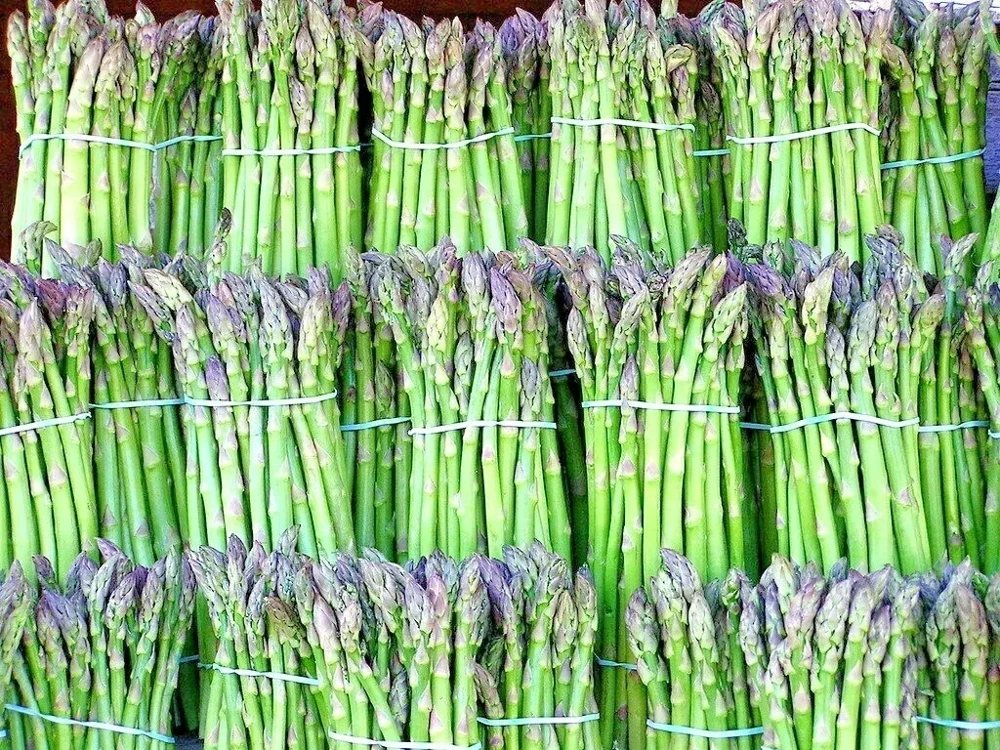
Start your own patch of delicious, nutritious asparagus seeds with this generous pack of over 150 non-GMO, heirloom seeds. These perennial vegetable seeds will establish a long-lasting crop, providing fresh spears for years to come. Perfect for any home gardener looking for a sustainable and rewarding harvest.
Estimated arrival
Nov 27
Dec 02 - Dec 04
Dec 04 - Dec 09
See our Shipping Policy.
Get in touch with us via email, and our team will review your concerns.
Our Alive & Thrive Guarantee covers issues with your plants within the first 30 days. Read our Refund & Returns Policy.
-
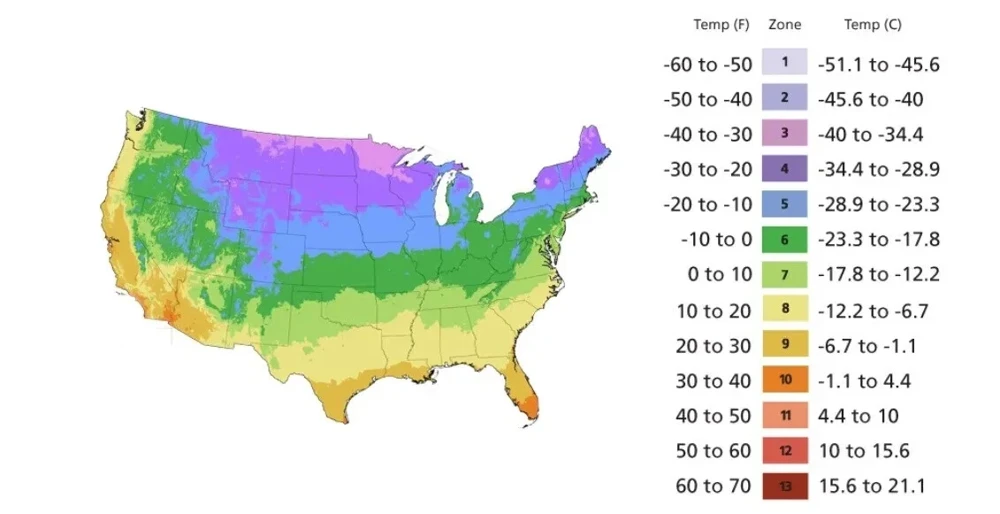
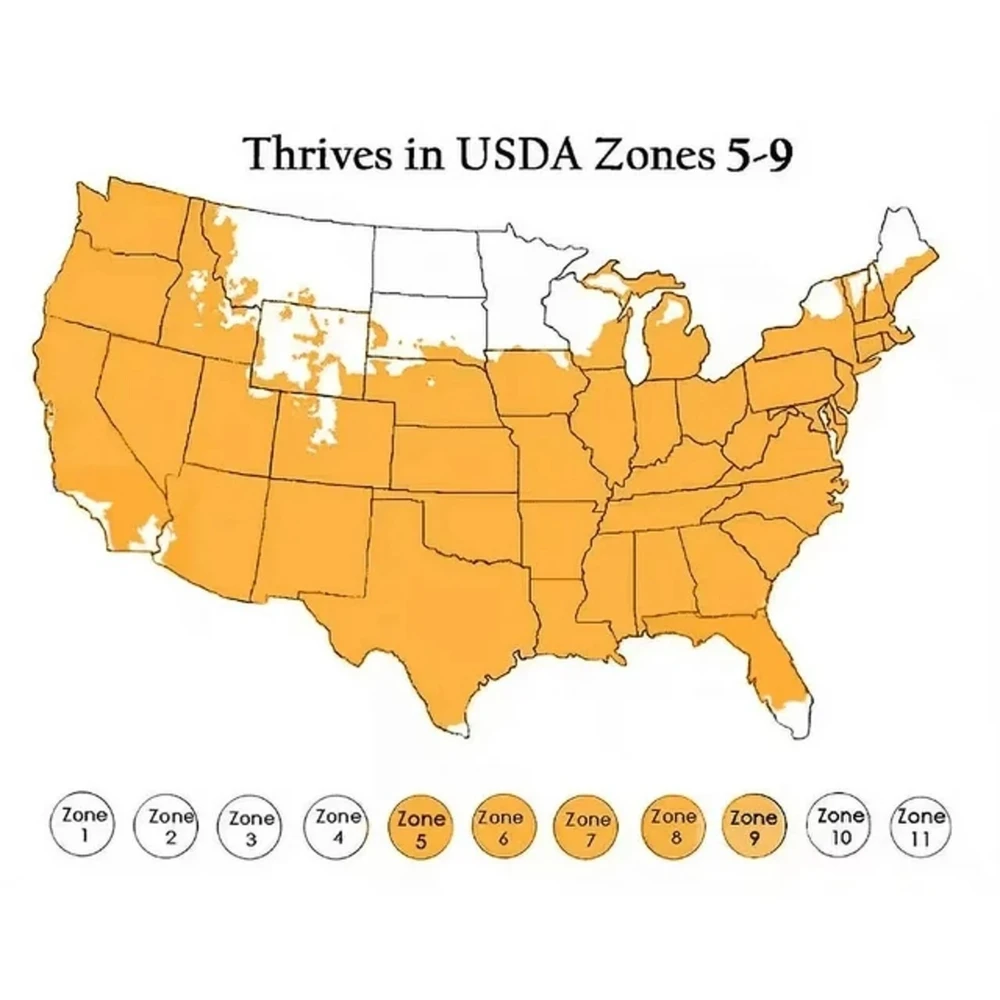
USDA Hardiness Zone
USDA zones 3-10 -
Soil Type
Well-draining, rich in organic matter, pH 6.5-7.5 -
Sunlight Exposure
Full sun (6-8+ hours daily) -
Expected Planting Period
Early spring
Overview
Embark on a rewarding gardening journey with our premium pack of over 150 asparagus seeds. Asparagus (Asparagus officinalis) is a highly prized perennial vegetable, renowned for its tender, flavorful spears that signal the arrival of spring. These heirloom asparagus seeds are non-GMO, ensuring you’re planting a natural and robust variety that has been passed down through generations. Growing asparagus from seed allows you to cultivate a deep-rooted, long-lasting crop that will yield fresh produce for 15-20 years or more with proper care. It’s an investment in your garden’s future and a delightful addition to any culinary enthusiast’s repertoire. Ideal for home gardeners, these seeds provide an economical way to establish a thriving asparagus patch, offering the freshest possible spears directly from your backyard.
Asparagus is a versatile and healthy vegetable, rich in vitamins A, C, E, and K, as well as fiber and folate. Its unique flavor and texture make it a gourmet choice, yet it is surprisingly easy to grow once established. Our asparagus seeds are sourced to provide you with the best chance of successful germination and strong plant development. Whether you’re a seasoned gardener or just starting out, cultivating your own asparagus patch from these high-quality seeds will be a fulfilling experience, culminating in bountiful harvests each spring.
Key Benefits
Growing your own asparagus from seed offers numerous advantages, both for your garden and your table. These non-gmo vegetable seeds are a fantastic choice for sustainable living and healthy eating:
- Long-Term Harvest: Asparagus is a perennial plant, meaning once established, it will produce delicious spears for 15 to 20 years or even longer. This makes it a highly sustainable and cost-effective vegetable crop for your garden.
- Superior Flavor: Freshly harvested asparagus spears have an unparalleled taste and tenderness that store-bought varieties often lack. Enjoy the peak of flavor right from your garden.
- Nutritional Powerhouse: Asparagus is packed with essential vitamins (A, C, E, K), minerals, and antioxidants, contributing to a healthy diet. It’s also a good source of dietary fiber.
- Heirloom Quality: These are heirloom asparagus seeds, meaning they come from open-pollinated plants that consistently produce true-to-type offspring. This ensures genetic diversity and robust growth.
- Non-GMO Assurance: Our seeds are guaranteed non-GMO, allowing you to grow food free from genetic modification, aligning with natural gardening practices.
- Economical Gardening: Starting asparagus from seed is significantly more cost-effective than purchasing crowns, especially when establishing a larger patch. This pack provides over 150 seeds, offering a generous start.
- Spring Delicacy: Asparagus is one of the first vegetables to emerge in spring, providing an exciting early harvest after the long winter months.
Plant Care & Growing Tips
To successfully grow asparagus from these seeds, patience and proper preparation are key. Asparagus thrives in full sun, requiring at least 6-8 hours of direct sunlight per day. Choose a permanent location for your asparagus bed, as it will remain productive for many years. The soil should be well-draining, rich in organic matter, and have a pH between 6.5 and 7.5. Before planting, amend the soil with compost or well-rotted manure to improve fertility and drainage. Dig trenches 6-8 inches deep and 12 inches wide, mounding a ridge of soil in the center.
Sow the asparagus seeds about 2 inches apart on top of the soil ridge in early spring, covering them with 1-2 inches of soil. Keep the soil consistently moist but not waterlogged until germination, which can take 2-8 weeks. Once seedlings emerge, thin them to 6-12 inches apart. During the first two years, focus on establishing a strong root system. Allow the ferny foliage to grow throughout the season, as this is how the plant gathers energy for future harvests. Water regularly, especially during dry periods, and keep the bed free of weeds, which can compete with young asparagus plants for nutrients and moisture. Fertilize annually in spring with a balanced fertilizer or more compost.
Asparagus plants are generally hardy, typically thriving in USDA zones 3-10. In colder climates, apply a thick layer of mulch in late fall to protect the crowns over winter. Pest and disease issues are minimal if plants are grown in healthy soil and given adequate space and sunlight. Be vigilant for asparagus beetles, which can be hand-picked or controlled with organic insecticides if necessary. Remember, the first harvest is usually in the third year after planting, but the wait is well worth the reward of fresh, homegrown perennial vegetable seeds.
Size & Details
This product includes a packet containing over 150 individual asparagus seeds. Each seed is ready for planting and designed to develop into a robust asparagus plant. Asparagus plants typically grow to a height of 3 to 5 feet with a spread of 2 to 3 feet once mature, forming a dense, fern-like canopy. The seeds are ideal for starting indoors 8-10 weeks before the last frost or direct sowing outdoors in early spring. Expect germination to occur within 2 to 8 weeks under optimal conditions. While initial growth may seem slow, the plant is focusing on developing its extensive root system.
These non-gmo vegetable seeds are intended for establishing a long-term asparagus patch. Once established, an asparagus plant will produce edible spears for many years, typically starting its harvestable yield in the third year after planting. The spears themselves can be harvested when they are 6-10 inches tall and about 1/2 to 3/4 inch thick. The packet size is compact and designed for easy storage until planting season. The seeds are suitable for cultivation across a wide range of climates, particularly in regions where the ground freezes in winter, which helps the plants go dormant and re-emerge vigorously in spring.
Frequently Asked Questions
- Q: How many asparagus seeds are included in this packet? A: This packet contains over 150 premium asparagus seeds, providing a generous quantity to start a substantial asparagus patch in your garden. This allows for ample germination and plant establishment.
- Q: When is the best time to grow asparagus from seed? A: The ideal time to plant these asparagus seeds is in early spring, either by direct sowing outdoors after the last frost or by starting them indoors 8-10 weeks before transplanting. This gives them a head start for the growing season.
- Q: Is asparagus an indoor or outdoor plant? A: Asparagus is primarily an outdoor perennial vegetable. It requires significant space and a dormant period over winter to thrive and produce spears year after year.
- Q: How much sunlight does asparagus need? A: Asparagus plants require full sun, meaning at least 6-8 hours of direct sunlight per day, to produce the best yields. Choose a sunny spot for your asparagus bed.
- Q: Is growing asparagus from seed difficult for beginners? A: While it requires patience as the first harvest is in the third year, starting asparagus seeds is not overly difficult. Consistent moisture, good soil, and weed control are crucial in the initial stages.
- Q: What condition will the seeds arrive in? A: The seeds will arrive in a protective packet, ensuring they are dry and viable for planting. They are ready to be sown upon receipt.
- Q: How long until I can harvest asparagus from these seeds? A: Asparagus is a long-term crop. You can typically expect your first harvest of spears in the third year after planting the seeds. The plants need the first two years to establish a strong root system.
- Q: What USDA hardiness zones are suitable for these perennial vegetable seeds? A: Asparagus is very hardy and generally thrives in USDA zones 3 through 10. It benefits from a cold dormant period in winter.
- Q: Can I use these non-gmo vegetable seeds for organic gardening? A: Yes, as these are non-GMO heirloom seeds, they are perfectly suitable for organic gardening practices, provided you use organic soil amendments and pest control methods.
- Q: How tall do asparagus plants grow? A: Mature asparagus plants typically grow to a height of 3 to 5 feet, forming attractive fern-like foliage during the non-harvesting season.
Be the first to review “Asparagus Seeds 150+ Count – Perennial Heirloom Non-GMO Vegetable Garden”
Related products


Vegetable Seeds
Tendersweet Carrot Seeds – 1500 Count, Deep Orange Red Vegetable


Vegetable Seeds
Yellow Cheese Pimento Pepper Seeds – 50 Count – Sweet & Mild

You May Like

How to Grow Passion Flower (Passiflora) for Tropical Blooms
Few climbing vines in the home garden command attention quite like the exotic Passion Flower (Passiflora). [...]
Nov

Thanksgiving Cactus Care: How to Get Thanksgiving Cactus to Bloom
Is your Thanksgiving cactus growing well but not giving you any flowers? Maybe it looked [...]
Nov

How to Grow Garlic for a Bountiful Home Harvest
Garlic (Allium sativum) is one of the most satisfying, low-maintenance, and flavor-packed crops you can [...]
Oct

Hardneck vs. Softneck Garlic: Which Should You Grow?
Have you ever stood in front of a seed catalog in mid-September, staring at dozens [...]
1 Comment
Oct

When to Plant Music Garlic: Ultimate US Fall Guide
Have you ever spent your fall weekend placing carefully chosen garlic cloves into rich, dark [...]
1 Comment
Oct

5 Best Bulbs for Fall Planting: Brighten Your Garden This Spring
Are you dreaming of a garden full of vibrant colors in the spring? The key [...]
Aug

10 Houseplants That Will Thrive in Your Kitchen
Are you tired of your kitchen feeling dull and lifeless? Want to add a little [...]
1 Comment
Aug
Reviews
There are no reviews yet.