
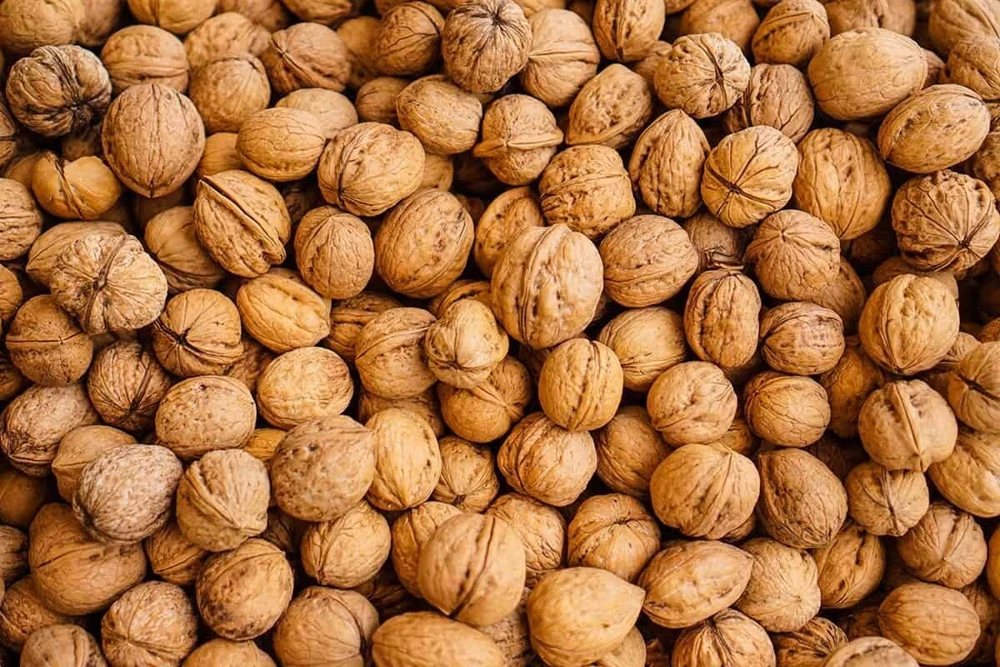
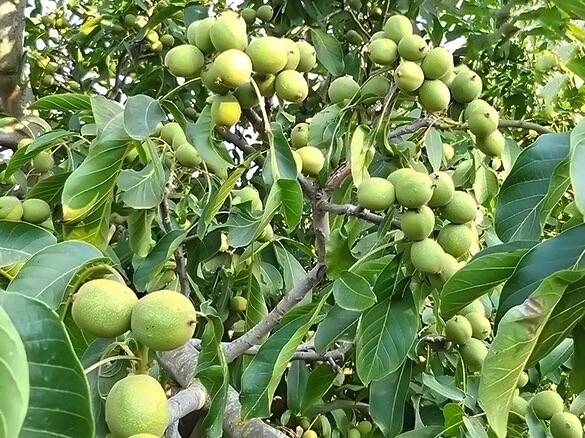
Chandler Walnut Seeds – Juglans Regia – 10 Perennial Tree Seeds – Outdoor
Original price was: 19.98 $.15.99 $Current price is: 15.99 $.
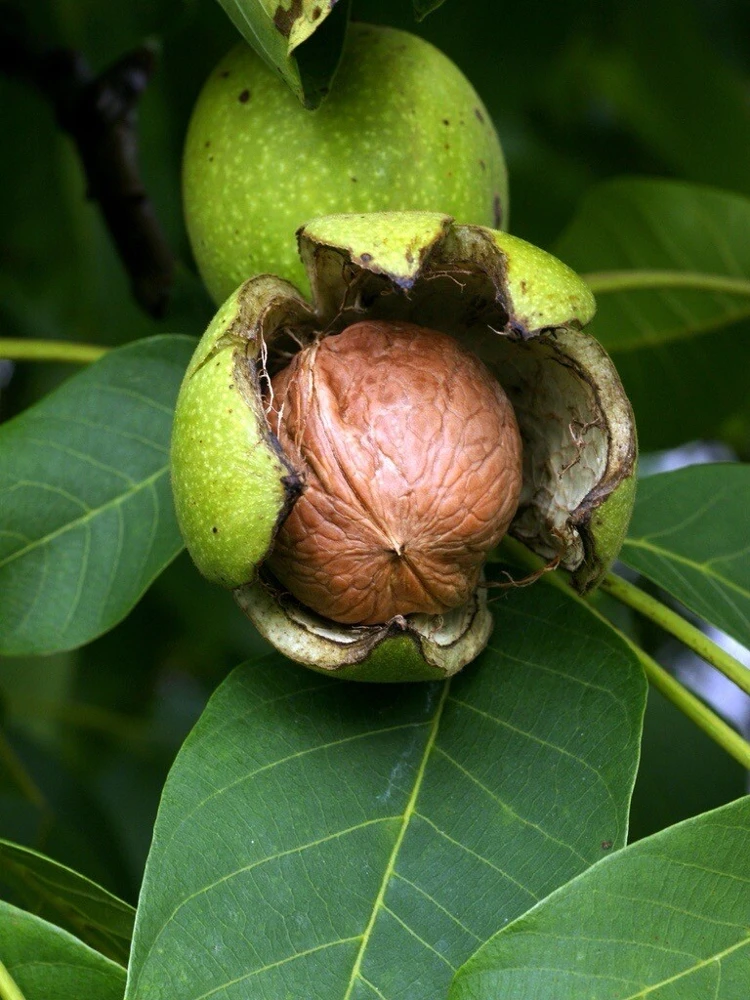
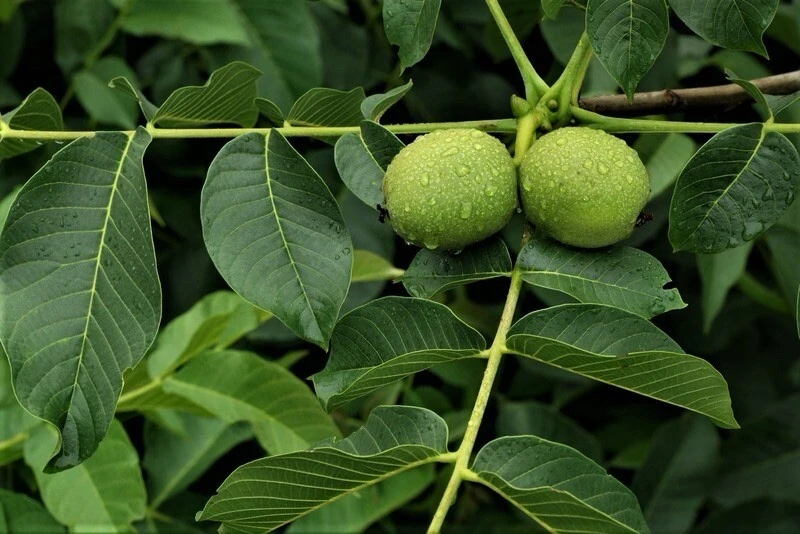
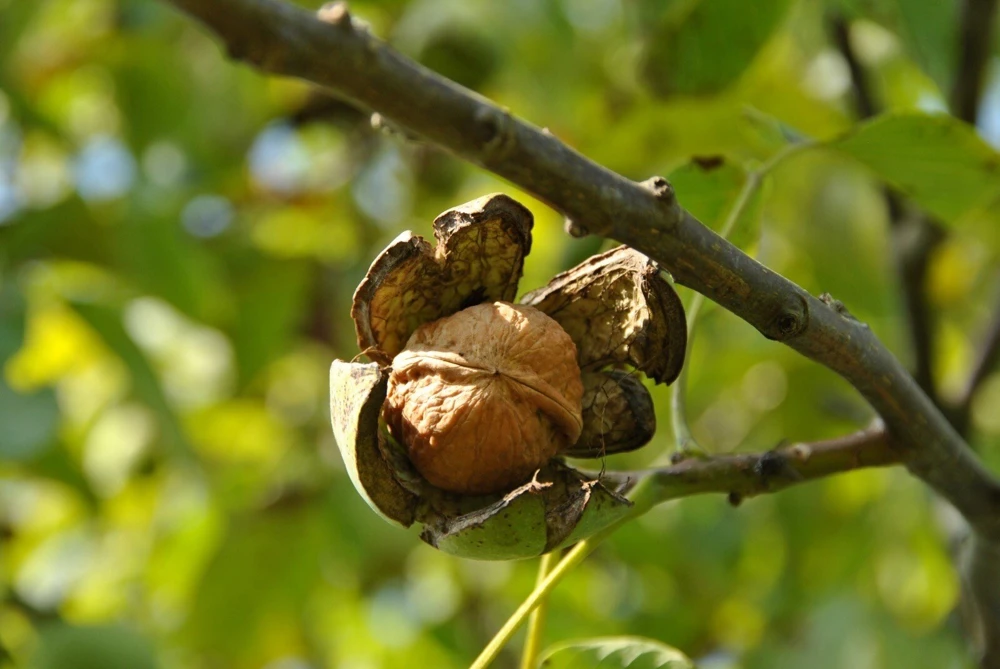
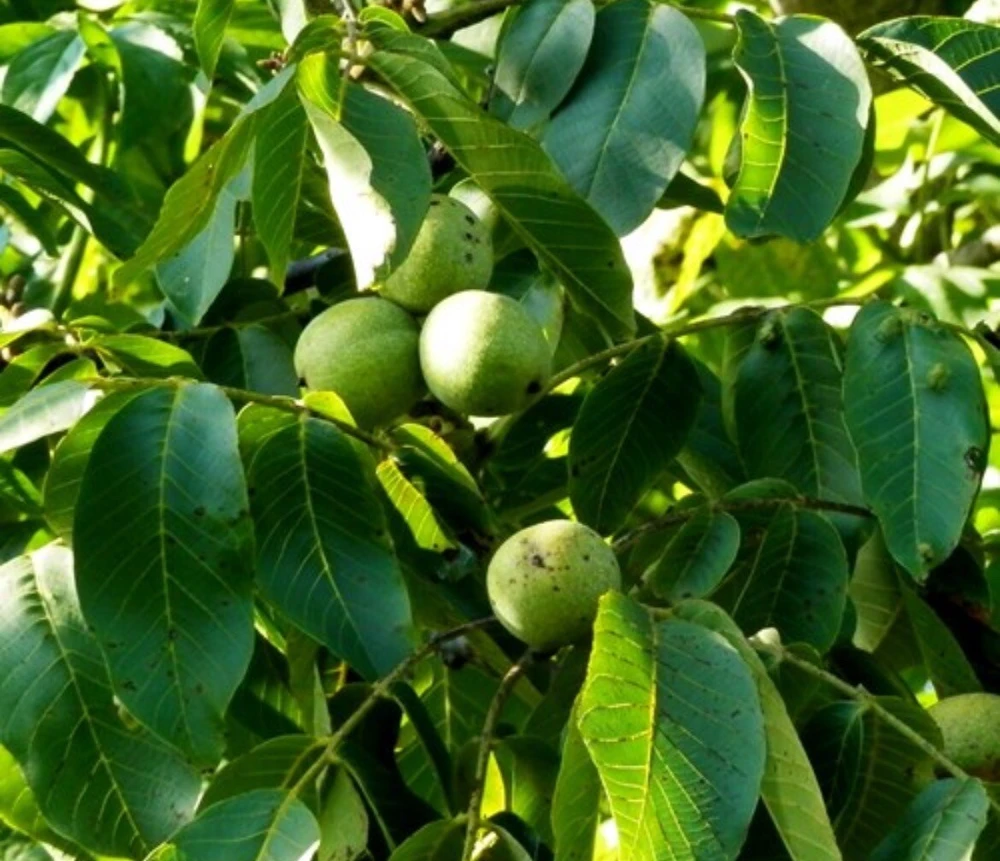
Start your own Chandler Walnut trees with this pack of 10 Chandler Walnut seeds (Juglans Regia). These perennial tree seeds are ideal for outdoor planting and will mature into productive, self-pollinating trees yielding delicious edible nuts.
Estimated arrival
Nov 26
Dec 01 - Dec 03
Dec 03 - Dec 08
See our Shipping Policy.
Get in touch with us via email, and our team will review your concerns.
Our Alive & Thrive Guarantee covers issues with your plants within the first 30 days. Read our Refund & Returns Policy.
-
USDA Hardiness Zone
USDA Zones 7-10 -
Soil Type
Deep, fertile, well-draining loamy soil -
Sunlight Exposure
Full Sun -
Expected Planting Period
Spring after stratification
Overview
Cultivate your own bountiful harvest with these premium Chandler Walnut seeds. Known for their high quality and ease of cracking, the Chandler Walnut is a popular choice for both commercial growers and home gardeners. This offering provides 10 Chandler Walnut seeds, scientifically known as Juglans Regia, allowing you to establish your own productive walnut trees. These seeds are perfect for those looking to embark on a rewarding gardening project, yielding delicious and nutritious walnuts. As a perennial tree, the Chandler Walnut tree will provide many years of harvest once established, making it a valuable addition to any landscape or orchard. Growing your own walnut trees from seed offers the satisfaction of nurturing a plant from its earliest stage to a mature, fruit-bearing specimen.
Key Benefits
Growing Chandler Walnut trees from seed offers numerous advantages for the dedicated gardener and those seeking sustainable food sources.
- High-Quality Walnuts: Chandler walnuts are renowned for their large size, light-colored kernels, and thin shells, making them easy to crack and highly desirable for culinary use. Enjoy fresh, home-grown nuts.
- Self-Pollinating: These trees are self-fertile, meaning a single tree can produce nuts without the need for a second pollinator. This simplifies the planting process, especially for smaller gardens.
- Long-Term Investment: As a perennial tree, once established, your Chandler Walnut trees will produce nuts for many decades, offering a consistent and sustainable food source.
- Edible Harvest: The primary benefit is the yield of delicious and healthy walnuts, perfect for snacking, baking, or cooking. Walnuts are rich in omega-3 fatty acids and antioxidants.
- Landscape Value: Beyond their edible yield, Chandler Walnut trees are attractive shade trees with broad canopies, enhancing the aesthetic appeal of your property.
- Grow Walnut Trees: Experience the satisfaction of nurturing a tree from a small seed to a mature, nut-bearing plant, connecting you with nature and food production.
Plant Care & Growing Tips
To successfully grow walnut trees from your Chandler Walnut seeds, understanding their specific care requirements is crucial. These trees thrive in full sun, requiring at least 6-8 hours of direct sunlight per day to ensure optimal growth and nut production. When planting your Juglans Regia seeds, choose a location with well-draining soil. Walnuts prefer deep, fertile, loamy soil with a pH between 6.0 and 7.0. Avoid heavy clay soils or areas prone to waterlogging, as this can lead to root rot. Initial watering should be consistent to help establish the seedlings, keeping the soil moist but not saturated. Once established, walnut trees are relatively drought-tolerant but will benefit from deep watering during dry periods, especially when nuts are developing.
Chandler Walnut trees are hardy and can tolerate a range of temperatures, typically thriving in USDA Zones 7-10. They require a certain number of chilling hours during winter for proper nut development. Fertilization can begin after the first year, using a balanced fertilizer in early spring as new growth emerges. Pruning should focus on developing a strong central leader and good branch structure, removing any dead, damaged, or crossing branches. While relatively resistant to many pests, monitor for common issues like walnut blight or codling moths and address them promptly. Proper care will ensure your perennial tree seeds develop into robust, productive trees.
Size & Details
This offering includes 10 Chandler Walnut seeds, providing a solid foundation for establishing a small grove or several individual trees. The Chandler Walnut (Juglans Regia) is a medium to large-sized deciduous tree that can reach heights of 40-60 feet with a spread of 30-50 feet at maturity, making it an excellent choice for a shade tree or orchard. These seeds are ready for planting and will typically germinate within a few weeks to a few months, depending on stratification and growing conditions. While the trees can begin producing nuts within 3-5 years, a significant harvest typically starts around 7-10 years. The seeds are suitable for outdoor planting, designed to produce mature trees that yield high-quality edible nuts. The growth habit is generally clumping, developing a strong framework over time.
Frequently Asked Questions
- Q: How big do Chandler Walnut trees get? A: Chandler Walnut trees can grow to be quite large, typically reaching heights of 40-60 feet with a spread of 30-50 feet at full maturity. They require ample space to thrive and develop their extensive root system.
- Q: Is this an indoor or outdoor plant? A: These Chandler Walnut seeds are intended for outdoor planting. Walnut trees are large, deciduous trees that need significant space and specific outdoor conditions to grow and produce nuts.
- Q: How much sunlight does a Chandler Walnut tree need? A: Chandler Walnut trees require full sun exposure, meaning at least 6-8 hours of direct sunlight per day. Adequate sunlight is crucial for healthy growth and optimal nut production.
- Q: Is it easy to grow walnut trees from seed? A: Growing walnut trees from seed requires patience and specific stratification techniques to break dormancy. While not as immediate as planting a sapling, it is a rewarding process for dedicated gardeners.
- Q: What condition will the seeds arrive in? A: The 10 Chandler Walnut seeds will arrive as dormant seeds, ready for stratification and planting according to best practices for perennial tree seeds.
- Q: How long until the trees produce nuts? A: While some early nut production might occur around 3-5 years, significant and consistent harvests from your Chandler Walnut trees typically begin when the trees are 7-10 years old.
- Q: What’s the minimum temperature these trees can tolerate? A: Chandler Walnut trees are hardy and can tolerate winter temperatures down to USDA Zone 7, which generally means they can withstand temperatures between 0°F and 10°F (-17.8°C and -12.2°C) when fully dormant.
- Q: Can I use the walnuts in cooking? A: Absolutely! The walnuts produced from these edible nut seeds are excellent for all culinary uses, including baking, snacking, salads, and more. Chandler walnuts are prized for their light color and mild flavor.
- Q: Do I need more than one tree for pollination? A: No, Chandler Walnut trees are self-pollinating, meaning a single tree can produce nuts. However, planting multiple trees can sometimes lead to increased yields due to cross-pollination.
- Q: When is the best time to plant Chandler Walnut seeds? A: After proper stratification, the best time to plant Juglans Regia seeds is in the spring, once the danger of hard frost has passed and the soil begins to warm up.
Be the first to review “Chandler Walnut Seeds – Juglans Regia – 10 Perennial Tree Seeds – Outdoor”
Related products




You May Like

How to Grow Passion Flower (Passiflora) for Tropical Blooms
Few climbing vines in the home garden command attention quite like the exotic Passion Flower (Passiflora). [...]
Nov

Thanksgiving Cactus Care: How to Get Thanksgiving Cactus to Bloom
Is your Thanksgiving cactus growing well but not giving you any flowers? Maybe it looked [...]
Nov

How to Grow Garlic for a Bountiful Home Harvest
Garlic (Allium sativum) is one of the most satisfying, low-maintenance, and flavor-packed crops you can [...]
Oct

Hardneck vs. Softneck Garlic: Which Should You Grow?
Have you ever stood in front of a seed catalog in mid-September, staring at dozens [...]
1 Comment
Oct

When to Plant Music Garlic: Ultimate US Fall Guide
Have you ever spent your fall weekend placing carefully chosen garlic cloves into rich, dark [...]
1 Comment
Oct

5 Best Bulbs for Fall Planting: Brighten Your Garden This Spring
Are you dreaming of a garden full of vibrant colors in the spring? The key [...]
Aug

10 Houseplants That Will Thrive in Your Kitchen
Are you tired of your kitchen feeling dull and lifeless? Want to add a little [...]
1 Comment
Aug
Reviews
There are no reviews yet.