
Brown Flax Linseed Seeds – 200 Seeds, Annual, Full Sun, Outdoor
Original price was: 19.98 $.15.99 $Current price is: 15.99 $.
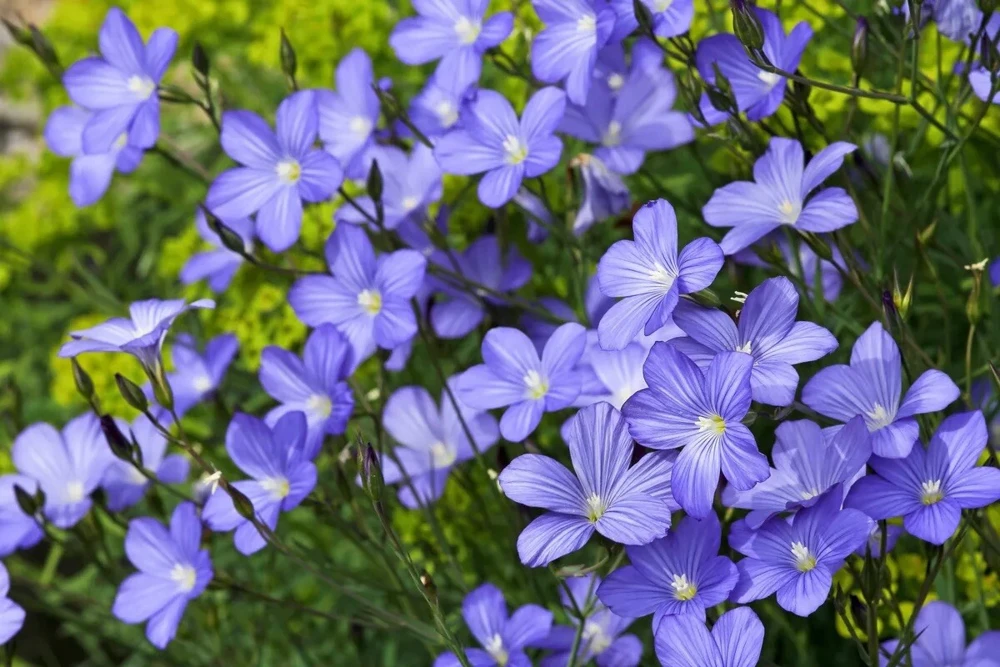
Cultivate your own Brown Flax seeds with this convenient pack of 200 Linseed seeds for planting. These easy-to-grow annuals thrive in full sun, producing attractive green foliage, blue flowers, and valuable brown seeds for various uses. Ideal for outdoor gardens and home cultivation.
Estimated arrival
Nov 27
Dec 02 - Dec 04
Dec 04 - Dec 09
See our Shipping Policy.
Get in touch with us via email, and our team will review your concerns.
Our Alive & Thrive Guarantee covers issues with your plants within the first 30 days. Read our Refund & Returns Policy.
-
USDA Hardiness Zone
Annual (not zone specific) -
Soil Type
Well-draining loamy soil -
Sunlight Exposure
Full Sun -
Expected Planting Period
Spring to early summer
Overview
Discover the versatility of Brown Flax seeds, also known as Linseed, with this generous pack of 200 high-quality seeds. Scientifically known as Linum usitatissimum, this ancient crop is celebrated for its beautiful blue flowers, edible seeds, and fast-growing nature. Whether you’re a seasoned gardener or just starting, these seeds offer an easy and rewarding experience for anyone looking to grow Flax plant. Originating from the United States, these annual plants are perfect for adding a touch of natural beauty and utility to your outdoor garden spaces. From ornamental appeal to nutritional benefits, cultivating your own flax is a sustainable and satisfying endeavor.
Flax has been grown for thousands of years for its fibers, which are used to make linen, and its seeds, which are rich in omega-3 fatty acids. This particular variety, with its brown seeds, is excellent for culinary use, adding a nutty flavor and nutritional boost to various dishes. Prepare to enjoy the full cycle of growth, from the delicate spring flowers to the abundant summer harvest, making these Linum usitatissimum seeds a fantastic addition to any home garden.
Key Benefits
Growing Brown Flax seeds offers a multitude of advantages, enhancing both your garden and your lifestyle. These plants are not only visually appealing but also provide practical benefits:
- Nutritional Value: The mature brown seeds are a rich source of omega-3 fatty acids, fiber, and lignans, making them a healthy addition to your diet. You can easily harvest your own edible Flax seeds for baking, smoothies, or as a topping for yogurt and salads.
- Easy Cultivation: Flax is known for its resilience and ease of growth, making it an excellent choice for beginners and experienced gardeners alike. It requires minimal fuss once established, allowing you to enjoy a bountiful harvest with less effort.
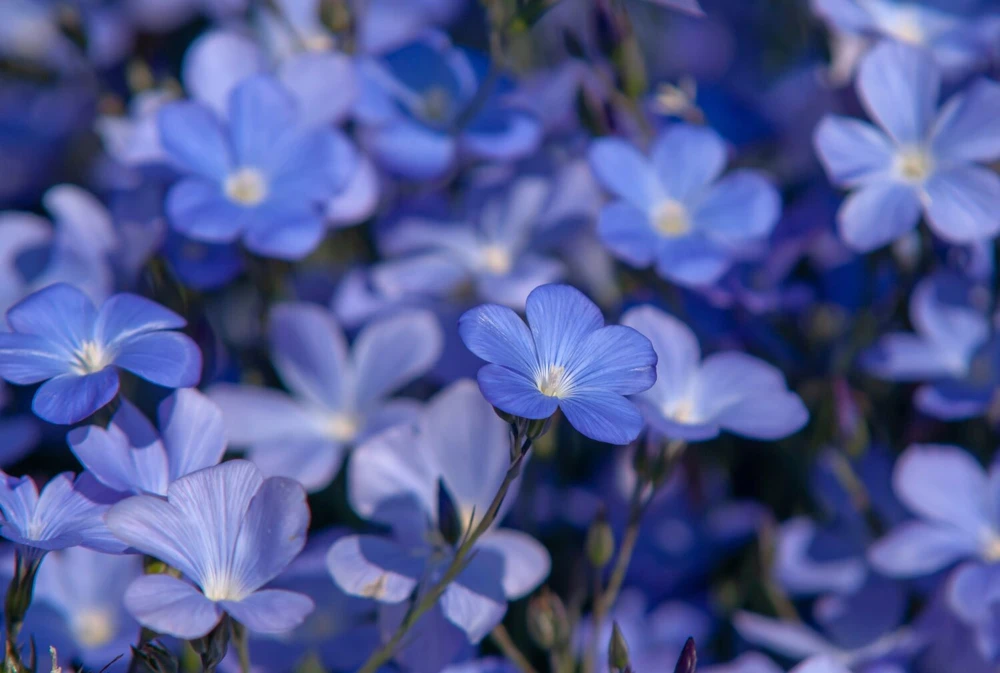
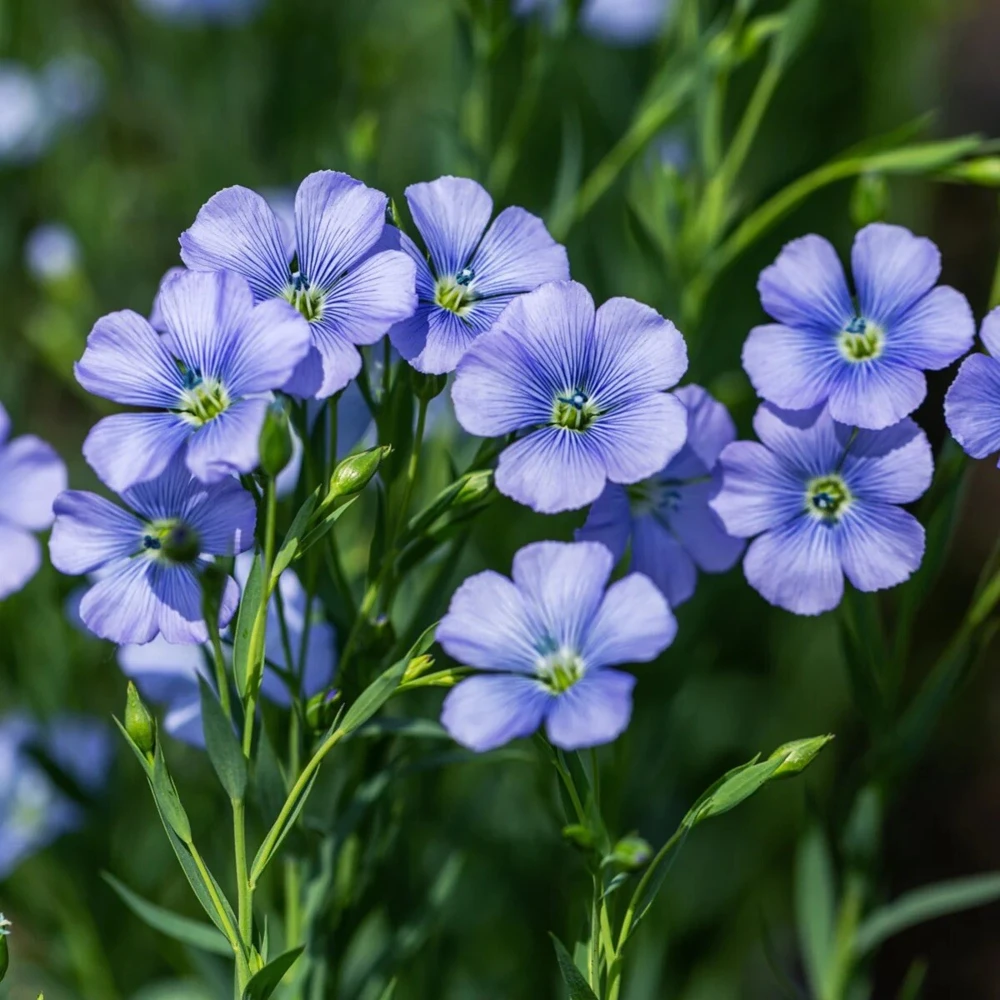
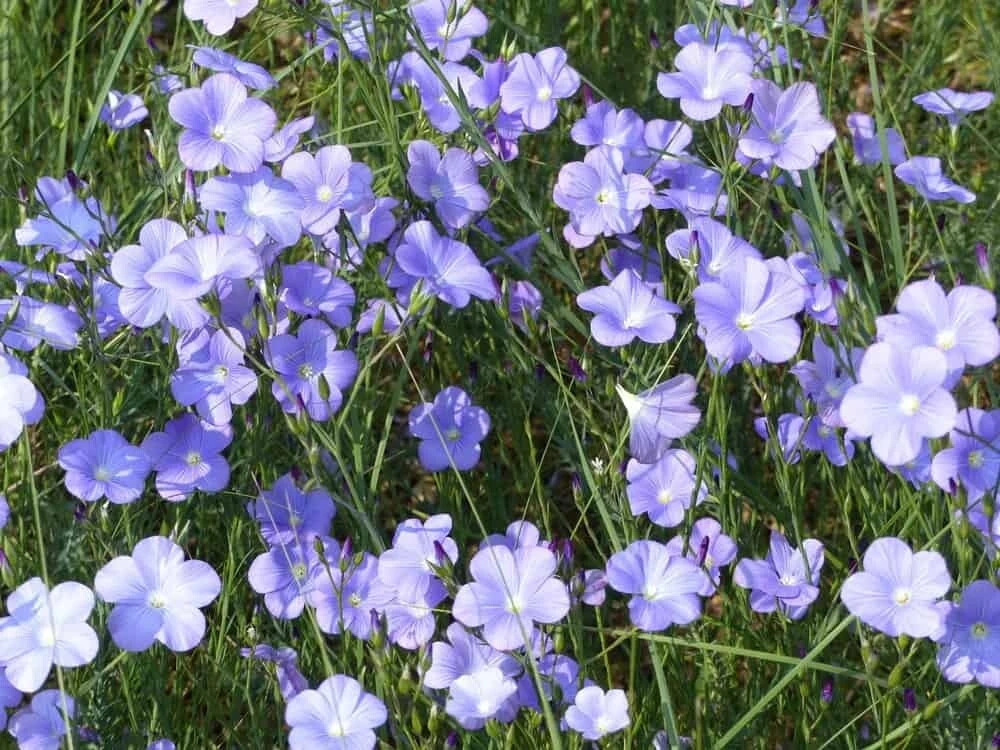
- Attractive Blooms: During the growing season, flax plants produce delicate, sky-blue flowers that add a charming aesthetic to your garden. These blooms contribute to biodiversity by attracting pollinators.
- Fast Growing: These annual plants establish quickly, providing a relatively rapid return on your planting efforts. You’ll observe significant growth and development throughout the spring and summer months.
- Versatile Use: Beyond edible seeds, flax has historical uses in textile production from its fibers. While primarily grown for seeds in a home garden, understanding its full potential adds to the satisfaction of cultivation.
- Outdoor Adaptability: Perfectly suited for outdoor environments, these seeds thrive in garden beds, raised planters, or even larger containers, given sufficient sunlight and space.
- Seasonal Interest: Enjoy continuous interest from your flax plants throughout Fall, Spring, and Summer, from germination to flowering and seed production.
Plant Care & Growing Tips
To successfully grow Flax plant from your Brown Flax seeds, follow these straightforward care instructions. Flax is a relatively low-maintenance plant, but providing optimal conditions will ensure a healthy and productive crop. These plants are annuals, meaning they complete their life cycle within one growing season.
Sunlight Requirements: Flax thrives in full sun, meaning it needs at least 6-8 hours of direct sunlight per day. Choose a location in your garden that receives ample light throughout the day to encourage robust growth and abundant seed production. While it can tolerate partial sun, full sun is ideal for the best results.
Watering Schedule & Soil Moisture: Keep the soil consistently moist, especially during germination and the early growth stages. Once established, flax is somewhat drought-tolerant but will perform best with regular watering, particularly during dry spells. Avoid overwatering, as this can lead to root rot. Good drainage is crucial. The soil should feel damp to the touch but not waterlogged.
Soil Type & Drainage: Flax prefers well-draining soil with a neutral pH (6.0-7.0). A loamy soil rich in organic matter is ideal. If your soil is heavy clay, amend it with compost or sand to improve drainage. For sandy soils, adding compost will help retain moisture and nutrients. Ensure your planting area has good drainage to prevent waterlogging.
Temperature Range & USDA Hardiness Zone: As an annual, flax is not typically categorized by USDA hardiness zones in the same way perennials are. However, it prefers cool to moderate temperatures for germination and early growth, thriving in spring and early summer conditions. It is tolerant of warmer temperatures during its flowering and seed development phases. It’s best planted after the last frost date in your region.
Fertilization Schedule: Flax generally does not require heavy fertilization. If your soil is poor, incorporate some balanced slow-release fertilizer or compost into the soil before planting. During the growing season, a light application of a balanced liquid fertilizer every 4-6 weeks can be beneficial, but often, healthy soil will provide sufficient nutrients for your Linseed seeds for planting.
Common Problems & Solutions: Flax is relatively pest and disease resistant. However, watch out for aphids or flea beetles, which can be managed with organic insecticidal soap if infestations occur. Ensure good air circulation to prevent fungal diseases, especially in humid conditions. Proper spacing between plants can help in this regard. Crop rotation is also a good practice to prevent soil-borne diseases.
Size & Details
These Brown Flax seeds are cultivated to produce annual plants that typically reach a height of 1 to 3 feet (30-90 cm) at maturity, with a spread of about 6-12 inches (15-30 cm). The plants feature slender stems with narrow, green leaves, culminating in delicate blue flowers that eventually give way to seed capsules containing the valuable brown seeds. The seeds are packaged as 200 individual seeds, providing ample quantity for a substantial planting area or multiple smaller plantings. This allows for a good harvest of edible Flax seeds for personal use. The growth rate is considered fast, with plants reaching maturity and producing seeds within 90-120 days from planting, depending on climate and growing conditions. They are shipped as dry seeds, ready for direct sowing into your prepared garden beds. Expect to see germination within 7-14 days under optimal conditions, leading to a vibrant and productive flax patch.
Frequently Asked Questions
- Q: How big does a flax plant get? A: A flax plant typically grows between 1 to 3 feet (30-90 cm) tall, with a spread of 6-12 inches. Its size can vary slightly based on growing conditions and available nutrients.
- Q: Is this an indoor or outdoor plant? A: Flax is primarily an outdoor plant, thriving in garden beds, raised planters, or large outdoor containers where it can receive full sun exposure.
- Q: How much sunlight does it need? A: Brown Flax seeds require full sun, meaning at least 6-8 hours of direct sunlight per day, to ensure healthy growth and optimal seed production.
- Q: Is this plant easy to care for? A: Yes, flax is considered an easy-to-cultivate annual plant, making it suitable for gardeners of all experience levels. It requires consistent moisture but is otherwise quite resilient.
- Q: What condition will the seeds arrive in? A: Your Linum usitatissimum seeds will arrive as dry, viable seeds, carefully packaged to ensure their quality and readiness for planting.
- Q: Can I use the seeds in cooking? A: Absolutely! The brown seeds harvested from these plants are edible Flax seeds and can be used in a variety of culinary applications, such as baking, smoothies, or as a nutritious topping.
- Q: How long until it blooms and produces seeds? A: Flax plants typically begin to bloom within 60-70 days after planting, and the seeds will be ready for harvest approximately 90-120 days after planting, depending on growing conditions.
- Q: When is the best time to plant these seeds? A: The best time to plant Brown Flax seeds is in the spring, after the last danger of frost has passed, when soil temperatures have warmed up.
- Q: What is the best way to harvest the seeds? A: Harvest flax seeds when the seed capsules turn brown and dry. You can cut the entire plant and hang it to dry further, then thresh the seeds by gently shaking or crushing the dried capsules.
- Q: Are these seeds suitable for growing in containers? A: Yes, these seeds can be successfully grown in containers, provided the containers are large enough to accommodate the plant’s root system and offer good drainage.
Be the first to review “Brown Flax Linseed Seeds – 200 Seeds, Annual, Full Sun, Outdoor”
Related products


You May Like

How to Grow Passion Flower (Passiflora) for Tropical Blooms
Few climbing vines in the home garden command attention quite like the exotic Passion Flower (Passiflora). [...]
Nov

Thanksgiving Cactus Care: How to Get Thanksgiving Cactus to Bloom
Is your Thanksgiving cactus growing well but not giving you any flowers? Maybe it looked [...]
Nov

How to Grow Garlic for a Bountiful Home Harvest
Garlic (Allium sativum) is one of the most satisfying, low-maintenance, and flavor-packed crops you can [...]
Oct

Hardneck vs. Softneck Garlic: Which Should You Grow?
Have you ever stood in front of a seed catalog in mid-September, staring at dozens [...]
1 Comment
Oct

When to Plant Music Garlic: Ultimate US Fall Guide
Have you ever spent your fall weekend placing carefully chosen garlic cloves into rich, dark [...]
1 Comment
Oct

5 Best Bulbs for Fall Planting: Brighten Your Garden This Spring
Are you dreaming of a garden full of vibrant colors in the spring? The key [...]
Aug

10 Houseplants That Will Thrive in Your Kitchen
Are you tired of your kitchen feeling dull and lifeless? Want to add a little [...]
1 Comment
Aug
Reviews
There are no reviews yet.