
Chaparral Yucca Seeds – Hesperoyucca Whipplei – 30 Seeds – Outdoor Succulent
Original price was: 13.98 $.9.99 $Current price is: 9.99 $.
Cultivate stunning native beauty with our chaparral yucca seeds. Each packet contains 30 high-quality seeds of Hesperoyucca whipplei, also known as Our Lord’s Candle. These drought-tolerant succulent seeds are perfect for creating a beautiful, low-maintenance outdoor garden feature.
Estimated arrival
Nov 27
Dec 02 - Dec 04
Dec 04 - Dec 09
See our Shipping Policy.
Get in touch with us via email, and our team will review your concerns.
Our Alive & Thrive Guarantee covers issues with your plants within the first 30 days. Read our Refund & Returns Policy.
-
USDA Hardiness Zone
USDA Zones 7-11 -
Soil Type
Well-draining, sandy or rocky soil -
Sunlight Exposure
Full sun -
Expected Planting Period
Spring to early summer
Overview
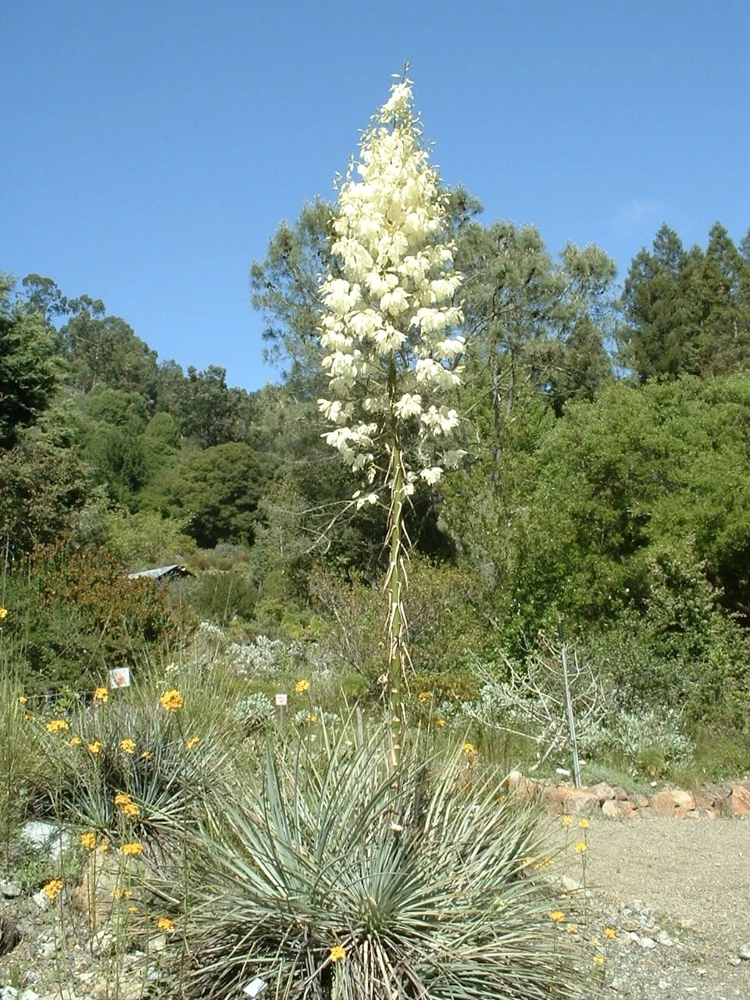
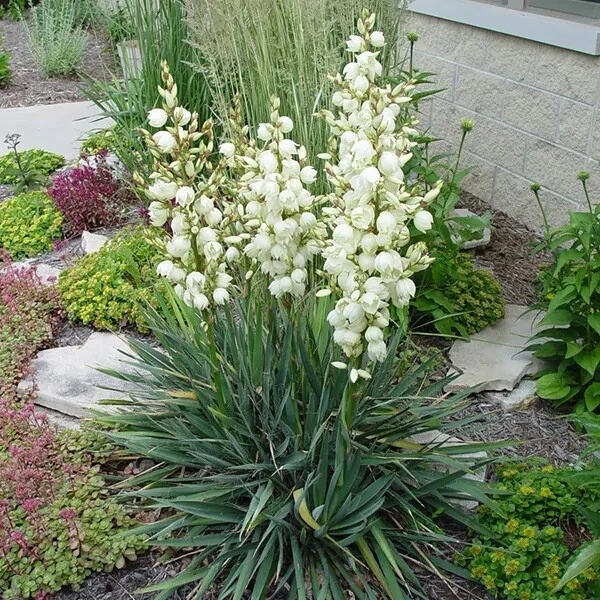
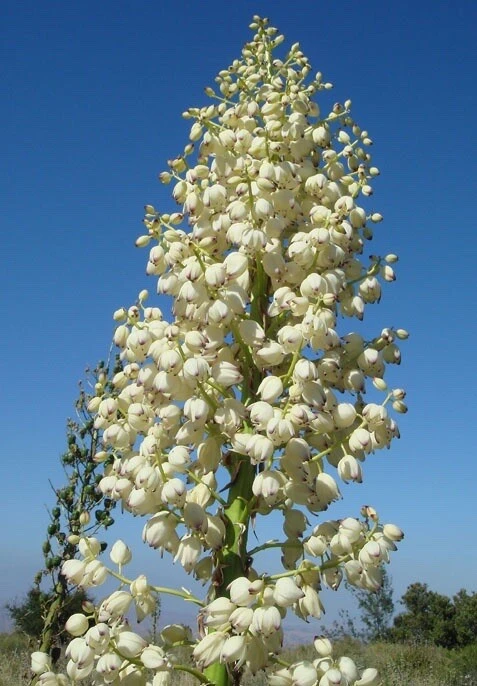
Embark on a rewarding gardening journey with our premium chaparral yucca seeds. This packet contains 30 viable seeds of Hesperoyucca whipplei, commonly known as Our Lord’s Candle or Foothill Yucca. Native to the arid regions of California and Baja California, this striking succulent is celebrated for its dramatic, towering flower stalks that can reach up to 15 feet in height, adorned with creamy white, bell-shaped flowers. Growing chaparral yucca seeds allows you to witness the fascinating life cycle of this resilient plant, from a small rosette of stiff, spiky leaves to its magnificent bloom. Perfect for xeriscaping, rock gardens, or native plant landscapes, these seeds offer an opportunity to cultivate a truly unique and low-maintenance specimen that thrives in dry conditions.
Each seed is carefully harvested to ensure optimal germination potential, providing you with the best start for your gardening project. Whether you’re an experienced gardener looking for a distinctive plant or a beginner eager to try something new and rewarding, cultivating Hesperoyucca whipplei from seed is a fulfilling experience. The architectural form and drought resistance of this yucca make it an excellent choice for sustainable gardening practices, adding year-round interest to your outdoor space.
Key Benefits
Growing chaparral yucca seeds offers numerous advantages, from enhancing your garden’s aesthetics to supporting local ecosystems. These seeds promise a durable and visually appealing plant that requires minimal fuss once established.
- Stunning Ornamental Value: The mature Chaparral Yucca produces an incredibly dramatic flower stalk, often referred to as ‘Our Lord’s Candle,’ which is a true spectacle in any landscape. Its unique form and impressive height make it a focal point.
- Exceptional Drought Tolerance: Once established, Hesperoyucca whipplei requires very little water, making it an ideal choice for xeriscaping and water-wise gardens. This significantly reduces your water consumption and maintenance efforts.
- Low Maintenance Plant: Beyond occasional tidying of spent leaves, this yucca needs minimal care. It thrives on neglect, making it perfect for busy gardeners or those seeking an easy-to-grow plant. Our chaparral yucca seeds will grow into a robust plant.
- Attracts Pollinators: The large, fragrant white flowers attract various nocturnal pollinators, including yucca moths, which have a symbiotic relationship with the plant, adding ecological value to your garden.
- Evergreen Foliage: The attractive rosette of stiff, blue-green leaves provides year-round interest and texture to your garden, even when not in bloom.
- Native Plant Appeal: By growing hesperoyucca whipplei seeds, you are contributing to the preservation of native plant species and creating a habitat that supports local wildlife.
- Erosion Control: Its fibrous root system can help stabilize soil on slopes and in rocky areas, preventing erosion in arid landscapes.
Plant Care & Growing Tips
Successfully growing chaparral yucca seeds requires understanding its natural habitat and replicating those conditions. These seeds are relatively easy to germinate, but patience is key, as initial growth can be slow. Begin by sowing seeds in well-draining soil, ideally a cactus or succulent mix, or a sandy loam. Lightly cover the seeds with a thin layer of soil, about 1/8 inch deep. Keep the soil consistently moist but not waterlogged until germination, which can take anywhere from a few weeks to several months. A warm environment (70-80°F / 21-27°C) will encourage germination. Some growers recommend a cold stratification period for a few weeks before planting to improve germination rates, mimicking winter conditions.
Once seedlings emerge, provide them with plenty of sunlight. As they grow, gradually acclimate them to outdoor conditions if you started them indoors. Our Lord’s Candle seeds thrive in full sun, meaning at least 6-8 hours of direct sunlight per day. They are extremely drought-tolerant once established, so water sparingly, allowing the soil to dry out completely between waterings. Overwatering is the most common cause of failure for yuccas. Good drainage is crucial; avoid heavy clay soils that retain too much moisture. These plants are hardy in USDA zones 7-11, tolerating a range of temperatures but preferring dry heat.
Fertilization is rarely necessary for established plants, as they are adapted to nutrient-poor soils. If desired, a very dilute, balanced fertilizer can be applied once in spring. Protect young plants from extreme frost in their first year. The plant is biennial or monocarpic, meaning the rosette typically flowers once after several years of growth and then dies, producing offsets (pups) at its base to continue the cycle. This natural process ensures the plant’s longevity in your garden. Understanding how to grow yucca from seed will reward you with a resilient and beautiful specimen.
Size & Details
This offering includes 30 high-quality chaparral yucca seeds (Hesperoyucca whipplei) ready for planting. Each seed is small, typically a few millimeters in diameter, and viable for germination. Once germinated, the plant will initially form a compact rosette of stiff, sword-like, blue-green leaves, usually growing 1-3 feet in diameter. The leaves are sharply pointed and have fibrous margins. It can take several years (typically 3-7) for the plant to mature enough to produce its spectacular flower stalk. This stalk can soar to an impressive height of 5 to 15 feet, bearing numerous creamy white, bell-shaped flowers.
These plants have a moderate growth rate during their rosette stage and a rapid growth spurt when the flower stalk emerges. The seeds are shipped in a protective packet to ensure their integrity upon arrival. Expect a mature plant to be a significant presence in your landscape, offering architectural interest and a dramatic display when in bloom. The plant’s life cycle involves the flowering rosette eventually dying back after blooming, but it often produces new offsets (pups) around its base, ensuring continued presence in your garden. For those interested in drought tolerant seeds, these are an excellent choice.
Frequently Asked Questions
- Q: How big does this plant get from these seeds? A: The rosette of leaves typically grows 1-3 feet in diameter. The impressive flower stalk, which emerges after several years, can reach heights of 5 to 15 feet, making it a very striking garden feature.
- Q: Is this an indoor or outdoor plant? A: Hesperoyucca whipplei is primarily an outdoor plant, especially suited for arid and semi-arid landscapes. It requires full sun and good air circulation to thrive. While young seedlings can be started indoors, they should be transplanted outside once established.
- Q: How much sunlight does it need? A: This plant thrives in full sun, requiring at least 6-8 hours of direct sunlight per day. Insufficient light can lead to leggy growth and may prevent flowering.
- Q: Is this plant easy to care for? A: Yes, once established, the chaparral yucca is considered very easy to care for due to its extreme drought tolerance and minimal nutrient requirements. The main care aspect is ensuring proper drainage and avoiding overwatering.
- Q: What condition will the seeds arrive in? A: Your chaparral yucca seeds will arrive in a sealed, protective packet, ensuring they are dry and ready for planting. We take care to provide viable seeds for your gardening success.
- Q: How long until it blooms? A: It typically takes 3 to 7 years for a plant grown from our lord’s candle seeds to mature and produce its first flower stalk. This waiting period is part of the rewarding process of growing this unique specimen.
- Q: Will it survive winter in my zone? A: Hesperoyucca whipplei is hardy in USDA Zones 7-11. It can tolerate winter cold in these zones, especially if the soil is well-drained. In colder zones, it may need winter protection or can be grown in containers and brought indoors.
- Q: What’s the best way to germinate these hesperoyucca whipplei seeds? A: Sow seeds in well-draining soil, lightly covered. Keep moist and warm (70-80°F). Some growers find cold stratification beneficial before planting. Patience is key, as germination can be slow and sporadic.
- Q: Are these seeds from a specific year? A: These are fresh seeds, typically harvested for the current or upcoming growing season to ensure high viability. The year ‘2025’ in the original product name likely indicates a future harvest or best-by date, but our seeds are always fresh stock.
- Q: Can I grow these in a pot? A: Yes, chaparral yucca can be grown in large, well-draining containers, especially in climates outside its hardiness zone where it can be moved indoors during winter. Ensure the pot has ample drainage holes and use a gritty, fast-draining potting mix.
Be the first to review “Chaparral Yucca Seeds – Hesperoyucca Whipplei – 30 Seeds – Outdoor Succulent”
Related products




Seeds
Sword Fern Seeds – 1500 Polystichum Munitum Spores – Evergreen Foliage, Deer Resistant, Zones 4-9


You May Like

How to Grow Passion Flower (Passiflora) for Tropical Blooms
Few climbing vines in the home garden command attention quite like the exotic Passion Flower (Passiflora). [...]
Nov

Thanksgiving Cactus Care: How to Get Thanksgiving Cactus to Bloom
Is your Thanksgiving cactus growing well but not giving you any flowers? Maybe it looked [...]
Nov

How to Grow Garlic for a Bountiful Home Harvest
Garlic (Allium sativum) is one of the most satisfying, low-maintenance, and flavor-packed crops you can [...]
Oct

Hardneck vs. Softneck Garlic: Which Should You Grow?
Have you ever stood in front of a seed catalog in mid-September, staring at dozens [...]
1 Comment
Oct

When to Plant Music Garlic: Ultimate US Fall Guide
Have you ever spent your fall weekend placing carefully chosen garlic cloves into rich, dark [...]
1 Comment
Oct

5 Best Bulbs for Fall Planting: Brighten Your Garden This Spring
Are you dreaming of a garden full of vibrant colors in the spring? The key [...]
Aug

10 Houseplants That Will Thrive in Your Kitchen
Are you tired of your kitchen feeling dull and lifeless? Want to add a little [...]
1 Comment
Aug
Reviews
There are no reviews yet.