
Spicy Cow Horn Chili Seeds – 40 Capsicum Annuum Seeds – Hot Pepper Seeds for Outdoor Gardening
Original price was: 9.98 $.5.99 $Current price is: 5.99 $.
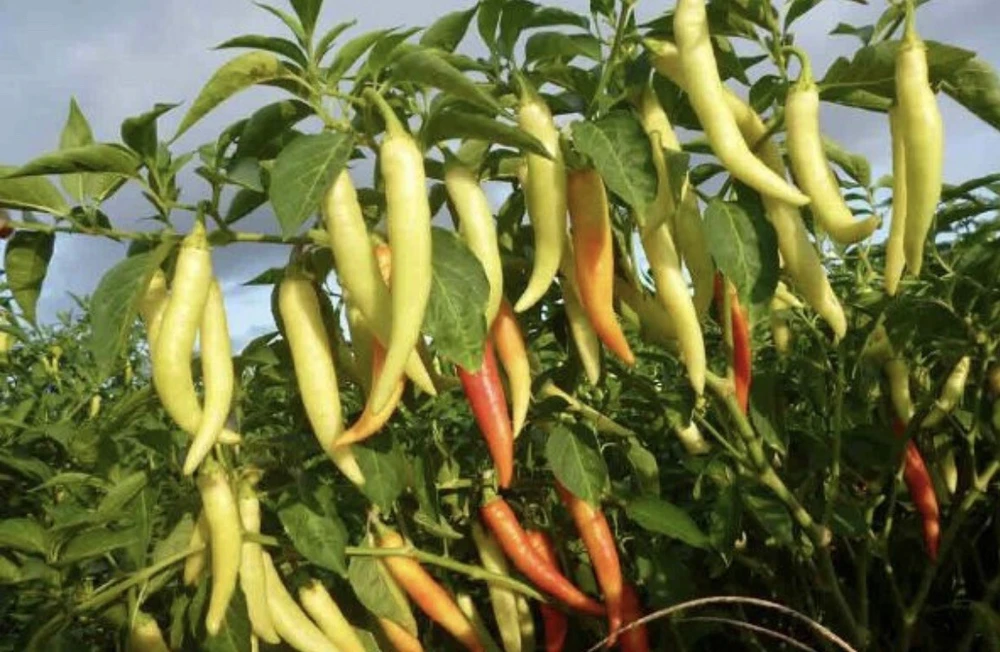
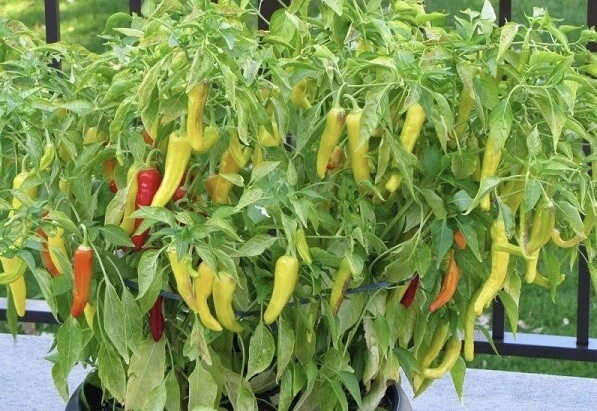
Cultivate delicious and fiery peppers with our premium pack of spicy cow horn chili seeds. Each pack contains 40 high-quality capsicum annuum seeds, perfect for home gardeners looking to add a kick to their dishes. These hot pepper seeds are ideal for outdoor planting and thrive in full sun, producing vibrant red, green, and yellow chilies.
Estimated arrival
Nov 27
Dec 02 - Dec 04
Dec 04 - Dec 09
See our Shipping Policy.
Get in touch with us via email, and our team will review your concerns.
Our Alive & Thrive Guarantee covers issues with your plants within the first 30 days. Read our Refund & Returns Policy.
-
USDA Hardiness Zone
USDA zones 9-11 (as perennial), typically grown as annual -
Soil Type
Well-draining, fertile loamy soil -
Sunlight Exposure
Full sun -
Expected Planting Period
Spring to early summer (after last frost)
Overview
Embark on a rewarding gardening journey with our premium spicy cow horn chili seeds. This pack contains 40 viable Capsicum Annuum seeds, ready to transform your garden into a vibrant producer of flavorful, moderately spicy peppers. Known for their distinctive elongated, curved shape resembling a cow’s horn, these chili peppers are a favorite among home cooks and gardeners alike. Whether you’re a seasoned gardener or just starting, these seeds offer an exciting opportunity to grow your own fresh, organic chilies right from your backyard. The Cow Horn Chili is a versatile pepper, excellent for salsas, sauces, drying, or simply adding a zesty kick to any meal. Experience the satisfaction of nurturing these plants from tiny seeds to bountiful harvest.
Our spicy cow horn chili seeds are selected for their high germination rates and robust growth potential, ensuring you get the best start for your pepper plants. These chilies mature into a spectrum of colors, from green to yellow and finally a brilliant red, adding aesthetic appeal to your garden while delivering a delightful heat to your culinary creations. Growing your own cow horn pepper plant allows you to enjoy fresh, pesticide-free produce and connect with the natural world. Get ready to spice up your life and your kitchen with these exceptional chili seeds.
Key Benefits
Growing your own spicy cow horn chili seeds offers a multitude of benefits, from culinary adventures to the simple joy of gardening. These peppers are not only delicious but also relatively straightforward to cultivate, making them a great choice for various skill levels.
- Culinary Versatility: The Cow Horn Chili is celebrated for its balanced heat and rich flavor, making it perfect for a wide range of dishes. Use them fresh in salads, roast them for sauces, dry them for chili flakes, or pickle them for a tangy treat. Their medium heat level is approachable for many palates.
- High Yield Potential: With proper care, a single cow horn pepper plant can produce a substantial amount of peppers throughout the growing season. This ensures a continuous supply of fresh chilies for your kitchen.
- Garden Aesthetics: As the peppers mature, they transition through green, yellow, and red hues, adding a beautiful splash of color to your garden space. The unique shape of the chilies also makes them an interesting visual element.
- Freshness and Flavor: Nothing beats the taste of homegrown produce. By growing your own hot pepper seeds, you ensure maximum freshness and flavor that store-bought peppers often lack, free from unwanted chemicals.
- Rewarding Gardening Experience: From sowing the tiny capsicum annuum seeds to harvesting your first ripe chili, the entire process is incredibly rewarding. It’s a wonderful way to connect with nature and enjoy the fruits of your labor.
- Health Benefits: Chilies are known to be rich in vitamins A and C, and capsaicin, the compound that gives them their heat, has been studied for its potential health benefits, including pain relief and metabolic support.
Plant Care & Growing Tips
Cultivating a thriving cow horn pepper plant from our spicy cow horn chili seeds is a straightforward process that requires attention to a few key environmental factors. These peppers are biennials, often grown as annuals, and thrive in warm conditions.
Sunlight Requirements: Cow Horn Chili plants demand full sun exposure to produce the best yields. This means at least 6-8 hours of direct sunlight per day. Choose a location in your garden that receives ample sun throughout the day. If growing in containers, ensure they can be moved to follow the sun or placed in the sunniest spot on your patio or balcony. Insufficient sunlight can lead to leggy plants and poor fruit production.
Watering Schedule and Soil Moisture: These plants prefer consistently moist, but not waterlogged, soil. Water deeply when the top inch of soil feels dry to the touch. During hot, dry periods, you may need to water daily. Avoid overhead watering to prevent fungal diseases; instead, water at the base of the plant. Good drainage is crucial, as soggy soil can lead to root rot. Reduce watering slightly as fruits begin to ripen.
Soil Type and Drainage:Capsicum annuum seeds germinate and grow best in well-draining, fertile soil rich in organic matter. A slightly acidic to neutral pH (6.0-7.0) is ideal. Amend heavy clay soils with compost or peat moss to improve drainage and aeration. For container gardening, use a high-quality potting mix specifically formulated for vegetables, ensuring the pot has drainage holes.
Temperature Range and USDA Hardiness Zone: Cow Horn Chilies are warm-season plants. They thrive in temperatures between 65°F and 85°F (18°C-29°C). They are not frost-tolerant, so plant them outdoors after all danger of frost has passed. In most regions, this means planting in late spring. For gardeners in cooler climates, starting seeds indoors 6-8 weeks before the last frost date is recommended. They are typically grown as annuals in most USDA zones, but can be perennial in frost-free zones (USDA zones 9-11).
Fertilization Schedule and Type: Peppers are moderate feeders. Incorporate a balanced slow-release fertilizer into the soil at planting time. Once plants begin to flower and set fruit, switch to a fertilizer higher in phosphorus and potassium to encourage fruit development. A balanced liquid feed every 2-4 weeks can also be beneficial. Avoid excessive nitrogen, which promotes leafy growth at the expense of fruit production.
Common Problems and Solutions: Watch out for common pepper pests like aphids and spider mites; a strong spray of water or insecticidal soap can often control them. Blossom end rot, characterized by a dark, sunken spot on the bottom of the fruit, is often caused by inconsistent watering or calcium deficiency; ensure consistent moisture and consider adding calcium to the soil. Keep an eye on your cow horn pepper plant for any signs of stress or disease and address them promptly.
Size & Details
Our pack of spicy cow horn chili seeds contains 40 high-quality seeds, providing ample opportunity to cultivate a robust crop of these distinctive peppers. Each Capsicum Annuum plant typically grows to a height of 24 to 36 inches (60-90 cm) and spreads about 18 to 24 inches (45-60 cm) wide, forming a bushy structure. The fruit themselves are elongated and curved, usually measuring between 6 to 8 inches (15-20 cm) in length, maturing from green to yellow, and finally a vibrant red. The peppers have a moderate heat level, typically ranging from 2,500 to 5,000 Scoville Heat Units (SHU).
These hot pepper seeds are packaged to ensure viability and are ready for planting. From sowing, expect germination within 7-14 days under ideal conditions. The plants typically reach maturity and begin producing fruit in about 70-80 days after transplanting, offering a relatively quick turnaround for your gardening efforts. Each seed has the potential to grow into a productive cow horn pepper plant, providing fresh chilies for an extended harvest season, usually from mid-summer through fall until the first frost. These seeds are a fantastic choice for anyone looking to successfully grow chili peppers in their home garden.
Frequently Asked Questions
- Q: How big does this plant get? A: A mature cow horn pepper plant typically grows between 2 to 3 feet (60-90 cm) tall and spreads about 1.5 to 2 feet (45-60 cm) wide. Its bushy habit makes it suitable for both in-ground gardens and larger containers.
- Q: Is this an indoor or outdoor plant? A: While these spicy cow horn chili seeds can be started indoors, the plants thrive best outdoors in full sun. They require plenty of light and warmth to produce a good harvest, making them ideal for garden beds, raised beds, or large outdoor pots.
- Q: How much sunlight does it need? A: For optimal growth and fruit production, your cow horn pepper plant needs at least 6-8 hours of direct sunlight per day. Choose the sunniest spot in your garden to ensure vigorous growth and abundant peppers.
- Q: Is this plant easy to care for? A: Yes, these chili plants are considered to have moderate cultivating difficulty. They are relatively easy to care for, especially if you provide them with adequate sunlight, consistent watering, and well-draining soil. They are a great choice for gardeners with some basic experience.
- Q: What condition will the seeds arrive in? A: Your capsicum annuum seeds will arrive in a protective packet, ensuring they are dry and viable. They are ready to be sown upon arrival or stored in a cool, dry place for future planting.
- Q: Can I use these chili peppers in cooking? A: Absolutely! The Cow Horn Chili is renowned for its culinary versatility. It’s perfect for making salsas, hot sauces, drying into flakes, adding to stir-fries, or simply slicing fresh into dishes for a medium-spicy kick.
- Q: How long until it produces fruit? A: After transplanting your seedlings outdoors, you can typically expect your cow horn pepper plant to start producing mature fruit within 70-80 days. The peppers will first appear green, then turn yellow, and finally ripen to a vibrant red.
- Q: When is the best time to plant these seeds? A: The best time to plant hot pepper seeds is indoors about 6-8 weeks before your last expected frost date. Once the danger of frost has passed and soil temperatures have warmed, typically in late spring, you can transplant the seedlings outdoors.
- Q: Will it survive winter in my zone? A: The cow horn pepper plant is not frost-tolerant. In most climates, it is grown as an annual and will not survive winter outdoors. In USDA zones 9-11, where there is no frost, it can sometimes be grown as a perennial.
- Q: What’s the minimum temperature it can tolerate? A: These plants prefer temperatures above 60°F (15°C). They will suffer damage or die if exposed to temperatures below 40°F (4°C) or any frost.
Be the first to review “Spicy Cow Horn Chili Seeds – 40 Capsicum Annuum Seeds – Hot Pepper Seeds for Outdoor Gardening”
Related products


You May Like

How to Grow Passion Flower (Passiflora) for Tropical Blooms
Few climbing vines in the home garden command attention quite like the exotic Passion Flower (Passiflora). [...]
Nov

Thanksgiving Cactus Care: How to Get Thanksgiving Cactus to Bloom
Is your Thanksgiving cactus growing well but not giving you any flowers? Maybe it looked [...]
Nov

How to Grow Garlic for a Bountiful Home Harvest
Garlic (Allium sativum) is one of the most satisfying, low-maintenance, and flavor-packed crops you can [...]
Oct

Hardneck vs. Softneck Garlic: Which Should You Grow?
Have you ever stood in front of a seed catalog in mid-September, staring at dozens [...]
1 Comment
Oct

When to Plant Music Garlic: Ultimate US Fall Guide
Have you ever spent your fall weekend placing carefully chosen garlic cloves into rich, dark [...]
1 Comment
Oct

5 Best Bulbs for Fall Planting: Brighten Your Garden This Spring
Are you dreaming of a garden full of vibrant colors in the spring? The key [...]
Aug

10 Houseplants That Will Thrive in Your Kitchen
Are you tired of your kitchen feeling dull and lifeless? Want to add a little [...]
1 Comment
Aug
Reviews
There are no reviews yet.