
Karee Tree Seeds – African Sumac, Willow Rhus, Searsia Lancea – 30 Seeds – Outdoor
Original price was: 19.98 $.15.99 $Current price is: 15.99 $.
Cultivate the resilient and beautiful Karee tree seeds, also known as African Sumac seeds or Willow Rhus. These Searsia lancea seeds are perfect for creating a drought-tolerant, evergreen landscape feature that thrives in various conditions. Receive 30 high-quality seeds to start your garden project.
Estimated arrival
Nov 27
Dec 02 - Dec 04
Dec 04 - Dec 09
See our Shipping Policy.
Get in touch with us via email, and our team will review your concerns.
Our Alive & Thrive Guarantee covers issues with your plants within the first 30 days. Read our Refund & Returns Policy.
-
USDA Hardiness Zone
USDA Zones 8-11 -
Soil Type
Well-draining soil -
Sunlight Exposure
Full Sun -
Expected Planting Period
Spring to early summer
Overview
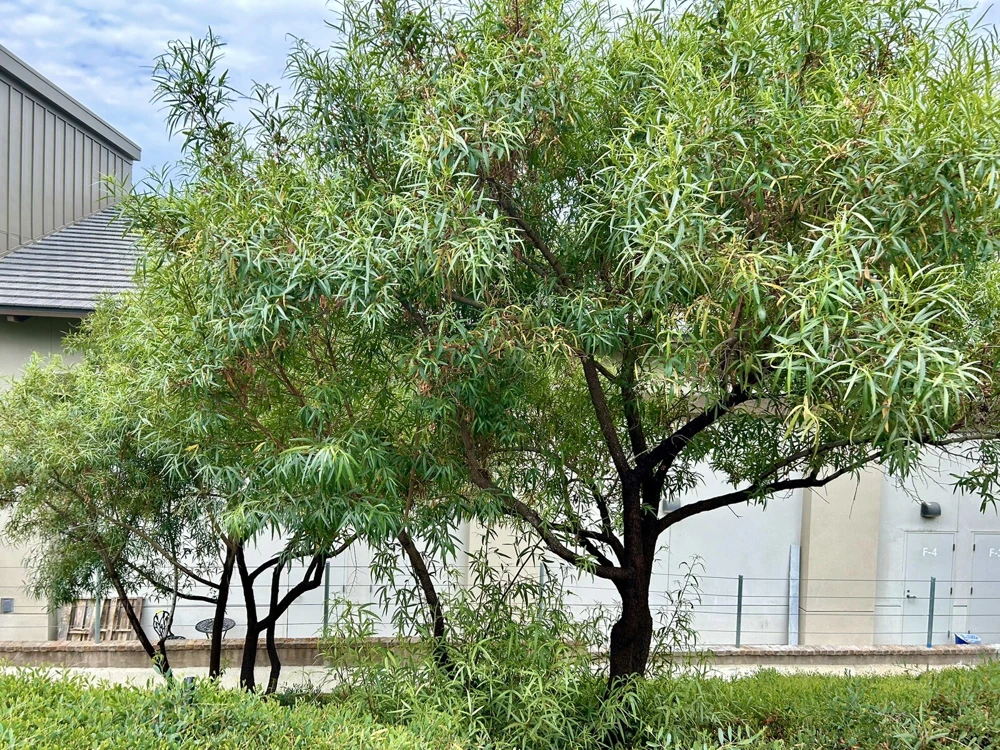
Embark on a rewarding gardening journey with our premium selection of Karee tree seeds. Also widely recognized as African Sumac or Willow Rhus, the Searsia lancea is a remarkable and versatile tree, highly valued for its elegant form, drought tolerance, and adaptability. These seeds offer an excellent opportunity to grow a robust and attractive specimen that will enhance any outdoor space. The Karee tree is celebrated for its graceful weeping branches, lush green foliage that remains evergreen, and its ability to thrive in challenging environments, making it an ideal choice for sustainable landscaping. Whether you’re looking to create a natural windbreak, a focal point in your garden, or simply add a touch of African beauty, these African Sumac seeds provide the foundation for a stunning and long-lasting tree.
Our Searsia lancea seeds are carefully sourced to ensure high viability, giving you the best possible start for your tree cultivation. The Karee tree is native to Southern Africa and has adapted to a wide range of climates, demonstrating impressive resilience. It’s a fast-growing species that can quickly establish itself, providing shade, beauty, and ecological benefits. Growing your own Karee tree seeds from scratch allows you to nurture the plant from its earliest stages, fostering a deeper connection with your garden and enjoying the full life cycle of this magnificent tree. Prepare to transform your landscape with the enduring charm of the African Sumac.
Key Benefits
The Karee tree offers a multitude of benefits, making it a popular choice for gardeners seeking both beauty and practicality. Its hardy nature and attractive appearance contribute significantly to any outdoor setting.
- Drought Tolerance: The Karee tree is exceptionally drought-tolerant once established, requiring minimal water and making it an excellent choice for xeriscaping and water-wise gardens. This characteristic significantly reduces maintenance and water bills.
- Evergreen Foliage: Enjoy lush green foliage year-round. The evergreen nature of the Karee tree ensures continuous beauty and provides constant shade and privacy, even during the driest months.
- Attractive Form: With its graceful weeping branches and dense canopy, the Karee tree (African Sumac) offers a beautiful aesthetic, serving as an attractive specimen tree, shade tree, or screen. Its natural elegance enhances any landscape design.
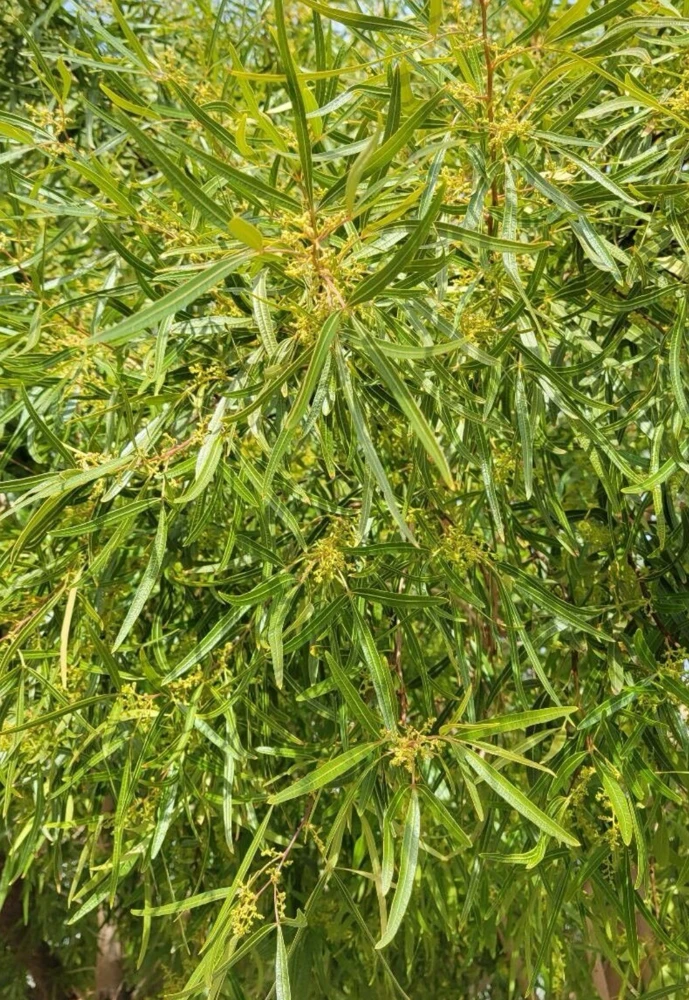
- Wildlife Attraction: The small, yellowish flowers followed by reddish-brown berries attract birds and other wildlife, adding biodiversity and natural charm to your garden. These berries are also a food source for local fauna.
- Fast Growing: These Karee tree seeds germinate and grow relatively quickly, allowing you to enjoy a mature tree in a shorter amount of time compared to many other tree species. This makes it a satisfying project for impatient gardeners.
- Soil Adaptability: The Karee tree is not particular about soil type and can thrive in a variety of conditions, from sandy to clay soils, as long as there is good drainage. This adaptability makes it easier to establish in diverse garden environments.
- Erosion Control: Its extensive root system helps to stabilize soil, making it useful for preventing erosion on slopes and in areas prone to soil degradation. This ecological benefit is valuable for maintaining land integrity.
Plant Care & Growing Tips
Growing Karee tree seeds is a rewarding experience that requires a few key steps for successful germination and establishment. Start by scarifying the seeds, which involves lightly scratching the hard seed coat to allow water penetration. This can be done with sandpaper or a small file. After scarification, soak the seeds in warm water for 24-48 hours. Plant the treated seeds in a well-draining potting mix, about 1/4 to 1/2 inch deep. Keep the soil consistently moist but not waterlogged, and maintain a warm temperature for optimal germination. Germination can take anywhere from a few weeks to several months, so patience is key when growing African Sumac seeds.
Once seedlings emerge, provide them with plenty of sunlight. As they grow, gradually acclimate them to outdoor conditions before transplanting them to their permanent location. The Karee tree thrives in full sun, requiring at least 6-8 hours of direct sunlight per day. It is highly adaptable to various soil types, but prefers well-draining soil. Once established, it is extremely drought-tolerant and requires minimal watering. During its juvenile stage, consistent watering will encourage faster growth. Fertilization is generally not necessary, especially in rich soils, but a balanced, slow-release fertilizer can be applied in spring if growth seems sluggish. These evergreen tree seeds will develop into resilient trees that are relatively pest and disease-free, making care straightforward.
The Searsia lancea seeds will grow into trees that are hardy in USDA zones 8-11, tolerating both heat and moderate cold. For colder regions, consider growing them in large containers that can be moved indoors during winter, or treat them as annuals if you wish to enjoy their foliage for a single season. Pruning is usually minimal, focused on shaping the tree and removing any dead or damaged branches. This ensures a healthy and aesthetically pleasing form. Proper care during the initial stages will lead to a strong, vibrant Karee tree that will be a highlight of your landscape for many years, showcasing its beauty and resilience as a truly drought tolerant tree.
Size & Details
This offering includes 30 high-quality Karee tree seeds (Searsia lancea), ready for planting. The Karee tree is a medium-sized, fast-growing evergreen tree that typically reaches a height of 20-30 feet with a spread of 15-25 feet at maturity. Its growth habit is often described as clumping, with a rounded to spreading canopy. When grown from African Sumac seeds, the tree will establish its strong root system, contributing to its drought resistance. The seeds are suitable for planting in a variety of outdoor settings, and with proper care, seedlings can grow several feet per year.
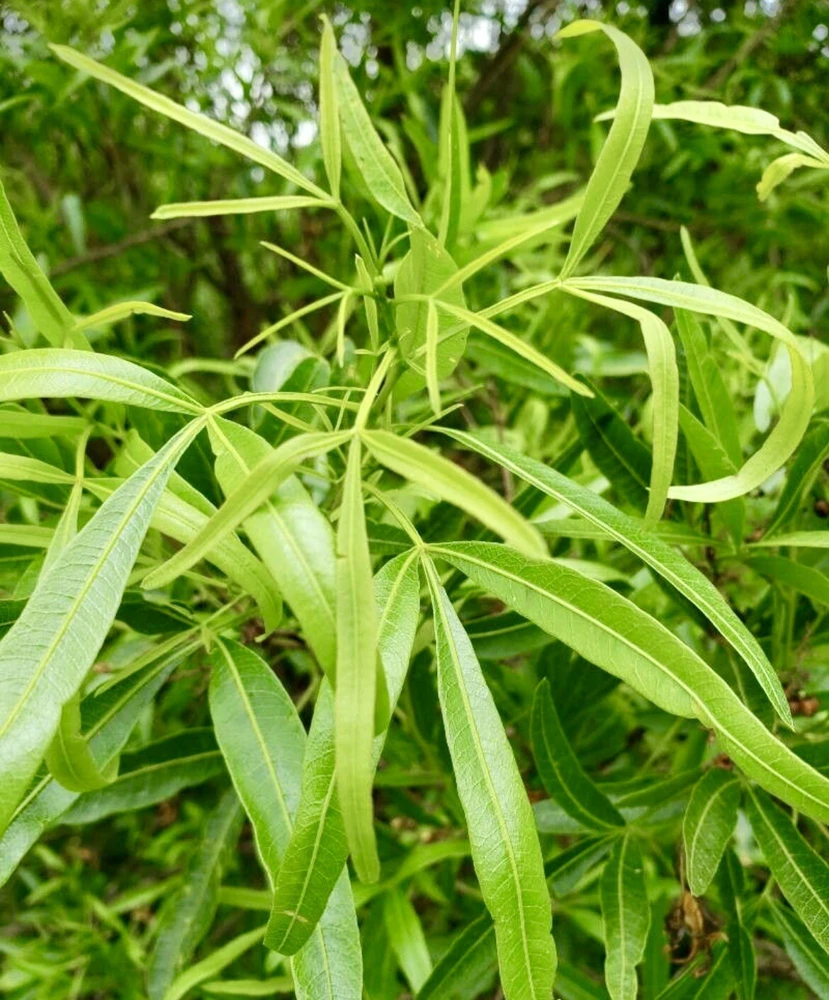
The mature Karee tree features a distinctive weeping appearance with long, slender branches and small, trifoliate leaves that are green to yellowish-green. Small, inconspicuous yellow flowers bloom primarily in spring, followed by small, reddish-brown berries that persist on the tree, providing visual interest and attracting wildlife. These evergreen tree seeds are packaged to ensure freshness and viability, providing a solid foundation for cultivating a beautiful and resilient addition to your garden or landscape. Expect a significant presence from this drought tolerant tree within a few years of planting.
Frequently Asked Questions
- Q: How big does this plant get? A: The Karee tree typically grows to a height of 20-30 feet with a spread of 15-25 feet at maturity. Its size makes it suitable for larger gardens or as a shade tree in open spaces.
- Q: What condition will the seeds arrive in? A: The Karee tree seeds will arrive as a packet of 30 dried seeds, ready for scarification and soaking before planting. They are carefully packaged to maintain viability during transit.
- Q: Is this an indoor or outdoor plant? A: The Karee tree is primarily an outdoor plant, thriving in full sun and open spaces. While young seedlings can be started indoors, they should be transplanted outside once established.
- Q: How much sunlight does it need? A: This tree requires full sun, meaning at least 6-8 hours of direct sunlight per day, to achieve optimal growth and health. Plenty of light is crucial for these Searsia lancea seeds to flourish.
- Q: Is this plant easy to care for? A: Once established, the Karee tree is considered very easy to care for due to its drought tolerance and adaptability. Initial care for the African Sumac seeds and young seedlings requires more attention to watering and light.
- Q: When is the best time to plant these seeds? A: The best time to plant Karee tree seeds is in early spring after the last frost, or in late summer/early fall in warmer climates, allowing them to establish before extreme temperatures.
- Q: Will it survive winter in my zone? A: The Karee tree is hardy in USDA Zones 8-11. In these zones, it will survive winter outdoors. In colder zones, it may need protection or be grown in containers that can be moved indoors.
- Q: What kind of soil does it prefer? A: The Karee tree is adaptable to various soil types but prefers well-draining soil. It can tolerate sandy, loamy, or clay soils as long as they are not waterlogged.
- Q: Can these seeds be stored for later planting? A: Yes, these evergreen tree seeds can be stored in a cool, dry place away from direct sunlight for several months to a year without significant loss of viability.
- Q: Is the Karee tree considered a drought tolerant tree? A: Absolutely. The Karee tree is renowned for its exceptional drought tolerance once it has established a strong root system, making it an excellent choice for arid and semi-arid regions.
Be the first to review “Karee Tree Seeds – African Sumac, Willow Rhus, Searsia Lancea – 30 Seeds – Outdoor”
Related products



You May Like

How to Grow Passion Flower (Passiflora) for Tropical Blooms
Few climbing vines in the home garden command attention quite like the exotic Passion Flower (Passiflora). [...]
Nov

Thanksgiving Cactus Care: How to Get Thanksgiving Cactus to Bloom
Is your Thanksgiving cactus growing well but not giving you any flowers? Maybe it looked [...]
Nov

How to Grow Garlic for a Bountiful Home Harvest
Garlic (Allium sativum) is one of the most satisfying, low-maintenance, and flavor-packed crops you can [...]
Oct

Hardneck vs. Softneck Garlic: Which Should You Grow?
Have you ever stood in front of a seed catalog in mid-September, staring at dozens [...]
1 Comment
Oct

When to Plant Music Garlic: Ultimate US Fall Guide
Have you ever spent your fall weekend placing carefully chosen garlic cloves into rich, dark [...]
1 Comment
Oct

5 Best Bulbs for Fall Planting: Brighten Your Garden This Spring
Are you dreaming of a garden full of vibrant colors in the spring? The key [...]
Aug

10 Houseplants That Will Thrive in Your Kitchen
Are you tired of your kitchen feeling dull and lifeless? Want to add a little [...]
1 Comment
Aug
Reviews
There are no reviews yet.