
Bartlett Pear Seeds – 12 Pack – Grow Your Own Fruit – Outdoor Perennial
Original price was: 15.98 $.11.99 $Current price is: 11.99 $.
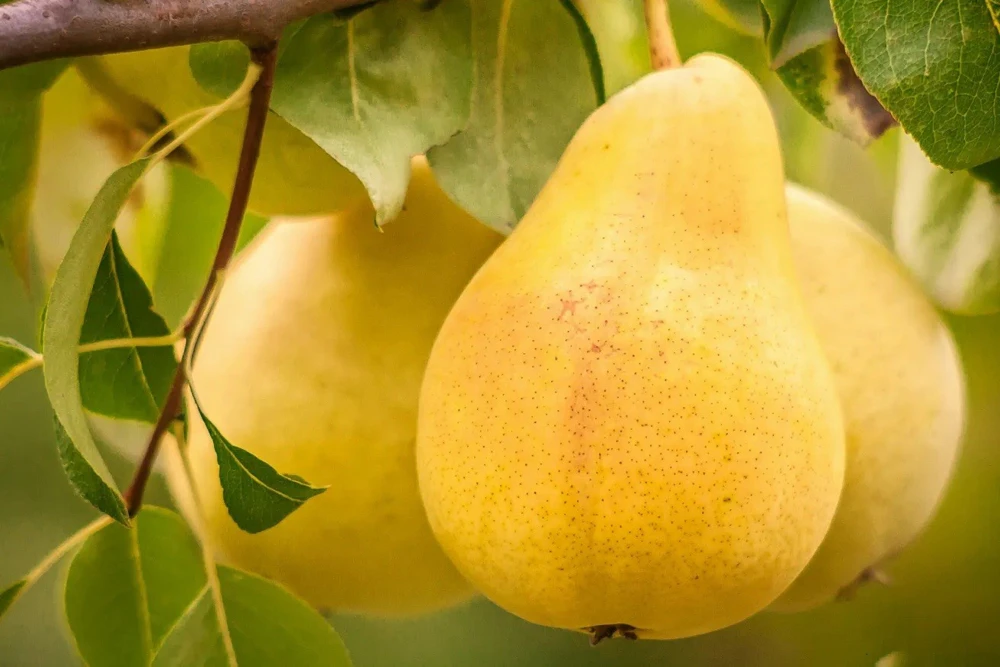
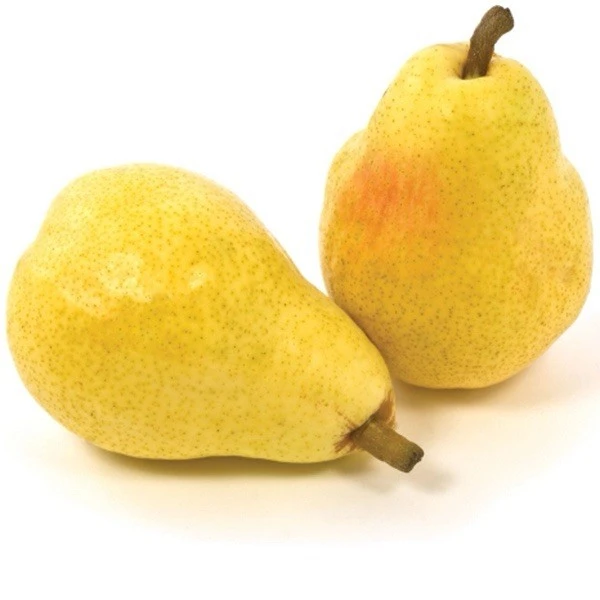
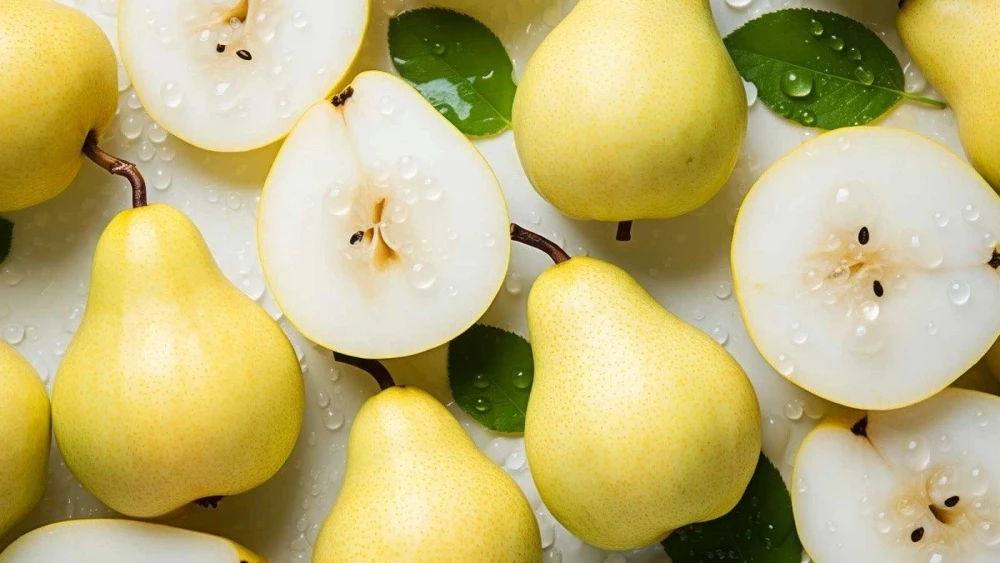
Cultivate your own orchard with these premium Bartlett Pear seeds. This pack contains 12 high-quality seeds, perfect for growing your own delicious Williams Pear seeds. Enjoy the satisfaction of harvesting fresh, sweet, and juicy pears right from your garden. These perennial fruit seeds are ideal for outdoor planting and thrive in full sun.
Estimated arrival
Nov 29
Dec 04 - Dec 06
Dec 06 - Dec 11
See our Shipping Policy.
Get in touch with us via email, and our team will review your concerns.
Our Alive & Thrive Guarantee covers issues with your plants within the first 30 days. Read our Refund & Returns Policy.
-
USDA Hardiness Zone
USDA zones 4-9 -
Soil Type
Well-draining loamy soil -
Sunlight Exposure
Full Sun -
Expected Planting Period
Spring (after stratification)
Overview
Embark on a rewarding gardening journey with our premium Bartlett Pear seeds. This offering provides a convenient way to cultivate your own delicious fruit trees, allowing you to enjoy the unparalleled taste of homegrown pears. The Bartlett Pear, also known as the Williams Pear in many parts of the world, is one of the most widely recognized and beloved pear varieties, celebrated for its classic sweet flavor and juicy, tender flesh. Growing Bartlett Pear seeds from scratch offers a unique connection to nature and the satisfaction of nurturing a plant from its very beginning. These seeds are carefully selected to give you the best chance of establishing a thriving pear tree in your garden, providing a sustainable source of fresh fruit for years to come.
Pyrus communis, the botanical name for the common pear, includes the esteemed Bartlett variety. These seeds promise to grow into deciduous trees that will grace your landscape with beautiful spring blossoms and abundant fall harvests. Whether you’re an experienced gardener or just starting, planting Williams Pear seeds is a fulfilling project that contributes to a more self-sufficient lifestyle. Imagine picking ripe, succulent pears directly from your own tree, free from commercial treatments and picked at their peak of flavor. Our 12-seed pack provides ample opportunity to start your pear orchard, ensuring you have enough to plant and share.
Key Benefits
Cultivating your own pear trees from Bartlett Pear seeds offers a multitude of benefits, enhancing both your garden and your lifestyle. Not only will you enjoy fresh fruit, but you’ll also contribute to local biodiversity.
- Homegrown Freshness: Experience the superior taste and texture of pears harvested directly from your garden. There’s nothing quite like the flavor of a perfectly ripe, homegrown Bartlett Pear, often surpassing store-bought varieties in sweetness and juiciness.
- Sustainable Gardening: Growing your own fruit trees from fruit tree seeds reduces your carbon footprint and promotes sustainable living. You control the growing conditions, ensuring a natural and healthy product.
- Beautiful Landscape Addition: Pear trees are not only productive but also highly ornamental. They offer stunning white blossoms in spring, lush green foliage in summer, and often vibrant fall colors, making them a beautiful addition to any garden.
- Long-Term Investment: Pear trees are perennials, meaning they will produce fruit for many years, offering a continuous supply of fresh pears and a lasting legacy for your garden. A well-cared-for pear tree can be a source of joy and nourishment for decades.
- Educational Experience: Planting and nurturing Williams Pear seeds is an excellent educational activity for all ages. It teaches patience, the science of plant growth, and the rewards of hard work, making it a great family project.
- Versatile Culinary Use: Bartlett Pears are incredibly versatile. Enjoy them fresh, can them, make preserves, bake pies, or add them to salads. Having a ready supply means endless culinary possibilities right at your fingertips.
Plant Care & Growing Tips
Successful cultivation of Bartlett Pear seeds requires attention to specific environmental conditions. Pears thrive in temperate climates and require a period of cold dormancy. Start your seeds indoors in late winter or early spring for the best results. Before planting, pear seeds benefit from a stratification period to mimic natural winter conditions. This typically involves placing the seeds in a moist medium (like peat moss or sand) in a sealed container and refrigerating them for 60-90 days at temperatures between 35-45°F (1-7°C). This cold treatment helps break dormancy and encourages germination.
Once stratified, plant the seeds in well-draining potting mix, about 1/2 inch deep. Keep the soil consistently moist but not waterlogged. Germination can take several weeks. Once seedlings emerge and are strong enough, they can be transplanted outdoors after the last frost. Pear trees prefer full sun, meaning at least 6-8 hours of direct sunlight per day. They are adaptable to a variety of soil types but perform best in deep, fertile, well-drained loamy soils with a pH between 6.0 and 7.0. Regular watering is crucial, especially during dry spells and for young trees, to ensure proper establishment and fruit development. Fertilize annually in early spring with a balanced fertilizer formulated for fruit trees.
Pruning is an important aspect of pear tree care, promoting good air circulation, strong branch structure, and better fruit production. Prune during the dormant season to remove dead, diseased, or crossing branches. Pears are generally hardy in USDA zones 4-9, making them suitable for a wide range of climates. Watch out for common pear tree diseases and pests, and address them promptly. With proper care, your pear tree seeds will mature into productive trees, providing you with delicious fruit for many seasons. Growing fruit tree seeds like these is a long-term commitment that yields sweet rewards.
Size & Details
This product includes 12 Bartlett Pear seeds, also known as Williams Pear seeds, offering a generous quantity to start your home orchard. Pear trees grown from these seeds will typically reach a mature height of 15-25 feet, with a similar spread, depending on pruning and growing conditions. They are deciduous trees, meaning they will lose their leaves in the fall and regrow them in the spring. As perennials, these trees will provide fruit for many years, often starting to bear fruit 3-5 years after planting, though this can vary. The seeds are prepared for planting, with stratification recommended for optimal germination rates. The resulting trees will produce medium to large pears, typically green to yellow when ripe, often with a slight blush.
Each seed has the potential to grow into a robust, fruit-bearing tree, contributing to a diverse and productive garden. The growth habit is generally clumping and upright, and the trees are known for their edible fruit. These seeds are ideal for outdoor cultivation, thriving in conditions that allow for ample sunlight and well-draining soil. The features of the mature tree include being deciduous and producing delicious, edible fruit, making these Bartlett Pear seeds a fantastic choice for any aspiring fruit grower. The expected time to maturity for fruit production is typically 3 to 5 years after the seedling is established.
Frequently Asked Questions
- Q: How big does a Bartlett Pear tree get? A: A mature Bartlett Pear tree typically grows to a height of 15-25 feet with a similar spread, depending on environmental conditions and pruning practices. They are medium to large fruit trees that require adequate space to thrive.
- Q: Is this an indoor or outdoor plant? A: Bartlett Pear seeds are intended for growing outdoor fruit trees. Pear trees require significant space, full sunlight, and a period of winter dormancy to produce fruit effectively, making them unsuitable for indoor cultivation.
- Q: How much sunlight does a Bartlett Pear tree need? A: Pear trees, including those grown from Williams Pear seeds, require full sun. This means they need at least 6-8 hours of direct sunlight per day to ensure healthy growth and optimal fruit production.
- Q: Are these seeds difficult to germinate? A: Pear seeds require a process called cold stratification before planting to break dormancy and encourage germination. While not difficult, it adds an extra step to the planting process. Following stratification, germination can take several weeks.
- Q: When is the best time to plant these pear tree seeds? A: After stratifying the seeds, the best time to plant them outdoors is in the spring, after the last danger of frost has passed. This allows the young seedlings to establish themselves during the warm growing season.
- Q: What condition will the seeds arrive in? A: The Bartlett Pear seeds will arrive as dry, viable seeds, ready for you to begin the stratification and planting process. They are carefully packaged to ensure their quality upon arrival.
- Q: How long until the pear tree produces fruit? A: Pear trees grown from fruit tree seeds typically begin to bear fruit within 3-5 years after planting. This can vary based on growing conditions, care, and the specific vigor of the individual tree.
- Q: What USDA zones are suitable for growing Bartlett Pears? A: Bartlett Pear trees are generally hardy and thrive in USDA hardiness zones 4 through 9. This range covers a significant portion of the United States, indicating their adaptability to various climates.
- Q: What type of soil is best for Bartlett Pear seeds? A: Pear trees prefer deep, fertile, well-draining loamy soils. Good drainage is crucial to prevent root rot, and a soil pH between 6.0 and 7.0 is ideal for optimal growth and nutrient uptake.
- Q: Can I use these pears for canning? A: Yes, Bartlett Pears are famously excellent for canning, preserving, and baking due to their firm texture and sweet flavor. Growing your own from pear tree seeds ensures a fresh supply for all your culinary needs.
Be the first to review “Bartlett Pear Seeds – 12 Pack – Grow Your Own Fruit – Outdoor Perennial”
Related products


You May Like

How to Grow Passion Flower (Passiflora) for Tropical Blooms
Few climbing vines in the home garden command attention quite like the exotic Passion Flower (Passiflora). [...]
Nov

Thanksgiving Cactus Care: How to Get Thanksgiving Cactus to Bloom
Is your Thanksgiving cactus growing well but not giving you any flowers? Maybe it looked [...]
Nov

How to Grow Garlic for a Bountiful Home Harvest
Garlic (Allium sativum) is one of the most satisfying, low-maintenance, and flavor-packed crops you can [...]
Oct

Hardneck vs. Softneck Garlic: Which Should You Grow?
Have you ever stood in front of a seed catalog in mid-September, staring at dozens [...]
1 Comment
Oct

When to Plant Music Garlic: Ultimate US Fall Guide
Have you ever spent your fall weekend placing carefully chosen garlic cloves into rich, dark [...]
1 Comment
Oct

5 Best Bulbs for Fall Planting: Brighten Your Garden This Spring
Are you dreaming of a garden full of vibrant colors in the spring? The key [...]
Aug

10 Houseplants That Will Thrive in Your Kitchen
Are you tired of your kitchen feeling dull and lifeless? Want to add a little [...]
1 Comment
Aug
Reviews
There are no reviews yet.