
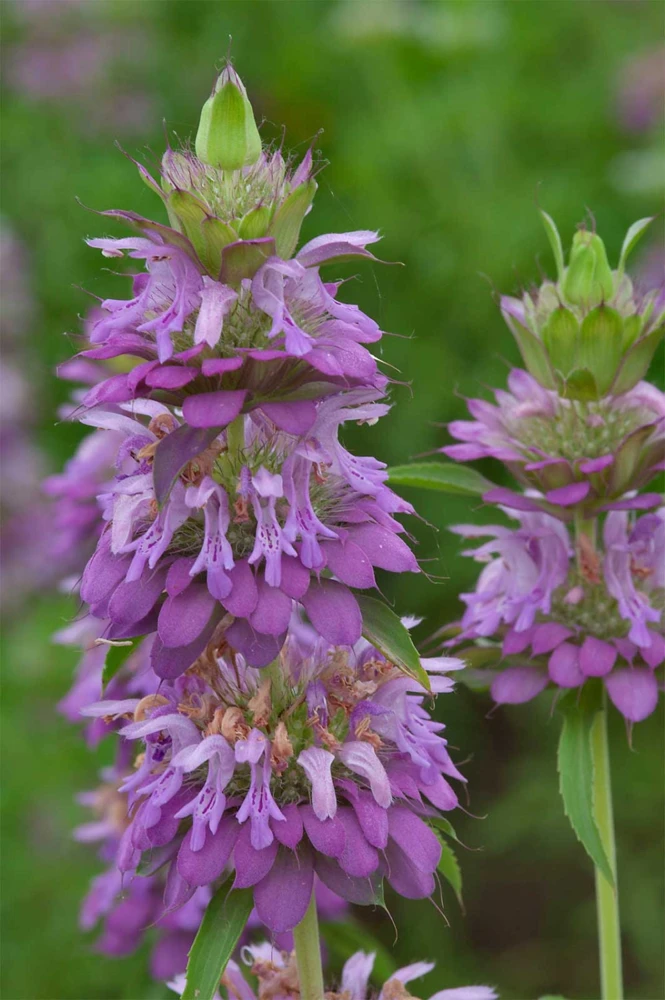
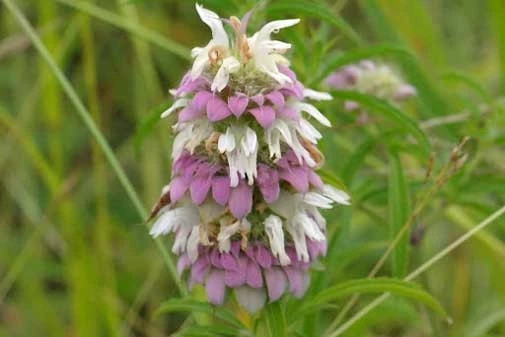
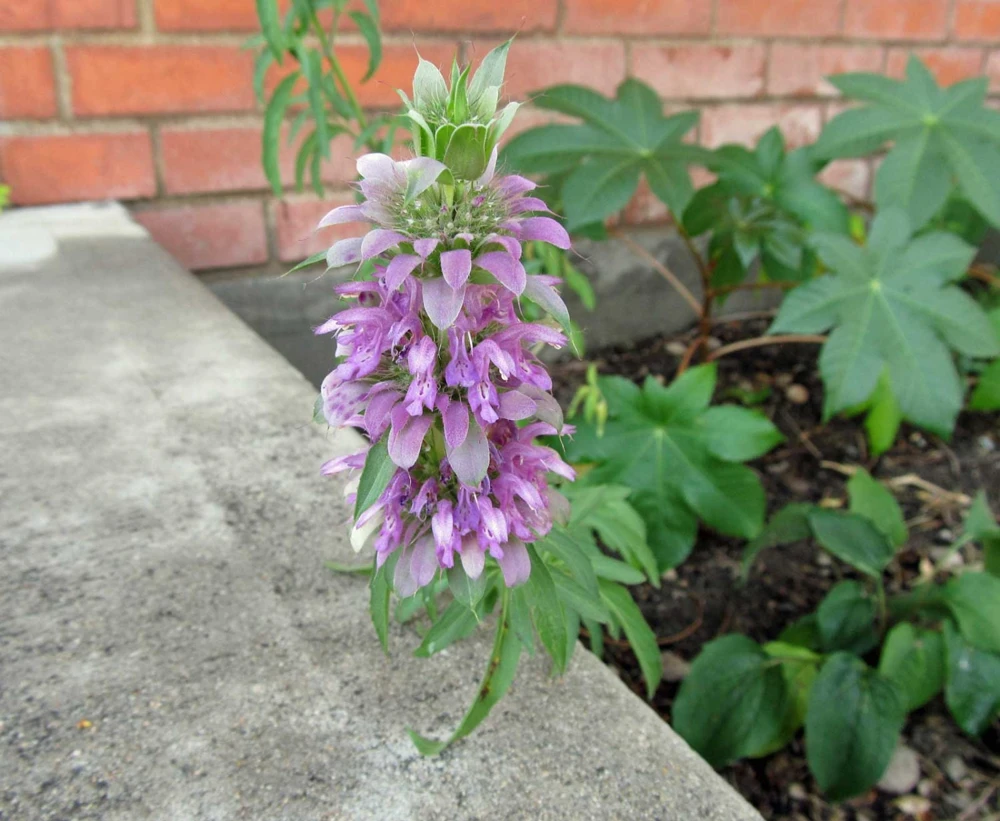
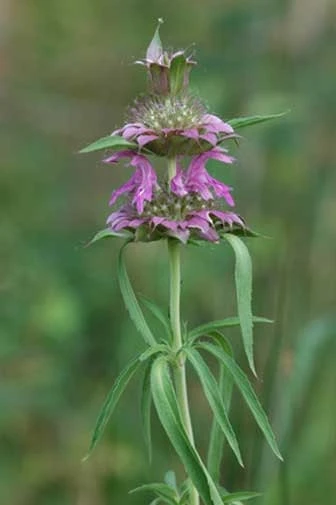
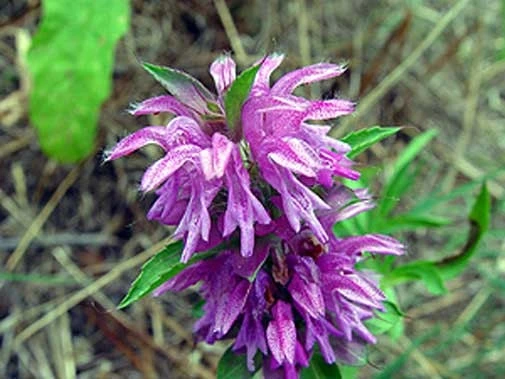
Lemon Bee Balm Seeds – Monarda citriodora Purple Horsemint – 500 Seeds
Original price was: 48.91 $.19.91 $Current price is: 19.91 $.
Discover the joy of growing lemon bee balm seeds (Monarda citriodora), also known as Purple Horsemint. These annual flower seeds produce fragrant blooms that are a magnet for pollinators like bees, butterflies, and hummingbirds. Enjoy the edible leaves for herbal teas and culinary dishes. Perfect for sunny garden spots.
Estimated arrival
Nov 26
Dec 01 - Dec 03
Dec 03 - Dec 08
See our Shipping Policy.
Get in touch with us via email, and our team will review your concerns.
Our Alive & Thrive Guarantee covers issues with your plants within the first 30 days. Read our Refund & Returns Policy.
-
USDA Hardiness Zone
Annual (self-seeds) -
Soil Type
Well-draining soil -
Sunlight Exposure
Full sun to partial shade -
Expected Planting Period
Spring to early summer
Overview
Embark on a delightful gardening journey with our premium lemon bee balm seeds. Scientifically known as Monarda citriodora, this charming annual herb and flower is a true multi-tasker in the garden. Also commonly called Lemon Mint, Lemon Balm, Purple Horsemint, and Beebalm, it brings a vibrant splash of color and an exquisite citrusy fragrance to any landscape. These easy-to-grow seeds will transform your garden into a haven for beneficial insects, creating a lively ecosystem right outside your door. Whether you’re a seasoned gardener or just starting, growing monarda citriodora seeds offers a rewarding experience with beautiful, aromatic, and useful plants.
Our high-quality lemon bee balm seeds are carefully selected to ensure vigorous growth and abundant blooms. This plant is renowned for its distinctive whorls of lavender-purple flowers that bloom from late spring through mid-summer, providing continuous visual interest. Beyond its aesthetic appeal, Monarda citriodora is a fantastic choice for supporting local wildlife, making it an excellent addition to pollinator gardens and naturalized areas. The ease of cultivation combined with its numerous benefits makes these seeds a must-have for any garden enthusiast.
Key Benefits
Cultivating lemon bee balm seeds offers a myriad of advantages for both gardeners and the environment. This versatile plant is not only beautiful but also highly functional, contributing positively to your garden’s biodiversity and your culinary adventures.
- Attracts Pollinators: Lemon Bee Balm is a powerful magnet for bees, butterflies, and hummingbirds. Its nectar-rich flowers provide essential food sources for pollinators, including the Hummingbird Clearwing moth, Giant Swallowtail, and Diana Fritillary butterflies, making it crucial for supporting local ecosystems.
- Fragrant Foliage and Blooms: The entire plant, especially its leaves, emits a delightful citrusy aroma when brushed or crushed. This refreshing scent enhances garden ambiance and can be enjoyed in various applications.
- Culinary and Herbal Uses: The leaves of Monarda citriodora are edible and can be used fresh or dried. They make a wonderful addition to herbal teas, adding a refreshing lemon-mint flavor, and can also be used as a condiment or herb in cooking.
- Host Plant for Moths: Beyond nectar, purple horsemint seeds grow into plants that serve as a larval host for the Hermit sphinx moth, supporting the life cycle of these fascinating insects.
- Drought Tolerant: Once established, Lemon Bee Balm is relatively drought-tolerant, making it a low-maintenance choice for gardeners looking for resilient plants.
- Deer Resistant: Its strong aromatic properties tend to deter deer, offering a natural solution to protect your garden from browsing.
- Versatile Garden Use: Ideal for herb gardens, wildflower meadows, pollinator gardens, borders, and even containers, these plants adapt well to various landscape designs. Learning how to grow lemon bee balm opens up many creative gardening possibilities.
Plant Care & Growing Tips
Growing lemon bee balm seeds is a straightforward and rewarding process, suitable for gardeners of all experience levels. To ensure optimal growth and abundant blooms, understanding its basic needs is key. Start seeds indoors 6-8 weeks before the last frost or direct sow outdoors after the danger of frost has passed. Lightly cover the seeds with soil, as they need some light to germinate. Keep the soil consistently moist until germination, which typically occurs within 7-14 days.
Once established, Monarda citriodora thrives in full sun to partial shade. Full sun (at least 6 hours of direct sunlight per day) will promote the most vigorous growth and prolific flowering. In hotter climates, a little afternoon shade can prevent leaf scorch. This plant prefers well-draining soil but is adaptable to various soil types, including sandy, loamy, or clay soils, as long as they don’t remain waterlogged. Good air circulation is beneficial to prevent powdery mildew, a common issue for bee balm varieties. Water regularly during dry spells, especially during the plant’s establishment phase, but avoid overwatering. Fertilization is generally not necessary in rich soil, but a balanced, slow-release fertilizer can be applied in spring if your soil is poor. Deadheading spent blooms will encourage continuous flowering and prevent excessive self-seeding. For those interested in fragrant herb seeds, proper care ensures a bountiful harvest.
Size & Details
Our offering includes a generous quantity of lemon bee balm seeds (Monarda citriodora), providing ample opportunity to establish a thriving patch of these beneficial plants. Once mature, Lemon Bee Balm typically grows to a height of 1-3 feet (30-90 cm) with a spread of about 1 foot (30 cm), forming attractive clumps. It is an annual flower, meaning it completes its life cycle within one growing season, producing seeds for the next year. The plant features square stems and lance-shaped leaves, topped with distinctive, tiered clusters of purple-pink flowers. These seeds are shipped in a protective packet, ensuring their viability upon arrival. Expect blooms from late spring through mid-summer, offering a long season of interest and pollinator activity. The growth rate is moderate, reaching full size and flowering within a few months of germination.
Frequently Asked Questions
- Q: How big does this plant get? A: Lemon Bee Balm typically grows to a height of 1 to 3 feet (30-90 cm) and spreads about 1 foot (30 cm) wide. Its size can vary slightly depending on growing conditions and available space.
- Q: Is this an indoor or outdoor plant? A: Lemon bee balm seeds are best grown outdoors in garden beds, borders, or containers. While they can be started indoors, they thrive in outdoor conditions with plenty of sunlight and space.
- Q: How much sunlight does it need? A: This plant prefers full sun, meaning at least 6 hours of direct sunlight per day, for the best flowering. It can tolerate partial shade, especially in hot climates, but may produce fewer blooms.
- Q: Is this plant easy to care for? A: Yes, Lemon Bee Balm is considered an easy-to-care-for plant. It is relatively drought-tolerant once established and requires minimal maintenance beyond occasional watering during dry periods. It’s a great choice if you’re learning how to grow lemon bee balm.
- Q: What condition will the seeds arrive in? A: Your monarda citriodora seeds will arrive in a sealed, protective packet to ensure their freshness and viability. They are ready for planting upon arrival.
- Q: Can I use lemon bee balm in cooking? A: Absolutely! The leaves of Lemon Bee Balm are edible and have a pleasant citrus-mint flavor. They can be used to brew herbal teas, as a fresh herb in salads, or as a condiment for various dishes.
- Q: When is the best time to plant these seeds? A: You can start purple horsemint seeds indoors 6-8 weeks before the last frost date in your area, or direct sow them outdoors after all danger of frost has passed in spring.
- Q: Will it survive winter in my zone? A: Lemon Bee Balm (Monarda citriodora) is an annual plant, meaning it completes its life cycle in one growing season and typically does not survive winter. However, it often self-seeds readily, providing new plants for the following year.
- Q: Is this plant good for beginners? A: Yes, due to its relatively low maintenance requirements and adaptability, Lemon Bee Balm is an excellent choice for beginner gardeners looking for beautiful and beneficial plants.
- Q: What kind of soil does it prefer? A: This plant thrives in well-draining soil. It can adapt to various soil types, including sandy, loamy, or clay, as long as the drainage is adequate to prevent waterlogging.
Be the first to review “Lemon Bee Balm Seeds – Monarda citriodora Purple Horsemint – 500 Seeds”
Related products


You May Like

How to Grow Passion Flower (Passiflora) for Tropical Blooms
Few climbing vines in the home garden command attention quite like the exotic Passion Flower (Passiflora). [...]
Nov

Thanksgiving Cactus Care: How to Get Thanksgiving Cactus to Bloom
Is your Thanksgiving cactus growing well but not giving you any flowers? Maybe it looked [...]
Nov

How to Grow Garlic for a Bountiful Home Harvest
Garlic (Allium sativum) is one of the most satisfying, low-maintenance, and flavor-packed crops you can [...]
Oct

Hardneck vs. Softneck Garlic: Which Should You Grow?
Have you ever stood in front of a seed catalog in mid-September, staring at dozens [...]
1 Comment
Oct

When to Plant Music Garlic: Ultimate US Fall Guide
Have you ever spent your fall weekend placing carefully chosen garlic cloves into rich, dark [...]
1 Comment
Oct

5 Best Bulbs for Fall Planting: Brighten Your Garden This Spring
Are you dreaming of a garden full of vibrant colors in the spring? The key [...]
Aug

10 Houseplants That Will Thrive in Your Kitchen
Are you tired of your kitchen feeling dull and lifeless? Want to add a little [...]
1 Comment
Aug
Reviews
There are no reviews yet.