
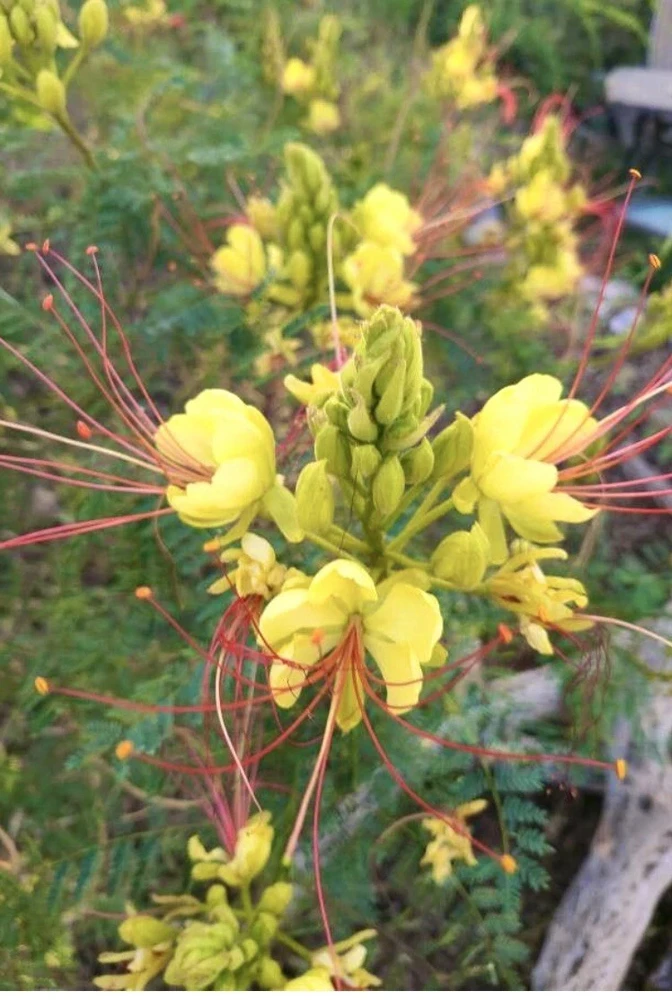
Yellow Bird of Paradise Seeds – 10 Perennial Seeds, Outdoor Flowering Bush & Shrub
Original price was: 13.98 $.9.99 $Current price is: 9.99 $.
Cultivate stunning yellow bird of paradise seeds in your garden with this pack of 10 perennial seeds. These easy-to-grow seeds will flourish into beautiful flowering bushes, adding a touch of exotic charm to any outdoor space. Perfect for gardeners seeking vibrant, low-maintenance blooms.
Estimated arrival
Nov 27
Dec 02 - Dec 04
Dec 04 - Dec 09
See our Shipping Policy.
Get in touch with us via email, and our team will review your concerns.
Our Alive & Thrive Guarantee covers issues with your plants within the first 30 days. Read our Refund & Returns Policy.
-
USDA Hardiness Zone
USDA zones 8-11 -
Soil Type
Well-draining sandy loam -
Sunlight Exposure
Full sun -
Expected Planting Period
Spring to early summer
Overview
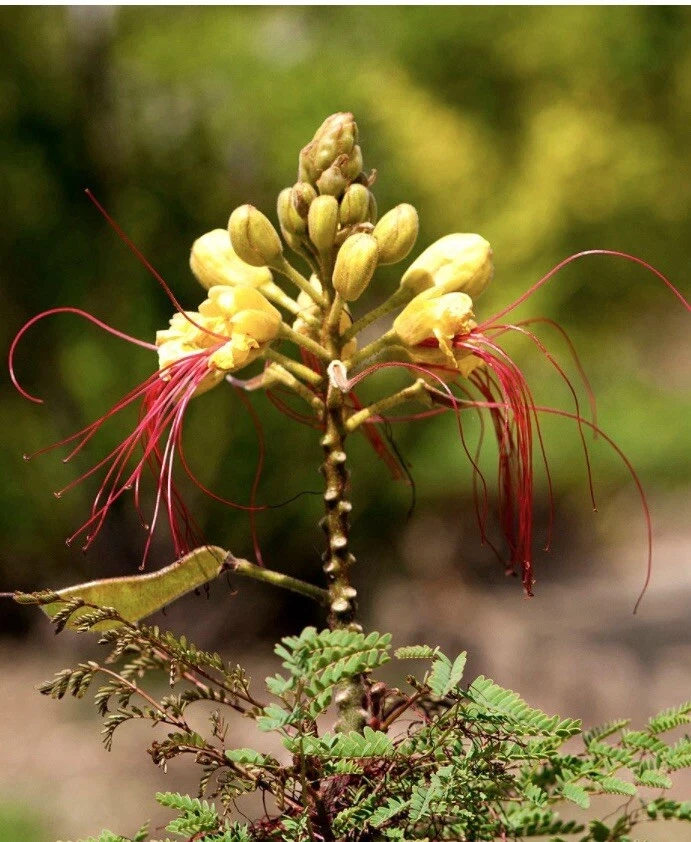
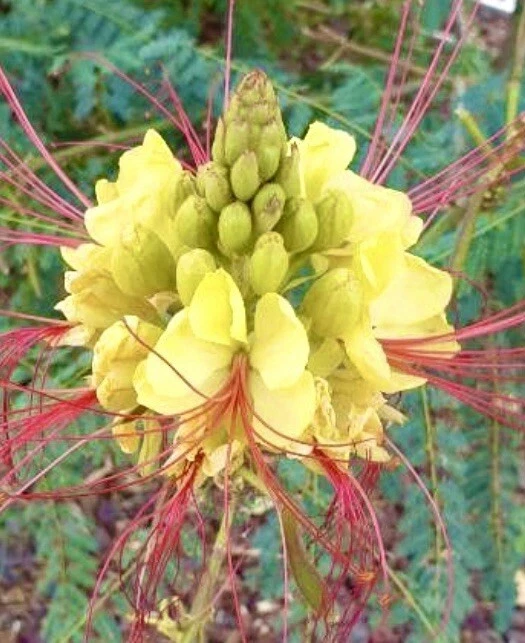
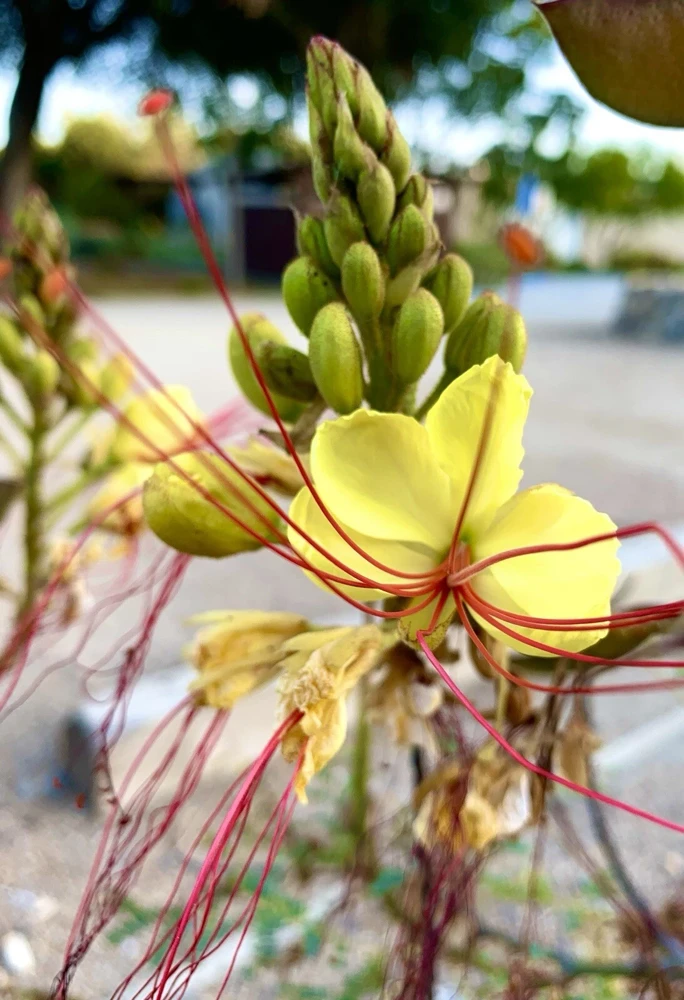
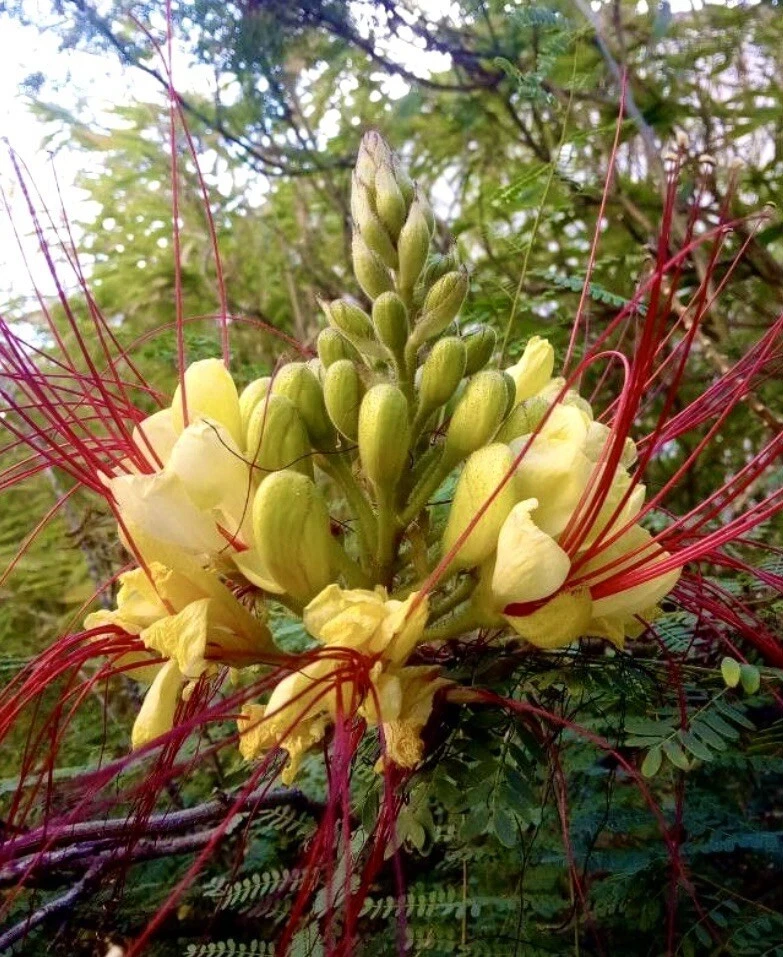
Embark on a rewarding gardening journey with our premium yellow bird of paradise seeds. This pack contains 10 high-quality seeds of Caesalpinia gilliesii, commonly known as Yellow Bird of Paradise or Erythrostemon Gilliesii. Renowned for its striking, exotic appearance, this perennial shrub promises to transform your outdoor landscape with its vibrant yellow and red-orange blossoms. These seeds offer a fantastic opportunity to cultivate a show-stopping plant that thrives in sunny conditions, making it a favorite among garden enthusiasts. Growing your own yellow bird of paradise seeds from scratch allows you to witness the fascinating development from a tiny seed into a magnificent flowering bush, bringing a unique tropical flair to your home garden.
Key Benefits
Growing the Yellow Bird of Paradise from seed offers numerous advantages, enriching your garden and providing a fulfilling experience. These benefits extend from the plant’s aesthetic appeal to its resilience and ease of care, ensuring a delightful addition to your outdoor space.
- Exotic Blooms: Enjoy the breathtaking beauty of unique yellow and red-orange flowers that resemble a bird in flight, creating a stunning focal point in any garden setting. These vibrant blossoms are a true spectacle, captivating attention with their intricate form and brilliant coloration.
- Attracts Pollinators: The colorful flowers are a magnet for hummingbirds and butterflies, bringing lively activity and biodiversity to your garden space, enhancing its ecological balance and natural charm.
- Drought Tolerant: Once established, these plants are remarkably resilient to dry conditions, making them an excellent choice for xeriscaping or gardens in arid climates, reducing the need for frequent watering.
- Easy to Grow: Known for their relatively easy cultivation from yellow bird of paradise seeds, these plants are suitable for both novice and experienced gardeners, requiring minimal fuss for impressive results. The germination process is straightforward with proper preparation.
- Perennial Growth: As a perennial shrub, the Yellow Bird of Paradise returns year after year, providing continuous beauty and reducing the need for annual replanting, offering long-term enjoyment and value.
- Low Maintenance: Beyond basic care, this shrub requires little ongoing maintenance, allowing you more time to enjoy its beauty rather than tending to complex needs, making it a perfect choice for busy gardeners.
- Versatile Landscaping: Ideal for borders, specimen planting, or container gardening, its adaptability allows for various landscape designs, enhancing patios, balconies, or garden beds with its distinctive presence.
Plant Care & Growing Tips
Successfully growing Yellow Bird of Paradise from yellow bird of paradise seeds requires attention to a few key environmental factors. These plants thrive in conditions that mimic their native habitats, ensuring robust growth and prolific flowering. Start by scarifying the seeds by lightly sanding them or nicking the hard outer coat, then soak them in warm water for 24 hours to aid germination. Plant the treated seeds about 1/2 inch deep in a well-draining seed-starting mix.
For optimal growth, provide your developing Caesalpinia gilliesii seeds with plenty of sunlight. These shrubs are sun-lovers and require at least 6-8 hours of full sun daily to produce the most vibrant blooms. In extremely hot climates, some afternoon shade can be beneficial to prevent scorching. Ensure the soil is consistently moist during the germination phase, but once established, the Yellow Bird of Paradise is quite drought-tolerant. However, regular watering during prolonged dry spells will encourage better flowering. The ideal soil type is a well-draining sandy loam, which prevents waterlogging and promotes healthy root development. These plants are generally hardy in USDA zones 8-11, preferring warmer climates and protection from frost.
Fertilize sparingly, perhaps once in spring with a balanced slow-release fertilizer designed for flowering shrubs. Over-fertilization can lead to excessive foliage growth at the expense of flowers. Pruning is best done in late winter or early spring to shape the plant and remove any dead or damaged branches, which also encourages more vigorous growth and blooming. Watch out for common pests like aphids or spider mites, treating them with insecticidal soap if necessary. With proper care, your perennial flower seeds will mature into stunning specimens, enhancing your garden for years to come.
Size & Details
This offering includes 10 high-quality yellow bird of paradise seeds, ready for planting. These seeds will mature into a striking perennial shrub, typically reaching a height of 6 to 10 feet with a similar spread, creating a substantial and impactful presence in your garden. The growth rate is moderate, allowing you to enjoy the development of the plant over several seasons. While the initial growth from seed will be slower, established plants can add considerable size each year. The vibrant yellow and red flowers typically appear in late spring through summer, continuing into fall in warmer climates, providing a long season of interest.
The seeds are shipped in a protective packet, ensuring their viability upon arrival. With proper care, these seeds will germinate and grow into robust plants, offering a magnificent display of color. The mature plant’s open, airy habit makes it an excellent choice for a variety of garden designs, from desert landscapes to more tropical-themed spaces. Expect the plant to start flowering within 2-3 years from seed, rewarding your patience with its spectacular blooms. Cultivating these outdoor flowering shrubs from seed offers an economical and satisfying way to add this beautiful species to your collection.
Frequently Asked Questions
- Q: How big does the Yellow Bird of Paradise plant get? A: The Yellow Bird of Paradise typically grows into a large shrub, reaching a height of 6 to 10 feet and spreading equally wide. Its open growth habit makes it a prominent feature in any garden.
- Q: Is this an indoor or outdoor plant? A: The Yellow Bird of Paradise is primarily an outdoor plant, thriving in full sun and warm climates. It can be grown in containers and brought indoors in colder regions during winter, but it prefers an outdoor environment.
- Q: How much sunlight does it need? A: This plant requires at least 6-8 hours of direct full sun daily to produce the most abundant and vibrant blooms. Insufficient light can lead to sparse flowering.
- Q: Is this plant easy to care for? A: Yes, the Yellow Bird of Paradise is considered easy to care for, especially once established. It is drought-tolerant and requires minimal pruning and fertilization, making it suitable for beginners.
- Q: What condition will the yellow bird of paradise seeds arrive in? A: The seeds will arrive in a protective packet, ensuring they are dry and viable for planting. They are carefully packaged to maintain their quality during transit.
- Q: When is the best time to plant Caesalpinia gilliesii seeds? A: The best time to plant these seeds is in spring after the last frost, or during the warmer months if growing indoors. This allows the seedlings to establish before extreme weather conditions.
- Q: What’s the minimum temperature these plants can tolerate? A: Yellow Bird of Paradise is generally hardy in USDA zones 8-11. It can tolerate brief dips to around 20-25°F (-6 to -3°C) but prefers warmer temperatures and should be protected from hard freezes.
- Q: How long until it blooms from seed? A: It typically takes 2 to 3 years for the Yellow Bird of Paradise to mature and begin flowering when grown from seed. The wait is well worth it for the spectacular blooms.
- Q: What kind of soil is best for growing perennial flower seeds like these? A: Well-draining soil is crucial. A sandy loam mix is ideal, ensuring good aeration and preventing waterlogging, which can be detrimental to the roots of the Yellow Bird of Paradise.
- Q: Do these outdoor flowering shrubs attract any specific wildlife? A: Yes, the bright, nectar-rich flowers of the Yellow Bird of Paradise are very attractive to hummingbirds and butterflies, making it a great addition for wildlife gardens.
Be the first to review “Yellow Bird of Paradise Seeds – 10 Perennial Seeds, Outdoor Flowering Bush & Shrub”
Related products


Shrubs
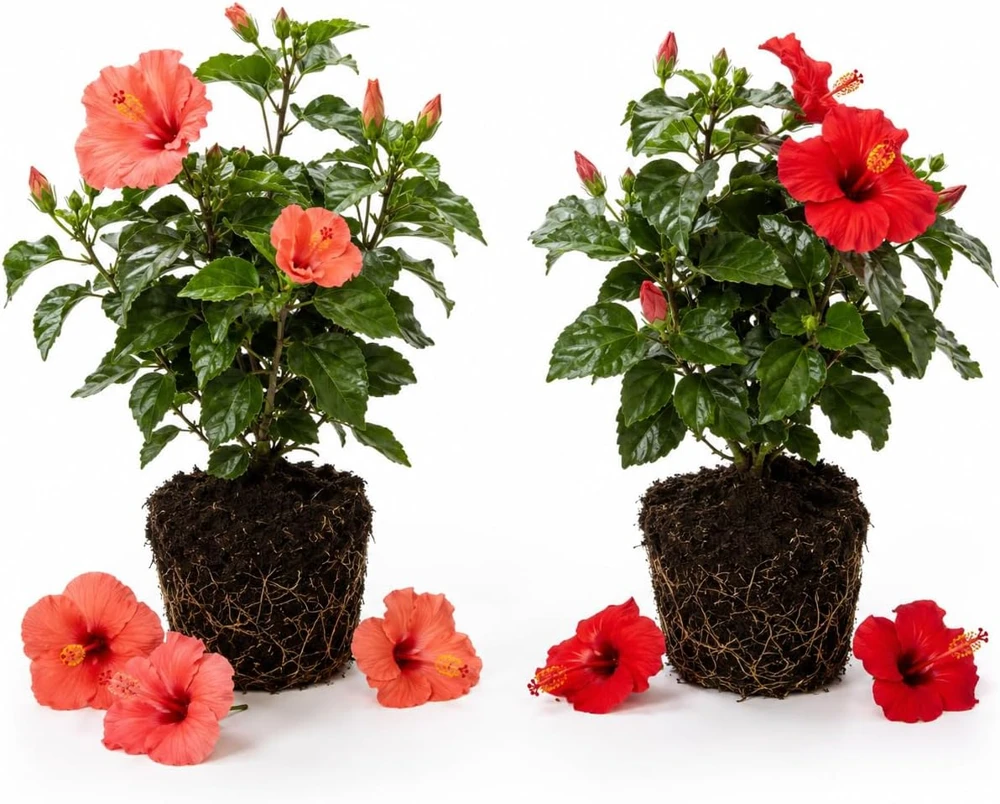
Set of 2 Mixed Hardy Hibiscus Live Plants, 4-7 Inches Tall, Perennial Flowering Shrubs, Outdoor

You May Like

How to Grow Passion Flower (Passiflora) for Tropical Blooms
Few climbing vines in the home garden command attention quite like the exotic Passion Flower (Passiflora). [...]
Nov

Thanksgiving Cactus Care: How to Get Thanksgiving Cactus to Bloom
Is your Thanksgiving cactus growing well but not giving you any flowers? Maybe it looked [...]
Nov

How to Grow Garlic for a Bountiful Home Harvest
Garlic (Allium sativum) is one of the most satisfying, low-maintenance, and flavor-packed crops you can [...]
Oct

Hardneck vs. Softneck Garlic: Which Should You Grow?
Have you ever stood in front of a seed catalog in mid-September, staring at dozens [...]
1 Comment
Oct

When to Plant Music Garlic: Ultimate US Fall Guide
Have you ever spent your fall weekend placing carefully chosen garlic cloves into rich, dark [...]
1 Comment
Oct

5 Best Bulbs for Fall Planting: Brighten Your Garden This Spring
Are you dreaming of a garden full of vibrant colors in the spring? The key [...]
Aug

10 Houseplants That Will Thrive in Your Kitchen
Are you tired of your kitchen feeling dull and lifeless? Want to add a little [...]
1 Comment
Aug
Reviews
There are no reviews yet.