
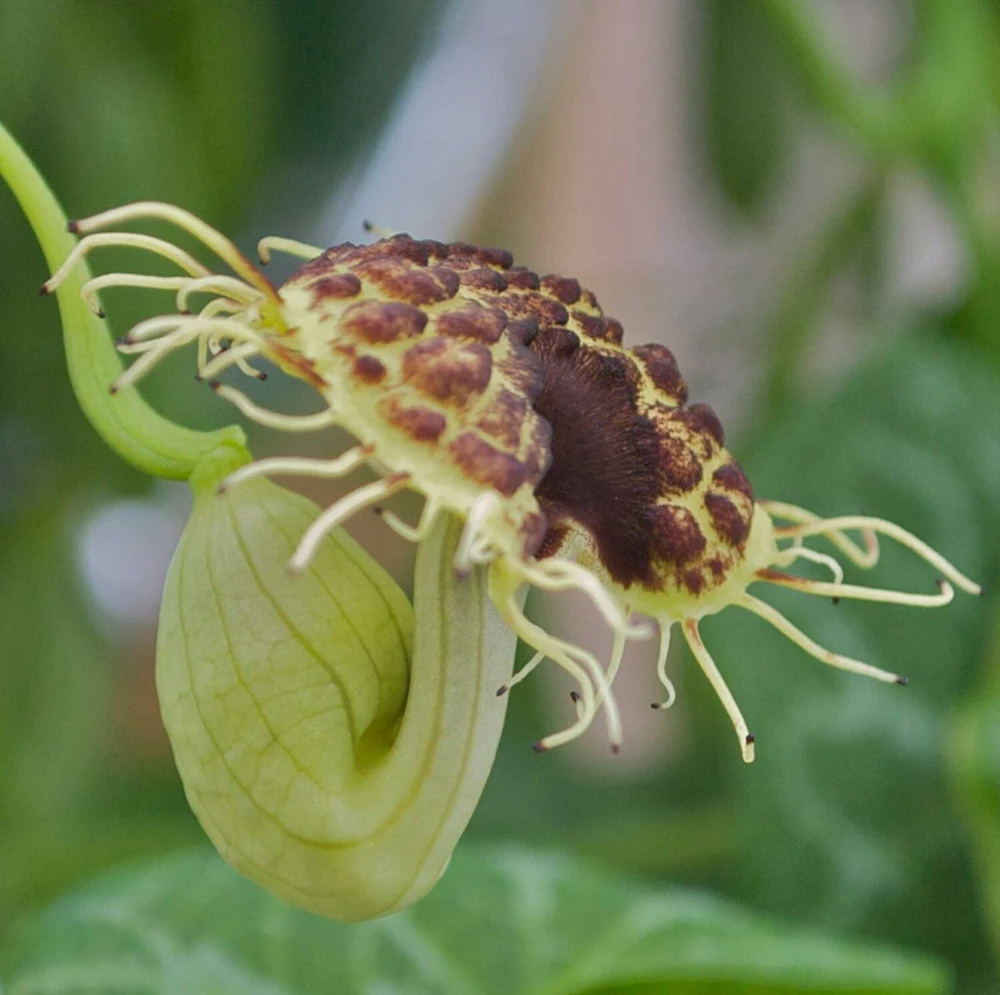
Aristolochia fimbriata Seeds – White Veined Dutchmans Pipe – 5 Seeds
Original price was: 52.91 $.23.91 $Current price is: 23.91 $.
Cultivate the unique Aristolochia fimbriata seeds, also known as White Veined Dutchmans Pipe. These 5 seeds will grow into a fascinating vine that attracts butterflies and is naturally deer resistant, thriving in partial to full shade. Perfect for adding an exotic touch to your garden.
Estimated arrival
Nov 27
Dec 02 - Dec 04
Dec 04 - Dec 09
See our Shipping Policy.
Get in touch with us via email, and our team will review your concerns.
Our Alive & Thrive Guarantee covers issues with your plants within the first 30 days. Read our Refund & Returns Policy.
-
USDA Hardiness Zone
7 to 9 -
Soil Type
Well-draining, rich in organic matter -
Sunlight Exposure
Partial shade to full shade -
Expected Planting Period
Spring to early summer
Overview
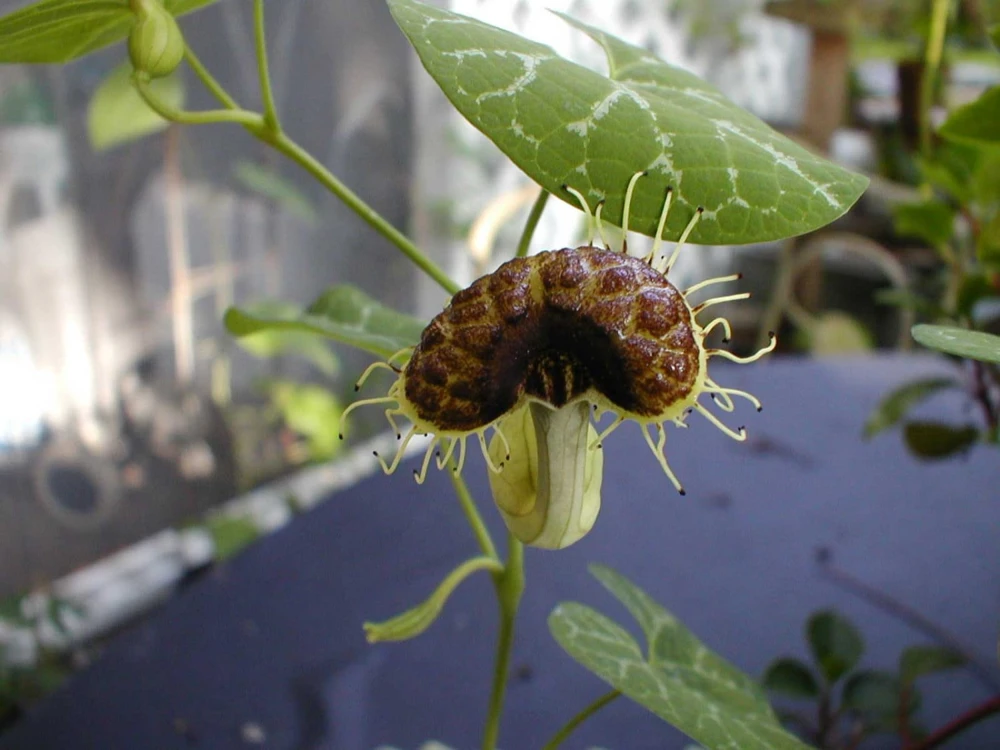
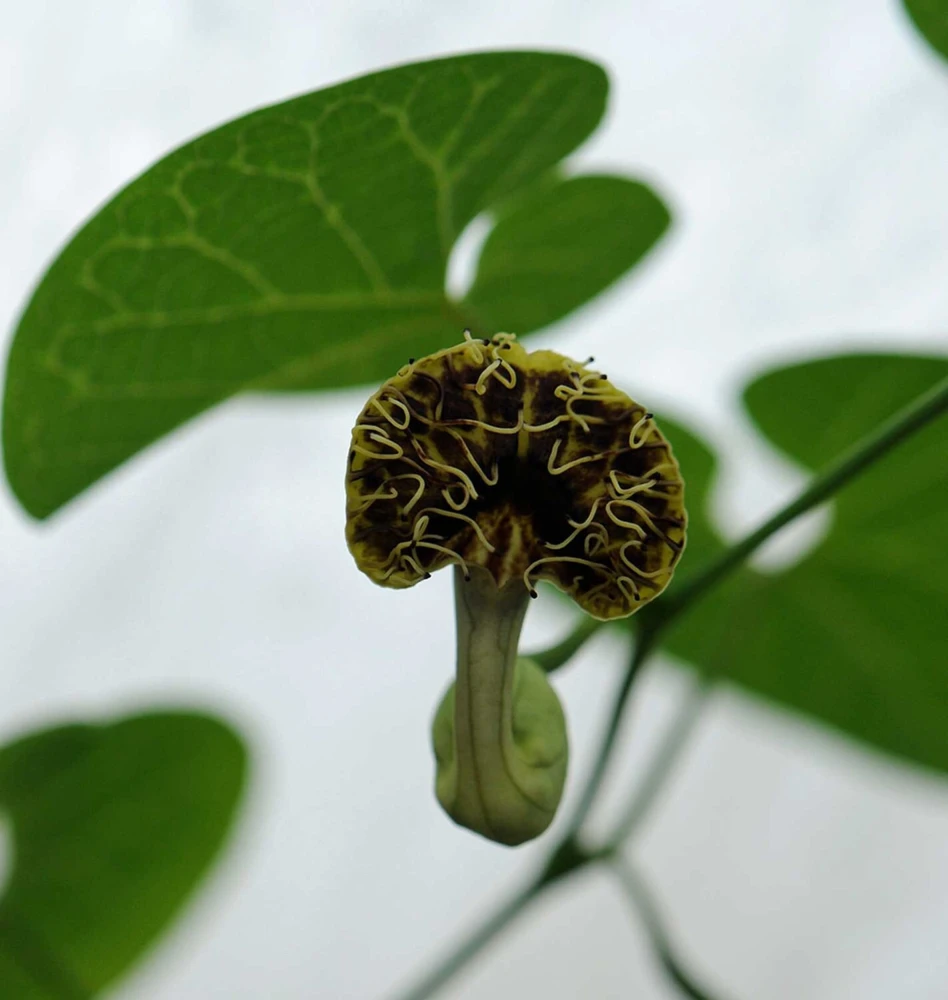
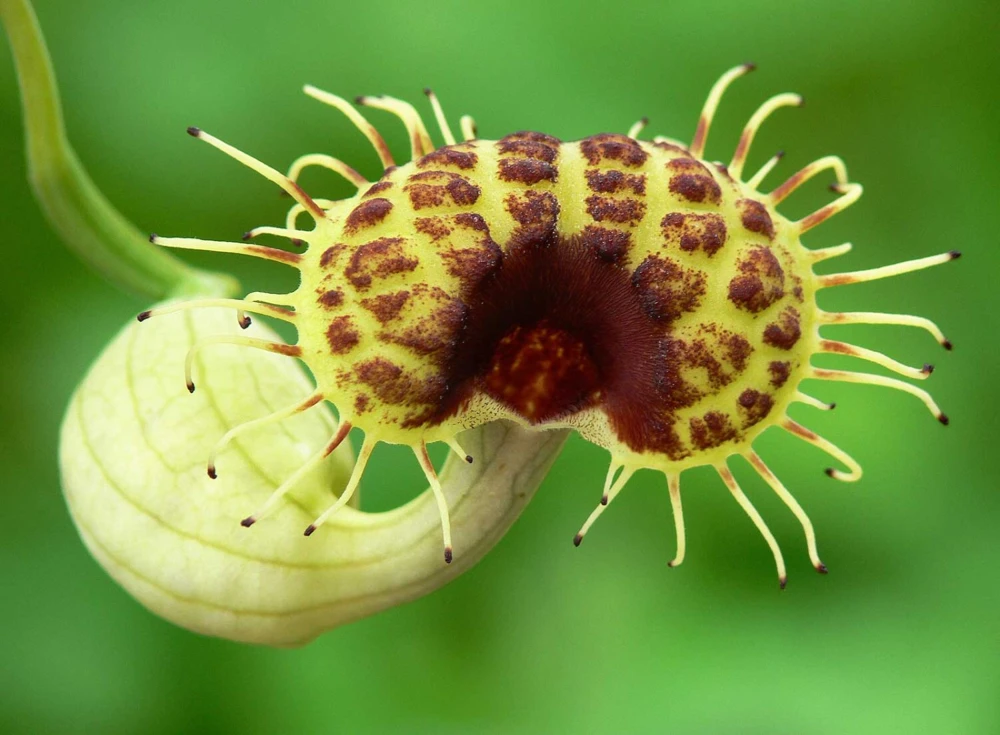
Embark on a captivating gardening journey with our premium Aristolochia fimbriata seeds. Also known as the White Veined Dutchmans Pipe, this remarkable vine is celebrated for its distinctive and intricately patterned blossoms. These unusual flowers, resembling a Dutchman’s pipe with elegant white veining, emerge in late spring and continue to grace your garden until early fall. A true marvel of nature, this plant is not only a visual delight but also a vital ecological contributor, serving as a larval host plant for several stunning butterfly species, including the Pipevine Swallowtail, Polydamas Swallowtail, and Mylotes Cattleheart butterflies. Growing Aristolochia fimbriata seeds allows you to cultivate a unique specimen that offers both ornamental beauty and supports local wildlife.
The Aristolochia fimbriata is a relatively low-maintenance vine that adapts well to various garden settings. It prefers at least some light shade but can comfortably thrive in full shade, making it an excellent choice for those shadier spots in your landscape where other plants might struggle. Its resilience and unique aesthetic make it a sought-after addition for gardeners looking to create a conversation piece. By planting these Aristolochia fimbriata seeds, you’re not just growing a plant; you’re nurturing a vibrant ecosystem in your own backyard.
Key Benefits
Discover the myriad advantages of incorporating Aristolochia fimbriata seeds into your garden. This exceptional plant offers more than just beauty; it provides significant ecological benefits and is surprisingly easy to care for, making it a rewarding choice for both novice and experienced gardeners alike. Achieve a truly unique garden with the help of the White Veined Dutchmans Pipe.
- Attracts Beneficial Pollinators: This vine is a magnet for birds, bees, and butterflies, enriching your garden’s biodiversity. It serves as a crucial larval host plant for the Pipevine Swallowtail, Polydamas Swallowtail, and Mylotes Cattleheart butterflies, supporting their life cycle. Planting Aristolochia fimbriata seeds directly contributes to local pollinator populations.
- Deer Resistant: Unlike many other garden plants, deer tend to avoid Aristolochia fimbriata, making it an excellent choice for areas prone to deer browsing. This natural resistance helps ensure your plant remains beautiful and undamaged.
- Unique Ornamental Appeal: The peculiar, hairy-mouthed blossoms with their striking white veins are unlike any other. They provide an exotic and intriguing focal point in any garden setting, drawing admiration and curiosity.
- Shade Tolerant: Thrives in partial to full shade, offering a solution for brightening up dimly lit areas of your garden where other flowering plants might not flourish. This versatility makes Aristolochia fimbriata seeds suitable for various landscape designs.
- Long Blooming Season: Enjoy its distinctive flowers from late spring through early fall, providing extended visual interest throughout the warmer months. This prolonged blooming period ensures a continuous display of its unique beauty.
- Easy to Grow from Seed: Starting Aristolochia fimbriata seeds is a straightforward process, allowing you to cultivate multiple plants and expand your collection with ease. It’s a cost-effective way to introduce this special vine to your garden.
- Low Maintenance: Once established, this vine requires minimal care, making it a perfect option for gardeners seeking high impact with low effort. Its robust nature means less time spent on upkeep and more time enjoying its beauty.
Plant Care & Growing Tips
Cultivating Aristolochia fimbriata seeds into thriving vines is a rewarding experience with proper care. This plant, also known as the White Veined Dutchmans Pipe, is relatively easy to grow and maintain, especially when its specific needs are met. For successful germination and growth, start your seeds indoors 6-8 weeks before the last frost date, or directly sow them outdoors after all danger of frost has passed. Lightly cover the seeds with soil, as they require some light for germination. Keep the soil consistently moist but not waterlogged during this initial phase.
Once established, the Aristolochia fimbriata prefers a location with at least some light shade, though it performs exceptionally well in full shade. This makes it an ideal plant for under trees, on north-facing walls, or in other areas of your garden that receive limited direct sunlight. The soil should be well-draining and rich in organic matter. While not overly particular about soil pH, a slightly acidic to neutral range is generally preferred. Water regularly, especially during dry spells, to keep the soil consistently moist. Avoid letting the soil dry out completely between waterings, particularly during the blooming season. Fertilize sparingly with a balanced liquid fertilizer every 4-6 weeks during the growing season to encourage vigorous growth and abundant flowering. This plant is hardy in USDA Hardiness Zones 7 to 9, meaning it can tolerate winter temperatures down to 0°F to 20°F (-17.8°C to -6.7°C). In colder zones, it can be grown as an annual or brought indoors during winter. Keep an eye out for common garden pests, though the plant’s natural deer resistance helps protect it from larger browsers. Learning how to grow Aristolochia fimbriata successfully is key to enjoying its unique charm.
Size & Details
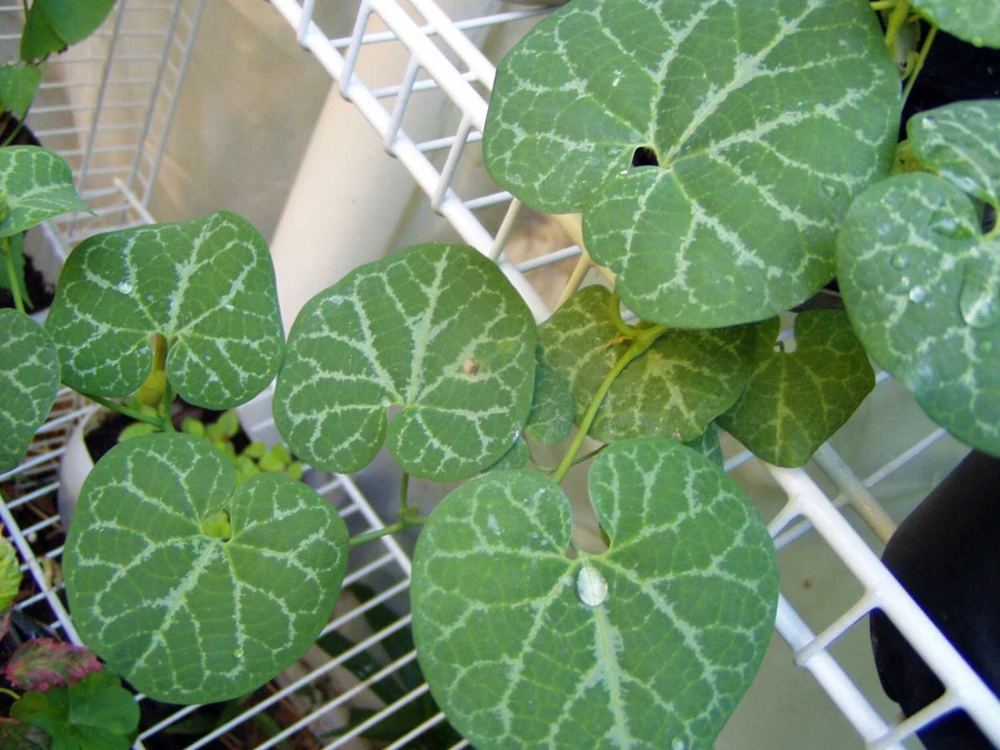
This offering includes 5 high-quality Aristolochia fimbriata seeds, ready for planting. When mature, the White Veined Dutchmans Pipe is a vigorous climbing vine that can reach lengths of 10 to 15 feet, though its growth habit can be managed with pruning. Its heart-shaped leaves provide a lush backdrop for the unique, white-veined blossoms. The individual flowers typically measure 1 to 2 inches across and feature a distinctive pipe-like shape with a flared, hairy opening. The growth rate is moderate, allowing the vine to establish itself well within one to two growing seasons, with blossoms appearing in the first year under optimal conditions. This plant will ship as a packet of seeds, ready for you to sow and cultivate. Expect the vine to begin flowering in late spring and continue its display until early fall, providing a long season of interest. These seeds offer an excellent opportunity to cultivate a beautiful and ecologically beneficial plant for your garden.
Frequently Asked Questions
- Q: How big does this plant get? A: The Aristolochia fimbriata is a vigorous climbing vine that can typically reach lengths of 10 to 15 feet at maturity. Its size can be managed with regular pruning to fit your garden space.
- Q: Is this an indoor or outdoor plant? A: This plant is primarily an outdoor vine, thriving in USDA Hardiness Zones 7 to 9. In colder climates, it can be grown as an annual or overwintered indoors with appropriate care.
- Q: How much sunlight does it need? A: The White Veined Dutchmans Pipe prefers at least some light shade but can do very well in full shade. Avoid intense, direct afternoon sun, especially in hot climates.
- Q: Is this plant easy to care for? A: Yes, once established, Aristolochia fimbriata is considered a low-maintenance plant. It requires consistent moisture and benefits from occasional fertilization during the growing season.
- Q: What condition will it arrive in? A: You will receive a packet containing 5 Aristolochia fimbriata seeds, ready for planting. Detailed growing instructions will be provided to help you grow Aristolochia fimbriata successfully.
- Q: How long until it blooms? A: Under optimal growing conditions, you can expect the White Veined Dutchmans Pipe to begin blooming in its first year, typically from late spring through early fall.
- Q: Will it survive winter in my zone? A: This plant is hardy in USDA Zones 7 to 9. If you are in a colder zone, you may need to protect it during winter or grow it as an annual.
- Q: What is the best way to plant these seeds? A: For the best results, start your Aristolochia fimbriata seeds indoors 6-8 weeks before the last frost. Lightly cover the seeds with soil and keep them consistently moist until germination. You can also directly sow them outdoors after the last frost.
- Q: Why is this plant called ‘Dutchmans Pipe’? A: The common name White Veined Dutchmans Pipe comes from the unique shape of its flowers, which resemble traditional Dutch smoking pipes. This distinctive characteristic makes it a fascinating addition to any garden.
- Q: Is this a good plant for attracting wildlife? A: Absolutely! This vine is a fantastic butterfly host plant seeds choice, specifically for the Pipevine Swallowtail, Polydamas Swallowtail, and Mylotes Cattleheart butterflies. It also attracts various birds and bees, making it excellent for pollinator gardens.
Be the first to review “Aristolochia fimbriata Seeds – White Veined Dutchmans Pipe – 5 Seeds”
Related products


You May Like

How to Grow Passion Flower (Passiflora) for Tropical Blooms
Few climbing vines in the home garden command attention quite like the exotic Passion Flower (Passiflora). [...]
Nov

Thanksgiving Cactus Care: How to Get Thanksgiving Cactus to Bloom
Is your Thanksgiving cactus growing well but not giving you any flowers? Maybe it looked [...]
Nov

How to Grow Garlic for a Bountiful Home Harvest
Garlic (Allium sativum) is one of the most satisfying, low-maintenance, and flavor-packed crops you can [...]
Oct

Hardneck vs. Softneck Garlic: Which Should You Grow?
Have you ever stood in front of a seed catalog in mid-September, staring at dozens [...]
1 Comment
Oct

When to Plant Music Garlic: Ultimate US Fall Guide
Have you ever spent your fall weekend placing carefully chosen garlic cloves into rich, dark [...]
1 Comment
Oct

5 Best Bulbs for Fall Planting: Brighten Your Garden This Spring
Are you dreaming of a garden full of vibrant colors in the spring? The key [...]
Aug

10 Houseplants That Will Thrive in Your Kitchen
Are you tired of your kitchen feeling dull and lifeless? Want to add a little [...]
1 Comment
Aug
Reviews
There are no reviews yet.