
Ipomoea alba Seeds – Tropical White Morning Glory Moon Vine – 5 Seeds
Original price was: 48.91 $.19.91 $Current price is: 19.91 $.
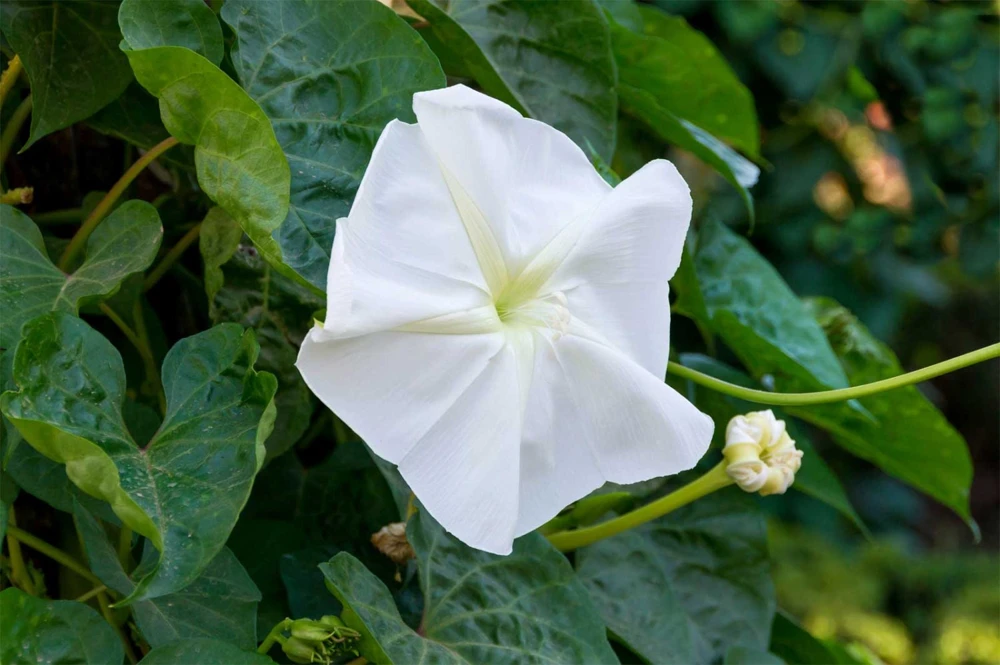
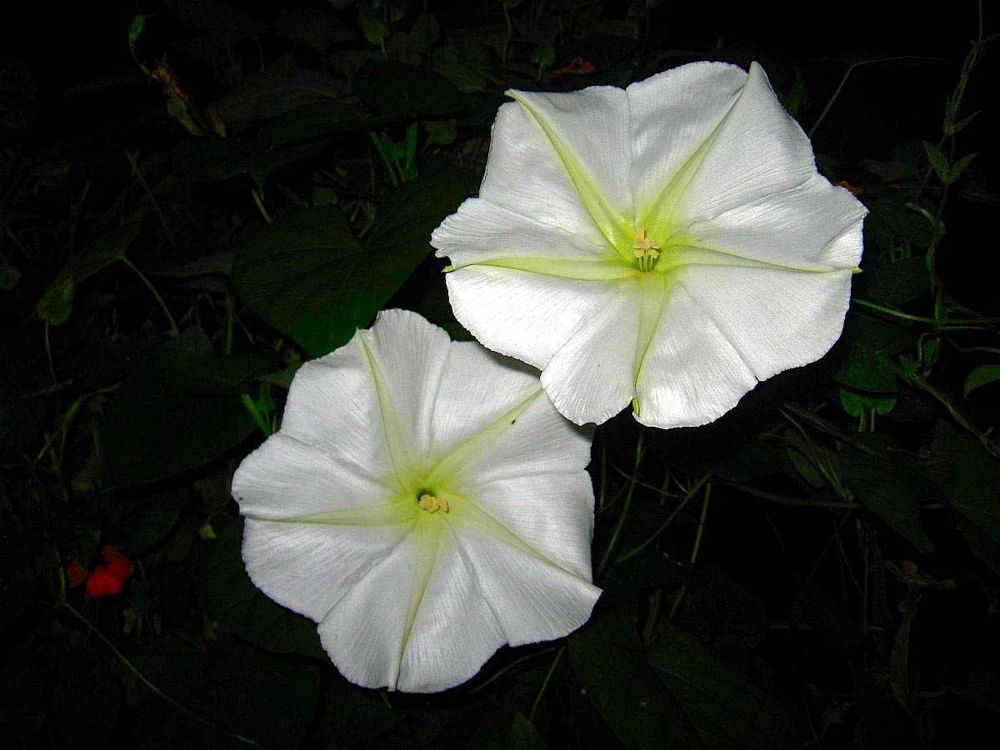
Discover the magic of Ipomoea alba seeds, also known as tropical white morning glory or moonflower. These moon vine seeds produce stunning, fragrant giant white blooms that open at dusk, creating a captivating night garden. Perfect for trellises and fences, attracting nocturnal pollinators.
Estimated arrival
Nov 27
Dec 02 - Dec 04
Dec 04 - Dec 09
See our Shipping Policy.
Get in touch with us via email, and our team will review your concerns.
Our Alive & Thrive Guarantee covers issues with your plants within the first 30 days. Read our Refund & Returns Policy.
-
USDA Hardiness Zone
8 to 11 (as tender perennial), annual elsewhere -
Soil Type
Well-draining, rich soil -
Sunlight Exposure
Full sun -
Expected Planting Period
Spring, after last frost
Overview
Cultivate the enchanting beauty of the night with our premium Ipomoea alba seeds. Also known as Tropical White Morning Glory, Moonflower, Giant White Moonflower, or Moon Vine, this remarkable tropical vine offers an unparalleled nocturnal display. Each packet contains 5 seeds of this extraordinary plant, promising a garden filled with large, luminous white flowers that unfurl quickly in the evening and remain open until touched by the morning sun. The intoxicating fragrance of these blooms will transform your garden into a serene and magical space after dark, making it a perfect addition for those who appreciate unique botanical wonders.
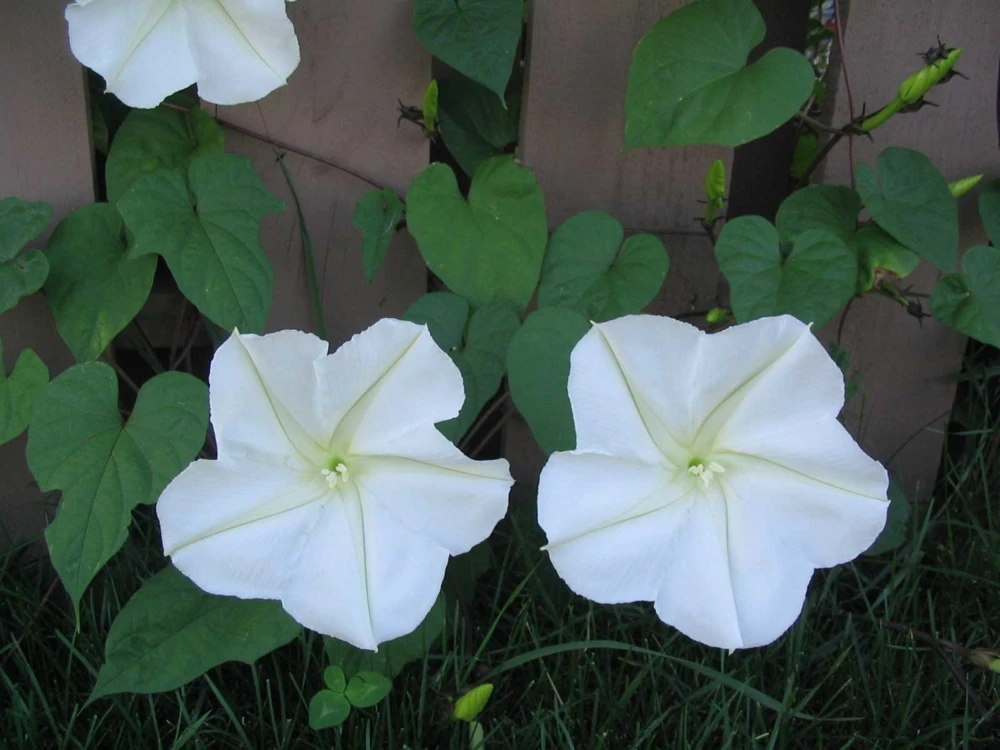
The tropical white morning glory is a vigorous climber, ideal for covering fences, arbors, or trellises, creating a dramatic backdrop for your evening strolls. Its rapid growth and stunning flowers make it a favorite among gardeners seeking a distinctive and low-maintenance plant that truly shines when others fade. These Ipomoea alba seeds are your gateway to experiencing the captivating allure of a garden that comes alive under the moonlight.
Key Benefits
Growing Ipomoea alba seeds offers a multitude of benefits, from their unique blooming cycle to their ecological contributions. This plant is not just beautiful; it’s a dynamic addition to any landscape.
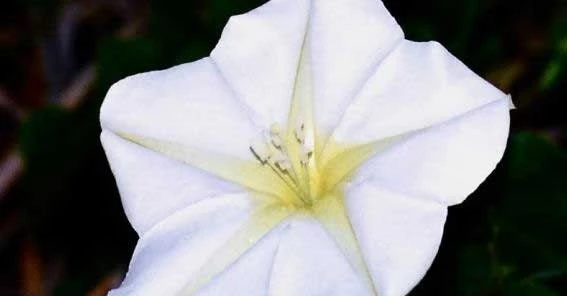
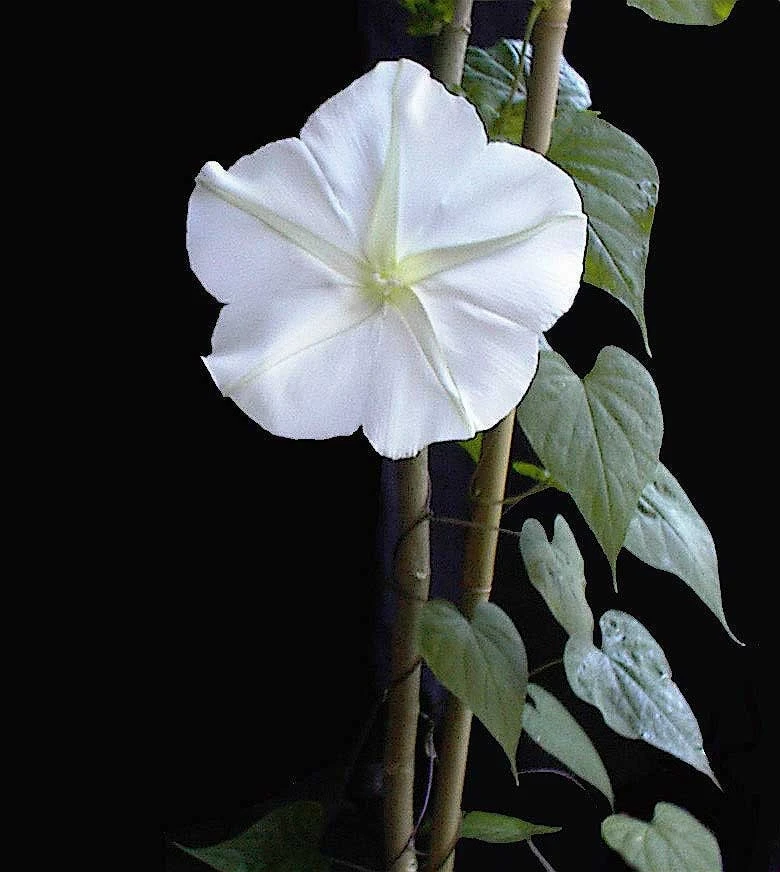
- Spectacular Night Blooms: Enjoy large, pure white, trumpet-shaped flowers that open at dusk and close with the morning light. This unique blooming habit provides a distinct visual appeal, especially for evening entertaining.
- Intoxicating Fragrance: The flowers release a delightful, sweet fragrance that can fill your garden space, creating a serene and pleasant atmosphere during the evening hours.
- Attracts Nocturnal Pollinators: The giant white moonflower is a magnet for various nocturnal insects, including the Morning-glory Prominent, Morning-glory Plume, and Morning-glory Leafminer Moths, as well as the Pink-spotted hawkmoth, contributing to local biodiversity.
- Butterfly Host Plant: This plant serves as a larval host for several butterfly species, including the Morning Glory Pellicia and Mimic butterflies, supporting their life cycles. It also lures the Mexican Fritillary and Spicebush Swallowtail butterflies.
- Nectar Source: Provides a valuable nectar source for various butterflies like the Sheep Skipper, Purplish-black Skipper, and Cloudless Sulphur butterflies, enriching your garden’s ecosystem.
- Edible Leaves and Seeds: The young leaves and seeds of Ipomoea alba can be eaten as a vegetable or used in soups, stews, and curries, offering a unique culinary option from your garden.
- Vigorous Growth: As a robust moon vine seeds variety, it quickly establishes itself and provides excellent coverage, making it perfect for trellises, arbors, or ground cover.
Plant Care & Growing Tips
Successfully growing Ipomoea alba seeds requires attention to a few key environmental factors to ensure healthy, vigorous plants and abundant blooms. These plants thrive in conditions that mimic their tropical origins.
Sunlight Requirements: The Tropical White Morning Glory demands full sun exposure to flourish, meaning at least 6-8 hours of direct sunlight per day. While it tolerates some partial shade, especially in hotter climates, optimal flowering will occur in full sun. Ensure your chosen planting site receives ample light throughout the day for the best results.
Watering and Soil: This vine prefers consistently moist, but not waterlogged, soil. Water regularly, especially during dry periods, to keep the soil evenly damp. Good drainage is crucial, as soggy conditions can lead to root rot. A rich, well-draining soil type is ideal. Amend heavy clay soils with organic matter like compost to improve drainage and fertility. Once established, the giant white moonflower shows some drought tolerance but performs best with consistent moisture.
Temperature and Hardiness:Ipomoea alba is a tender perennial in USDA Hardiness Zones 8 to 11, where it can survive mild winters. In colder zones, it is typically grown as an annual, completing its life cycle within one growing season. It thrives in warm temperatures and will not tolerate frost. For best growth, ensure temperatures are consistently above 60°F (15°C). Plant after all danger of frost has passed in your region.
Fertilization: While not a heavy feeder, a balanced liquid fertilizer applied every 2-4 weeks during the growing season can promote more vigorous growth and flowering. Avoid high-nitrogen fertilizers, which can encourage leafy growth at the expense of blooms. Regular deadheading is generally not necessary as the flowers fade quickly in the morning.
Support and Pruning: As a climbing vine, this plant will require a sturdy support structure such as a trellis, arbor, or fence to climb on. Guide young tendrils initially to help them establish their climbing habit. Pruning is usually limited to removing dead or damaged foliage and controlling its spread if it becomes too vigorous. The moon vine seeds germinate relatively easily, and scarifying the seeds (lightly scratching the hard outer coat) before soaking them in warm water overnight can improve germination rates.
Size & Details
Our Ipomoea alba seeds offer the potential for a truly magnificent climbing vine. Once mature, this vigorous plant can reach impressive heights, typically growing 10 to 15 feet in a single season when provided with adequate support and optimal growing conditions. The large, heart-shaped leaves provide lush green foliage, setting off the spectacular white blooms. Each flower can measure 4 to 6 inches in diameter, creating a striking visual impact. This plant blooms from late Spring until early Winter in suitable climates, offering a long season of enjoyment. The seeds are provided in a packet containing 5 viable seeds, ready for planting. These are annuals in most climates, but tender perennials in USDA Zones 8-11, where they can return year after year. Expect germination within 7-14 days under ideal conditions, with flowering typically beginning 60-90 days after planting, transforming your garden into a fragrant, glowing spectacle.
Frequently Asked Questions
- Q: How big does the Ipomoea alba vine get? A: This vigorous vine can typically grow 10 to 15 feet tall in a single growing season, especially with good support and favorable conditions. Its spread can be quite extensive, making it ideal for covering large areas.
- Q: Is this an indoor or outdoor plant? A: The tropical white morning glory is primarily an outdoor plant, thriving in full sun. While it can be grown in containers, it requires significant space and light. In colder zones, it’s grown as an annual.
- Q: How much sunlight does Ipomoea alba need? A: For optimal growth and flowering, Ipomoea alba requires full sun, meaning at least 6-8 hours of direct sunlight daily. Less sun may result in fewer and smaller blooms.
- Q: Is this plant easy to care for? A: Yes, once established, the giant white moonflower is relatively low-maintenance. It primarily needs consistent watering, full sun, and a support structure to climb on. It’s a great choice for both novice and experienced gardeners.
- Q: What condition will the seeds arrive in? A: Your Ipomoea alba seeds will arrive as dry, viable seeds, carefully packaged to ensure their integrity. They are ready for planting after a simple pre-treatment of scarification and soaking.
- Q: How long until the moon vine blooms? A: After planting the moon vine seeds, you can generally expect the first blooms to appear within 60 to 90 days, given proper care and ideal growing conditions. The flowering period extends from late spring to early winter.
- Q: Will it survive winter in my zone? A: Ipomoea alba is a tender perennial in USDA Hardiness Zones 8 to 11. In these zones, it may survive winter and return in spring. In colder zones (7 and below), it is typically grown as an annual and will not survive frost.
- Q: Can the leaves and seeds be eaten? A: Yes, the young leaves and seeds of Ipomoea alba can be consumed. They are best when picked young and can be used as a vegetable, in soups, stews, or curries. Always ensure you are positively identifying the plant before consumption.
- Q: What is the best time to plant Ipomoea alba seeds? A: The best time to plant is in spring, after all danger of frost has passed and soil temperatures have warmed up. This allows the plant ample time to grow and flower throughout the summer and fall.
- Q: Does this plant attract butterflies? A: Absolutely! Besides being a host plant for several butterfly species, the tropical white morning glory is also a nectar source for butterflies like the Sheep Skipper, Purplish-black Skipper, and Cloudless Sulphur, making your garden more vibrant.
Be the first to review “Ipomoea alba Seeds – Tropical White Morning Glory Moon Vine – 5 Seeds”
Related products


You May Like

How to Grow Passion Flower (Passiflora) for Tropical Blooms
Few climbing vines in the home garden command attention quite like the exotic Passion Flower (Passiflora). [...]
Nov

Thanksgiving Cactus Care: How to Get Thanksgiving Cactus to Bloom
Is your Thanksgiving cactus growing well but not giving you any flowers? Maybe it looked [...]
Nov

How to Grow Garlic for a Bountiful Home Harvest
Garlic (Allium sativum) is one of the most satisfying, low-maintenance, and flavor-packed crops you can [...]
Oct

Hardneck vs. Softneck Garlic: Which Should You Grow?
Have you ever stood in front of a seed catalog in mid-September, staring at dozens [...]
1 Comment
Oct

When to Plant Music Garlic: Ultimate US Fall Guide
Have you ever spent your fall weekend placing carefully chosen garlic cloves into rich, dark [...]
1 Comment
Oct

5 Best Bulbs for Fall Planting: Brighten Your Garden This Spring
Are you dreaming of a garden full of vibrant colors in the spring? The key [...]
Aug

10 Houseplants That Will Thrive in Your Kitchen
Are you tired of your kitchen feeling dull and lifeless? Want to add a little [...]
1 Comment
Aug
Reviews
There are no reviews yet.