
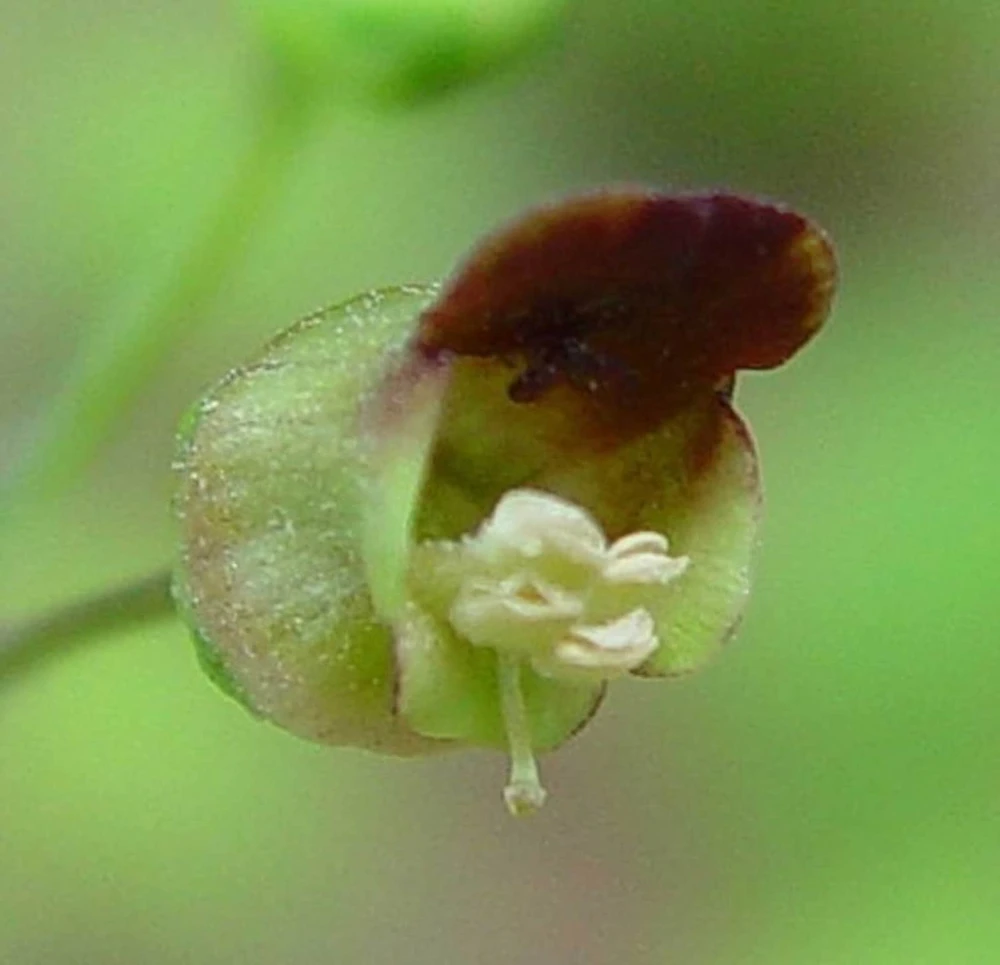
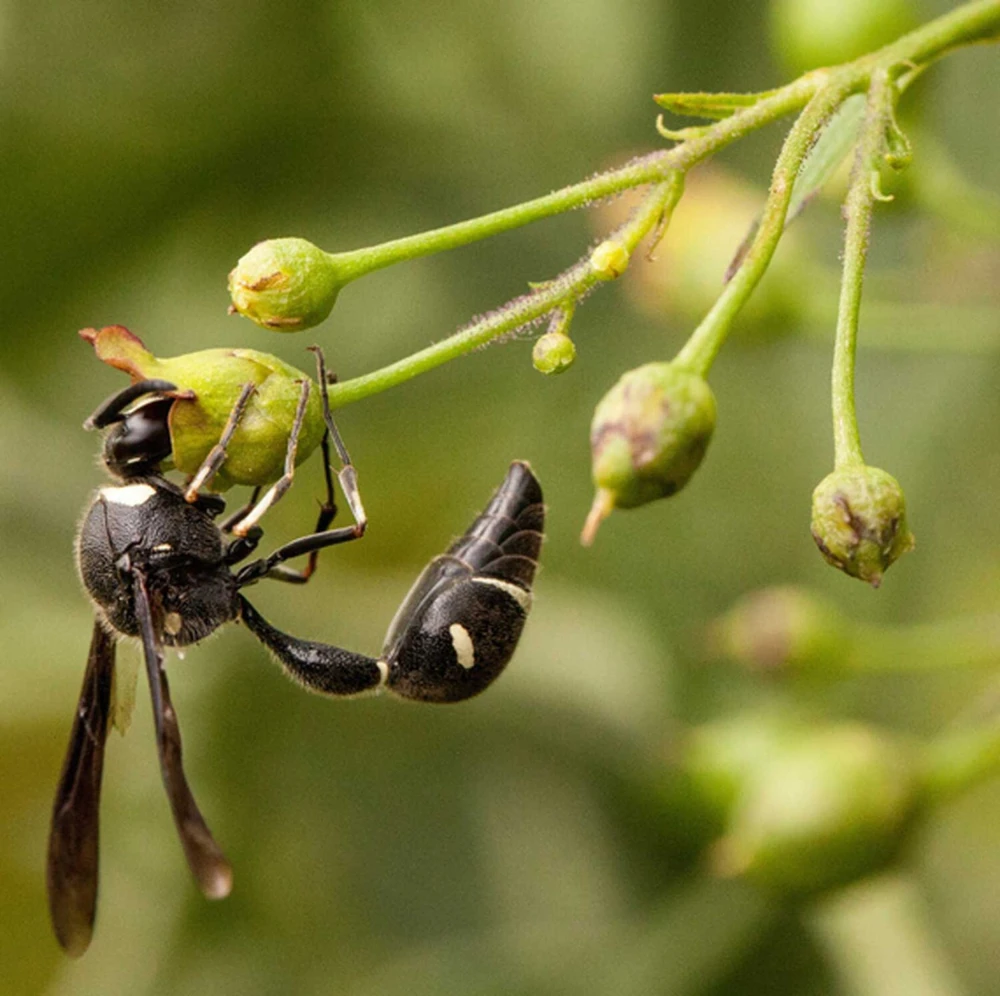
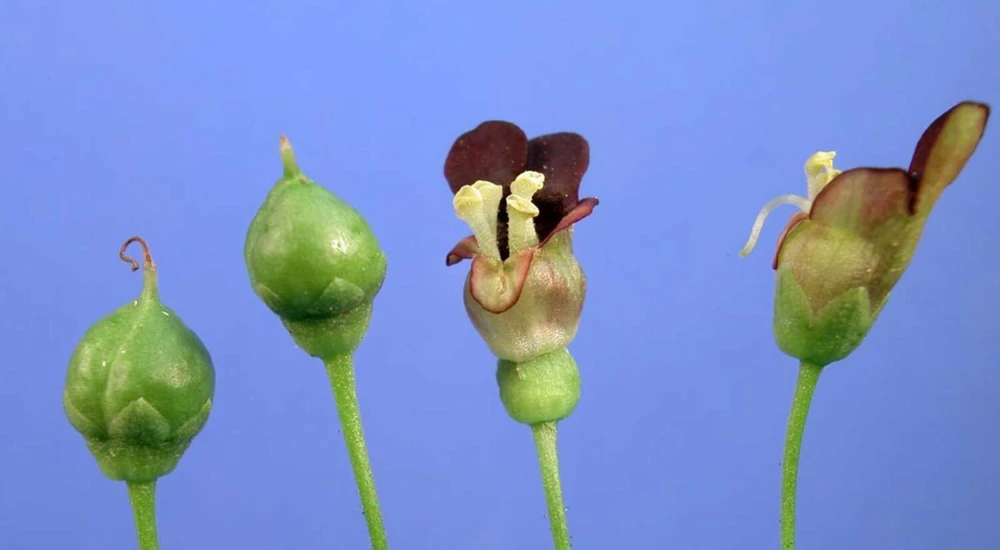
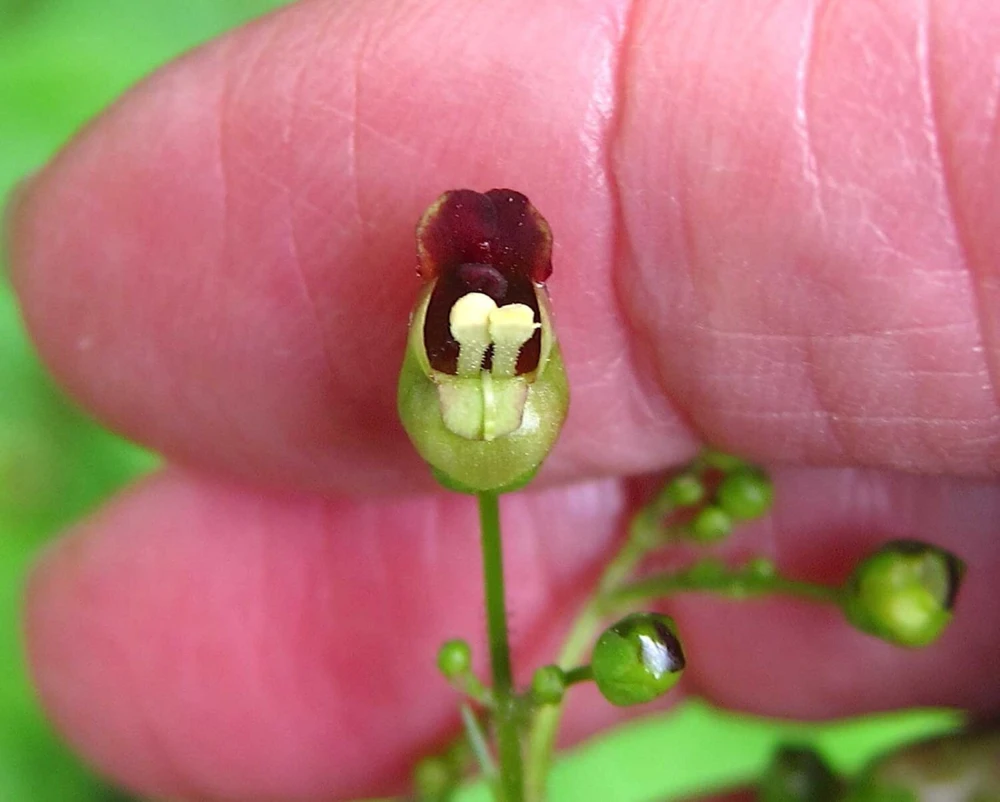
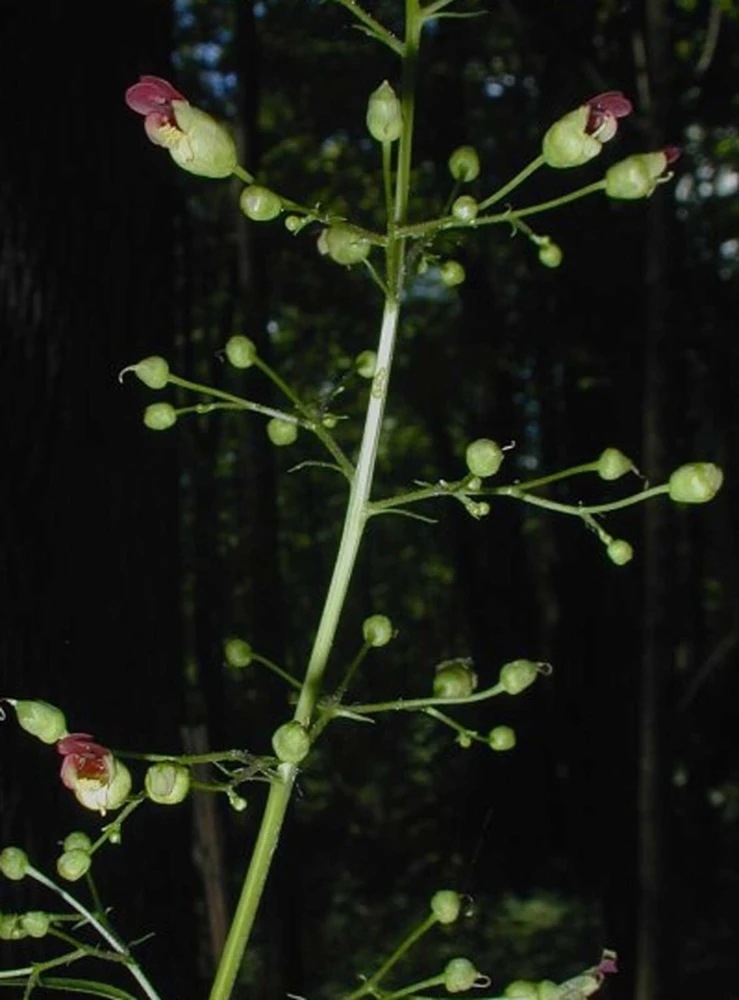
Scrophularia marilandica Seeds – Late Figwort – Carpenters Square – 1000 Seeds
Original price was: 48.91 $.19.91 $Current price is: 19.91 $.
Cultivate Scrophularia marilandica seeds, also known as late figwort seeds or Carpenters Square, a unique perennial perfect for shaded garden areas. These carpenters square seeds yield attractive plants that bloom from July to October, offering a vital larval host for several butterfly species, including the Baltimore Checkerspot. Enhance your garden with this beneficial and ornamental plant.
Estimated arrival
Nov 27
Dec 02 - Dec 04
Dec 04 - Dec 09
See our Shipping Policy.
Get in touch with us via email, and our team will review your concerns.
Our Alive & Thrive Guarantee covers issues with your plants within the first 30 days. Read our Refund & Returns Policy.
-
USDA Hardiness Zone
4 to 7 -
Soil Type
Well-draining, rich, organic soil -
Sunlight Exposure
Light to full shade -
Expected Planting Period
Fall or early spring
Overview
Embark on a rewarding gardening journey with Scrophularia marilandica seeds, offering a chance to grow the fascinating Late Figwort, also known as Carpenters Square or Eastern Figwort. This perennial plant is a remarkable addition to any garden, especially those with shaded areas, as it thrives where many other ornamentals struggle. From these Scrophularia marilandica seeds, you’ll cultivate a plant that not only adds a unique aesthetic with its thin, wiry stems and late-season blooms but also plays a crucial ecological role. Unlike its early blooming relatives, this late figwort graces the garden with flowers from July through October, extending the season of interest and providing essential resources for local wildlife. Gardeners looking to create a biodiverse and visually appealing outdoor space will find these seeds an excellent choice.
The distinctive appearance of the Late Figwort makes it a subtle yet attractive ornamental. Its preference for shade means it can fill often-overlooked spots in your landscape, bringing life and texture to darker corners. By planting these late figwort seeds, you contribute to supporting vital pollinator populations, particularly various checkerspot butterflies. This plant is a true unsung hero of the native garden, offering both beauty and ecological benefit from the moment you begin growing late figwort.
Key Benefits
Cultivating Scrophularia marilandica seeds brings a multitude of advantages to your garden and local ecosystem. This unique plant offers aesthetic appeal and critical support for wildlife.
- Ecological Support: This plant is a vital larval host for numerous butterfly species, including the Baltimore Checkerspot, Fulvia Checkerspot, Gillettes Checkerspot, Chalcedon Checkerspot, Arachne Checkerspot, and Dotted Checkerspot butterflies. Planting Scrophularia marilandica seeds directly supports these beautiful insects.
- Extended Bloom Season: Enjoy delicate blooms from July to October, providing late-season color and nectar sources when many other garden plants have finished flowering. This extended bloom period is a key benefit of growing late figwort.
- Shade Tolerance: Thrives in light to full shade, making it an excellent choice for challenging garden areas where direct sunlight is limited. It’s perfectly content in fully shaded spots.
- Unique Ornamental Appeal: Its thin, wiry structure and subtle flowers offer a distinct, naturalistic charm, adding architectural interest to your garden. These carpenters square seeds will produce a plant with a unique form.
- Low Maintenance: Once established, Late Figwort is relatively easy to care for, requiring minimal intervention to thrive in its preferred conditions.
- Hardy Perennial: Suitable for USDA Hardiness Zones 4 to 7, ensuring it returns year after year in a wide range of climates.
Plant Care & Growing Tips
Successful cultivation of Scrophularia marilandica seeds begins with understanding their specific needs. While generally hardy, providing the right conditions will ensure robust growth and abundant blooms. The most crucial factor for growing late figwort is its light requirement. This plant prefers light to medium shade, and will even thrive in full shade, making it an ideal candidate for woodland gardens or beneath deciduous trees. Avoid planting in full sun, as this can stress the plant and inhibit its growth and flowering. Aim for locations that receive dappled sunlight throughout the day or morning sun with afternoon shade.
When it comes to soil, carpenters square seeds will germinate best in well-draining, consistently moist soil. A rich, organic soil is preferred, mimicking its natural woodland habitat. Amend heavy clay soils with compost or peat moss to improve drainage and aeration. Once established, the plant is moderately drought-tolerant but will perform best with regular watering, especially during dry spells. Fertilization is generally not heavily required for this native perennial; however, a light application of a balanced, slow-release organic fertilizer in early spring can promote vigorous growth. Monitor for common garden pests, though Scrophularia marilandica is not typically prone to severe issues. Its hardiness in USDA Zones 4 to 7 means it can withstand cold winters and hot summers within this range.
Size & Details
This offering includes 1000 Scrophularia marilandica seeds, providing ample opportunity to establish a significant patch of Late Figwort in your garden. Once mature, the plants typically grow to a height of 3 to 6 feet, with a spread of about 1 to 2 feet, forming an upright, somewhat open habit. The thin, wiry stems contribute to its airy appearance. The seeds are shipped in a protective packet, ready for planting. Expect germination within a few weeks under optimal conditions, with plants typically blooming in their second year after planting. The bloom period for the late figwort seeds is from July to October, offering a long season of interest. These plants are relatively fast-growing once established, quickly filling in shaded areas with their unique form and ecological benefits.
Frequently Asked Questions
- Q: How many Scrophularia marilandica seeds are included? A: This package contains 1000 high-quality Scrophularia marilandica seeds, providing a generous quantity for your planting projects.
- Q: What are the ideal light conditions for growing late figwort? A: Late Figwort prefers light to medium shade, and it will be very content in full shade. Avoid planting it in full sun.
- Q: Is this plant suitable for beginners? A: Yes, growing late figwort from seed is relatively straightforward, especially if its light and moisture preferences are met. It’s a hardy and low-maintenance perennial.
- Q: What condition will the seeds arrive in? A: The carpenters square seeds will arrive securely packaged in a protective envelope or bag, ensuring their viability for planting.
- Q: How tall does Late Figwort get? A: Mature Late Figwort plants typically reach a height of 3 to 6 feet, adding vertical interest to your shaded garden areas.
- Q: When is the best time to plant Scrophularia marilandica seeds? A: For best results, sow these seeds in fall or early spring. Fall planting allows for natural cold stratification, which can aid germination.
- Q: What USDA Hardiness Zones are suitable for this plant? A: Scrophularia marilandica is hardy in USDA Zones 4 to 7, making it a robust perennial in many temperate climates.
- Q: Does this plant attract wildlife? A: Absolutely! It is a crucial larval host plant for several checkerspot butterfly species, making it an excellent choice for a pollinator garden.
- Q: What kind of soil does Late Figwort prefer? A: It thrives in consistently moist, well-draining soil rich in organic matter.
- Q: How long until the plants bloom from these late figwort seeds? A: Typically, plants grown from these seeds will begin to bloom in their second year after germination, providing beautiful flowers from July to October.
Be the first to review “Scrophularia marilandica Seeds – Late Figwort – Carpenters Square – 1000 Seeds”
Related products


Flower Seeds
Blue Stock Matthiola Incana Seeds – 50 Fragrant Gillyflower Seeds – Ten-Week Blue Stock


You May Like

How to Grow Passion Flower (Passiflora) for Tropical Blooms
Few climbing vines in the home garden command attention quite like the exotic Passion Flower (Passiflora). [...]
Nov

Thanksgiving Cactus Care: How to Get Thanksgiving Cactus to Bloom
Is your Thanksgiving cactus growing well but not giving you any flowers? Maybe it looked [...]
Nov

How to Grow Garlic for a Bountiful Home Harvest
Garlic (Allium sativum) is one of the most satisfying, low-maintenance, and flavor-packed crops you can [...]
Oct

Hardneck vs. Softneck Garlic: Which Should You Grow?
Have you ever stood in front of a seed catalog in mid-September, staring at dozens [...]
1 Comment
Oct

When to Plant Music Garlic: Ultimate US Fall Guide
Have you ever spent your fall weekend placing carefully chosen garlic cloves into rich, dark [...]
1 Comment
Oct

5 Best Bulbs for Fall Planting: Brighten Your Garden This Spring
Are you dreaming of a garden full of vibrant colors in the spring? The key [...]
Aug

10 Houseplants That Will Thrive in Your Kitchen
Are you tired of your kitchen feeling dull and lifeless? Want to add a little [...]
1 Comment
Aug
Reviews
There are no reviews yet.