
Parakeet Flower Seeds – Heliconia Psittacorum – 3 Seeds – Perennial Outdoor
Original price was: 19.98 $.15.99 $Current price is: 15.99 $.
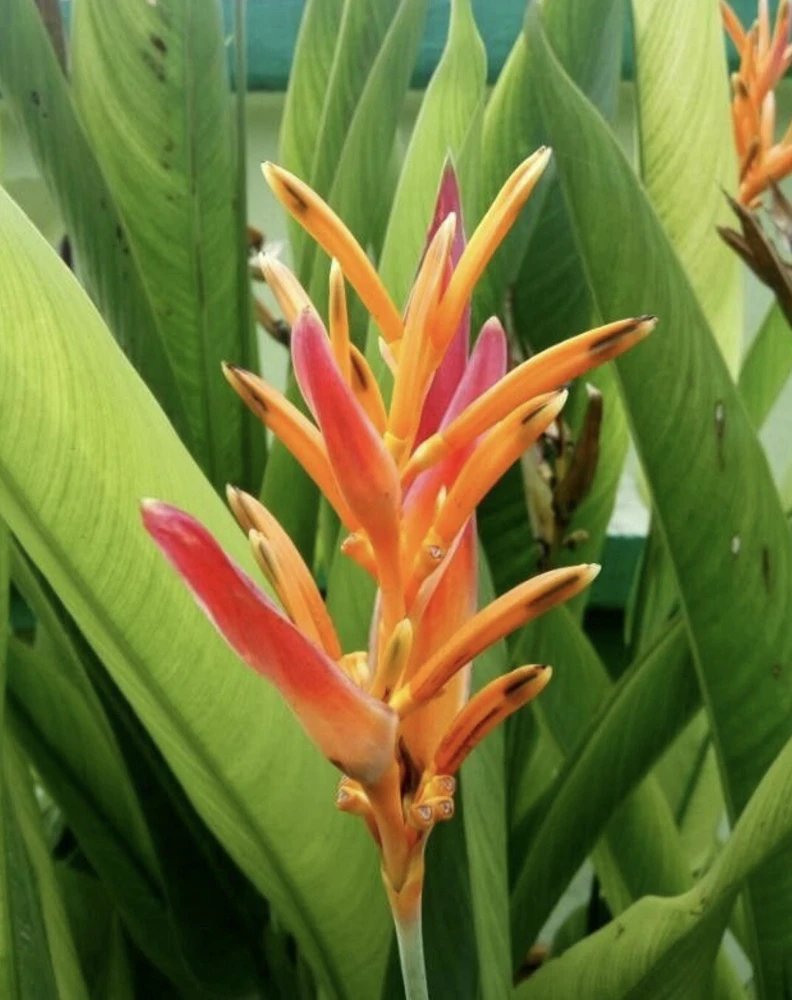
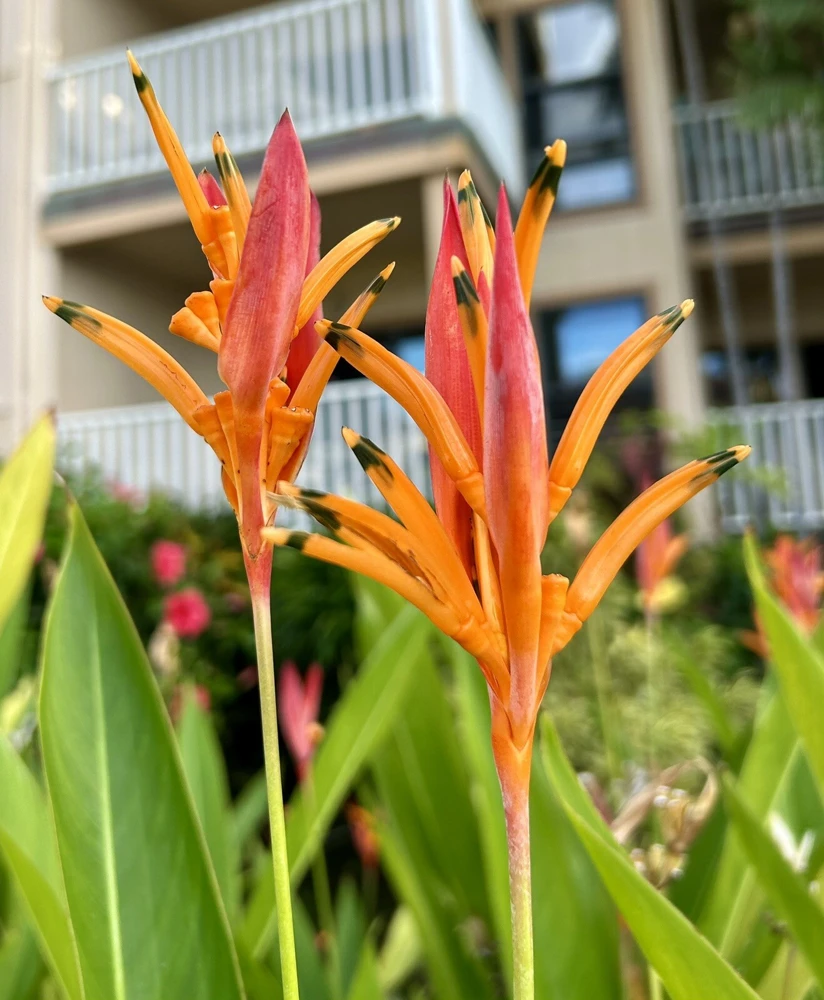
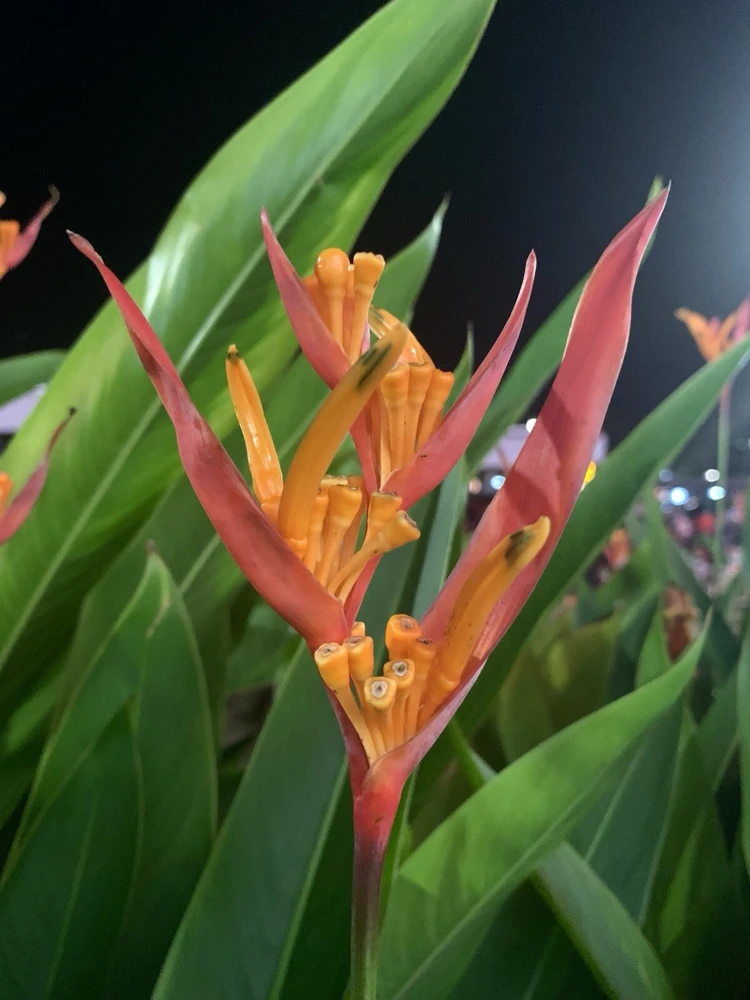
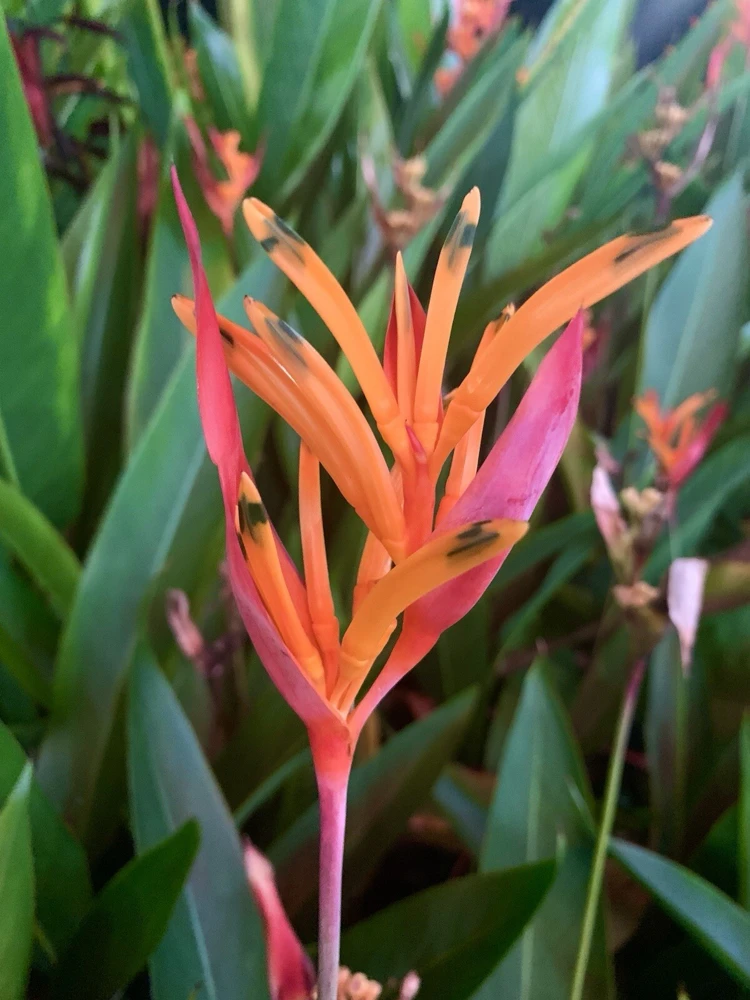
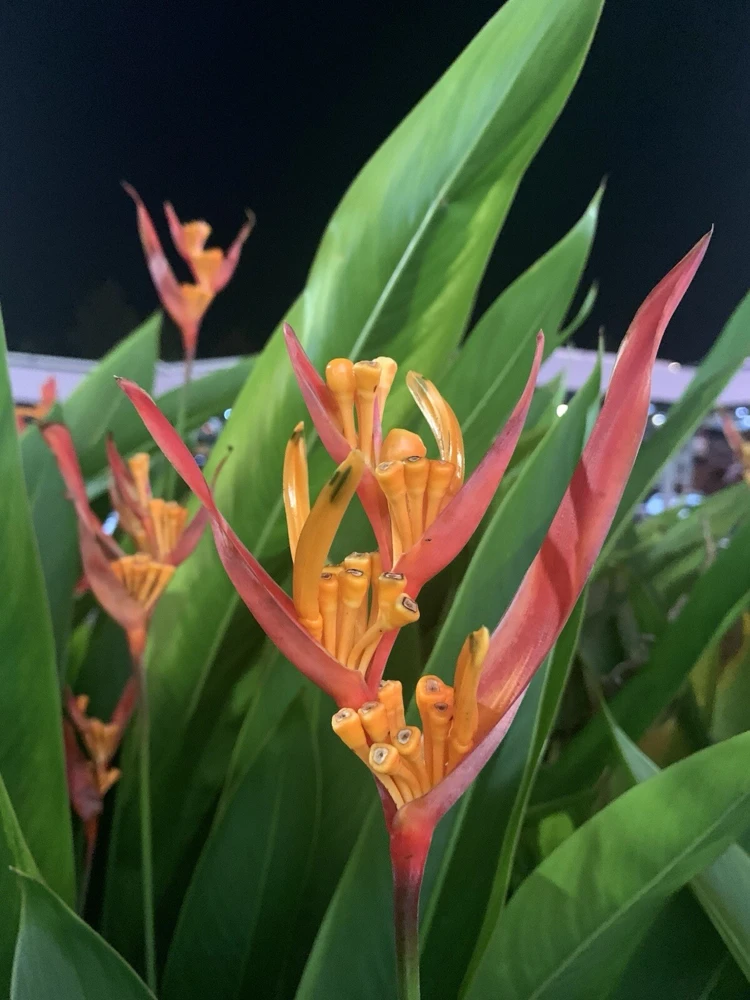
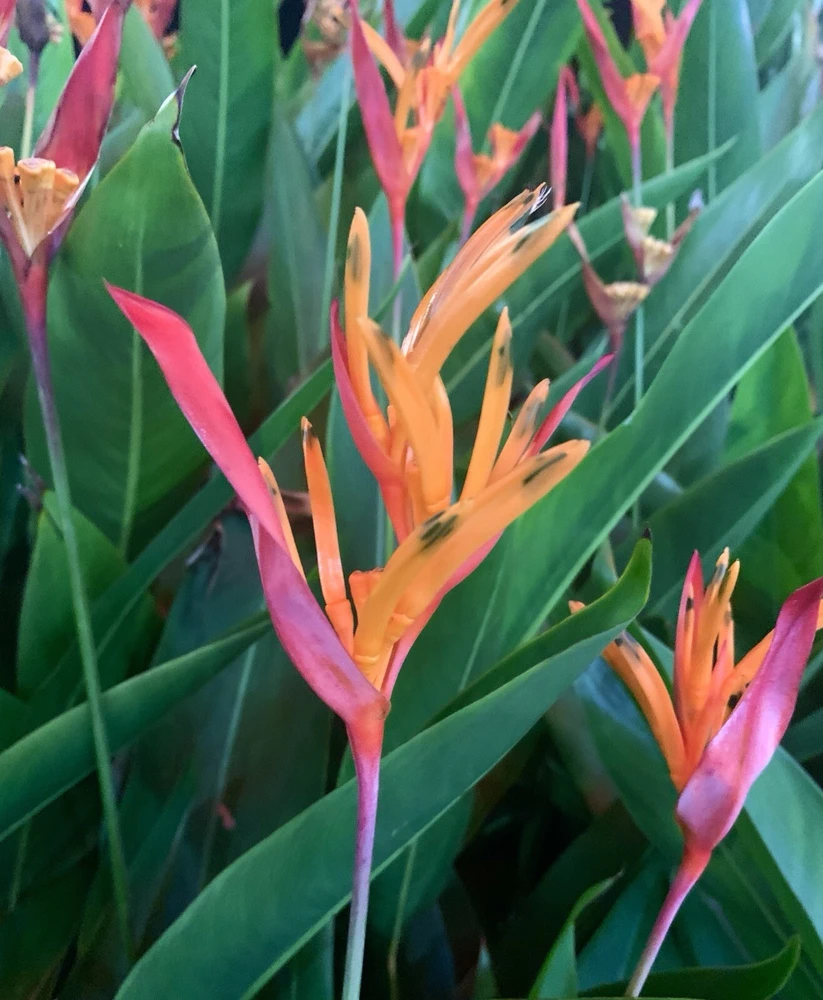
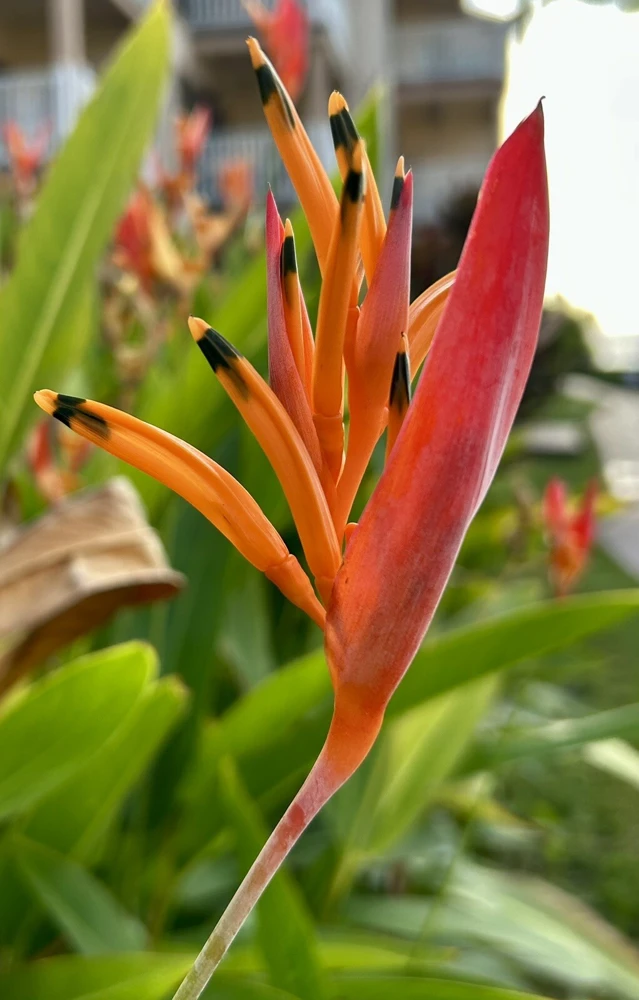
Cultivate stunning tropical beauty with these parakeet flower seeds. Each pack contains 3 seeds of the vibrant Heliconia Psittacorum, also known as Parrot’s Beak, perfect for creating an exotic garden display. Enjoy colorful blooms in green, pink, and yellow.
Estimated arrival
Nov 26
Dec 01 - Dec 03
Dec 03 - Dec 08
See our Shipping Policy.
Get in touch with us via email, and our team will review your concerns.
Our Alive & Thrive Guarantee covers issues with your plants within the first 30 days. Read our Refund & Returns Policy.
-
USDA Hardiness Zone
USDA zones 9–11 -
Soil Type
Rich, well-draining soil -
Sunlight Exposure
Full sun to partial shade -
Expected Planting Period
Spring to early summer (after last frost)
Overview
Transform your garden into a tropical oasis with our premium parakeet flower seeds. These coveted seeds will grow into magnificent Heliconia Psittacorum plants, commonly known as Parrot’s Beak or Parakeet Flower, famed for their strikingly colorful and uniquely shaped blooms. Each packet contains 3 viable seeds, ready to embark on their journey from seed to spectacular perennial flower. Native to the tropical Americas, these plants are celebrated for their vibrant inflorescences that resemble the head of a parakeet, bringing an exotic flair and a touch of the tropics to any outdoor space. Perfect for gardeners looking to add bold, long-lasting color and a distinctive architectural element to their landscape, growing heliconia psittacorum seeds is a rewarding experience that yields breathtaking results.
Key Benefits
Growing parakeet flower seeds offers numerous advantages, from enhancing your garden’s aesthetic appeal to providing a habitat for local wildlife. These vibrant tropical plants are sure to be a conversation starter.
- Exotic Visual Appeal: The unique, bird-like blooms in shades of green, pink, and yellow provide an unparalleled tropical aesthetic, making your garden stand out. They are perfect for creating a dramatic focal point or a vibrant border.
- Long-Lasting Blooms: Heliconia psittacorum produces flowers that last for an extended period, ensuring continuous color and interest in your garden throughout the growing season.
- Attracts Pollinators: The bright colors and nectar-rich flowers are a magnet for hummingbirds and other pollinators, bringing life and movement to your garden ecosystem.
- Low Maintenance Once Established: While initial care is needed, mature Parakeet Flowers are relatively low maintenance, thriving with minimal intervention in suitable climates.
- Versatile Landscaping Plant: Ideal for tropical gardens, borders, containers, or even as cut flowers to bring the exotic beauty indoors. These parrot’s beak seeds offer flexibility in garden design.
- Perennial Growth: As a perennial, once established, these plants will return year after year, offering reliable beauty without the need for annual replanting.
- Unique Cut Flowers: The striking appearance and durability of the blooms make them excellent for floral arrangements, adding a dramatic and tropical touch to any bouquet.
Plant Care & Growing Tips
Successfully growing heliconia psittacorum seeds requires attention to detail, especially during germination and early growth. Start by scarifying the hard seed coat, which means gently nicking or sanding the outer shell to help water penetrate. After scarification, soak the seeds in warm water for 24-48 hours. Plant seeds about 1/2 inch deep in a well-draining seed-starting mix. Maintain consistent warmth, ideally between 75-85°F (24-29°C), using a heat mat if necessary. Germination can be slow and erratic, taking anywhere from a few weeks to several months, so patience is key.
Once seedlings emerge, provide bright, indirect light. As they grow, gradually acclimate them to more sunlight. For mature plants, parakeet flower seeds thrive in full sun to partial shade, ideally receiving at least 6 hours of direct sunlight daily for optimal flowering. They prefer consistently moist, rich, well-draining soil. Do not let the soil dry out completely, especially during hot periods. Water deeply and regularly, but avoid waterlogging, which can lead to root rot. Heliconias are heavy feeders; fertilize every 2-4 weeks during the growing season with a balanced liquid fertilizer. Protect plants from strong winds, which can damage their large leaves.
These tropical plants are sensitive to cold and are best grown outdoors in USDA Zones 9-11. In cooler climates, they can be grown in containers and brought indoors during winter or treated as annuals. Ensure good air circulation to prevent fungal diseases. Common problems include spider mites and mealybugs, which can be managed with insecticidal soap. Providing adequate humidity, especially indoors, can help prevent pest issues. Understanding how to grow heliconia from seed successfully will ensure your plants flourish and produce their spectacular blooms.
Size & Details
This offering includes 3 parakeet flower seeds (Heliconia Psittacorum). Once germinated and established, these perennial plants can reach a mature height of 3 to 6 feet, with a spread of 2 to 4 feet, depending on growing conditions and cultivar. They produce striking inflorescences that can be several inches long, showcasing vibrant combinations of green, pink, and yellow bracts. The foliage consists of large, banana-like leaves, adding to their tropical allure. Plants grown from these tropical flower seeds typically begin to bloom within 1-2 years after germination, with flowering occurring primarily in summer and fall in suitable climates. The seeds are carefully selected to ensure viability for successful germination and growth, allowing you to cultivate these magnificent plants in your own garden.
Frequently Asked Questions
- Q: How big does this plant get? A: Once mature, Heliconia Psittacorum typically grows to a height of 3 to 6 feet (90-180 cm) and can spread 2 to 4 feet (60-120 cm) wide. Its size can vary slightly depending on environmental conditions and care, but it generally forms a substantial tropical clump.
- Q: Is this an indoor or outdoor plant? A: The Parakeet Flower is primarily an outdoor plant, thriving in tropical and subtropical climates (USDA Zones 9-11). In cooler regions, it can be grown in large containers and brought indoors during winter to protect it from frost, or treated as an annual.
- Q: How much sunlight does it need? A: For optimal growth and flowering, these plants need full sun to partial shade, ideally receiving at least 6 hours of direct sunlight per day. Too much shade can result in fewer blooms and less vibrant coloration.
- Q: Is this plant easy to care for? A: While germinating parrot’s beak seeds requires patience and specific conditions, established plants are relatively easy to care for in appropriate climates. They need consistent moisture, rich soil, and warmth. They are not considered a beginner plant for seed starting due to germination challenges.
- Q: What condition will the seeds arrive in? A: You will receive 3 high-quality, viable heliconia psittacorum seeds, carefully packaged to ensure their integrity during transit. They will be ready for scarification and planting upon arrival.
- Q: How long until it blooms? A: Plants grown from parakeet flower seeds typically take 1 to 2 years to reach blooming maturity. The exact time can depend on germination success, growing conditions, and overall plant health.
- Q: Will it survive winter in my zone? A: Heliconia Psittacorum is cold-sensitive. It will only survive outdoors year-round in USDA Hardiness Zones 9-11, where temperatures do not drop below freezing. In colder zones, winter protection or indoor relocation is necessary.
- Q: What is the best way to germinate these tropical flower seeds? A: The best method involves scarifying the hard seed coat (gently nicking or sanding it) followed by soaking the seeds in warm water for 24-48 hours. Plant in a warm, moist, well-draining seed-starting mix, ideally with bottom heat.
- Q: What kind of soil does it prefer? A: These plants thrive in rich, fertile, well-draining soil that retains moisture. A mix amended with compost or other organic matter is ideal to provide the nutrients and drainage they need.
- Q: Are these seeds suitable for container growing? A: Yes, parakeet flower seeds can be grown in large containers, especially in cooler climates where they need to be moved indoors for winter. Ensure the container is large enough to accommodate the mature plant’s root system and has excellent drainage.
Be the first to review “Parakeet Flower Seeds – Heliconia Psittacorum – 3 Seeds – Perennial Outdoor”
Related products


Flower Seeds


You May Like

How to Grow Passion Flower (Passiflora) for Tropical Blooms
Few climbing vines in the home garden command attention quite like the exotic Passion Flower (Passiflora). [...]
Nov

Thanksgiving Cactus Care: How to Get Thanksgiving Cactus to Bloom
Is your Thanksgiving cactus growing well but not giving you any flowers? Maybe it looked [...]
Nov

How to Grow Garlic for a Bountiful Home Harvest
Garlic (Allium sativum) is one of the most satisfying, low-maintenance, and flavor-packed crops you can [...]
Oct

Hardneck vs. Softneck Garlic: Which Should You Grow?
Have you ever stood in front of a seed catalog in mid-September, staring at dozens [...]
1 Comment
Oct

When to Plant Music Garlic: Ultimate US Fall Guide
Have you ever spent your fall weekend placing carefully chosen garlic cloves into rich, dark [...]
1 Comment
Oct

5 Best Bulbs for Fall Planting: Brighten Your Garden This Spring
Are you dreaming of a garden full of vibrant colors in the spring? The key [...]
Aug

10 Houseplants That Will Thrive in Your Kitchen
Are you tired of your kitchen feeling dull and lifeless? Want to add a little [...]
1 Comment
Aug
Reviews
There are no reviews yet.