
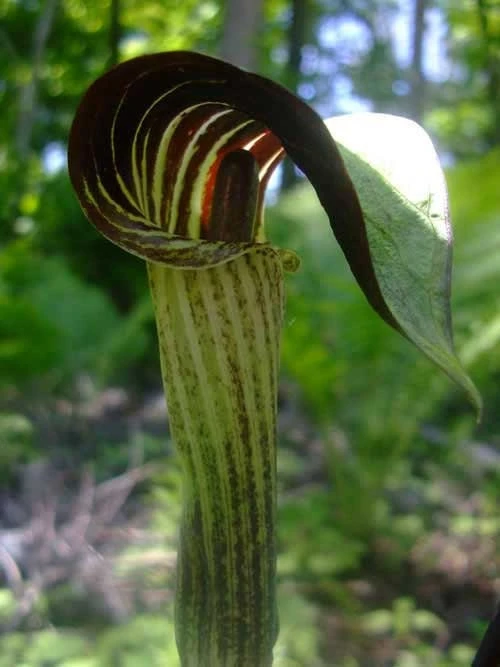
Arisaema triphyllum Seeds – Indian Turnip, Bog Onion, Brown Dragon – 10 Seeds
Original price was: 48.91 $.19.91 $Current price is: 19.91 $.
Discover the fascinating world of native wildflowers with our Arisaema triphyllum seeds. Also known as Indian Turnip seeds, Bog Onion, or Brown Dragon, this unique plant offers intriguing foliage and a distinctive spathe and spadix bloom. Perfect for woodland gardens, it’s remarkably deer-resistant and thrives in USDA Zones 4-9.
Estimated arrival
Nov 29
Dec 04 - Dec 06
Dec 06 - Dec 11
See our Shipping Policy.
Get in touch with us via email, and our team will review your concerns.
Our Alive & Thrive Guarantee covers issues with your plants within the first 30 days. Read our Refund & Returns Policy.
-
USDA Hardiness Zone
USDA Hardiness Zones 4 to 9 -
Soil Type
Rich, moist, well-draining soil -
Sunlight Exposure
Partial to full shade -
Expected Planting Period
Fall or early spring after stratification
Overview
Embark on a rewarding gardening journey with our premium Arisaema triphyllum seeds. This captivating native wildflower, commonly known as Indian Turnip, Bog Onion, or Brown Dragon, brings an unparalleled sense of intrigue and natural beauty to shaded garden spaces. Each packet contains 10 high-quality seeds, ready to be nurtured into mature plants that will fascinate onlookers with their unique hooded flowers and striking foliage. Arisaema triphyllum seeds offer an excellent opportunity to cultivate a plant that is not only visually distinctive but also plays a vital role in local ecosystems. Ideal for woodland settings, shaded borders, or naturalized areas, these seeds promise a hardy and low-maintenance addition to your landscape. Grow this intriguing perennial and enjoy its unusual charm year after year, providing a unique focal point in your garden design.
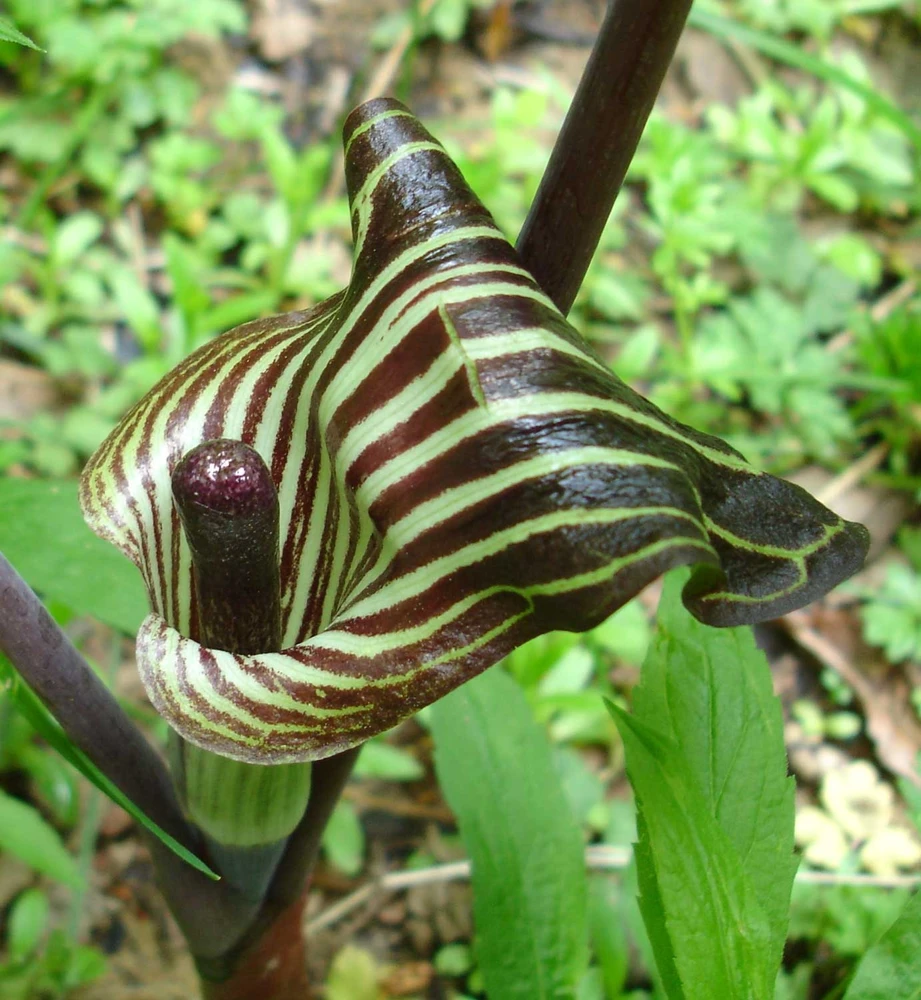
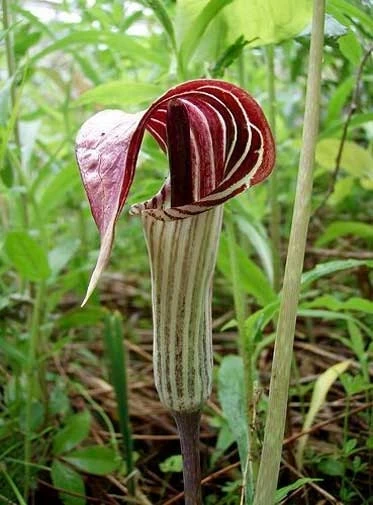
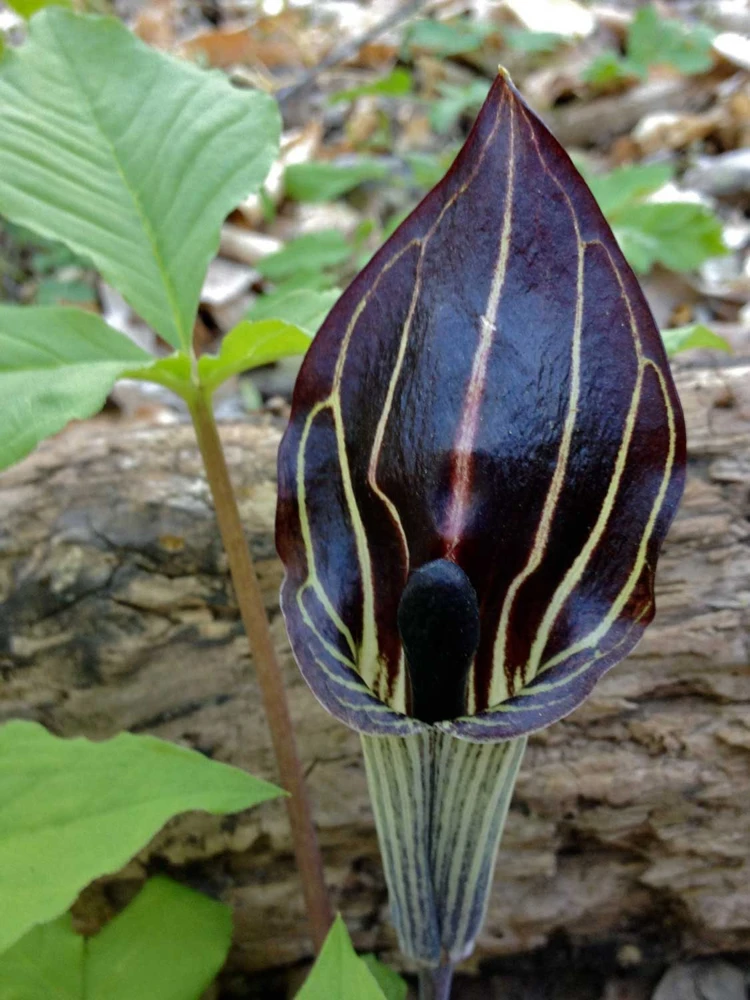
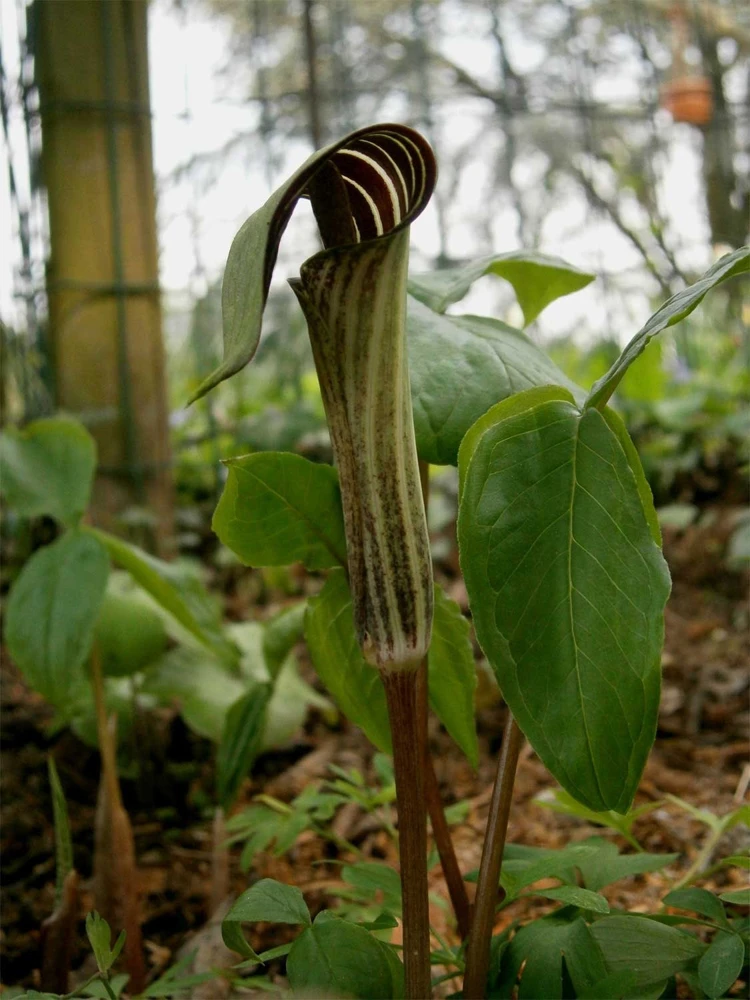
Arisaema triphyllum is celebrated for its unusual bloom structure, featuring a spathe (the hood-like leaf) that partially encloses a spadix (the central club-shaped spike). This unique inflorescence gives rise to its common names, evoking images of a ‘jack-in-the-pulpit.’ Beyond its floral curiosity, the plant boasts attractive, trifoliate leaves that add texture to the understory of trees and shrubs. Cultivating Indian Turnip seeds is a wonderful way to connect with native flora and create a resilient, deer-resistant garden. While the plant’s roots were historically used by Native Americans (after extensive processing), its primary value in modern gardens is ornamental and ecological. Plant these seeds to enjoy a truly unique and conversation-starting specimen in your outdoor sanctuary.
Key Benefits
Planting Arisaema triphyllum seeds offers a multitude of advantages for the discerning gardener seeking unique and resilient additions to their landscape. These benefits extend beyond mere aesthetics, contributing to a more diverse and sustainable garden environment.
- Unique Ornamental Appeal: The primary draw of Arisaema triphyllum is its extraordinarily distinctive flower. The hooded spathe and central spadix create a captivating ‘jack-in-the-pulpit’ appearance that is unlike most other garden plants, providing an instant conversation starter and a focal point in shaded areas.
- Deer Resistance: A significant advantage for many gardeners, this plant is naturally highly resistant to deer browsing. The presence of calcium oxalate crystals makes it unpalatable to deer, ensuring your plants remain untouched and thrive without constant protection.
- Native Wildlife Support: As a native species, Arisaema triphyllum provides habitat and food sources for specific local insects and pollinators, contributing to the biodiversity and ecological health of your garden.
- Shade Garden Performer: Thriving in partial to full shade, this plant is an excellent choice for those challenging areas under trees or on the north side of buildings where many other plants struggle to grow.
- Low Maintenance: Once established, Arisaema triphyllum requires minimal care. It is relatively drought-tolerant and pest-free, making it a perfect plant for gardeners seeking beauty without constant upkeep.
- Long-Lived Perennial: This plant is a long-term investment in your garden’s beauty. It returns year after year, often forming small colonies over time, providing continuous interest with its unique form.
- Educational Value: Growing Indian Turnip seeds can be an educational experience, offering insights into native plant life cycles, plant morphology, and the importance of biodiversity in your local ecosystem.
Plant Care & Growing Tips
Successfully growing Arisaema triphyllum seeds requires understanding their specific environmental preferences, particularly regarding light, soil, and moisture. These woodland plants thrive in conditions that mimic their natural habitat. Begin by sowing the Arisaema triphyllum seeds in fall or stratifying them for 60-90 days in a refrigerator before planting in spring. Plant seeds about 1/2 inch deep in a well-prepared seedbed or pots. Germination can be slow and sometimes erratic, so patience is key. Once seedlings emerge, ensure they are protected from strong winds and direct, harsh sunlight.
For established plants, Arisaema triphyllum prefers partial to full shade. Too much direct sun can scorch its leaves, especially in warmer climates. The ideal location is under deciduous trees where it receives dappled sunlight in spring and then more shade as the tree canopy fills out. Soil should be rich in organic matter, consistently moist but well-draining. A loamy, slightly acidic to neutral soil (pH 6.0-7.0) is best. Amend heavy clay soils with compost and sand to improve drainage, and sandy soils with compost to improve moisture retention. Water regularly, especially during dry spells, to keep the soil evenly moist. Avoid waterlogging, as this can lead to rot. Fertilize sparingly in spring with a balanced, slow-release organic fertilizer, or simply top-dress with compost to provide nutrients naturally. These plants are generally pest and disease resistant, making Arisaema triphyllum plant care relatively straightforward once established.
Size & Details
Our offering includes 10 high-quality Arisaema triphyllum seeds, ready for you to cultivate into mature plants. When fully grown, Arisaema triphyllum typically reaches a height of 1 to 2 feet (30-60 cm) with a similar spread, forming a handsome clump of foliage. The distinctive flowers emerge in spring, usually from April to June, followed by attractive clusters of bright red berries in late summer and fall. These berries are also quite ornamental but are not edible. The plant grows from a corm, which allows it to return reliably year after year. Expect the first blooms to appear within 2-4 years from seed, depending on growing conditions. These seeds are ideal for creating naturalized woodland settings or adding unique texture to shaded perennial beds. They are shipped as dry seeds in a protective packet, ensuring viability upon arrival.
Frequently Asked Questions
- Q: How big does the Arisaema triphyllum plant get? A: A: Arisaema triphyllum typically grows to be about 1 to 2 feet (30-60 cm) tall and wide at maturity. Its size can vary slightly depending on growing conditions and age.
- Q: Is this an indoor or outdoor plant? A: Arisaema triphyllum is primarily an outdoor plant, best suited for woodland gardens, shaded borders, or naturalized areas. It requires a period of dormancy in colder temperatures to thrive.
- Q: How much sunlight does it need? A: This plant thrives in partial to full shade. It prefers dappled sunlight or indirect light, especially in the afternoon. Direct, intense sunlight can scorch its leaves.
- Q: Is this plant easy to care for? A: Once established, Arisaema triphyllum is relatively low-maintenance. It requires consistent moisture and appropriate shade but is otherwise quite resilient and deer-resistant, making Arisaema triphyllum plant care manageable.
- Q: What condition will the seeds arrive in? A: The Arisaema triphyllum seeds will arrive as dry, viable seeds in a protective packet. They will need proper stratification and planting as per the instructions for successful germination.
- Q: When is the best time to plant Arisaema triphyllum seeds? A: The best time to plant these seeds is in the fall, allowing them to undergo natural cold stratification over winter. Alternatively, you can cold stratify them in your refrigerator for 60-90 days before planting in the spring.
- Q: Will Arisaema triphyllum survive winter in my zone? A: Yes, Arisaema triphyllum is hardy in USDA Zones 4 to 9, meaning it can tolerate winter temperatures in these regions and will return reliably each spring.
- Q: Are the berries on the Indian Turnip plant edible? A: No, while the bright red berries are ornamental, they are toxic if ingested. All parts of the plant, especially the roots, contain calcium oxalate crystals, which can cause severe irritation.
- Q: How long until the seeds germinate? A: Germination can be slow and variable, often taking several weeks to months, and sometimes even into the second growing season after planting. Patience is essential when growing Indian Turnip seeds.
- Q: What kind of soil does Arisaema triphyllum prefer? A: It prefers rich, moist, well-draining soil that is high in organic matter. A slightly acidic to neutral pH (6.0-7.0) is ideal for optimal growth.
Be the first to review “Arisaema triphyllum Seeds – Indian Turnip, Bog Onion, Brown Dragon – 10 Seeds”
Related products



You May Like

How to Grow Passion Flower (Passiflora) for Tropical Blooms
Few climbing vines in the home garden command attention quite like the exotic Passion Flower (Passiflora). [...]
Nov

Thanksgiving Cactus Care: How to Get Thanksgiving Cactus to Bloom
Is your Thanksgiving cactus growing well but not giving you any flowers? Maybe it looked [...]
Nov

How to Grow Garlic for a Bountiful Home Harvest
Garlic (Allium sativum) is one of the most satisfying, low-maintenance, and flavor-packed crops you can [...]
Oct

Hardneck vs. Softneck Garlic: Which Should You Grow?
Have you ever stood in front of a seed catalog in mid-September, staring at dozens [...]
1 Comment
Oct

When to Plant Music Garlic: Ultimate US Fall Guide
Have you ever spent your fall weekend placing carefully chosen garlic cloves into rich, dark [...]
1 Comment
Oct

5 Best Bulbs for Fall Planting: Brighten Your Garden This Spring
Are you dreaming of a garden full of vibrant colors in the spring? The key [...]
Aug

10 Houseplants That Will Thrive in Your Kitchen
Are you tired of your kitchen feeling dull and lifeless? Want to add a little [...]
1 Comment
Aug
Reviews
There are no reviews yet.